Proterozoic: the development of eukaryotic cells, the first multicellular organisms
 Befrey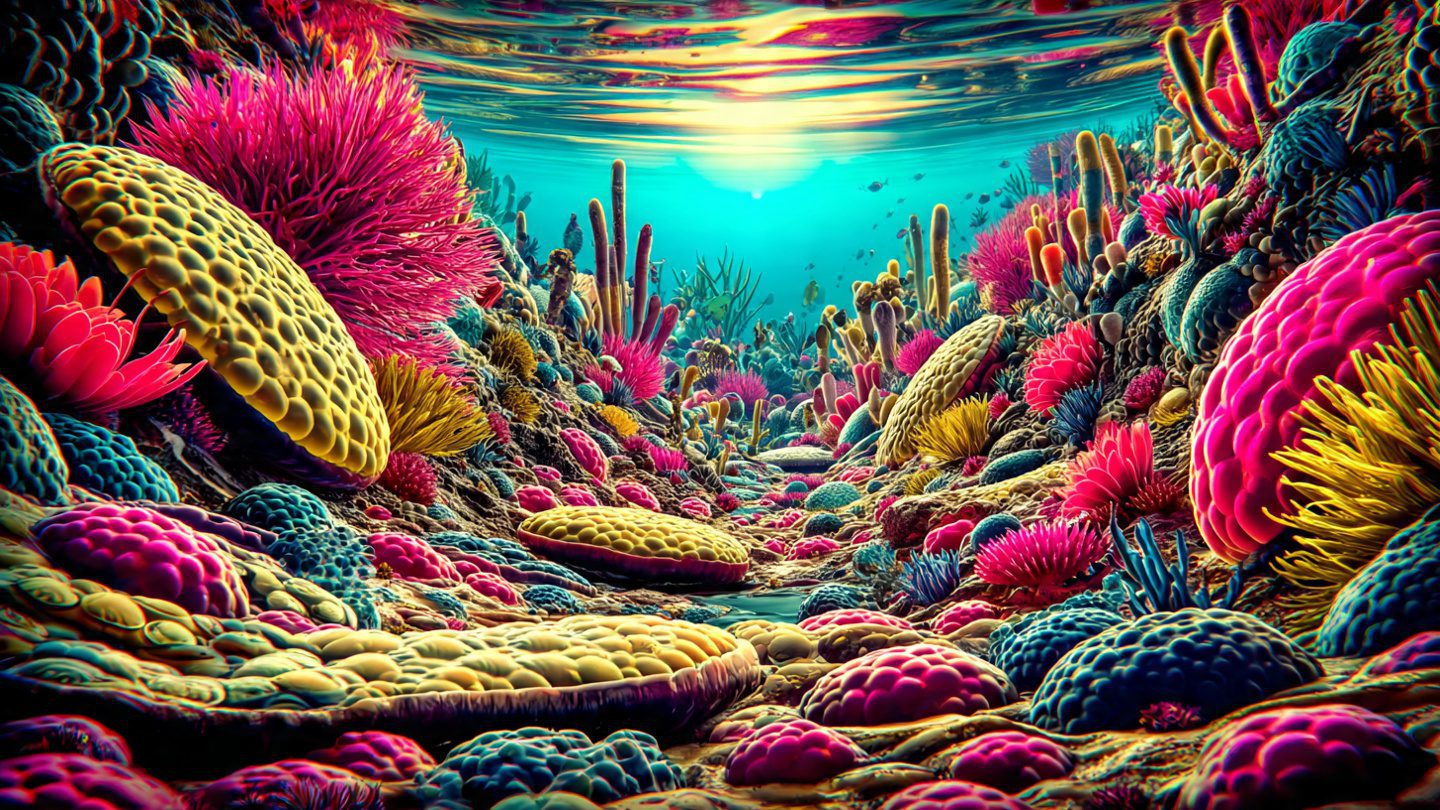
The Proterozoic: the development of eukaryotic cells, the first multicellular organisms represents one of the most transformative chapters in Earth’s biological history. This immense span of geological time witnessed the emergence of complex life from simple microbial beginnings. These innovations reshaped Earth’s ecosystems and laid the foundation for all complex life that exists today, including animals, plants, and fungi. Understanding Proterozoic: the development of eukaryotic cells, the first multicellular organisms helps scientists trace the origins of biological complexity and the processes that enabled life to diversify. The period also includes crucial environmental transformations, such as increasing atmospheric oxygen and global climatic shifts, which profoundly influenced biological evolution. By exploring the Proterozoic era and the development of early complex life, we gain insight into the evolutionary milestones that eventually led to the explosion of life in later geological ages.
The Proterozoic Eon: A Crucial Stage in Earth’s Biological Evolution
The Proterozoic Eon lasted from approximately 2.5 billion to 541 million years ago and represents nearly half of Earth’s history. During this immense time span, the planet experienced fundamental geological, chemical, and biological changes that shaped the future of life. Before this period, life on Earth was dominated by simple prokaryotic organisms such as bacteria and archaea. These microorganisms had no nucleus and lacked the internal cellular structures that characterize more complex cells. Yet within the Proterozoic, evolutionary processes gradually produced cells that were larger, more organized, and capable of performing specialized functions.
One of the defining features of the Proterozoic was the gradual accumulation of oxygen in the atmosphere and oceans. Earlier photosynthetic microorganisms had already begun releasing oxygen, but during this eon oxygen levels rose significantly. This change altered the chemistry of the oceans and atmosphere, creating conditions that favored new metabolic strategies and more efficient energy production within cells. Oxygen also enabled organisms to generate far more energy through aerobic respiration, a key requirement for cellular complexity.
The Proterozoic is divided into three major eras: the Paleoproterozoic, Mesoproterozoic, and Neoproterozoic. Each era introduced new evolutionary innovations. Early in the Proterozoic, microbial communities continued to dominate the biosphere, forming structures known as stromatolites. Over time, however, more complex life forms began to appear, including the earliest eukaryotes and later multicellular organisms.
These evolutionary changes did not happen rapidly. Instead, they occurred gradually over hundreds of millions of years. The slow pace reflects the difficulty of evolving cellular complexity and cooperative biological systems. Yet the results of these changes were revolutionary, setting the stage for the later diversification of animals and plants.
In the context of Proterozoic: the development of eukaryotic cells, the first multicellular organisms, this eon represents the bridge between microbial life and the complex ecosystems that later dominated Earth. Without the innovations that emerged during this period, the rich diversity of life seen today would not exist.
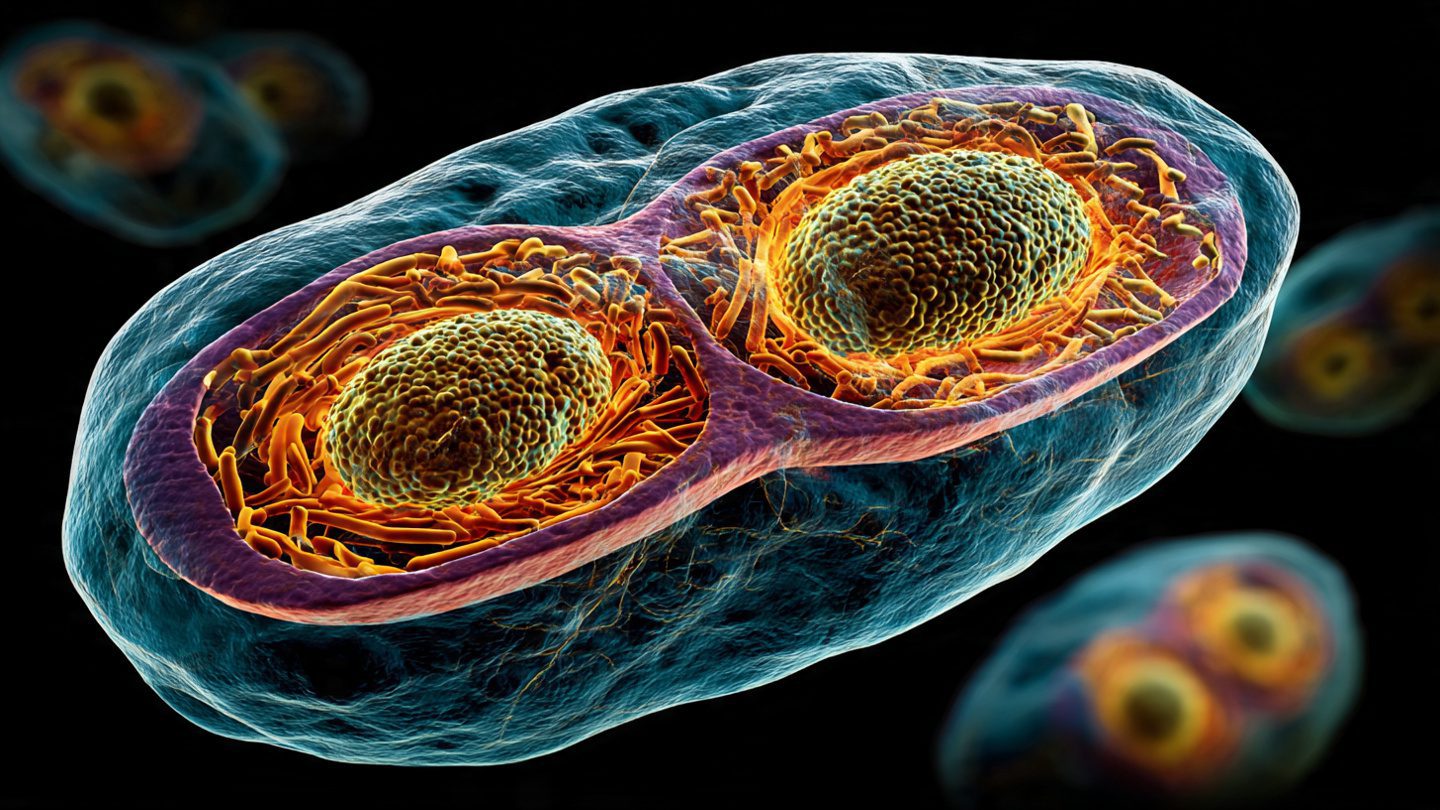
The Origin of Eukaryotic Cells During the Proterozoic
One of the most significant evolutionary breakthroughs of the Proterozoic was the emergence of eukaryotic cells. These cells differ dramatically from the simpler prokaryotic cells that dominated earlier periods of Earth’s history. Eukaryotic cells possess a defined nucleus that houses genetic material, as well as specialized internal compartments known as organelles. These structures allow different cellular processes to occur simultaneously and efficiently.
Scientists believe that eukaryotic cells arose through a process known as endosymbiosis. Instead, the two cells developed a mutually beneficial relationship. Over time, the engulfed cell became an organelle within the host cell. This process likely produced mitochondria, the energy-producing structures found in almost all eukaryotic organisms today.
Mitochondria dramatically increased the amount of energy cells could generate. This greater energy availability allowed cells to grow larger and develop more complex internal systems. The presence of mitochondria is therefore considered a critical step in the evolution of complex life.
Later in the Proterozoic, another endosymbiotic event occurred when certain eukaryotic cells engulfed photosynthetic bacteria. These bacteria eventually evolved into chloroplasts, the organelles responsible for photosynthesis in plants and algae. This innovation allowed some eukaryotic organisms to produce their own energy from sunlight.
The appearance of eukaryotic cells also introduced new possibilities for genetic diversity. Eukaryotes developed more sophisticated mechanisms for DNA replication and cell division. They also evolved sexual reproduction, which allows genetic material from two individuals to combine and produce offspring with new combinations of traits.
These innovations greatly accelerated evolutionary change. With greater energy production, complex genetic systems, and the potential for genetic recombination, eukaryotic cells became the foundation for all advanced forms of life. In the story of Proterozoic: the development of eukaryotic cells, the first multicellular organisms, this event marks the beginning of biological complexity on Earth.
Environmental Changes That Enabled Complex Life
The rise of complex life during the Proterozoic was not driven solely by biological innovation. Major environmental transformations also played a critical role in shaping evolutionary possibilities. Among the most significant of these changes was the continued increase in atmospheric oxygen.
Oxygen began accumulating in large amounts after photosynthetic microorganisms started releasing it as a byproduct of metabolism. Over millions of years, oxygen reacted with minerals and gases in the environment until these sinks became saturated. Once that happened, oxygen levels in the atmosphere began rising more rapidly.
Higher oxygen concentrations enabled aerobic respiration, a metabolic process that produces far more energy than anaerobic pathways. This additional energy supported the development of larger cells and more complex biological systems. Without sufficient oxygen, the metabolic demands of eukaryotic cells and multicellular organisms would have been impossible to sustain.
The Proterozoic also experienced dramatic climatic events. One of the most famous is the Snowball Earth hypothesis, which proposes that during certain intervals the planet may have been almost entirely covered in ice. These global glaciations drastically altered ocean chemistry and nutrient cycles. Although such extreme conditions might seem hostile to life, they may have actually stimulated evolutionary innovation by forcing organisms to adapt to new environments.
Another important environmental development was the stabilization of continents and the formation of large landmasses. Geological activity created shallow marine environments along continental shelves, providing ideal habitats for early eukaryotic organisms and microbial communities. These ecosystems offered diverse ecological niches where evolutionary experimentation could occur.
The interplay between environmental change and biological adaptation was therefore crucial. Rising oxygen, shifting climates, and evolving ocean chemistry created both challenges and opportunities for living organisms. In this dynamic context, the innovations associated with Proterozoic: the development of eukaryotic cells, the first multicellular organisms could emerge and spread.

The Emergence of the First Multicellular Organisms
The transition from single-celled life to multicellular organisms represents one of the most important evolutionary steps in the history of life. During the Proterozoic, certain eukaryotic cells began forming cooperative colonies in which individual cells remained attached after division. Over time, these colonies developed increasing levels of coordination and specialization.
At first, multicellularity was relatively simple. Cells within a colony were often similar in structure and function. However, even these basic forms offered advantages. By working together, cells could grow larger, improve nutrient absorption, and better resist environmental stresses. Large size also helped organisms avoid being consumed by predators.
Gradually, some multicellular organisms began developing specialized cell types. Certain cells focused on reproduction, while others performed structural or metabolic roles. This division of labor allowed organisms to function more efficiently and opened the door to increasingly complex body structures.
Evidence of early multicellular life appears in fossil records from the late Proterozoic. Some of the earliest examples include filamentous algae and simple multicellular organisms preserved in ancient sediments. These fossils indicate that multicellularity evolved independently in several lineages.
The evolution of multicellular life also required new biological mechanisms. Cells had to communicate with one another, regulate growth, and coordinate development. Genetic systems evolved to control these processes, ensuring that cells worked together rather than competing within the same organism.
In the narrative of Proterozoic: the development of eukaryotic cells, the first multicellular organisms, this stage represents a turning point. Once multicellularity evolved, organisms could develop increasingly elaborate forms and behaviors. This laid the groundwork for the emergence of animals, plants, and fungi in later geological periods.
The Ediacaran Biota: Early Complex Life Forms
Toward the end of the Proterozoic, the fossil record reveals a fascinating collection of organisms known as the Ediacaran biota. These life forms lived approximately 635 to 541 million years ago and represent some of the earliest large and complex multicellular organisms.
The Ediacaran organisms were unlike most modern life forms. Many had soft bodies with unusual shapes resembling fronds, discs, or quilted structures. Because they lacked hard skeletons, their fossils are typically preserved as impressions in sedimentary rock. Despite their simple appearance, these organisms demonstrate that multicellular life had already diversified significantly before the emergence of animals.
Scientists continue to debate the exact nature of Ediacaran organisms. Some researchers believe they represent early relatives of modern animal groups. Others propose that they belong to entirely extinct evolutionary lineages with no modern descendants. Regardless of their classification, they provide valuable insight into the early stages of complex life.
The ecosystems in which Ediacaran organisms lived were primarily marine. Many species likely absorbed nutrients directly from the surrounding water, while others may have fed on microbial mats covering the seafloor. These communities were relatively simple compared with later ecosystems but still represented a major step forward in biological complexity.
The Ediacaran period also shows increasing ecological interactions among organisms. Evidence suggests that some organisms moved across the seafloor, leaving trace fossils that record their activity. These behaviors indicate growing biological sophistication and the beginnings of ecological relationships such as grazing and competition.
Within the broader context of Proterozoic: the development of eukaryotic cells, the first multicellular organisms, the Ediacaran biota demonstrate that complex multicellular life was already well established before the Cambrian explosion. They serve as a preview of the dramatic diversification of life that would soon follow.

Evolutionary Innovations That Prepared Life for the Cambrian Explosion
As the Proterozoic approached its end, a series of evolutionary innovations prepared life for one of the most remarkable events in biological history: the Cambrian explosion. During this later period, many major animal groups appeared in the fossil record over a relatively short geological interval. The groundwork for this diversification, however, was laid during the Proterozoic.
One key development was the continued increase in oxygen levels. Higher oxygen concentrations allowed organisms to support more energy-demanding biological processes. This made it possible for organisms to develop stronger tissues, active movement, and more complex body structures.
Another important innovation was the evolution of genetic regulatory systems that control development. These systems determine how cells differentiate into various tissues and organs. Once such regulatory mechanisms evolved, organisms could experiment with different body plans while maintaining functional coordination.
Predation may also have played a role in stimulating evolutionary change. As some organisms evolved the ability to consume others, natural selection favored adaptations such as protective structures, mobility, and sensory capabilities. These pressures encouraged rapid diversification and innovation.
Additionally, ecological interactions became more complex during the late Proterozoic. Organisms began occupying specialized niches within marine environments. This ecological complexity promoted further evolutionary experimentation and competition.
By the time the Proterozoic ended, the basic biological toolkit for complex life was already in place. Cells possessed advanced structures, multicellular organisms had evolved, and ecosystems supported diverse interactions. The stage was set for the rapid evolutionary radiation that followed.
In this sense, Proterozoic: the development of eukaryotic cells, the first multicellular organisms represents the essential prelude to the rise of modern biodiversity. It was a period of preparation, experimentation, and gradual innovation that ultimately transformed the living world.
Summary
The Proterozoic Eon represents a pivotal era in Earth’s biological history. During this vast period, life evolved from simple microbial organisms into complex eukaryotic cells capable of advanced functions. Environmental changes, particularly rising oxygen levels, enabled greater metabolic efficiency and cellular complexity. These developments allowed the emergence of the first multicellular organisms, which gradually developed specialized cells and coordinated biological systems. By the late Proterozoic, diverse multicellular life forms such as the Ediacaran biota inhabited the oceans. These evolutionary innovations prepared the biosphere for the dramatic diversification of life that would occur during the Cambrian explosion.
The Formation of Earth: How Our Planet Was Born
The Emergence of Writing in Mesopotamia (c. 3200 BC)
Was the Moon Landing Faked? The Truth Behind the Moon Landing Hoax Conspiracy
FAQ
What is the Proterozoic Eon?
The Proterozoic Eon is a geological time period that lasted from about 2.5 billion to 541 million years ago and witnessed the rise of complex cellular life.
Why are eukaryotic cells important in evolution?
Eukaryotic cells contain a nucleus and specialized organelles, allowing greater cellular complexity and enabling the evolution of multicellular organisms.
When did multicellular organisms first appear?
The earliest multicellular organisms emerged during the late Proterozoic, especially within the Neoproterozoic era.
What are the Ediacaran organisms?
Ediacaran organisms are some of the earliest known complex multicellular life forms that lived before the Cambrian explosion.
How did the Proterozoic influence modern life?
This era established the cellular complexity and biological systems necessary for the evolution of animals, plants, and fungi.
Call-to-Action
If you found this exploration of Proterozoic: the development of eukaryotic cells, the first multicellular organisms fascinating, continue discovering the incredible history of life on Earth. Share this article with fellow science enthusiasts and explore more topics about evolution, geology, and ancient ecosystems.