Befrey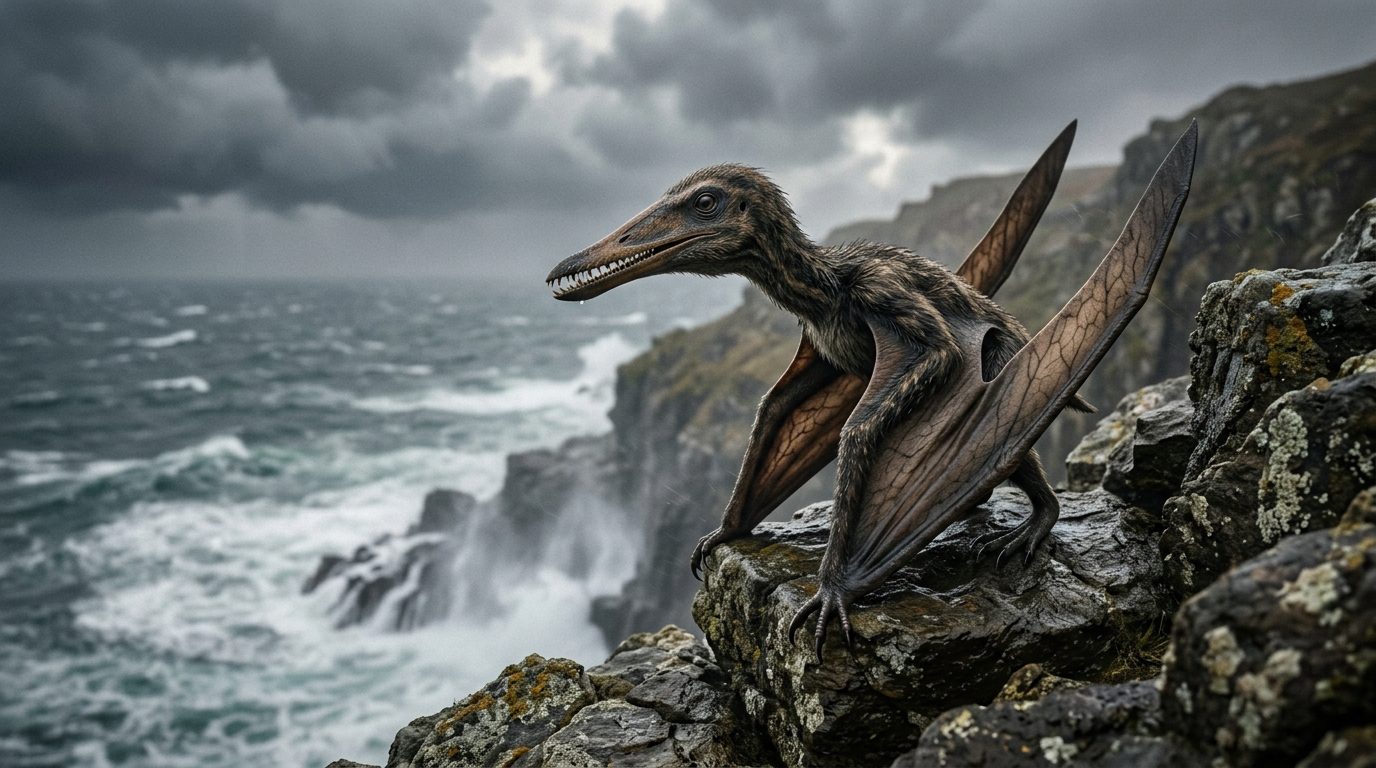
The story of vertebrate dominance on our planet is a sweeping epic written in bone, stone, and deep time. While popular culture often focuses exclusively on giant dinosaurs stomping through prehistoric jungles, the true narrative is far more intricate and surprising. At the heart of this ancient saga lies the prehistoric evolution of reptiles, a magnificent biological radiation that branched out into soaring flyers, ocean leviathans, and the direct ancestors of both birds and mammals. To truly understand how modern wildlife came to be, we must look far back into the Paleozoic and Mesozoic eras, where a single branch of four-limbed creatures split into two distinct lineages: synapsids and sauropsids. This monumental divergence set the stage for a multi-million-year crucible of adaptation, survival, and fierce evolutionary competition.
Investigating the deep history of life requires mapping out how the evolution of reptiles birds and mammals interconnected through massive global crises. Far from evolving in isolation, these major groups developed side-by-side, reacting to each other’s ecological pressures, shifting climates, and catastrophic mass extinctions. By examining the mesozoic era animal evolution timeline, scientists can track how tiny, shivering nocturnal creatures outlasted towering apex predators, and how ground-dwelling scaled beasts eventually took to the skies wrapped in brilliant plumage. Unlocking these ancient evolutionary pathways transforms our understanding of biology, revealing that the traits defining modern animals—such as warm-bloodedness, parental care, and complex brains—were forged in the fires of prehistoric adversity.
The Great Amniote Split and the Permian Foundation
The Invention of the Amniotic Egg
Long before the first dinosaur ever walked the earth, early tetrapods took a giant leap away from the water by developing a revolutionary biological package: the amniotic egg. This self-contained capsule allowed embryonic life to develop safely on dry land without needing to return to ponds or rivers, effectively cutting the evolutionary umbilical cord connecting vertebrates to aquatic habitats. This breakthrough kicked off the how did reptiles evolve in prehistoric times narrative, as primitive amniotes rapidly diversified into two major factions based on the openings behind their skull eye sockets. These two factions, known as synapsids and sauropsids, represented the foundational divide for everything from lizards and eagles to whales and humans.
Synapsids and the Rise of Mammal-Like Ancestors
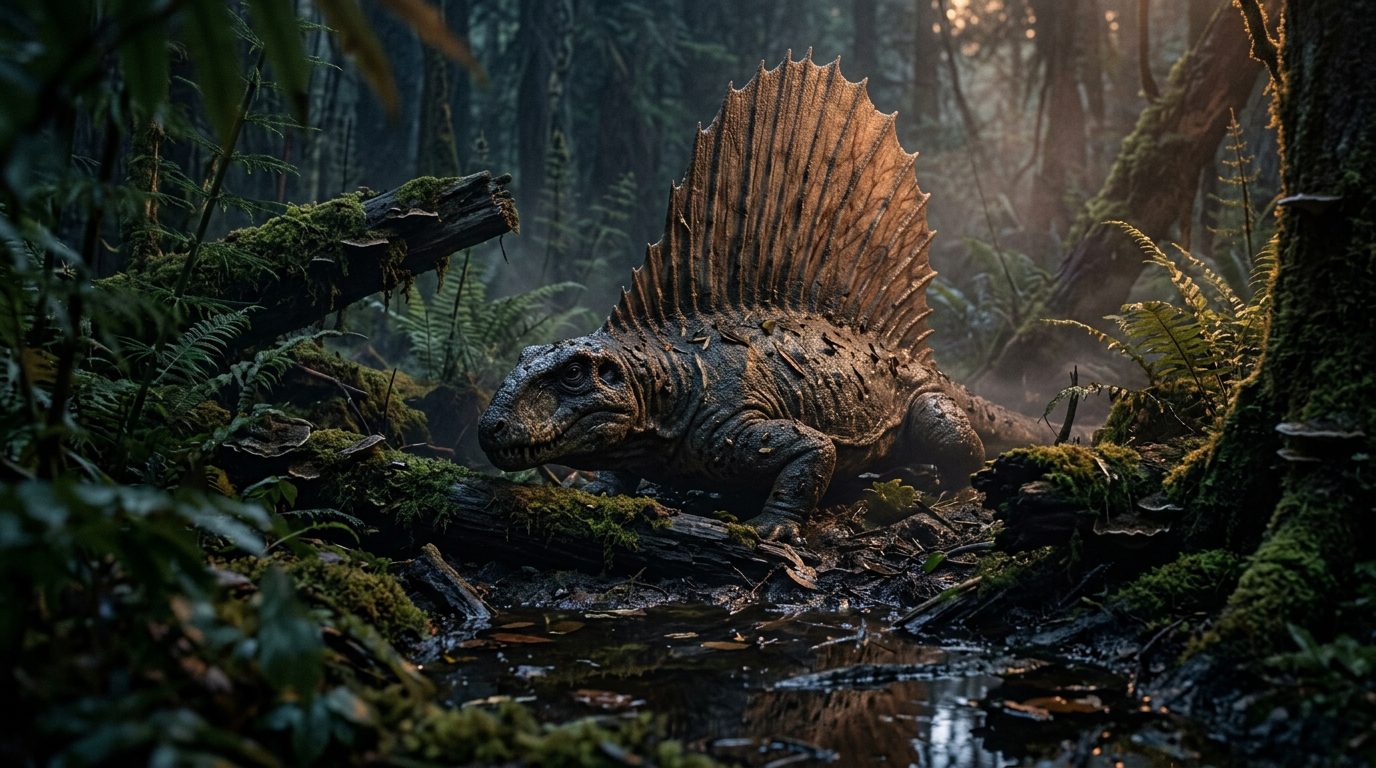
The synapsid lineage, characterized by a single temporal fenestra behind each eye, produced a fascinating group of creatures often misunderstood by the public. When exploring whether creatures like dimetrodon mammal or reptile ancestor fit into modern classifications, scientists clarify that Dimetrodon was actually a non-mammalian synapsid more closely related to you than to any dinosaur. These creatures dominated the early Permian landscape, displaying early traits of warm-bloodedness, specialized teeth, and sprawling postures. Through continuous adaptation, these early synapsids transitioned into advanced cynodonts ancestors of modern mammals, slowly shedding their reptilian scale armor, developing fur, and shrinking in size to survive hostile environments.
Surviving the Permian Cataclysm
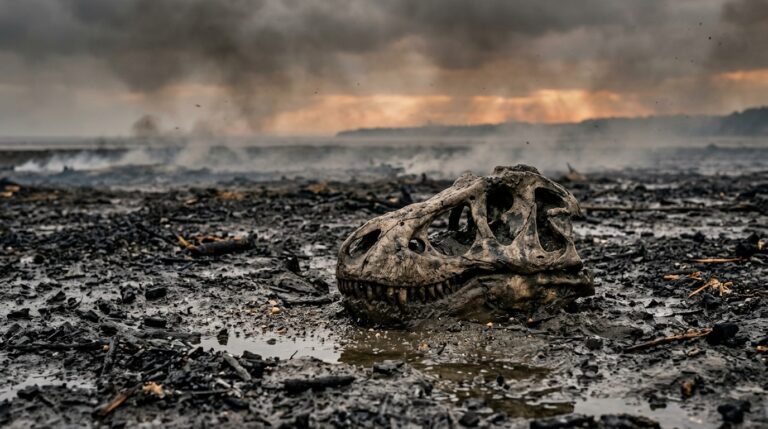
This thriving early ecosystem came to a screeching halt at the end of the Permian period during the most devastating mass extinction in Earth’s history. Over ninety percent of marine species and seventy percent of terrestrial life were wiped out by massive volcanic activity and runaway greenhouse warming. However, a resilient group of permian triassic mass extinction survivors managed to dig burrows, hide in dense vegetation, and endure the toxic atmosphere. Among these survivors were small, inconspicuous cynodonts and hardy archosauromorphs, proving that adaptability, high metabolic efficiency, and small body sizes were the ultimate tickets to surviving planetary armageddon.
Archosaurs and the Sauropsid Explosion
The Rise of the Ruling Reptiles
As the Triassic period began, the surviving sauropsid branch exploded into an extraordinary array of forms known as archosaurs, or “ruling reptiles.” These creatures featured upright leg postures positioned directly beneath their bodies, allowing for faster movement and higher energy efficiency than their sprawling predecessors. Tracing the archosaurs and the rise of dinosaurs reveals how these agile predators and herbivores quickly seized ecological dominance across the supercontinent of Pangaea. While early mammals remained small and hidden in the shadows, archosaurs branched into armored phytosaurs, early crocodilians, and nimble bipedal runners that would eventually evolve into the iconic giants of the Mesozoic era.
Taking to the Skies: The Evolution of Flight
Not content with conquering the land, the sauropsid lineage developed specialized adaptations to master the open air. The evolution of flight in prehistoric reptiles stands as one of the most remarkable triumphs of natural selection, driven by the emergence of pterosaurs. These flying reptiles were not dinosaurs, but close cousins equipped with lightweight hollow bones, elongated fourth fingers supporting vast skin membranes, and sophisticated brain structures capable of calculating complex aerial navigation. Examining the pterosaurs flight adaptation history shows a steady progression from small, long-tailed insect-eaters to massive giraffe-sized gliders like Quetzalcoatlus, which hunted across ancient shorelines with wingspans matching modern fighter jets.
The Marine Invaders of Mesozoic Seas
While some reptiles took to the skies, others plunged back into the global oceans, undergoing radical anatomical transformations to dominate marine ecosystems. The prehistoric seas became hunting grounds for ichthyosaurs, plesiosaurs, and mosasaurs—reptiles that re-evolved flippers, streamlined bodies, and in some cases, live-birth reproductive strategies. A comparative anatomy of prehistoric vertebrates reveals how these marine reptiles adapted their skeletal structures to water without ever losing their air-breathing lung systems. Their predatory success demonstrates the profound flexibility of the reptilian blueprint, proving that natural selection could reshape a land-dwelling animal into an ocean-going torpedo within a remarkably short geological timeframe.
Feathers and Flight: The Transformation of Dinosaurs into Birds
The Dinosaurian Ancestry of Modern Avian Life
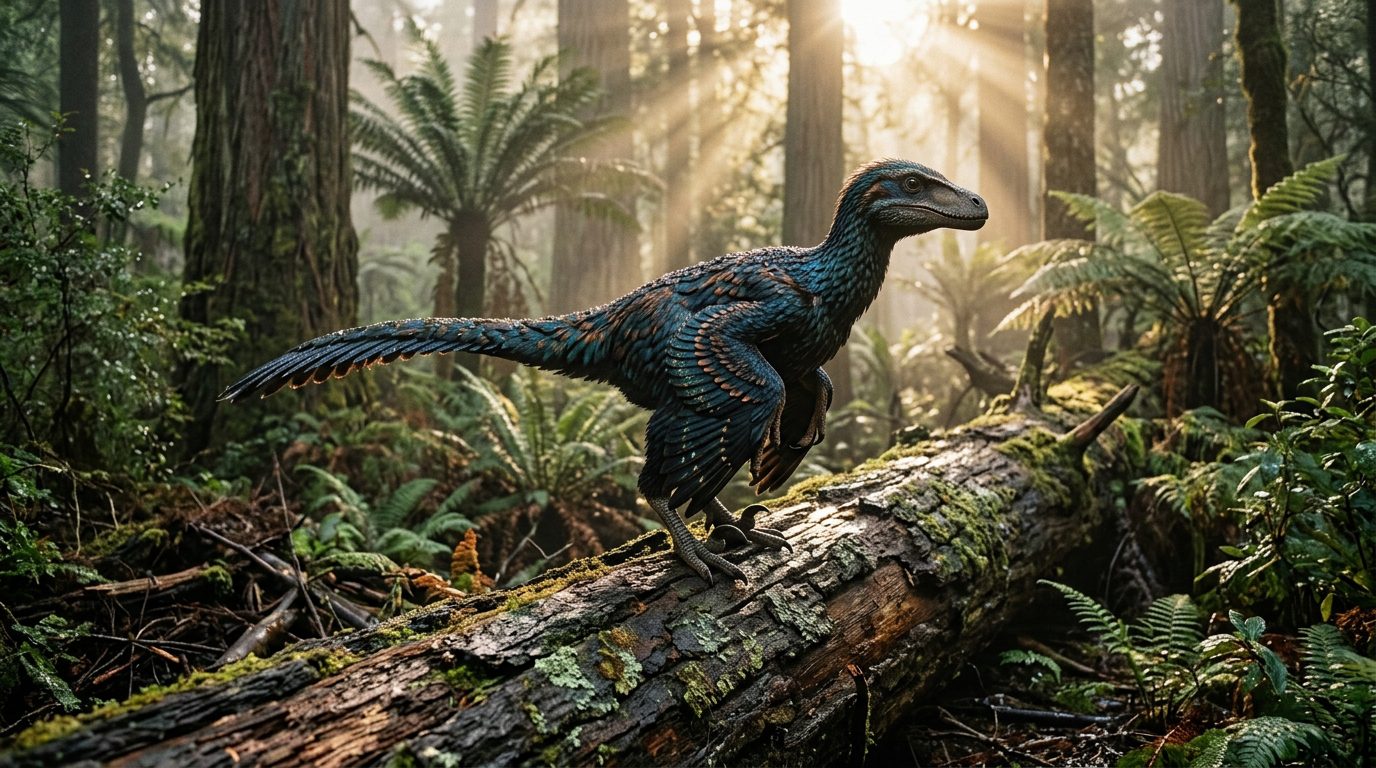
For decades, popular science treated birds and dinosaurs as entirely separate entities, but modern paleontology has shattered that artificial boundary. The origin of birds from theropod dinosaurs is now universally accepted, backed by an overwhelming mountain of fossil evidence discovered across global sites. When analyzing the archaeological evidence of feathered dinosaurs, researchers point to incredible fossil finds from Liaoning, China, which preserve delicate carbonized impressions of primitive fuzz, branching proto-feathers, and complex flight vanes on small carnivorous dinosaurs like Sinosauropteryx and Archaeopteryx.
The Multi-Stage Evolution of Feathers
The development of plumage did not start as an adaptation for flight; instead, the theropod dinosaur feather evolution stages indicate that feathers initially evolved for thermal insulation, camouflage, and display behaviors in small, agile predators. Over millions of years, natural selection refined these simple filamentous structures into asymmetric, aerodynamic vanes capable of generating lift. Small, tree-climbing or ground-running theropods began using feathered arms for gliding between branches, breaking falls, or trapping fleeing prey. This gradualistic approach represents a textbook example of exaptation, where a biological trait shifts its primary function over time to open up entirely new ecological zones.
Surviving the Fall of the Titans
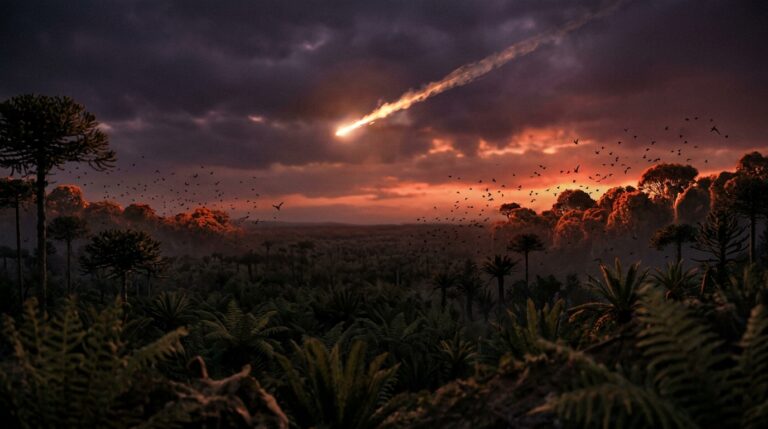
When the catastrophic Chicxulub asteroid impact struck Earth 66 million years ago, it obliterated non-avian dinosaurs, marine reptiles, and pterosaurs in a blinding flash of fire and prolonged darkness. Yet, the lineage of feathered theropods managed to persevere. Small, seed-eating, ground-nesting proto-birds survived the initial impact winter by utilizing their beaks to forage beneath debris and enduring harsh conditions underground or in protected woodland niches. This survival cemented the ultimate avian victory, allowing the evolution of reptiles birds and mammals to enter a new post-apocalyptic chapter where surviving bird lineages radiated rapidly into the thousands of feathered species we see today.
In the Shadows: The Secret Triumph of Early Mammals
Navigating the Nocturnal World
While dinosaurs and pterosaurs ruled the sunlit world during the Mesozoic era, early mammals lived a precarious existence on the absolute periphery of ecosystems. Confined to a nocturnal lifestyle to avoid being hunted by daytime reptilian predators, the nocturnal survival of early mammals required intense evolutionary upgrades. To navigate pitch-black forests, these tiny, shrew-like creatures evolved oversized brains for processing complex auditory and olfactory information, alongside highly sensitive whiskers and specialized inner ear bones derived from old reptilian jaw joints.
Warm-Bloodedness and Metabolic Warfare
Living in the dark also placed extreme demands on their internal body temperature regulation. The first mammals on earth characteristics included the development of endothermy—warm-bloodedness—alongside specialized mammary glands for nursing young and diverse tooth patterns capable of grinding insects, seeds, and early fruits. This metabolic shift created a stark biological divide in the transition from reptiles to mammals, as endothermy required a massive, constant intake of food compared to cold-blooded reptiles. Mammals had to eat constantly just to stay alive, a high-cost strategy that initially kept their body sizes small but built a resilient physiological engine.
The Paleocene Explosion and Mammalian Dominance
When the great extinction cleared the ecological slate at the end of the Cretaceous, the surviving mammals possessed a distinct advantage. Their ability to regulate body temperature, nurse young with milk, and hide in burrows allowed them to endure the cold impact winter far better than large ectothermic reptiles. During the paleocene recovery of mammals and birds, these tiny survivors emerged from the shadows to inherit an empty, resource-rich planet. Over the ensuing millions of years, they underwent an explosive adaptive radiation, growing in size, diversifying into hoofed grazers, aquatic whales, flying bats, and eventually, bipedal primates.
The Interconnected Tapestry of Vertebrate History
Mapping the Milestones of Deep Time
When we step back to review the key milestones in vertebrate evolution history, a breathtaking pattern emerges. Life is not a linear ladder of progress, but a branching web of survival, catastrophe, and reinvention. Every major group—reptiles, birds, and mammals—faced near-total annihilation multiple times over the course of the Paleozoic and Mesozoic eras. Yet, each crisis acted as an evolutionary crucible, burning away stagnant lineages and forcing surviving species to innovate, adapt, and colonize new frontiers.
The Enduring Legacy of Ancient Adaptations
Today, the legacy of these prehistoric transformations surrounds us in everyday life. The scales on a snake’s belly, the feathers of a backyard cardinal, and the fur of a domestic dog are all living testaments to millions of years of evolutionary trial and error. By understanding how these ancient lineages split, competed, and intertwined, we gain a profound appreciation for the fragility and resilience of biodiversity on Earth. The deep history of vertebrates reminds us that adaptation is the ultimate key to survival in a constantly changing world.
Prehistoric Periods Explained: Mesozoic Era Secrets Revealed
The Shocking Truth: When Did the First Soft and Hard Shells in Animals Form?
What Period Was the Paleozoic Really? The Answer Will Surprise You
Summary
-
The amniotic egg was a revolutionary evolutionary breakthrough that allowed early tetrapods to reproduce on dry land without returning to water.
-
Non-mammalian synapsids like Dimetrodon and early cynodonts formed the ancestral lineage that ultimately led to modern mammals.
-
Archosaurs exploded in diversity during the Triassic period, giving rise to dominant dinosaurs, flying pterosaurs, and predatory marine reptiles.
-
Birds are living theropod dinosaurs, with feathers evolving initially for insulation and display before adapting for flight.
-
Early mammals survived the Mesozoic era by adopting a nocturnal lifestyle, developing warm-bloodedness, and expanding their brains.
Frequently Asked Questions
Did mammals evolve from dinosaurs?
No, mammals did not evolve from dinosaurs. Both groups evolved from a common four-limbed ancestor, but they split into separate lineages early on: dinosaurs belong to the sauropsid branch (alongside modern reptiles and birds), while mammals belong to the synapsid branch.
How did feathers evolve if they weren’t originally for flight?
Early proto-feathers started as simple filamentous fuzz used for thermal insulation, camouflage, and social display. Over millions of years, natural selection refined these structures into complex vanes capable of supporting aerodynamic flight.
Why were early mammals so small during the age of dinosaurs?
Early mammals remained small because dominant dinosaur predators occupied all major daytime ecological niches. To survive, mammals shrank in size, adopted a nocturnal lifestyle, and developed high-metabolism warm-bloodedness.
Are birds considered reptiles in modern science?
Yes! In modern phylogenetic classification, birds are classified as avian dinosaurs, which places them firmly within the reptile clade. They share a common reptilian ancestor with crocodiles, lizards, and snakes.
How did marine reptiles breathe underwater if they evolved from land animals?
Marine reptiles such as ichthyosaurs and plesiosaurs evolved from land-dwelling ancestors that possessed lungs. Because they never re-evolved gills, they had to surface regularly to breathe atmospheric air, much like modern whales and dolphins.
Experience Deep History Today
Curious to explore more thrilling deep-dive investigations into ancient Earth history, evolutionary marvels, and lost prehistoric worlds? Dive deeper into our expansive library of scientific deep-dives, detailed guides, and historical breakthroughs. Explore our full article archive today to continue your journey through deep time!