Befrey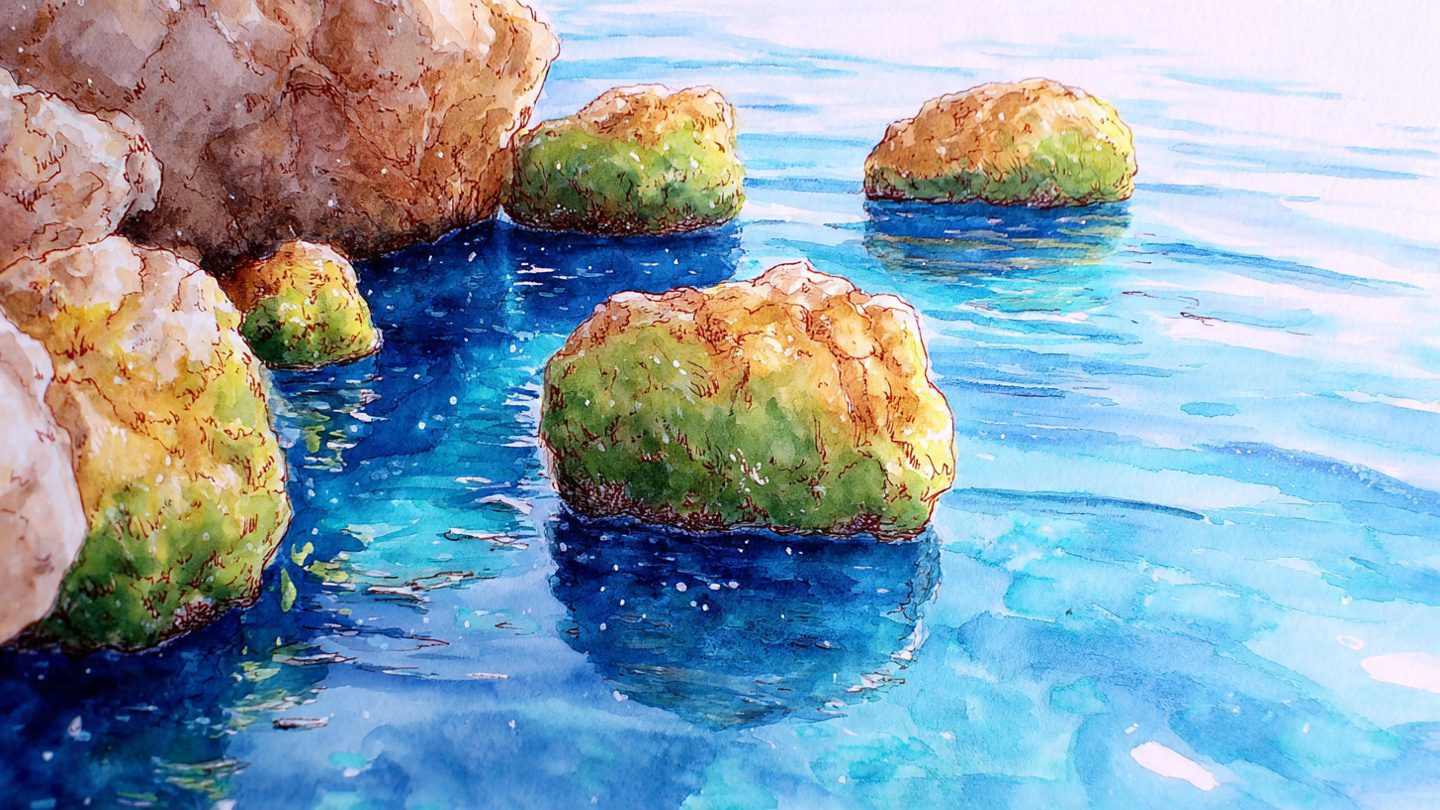
The Preshistory Archaic (formation of the first forms of life) represents one of the most fascinating and transformative chapters in the history of our planet. During this ancient period, Earth transitioned from a hostile world dominated by volcanic activity and extreme environmental conditions into a planet capable of supporting the earliest living organisms. Scientists often associate the Preshistory Archaic (formation of the first forms of life) with the broader Archaean Eon, a geological era when the first biological systems began to emerge. . The study of the Preshistory Archaic (formation of the first forms of life) combines insights from geology, chemistry, microbiology, and planetary science. Understanding this period helps researchers answer one of humanity’s most profound questions: how did life begin on Earth? By examining ancient rocks, fossilized microbial structures, and molecular evidence, scientists continue to reconstruct the remarkable story of life’s earliest beginnings.
The Early Earth Environment Before the Emergence of Life
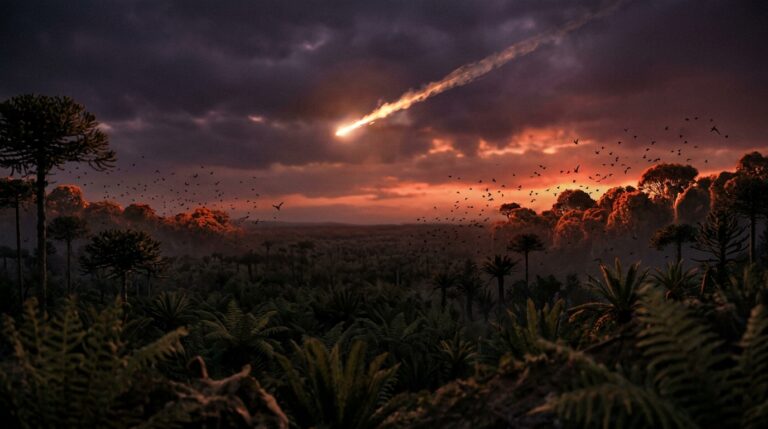
Before the Preshistory Archaic (formation of the first forms of life) began, Earth existed in a dramatically different state from the planet we know today. The young Earth formed approximately 4.5 billion years ago from dust and gas surrounding the early Sun. During this time, the planet experienced intense bombardment from asteroids and comets. These impacts released enormous amounts of energy and reshaped the surface repeatedly.
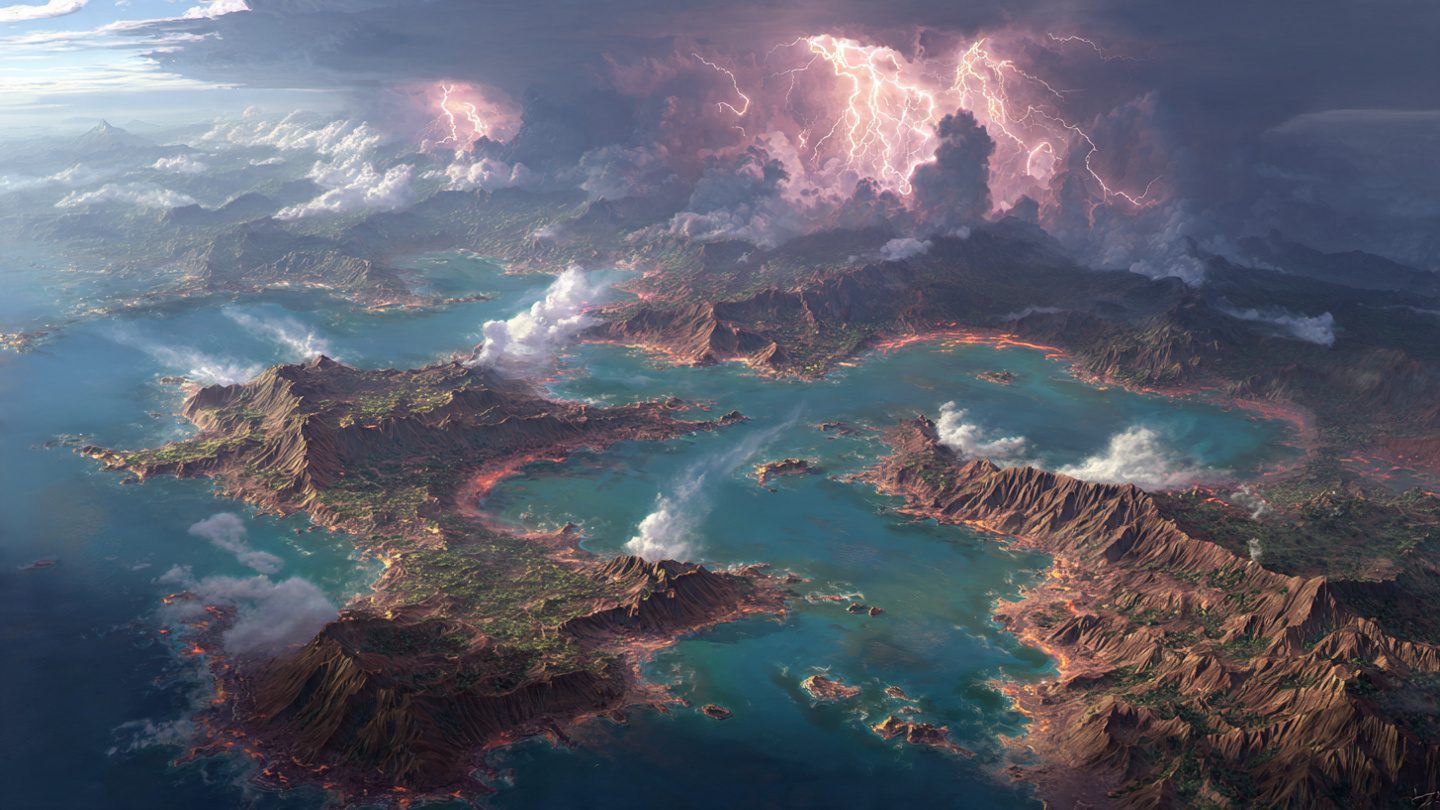
Volcanic activity dominated the landscape of the early planet. Vast eruptions released gases such as carbon dioxide, methane, ammonia, and water vapor into the atmosphere. Oxygen, which is essential for many modern organisms, was almost completely absent during this time. The atmosphere was thick, chemically reactive, and very different from the oxygen-rich air humans breathe today.
As Earth gradually cooled, water vapor condensed and formed the first oceans. These ancient oceans became chemical laboratories where complex reactions could occur. Minerals dissolved into seawater, creating a mixture of elements necessary for biological chemistry. Energy sources such as lightning, ultraviolet radiation, and geothermal heat drove chemical reactions that produced increasingly complex molecules.
Scientists believe that these environmental conditions created the perfect stage for the Preshistory Archaic (formation of the first forms of life). The combination of water, energy, and chemical building blocks allowed organic molecules to assemble and interact. Over long periods of time, these molecular interactions may have eventually produced the earliest biological structures.
Chemical Evolution and the Origin of Organic Molecules
The Preshistory Archaic (formation of the first forms of life) begins with the emergence of complex organic molecules. Life as we understand it depends on molecules such as amino acids, nucleotides, and lipids. These compounds form the building blocks of proteins, genetic material, and cellular membranes.
One of the most influential ideas explaining the origin of these molecules is the concept of chemical evolution. According to this theory, simple inorganic compounds gradually transformed into more complex organic molecules through natural chemical reactions. These reactions occurred in environments such as shallow pools, deep-sea hydrothermal vents, and volcanic coastlines.
Laboratory experiments have demonstrated that many organic molecules can form under conditions similar to those of early Earth. When mixtures of simple gases are exposed to electrical sparks or ultraviolet radiation, they produce amino acids and other biologically relevant compounds. These results suggest that the chemical precursors of life could arise naturally in the right environmental conditions.
Hydrothermal vents located on the ocean floor may have played an especially important role in the Preshistory Archaic (formation of the first forms of life). These vents release mineral-rich fluids heated by Earth’s internal energy. The chemical gradients and temperature differences around these vents create environments where complex molecules can assemble and interact.
Over time, these chemical processes may have produced molecules capable of storing information and catalyzing reactions. Such molecules represent critical steps toward the development of the first living systems.
The Emergence of the First Cellular Structures
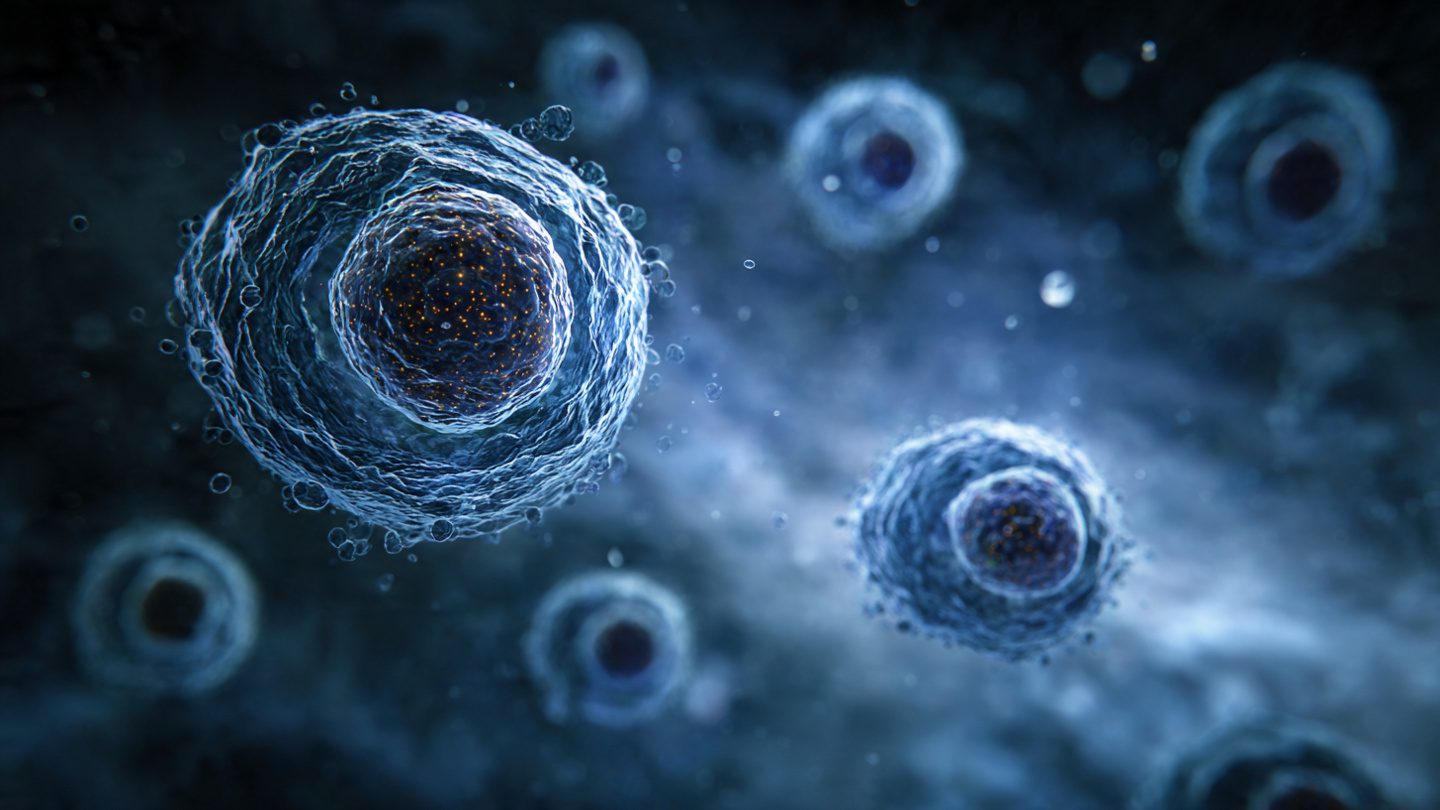
One of the most important milestones in the Preshistory Archaic (formation of the first forms of life) was the emergence of the first cellular structures. A cell is the smallest unit of life capable of maintaining its own internal environment and performing essential biological functions.
Early cells were extremely simple compared to modern organisms. They lacked specialized internal structures such as nuclei and mitochondria.
The formation of cellular membranes was a critical step in this process. Membranes made from lipid molecules created protective boundaries that separated internal chemical reactions from the surrounding environment. This separation allowed early biological systems to maintain stable conditions necessary for complex chemistry.
Cells that could reproduce more efficiently or adapt to environmental changes gradually became more common. Over millions of years, these early organisms diversified and developed new metabolic strategies.
The appearance of the first cellular life forms marks a defining moment in the Preshistory Archaic (formation of the first forms of life). From this point forward, biological evolution became the primary driver of change on the planet.
Stromatolites and the Earliest Fossil Evidence of Life
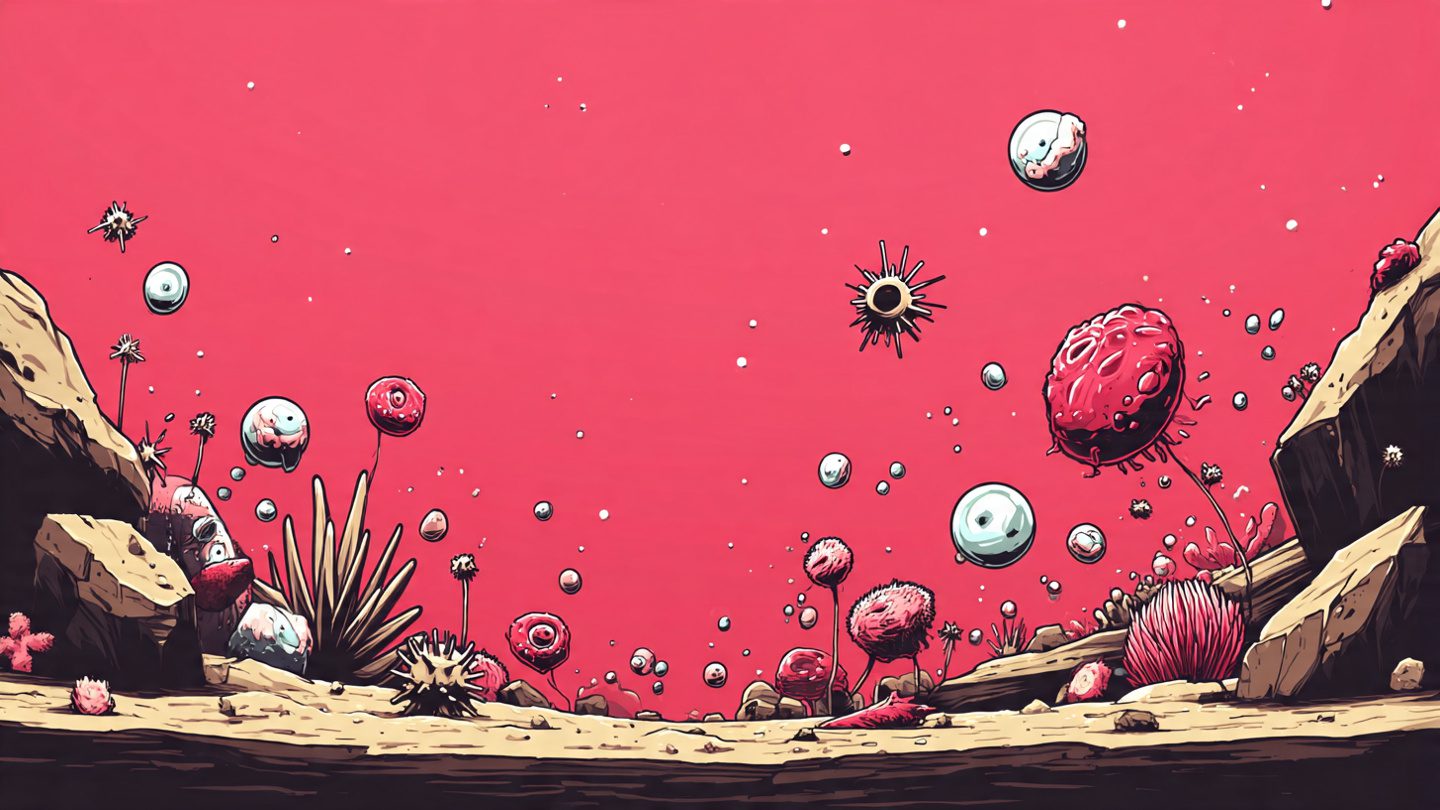
Evidence for the Preshistory Archaic (formation of the first forms of life) comes from ancient geological formations known as stromatolites. Stromatolites are layered structures created by colonies of microorganisms, particularly photosynthetic bacteria.
These microbial communities trap and bind sediment particles while producing sticky substances that hold layers together. Over time, the accumulation of these layers forms dome-shaped structures that can become fossilized in sedimentary rocks.
Some stromatolite fossils date back more than 3.5 billion years. These ancient structures provide some of the earliest direct evidence of life on Earth. Their presence indicates that microbial ecosystems were already well established during the early stages of the Archaean Eon.
Stromatolites also played an important role in transforming Earth’s atmosphere. The microorganisms that formed these structures often performed photosynthesis. Through this process, they converted carbon dioxide and sunlight into energy while releasing oxygen as a byproduct.
Although early oxygen production was limited, it gradually began to accumulate in the oceans and atmosphere. This slow buildup of oxygen would eventually lead to one of the most significant environmental transformations in Earth’s history.
The discovery of stromatolites provides valuable insight into the Preshistory Archaic (formation of the first forms of life) and demonstrates that microbial communities were already thriving billions of years ago.
The Great Oxygenation and the Transformation of Earth
As microbial life continued to evolve, the Preshistory Archaic (formation of the first forms of life) entered a new phase marked by the increasing influence of photosynthetic organisms. Cyanobacteria, a group of bacteria capable of oxygen-producing photosynthesis, played a central role in this transformation.
Before cyanobacteria became widespread, Earth’s atmosphere contained almost no free oxygen. Most organisms living at the time relied on anaerobic metabolic processes that did not require oxygen. The rise of photosynthetic microbes gradually changed this situation.
As cyanobacteria released oxygen into the environment, the gas began reacting with dissolved iron in the oceans. These reactions produced large deposits of iron oxide that eventually settled on the ocean floor. Today, these formations are known as banded iron formations and provide geological evidence of early oxygen production.
Eventually, oxygen began accumulating in the atmosphere. This transition, known as the Great Oxygenation Event, dramatically altered Earth’s chemistry. Many anaerobic organisms could not survive in the new oxygen-rich environment, leading to widespread extinction among early microbial communities.
At the same time, oxygen opened new evolutionary possibilities. Organisms capable of using oxygen for respiration could produce much more energy than anaerobic organisms. This increased energy efficiency later supported the evolution of more complex life forms.
The Great Oxygenation Event marks one of the most important outcomes of the Preshistory Archaic (formation of the first forms of life).
The Evolutionary Legacy of the Archaic Life Era
The Preshistory Archaic (formation of the first forms of life) established the biological foundations for all future evolution on Earth. During this ancient period, life developed the core biochemical systems that remain essential to organisms today.
The genetic code used by modern organisms likely originated during this time. Early molecular mechanisms for storing and copying genetic information became increasingly refined through natural selection. These mechanisms eventually evolved into the DNA-based systems used by modern cells.
Metabolic pathways also emerged during this period. Microorganisms developed ways to capture energy from sunlight, chemical reactions, and environmental resources. Many of these metabolic processes remain active in modern microbial communities.
The diversity of microbial life created complex ecosystems even in Earth’s earliest oceans. Microorganisms interacted through competition, cooperation, and nutrient cycling. These interactions shaped the chemical environment of the planet and influenced future evolutionary pathways.
By the end of this era, the biosphere was already a dynamic system composed of countless microbial species. These organisms laid the groundwork for the later emergence of complex cells, multicellular organisms, and eventually animals and plants.
The legacy of the Preshistory Archaic (formation of the first forms of life) continues to influence life on Earth today.
Summary
The Preshistory Archaic (formation of the first forms of life) represents the earliest chapter of biological history on Earth.Microbial life flourished in ancient oceans and created structures such as stromatolites that remain preserved in the geological record. Photosynthetic microorganisms gradually transformed Earth’s atmosphere through oxygen production, leading to the Great Oxygenation Event. These developments established the biochemical and ecological foundations for all later life forms.
Artificial Intelligence and Its Strange Uses
Strange Facts About the Human Body: Fascinating Things You Didn’t Know
Dark Matter and Dark Energy: Current Understanding and Cosmological Implications
FAQ
When did the first life forms appear on Earth?
Scientists estimate that the earliest life forms appeared more than 3.5 billion years ago during the Archaean Eon.
What were the first living organisms?
The earliest organisms were simple microbial cells similar to modern bacteria and archaea.
How did life begin from nonliving matter?
Life likely emerged through chemical evolution, where simple molecules gradually formed complex organic compounds capable of self-replication.
What evidence proves early life existed?
Fossilized stromatolites and chemical signatures in ancient rocks provide strong evidence of early microbial life.
Why is oxygen important for evolution?
Oxygen allows organisms to produce large amounts of energy through respiration, enabling the development of more complex life forms.
Call to Action
Curious about the origins of life and Earth’s ancient history? Continue exploring prehistoric science, evolution, and the fascinating story of how life began on our planet.