Befrey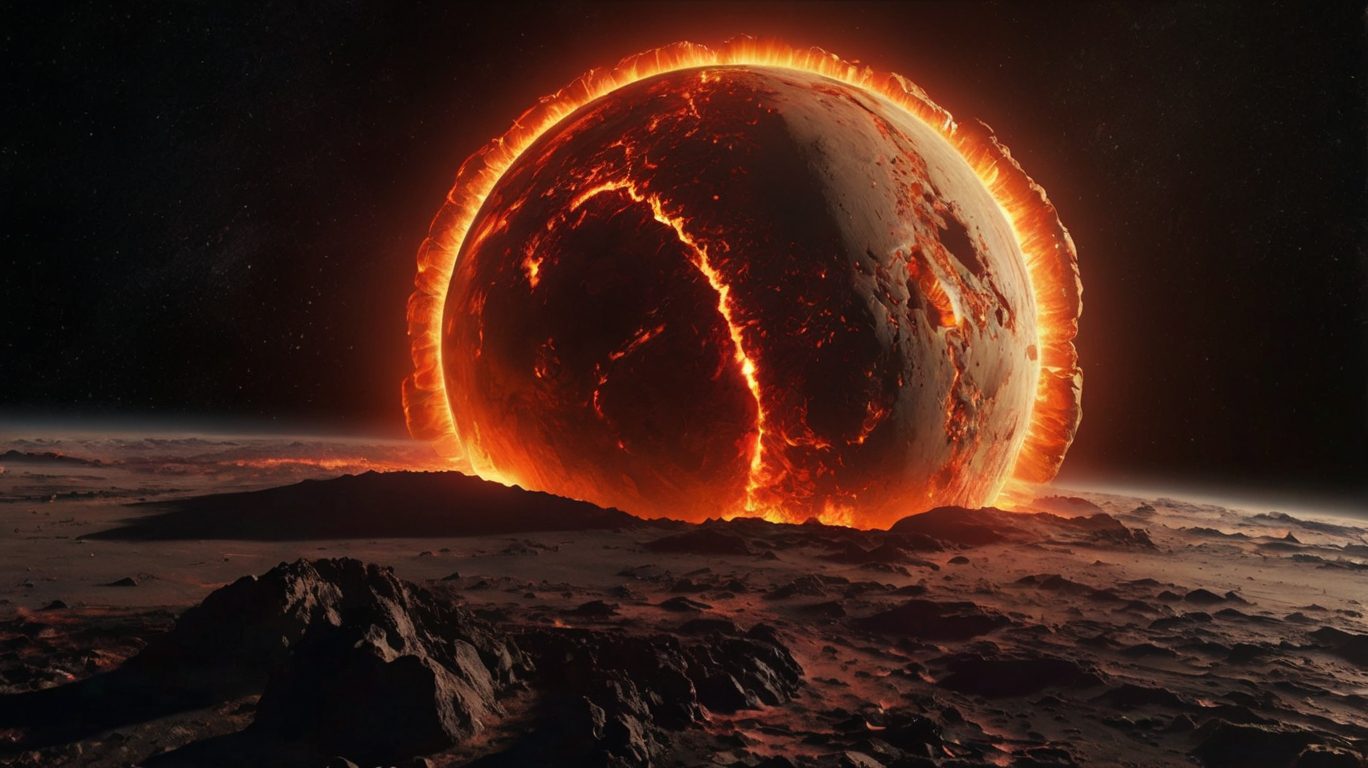
Introduction
Earth did not appear all at once. It grew step by step over a very long time. Scientists say the planet is about 4.54 billion years old. In this article, we explore the formation of Earth in clear, simple language. You will learn where our world came from, how it cooled, and why it keeps changing today.
A Cloud of Dust and Gas
Long before Earth existed, only dust and gas floated around our young Sun. This cloud is called a solar nebula. Tiny grains of rock and ice drifted through it in every direction.
-
Key point: The formation of Earth begins with a cloud, not a solid world.
-
Over time, gravity pulled the dust together. Small bits stuck to other bits. These first clumps were no larger than sand.
Gravity Builds Bigger Pieces
As clumps grew, their pull became stronger. They collided again and again, making larger bodies called planetesimals. Picture millions of rocky snowballs, each a few kilometers wide, circling the Sun.
-
Collisions released heat.
-
The pieces kept merging until some reached the size of our Moon.
-
One of these growing bodies was the early Earth.
The Early Earth Was Hot and Molten
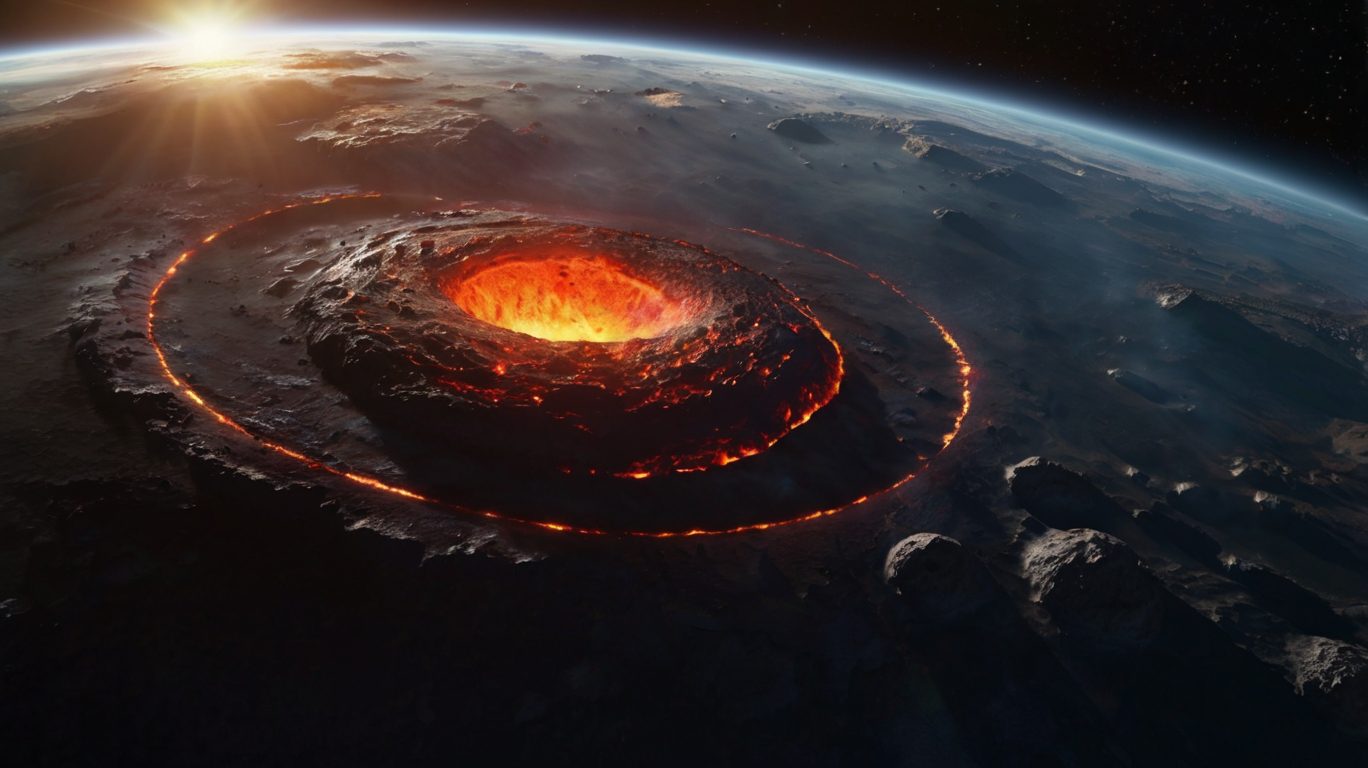
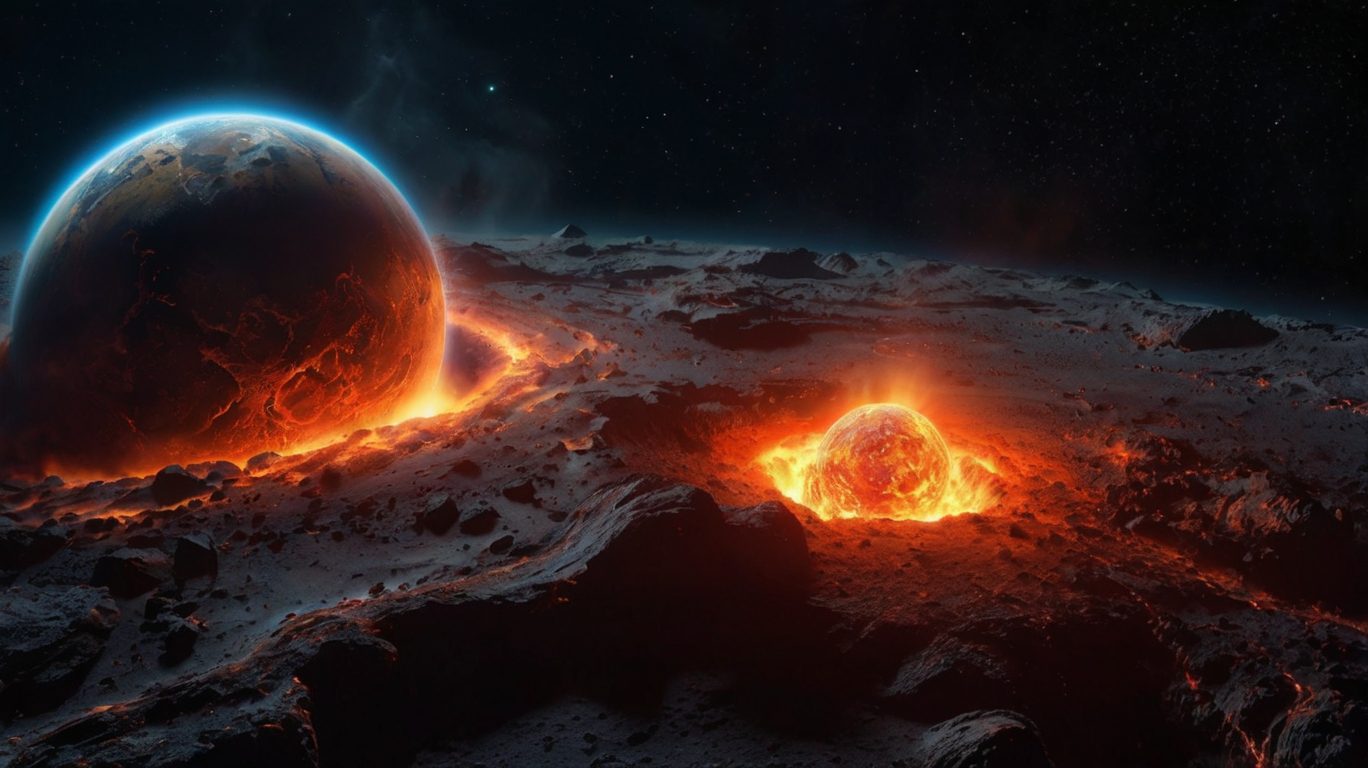
Early Earth was not calm or cool. It was a ball of melted rock. Why so hot?
-
Collisions: Each impact turned motion into heat.
-
Compression: As Earth’s mass increased, its center squeezed under its own weight.
-
Radioactive elements: Natural atoms broke apart and gave off heat.
Because of this heat, heavy metals such as iron and nickel sank toward the center. Lighter rocks floated up. This process made Earth’s core, mantle, and crust.
Cooling Creates the First Crust
After roughly 100 million years, Earth’s surface started to cool. A thin, cracked shell—our first crust—formed on top of the liquid rock below.
-
Cracks let lava rise and flow out, creating new land.
-
Volcanoes were common and released many gases.
Water Arrives and Oceans Form
Where did Earth’s water come from? Two main ideas exist, and both may be true:
-
Steam from inside: Volcanoes released water vapor. When the surface cooled enough, the vapor turned into rain.
-
Icy visitors: Comets and water-rich asteroids hit Earth, bringing extra water.
Over time, rain filled low areas and made the first oceans. Liquid water helped cool the planet even more.
The First Atmosphere Takes Shape
Early air was very different from today’s mix of oxygen and nitrogen.
-
Volcanoes supplied carbon dioxide, water vapor, and small amounts of other gases.
-
There was almost no oxygen at first.
-
Later, simple life in the oceans made oxygen as a waste gas. Slowly, oxygen built up in the air over billions of years.
This change set the stage for complex life to appear much later.
Moving Plates Shape the Land
Earth’s outer shell is broken into large pieces called plates. They float on the softer rock below and move a few centimeters each year.
-
When plates pull apart, new crust rises at mid-ocean ridges.
-
When they collide, one plate may sink, melting and feeding volcanoes.
-
These slow movements build mountain ranges and open ocean basins.
Plate motion is still active today, reminding us that the formation of Earth is an ongoing story.
Conclusion: Our Dynamic Planet
The formation of Earth began with space dust and never really stopped. Gravity, heat, and motion turned a cloud into the blue planet we know. Cooling made solid ground. Water gathered to form oceans. Air changed as life evolved. Moving plates continue to shape continents and seas.
Understanding this slow journey helps us see our home more clearly—and care for it wisely.