
 Befrey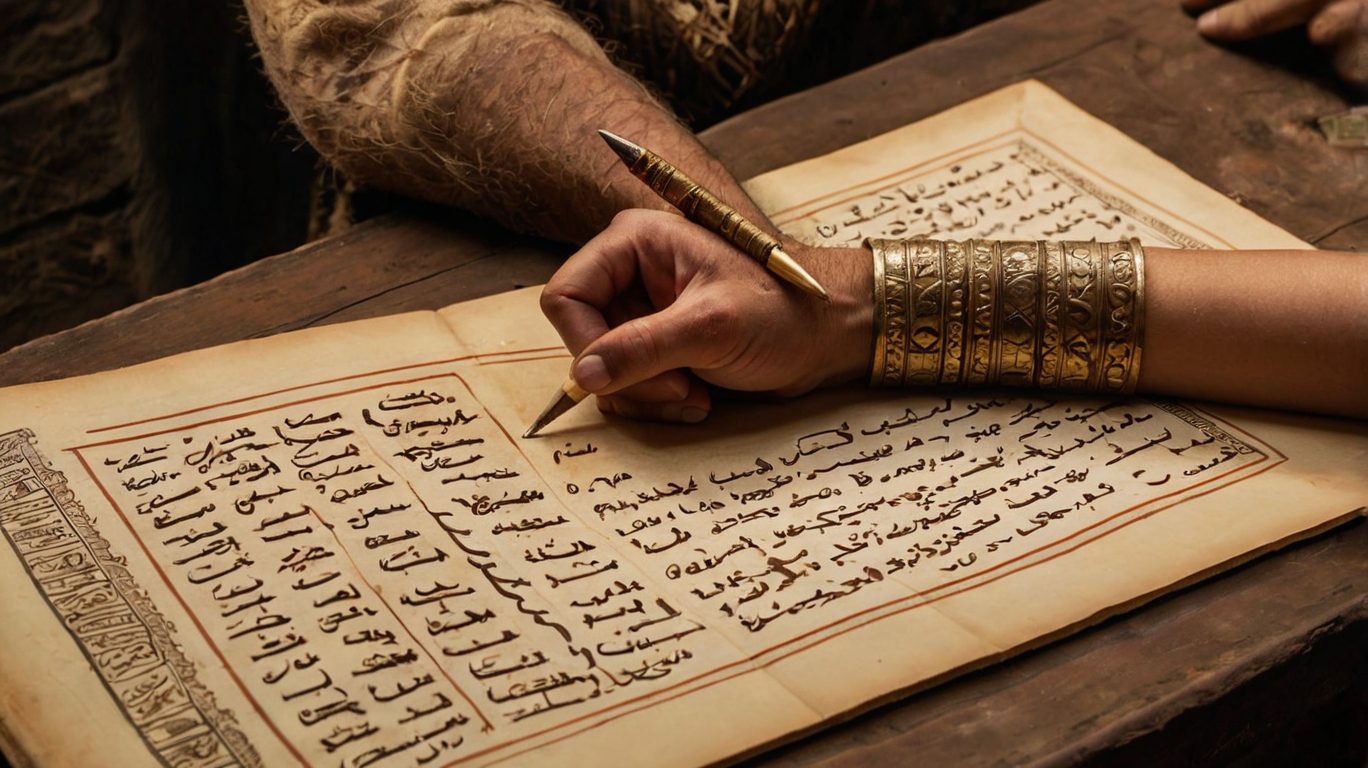
Writing is one of the most important human inventions. It allowed people to record information. It helped manage growing cities. It supported trade, religion, and government. The first system of writing was born in Mesopotamia. This happened around 3200 BC.
Mesopotamia was a land between two rivers: the Tigris and the Euphrates. Today, it is part of Iraq. People living there were called Sumerians. They built the first cities. They also created the first writing system.
Why Did Writing Begin?
Writing did not appear by accident. It was the answer to real needs.
1. Cities Were Growing
As more people lived together, life became complex. Leaders needed to keep track of food, goods, and people. Spoken words were not enough.
2. Trade Was Expanding
People traded grain, wool, fish, metal, and animals. They needed a way to track these exchanges. Writing made it possible to record deals clearly.
3. Taxes and Temples Needed Records
Kings and priests collected goods from the people. They had to count what came in and what went out. Writing helped make this fair and organized.
4. Memory Was Not Enough
Oral memory could not handle large amounts of information. Written signs could store data for a long time.
How Writing Developed
The first writing in Mesopotamia did not look like our writing today. It went through many stages.
A. Clay Tokens (around 8000 BC)
People used small clay objects to represent items. A round token meant a sheep. A cone might mean grain. These tokens helped in counting goods.
B. Bullae (around 3500 BC)
Merchants put tokens inside a hollow clay ball, called a bulla. They pressed marks on the outside to show what was inside. This was an early form of a receipt.
C. Pictographs (around 3300 BC)
People began drawing symbols directly on flat clay tablets. A simple picture showed a real object. A fish shape meant fish. A jar shape meant oil.
D. Cuneiform (around 3200 BC)
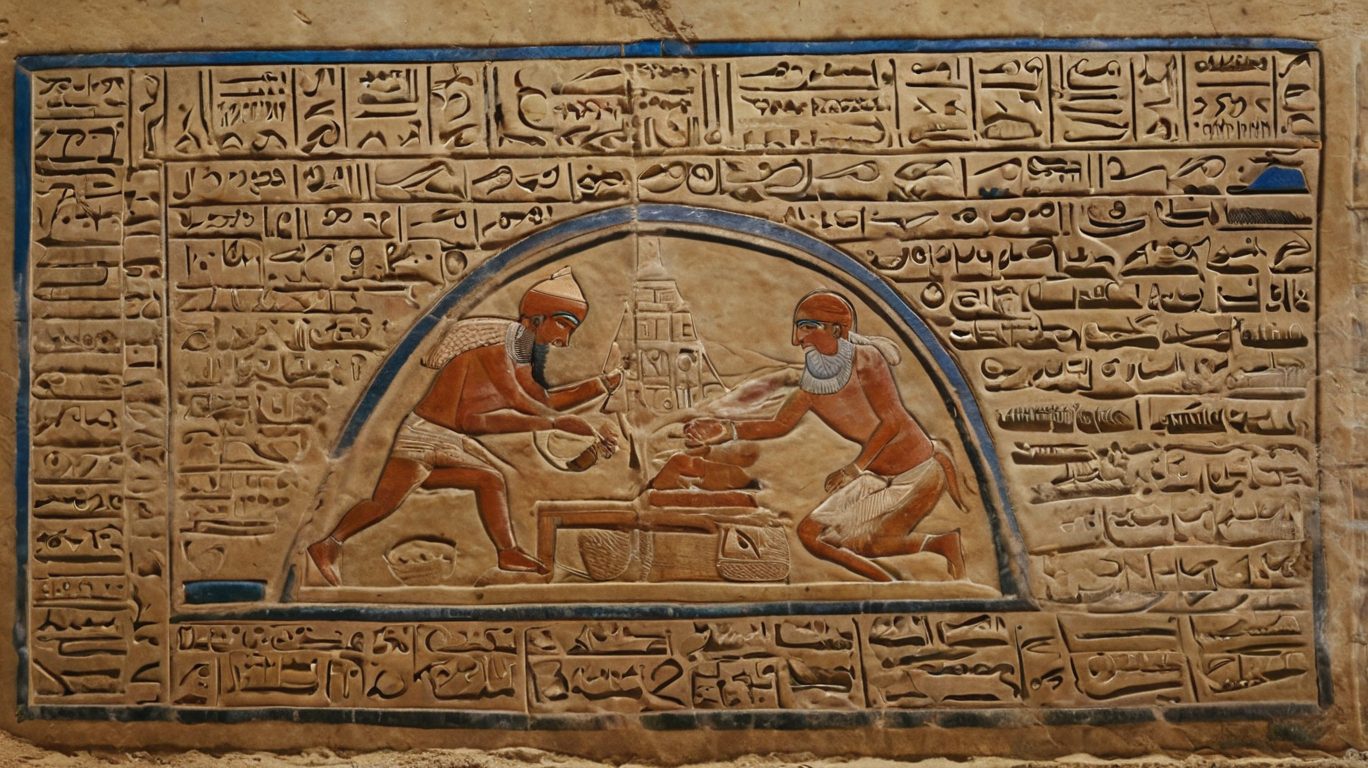
Soon, they used a stylus made from reed. They pressed wedge-shaped signs into clay. These shapes are called cuneiform, from Latin cuneus, meaning wedge. Over time, the symbols became less like pictures and more like signs.
What Did People Write?
At first, writing was used only for practical things.
1. Lists and Receipts
People wrote lists of food, tools, or workers. They recorded how much barley was given to each worker.
2. Property and Contracts
They wrote who owned land or animals. They recorded sales, marriages, and deals.
3. Laws and Rules
Later, rulers made laws and wrote them down. This helped keep order in the city.
4. Literature and Stories
After many years, people began writing myths, hymns, and poems. The Epic of Gilgamesh is one of the oldest stories ever written.
Who Were the Scribes?
Not everyone could write. Writing was hard to learn.
A. Scribe Schools
Boys from rich families went to school. These schools were called “tablet houses.” Students copied texts many times to learn writing.
B. Tools of Scribes
Scribes used clay tablets and reed pens. They needed water to keep the clay soft.
C. Jobs of Scribes
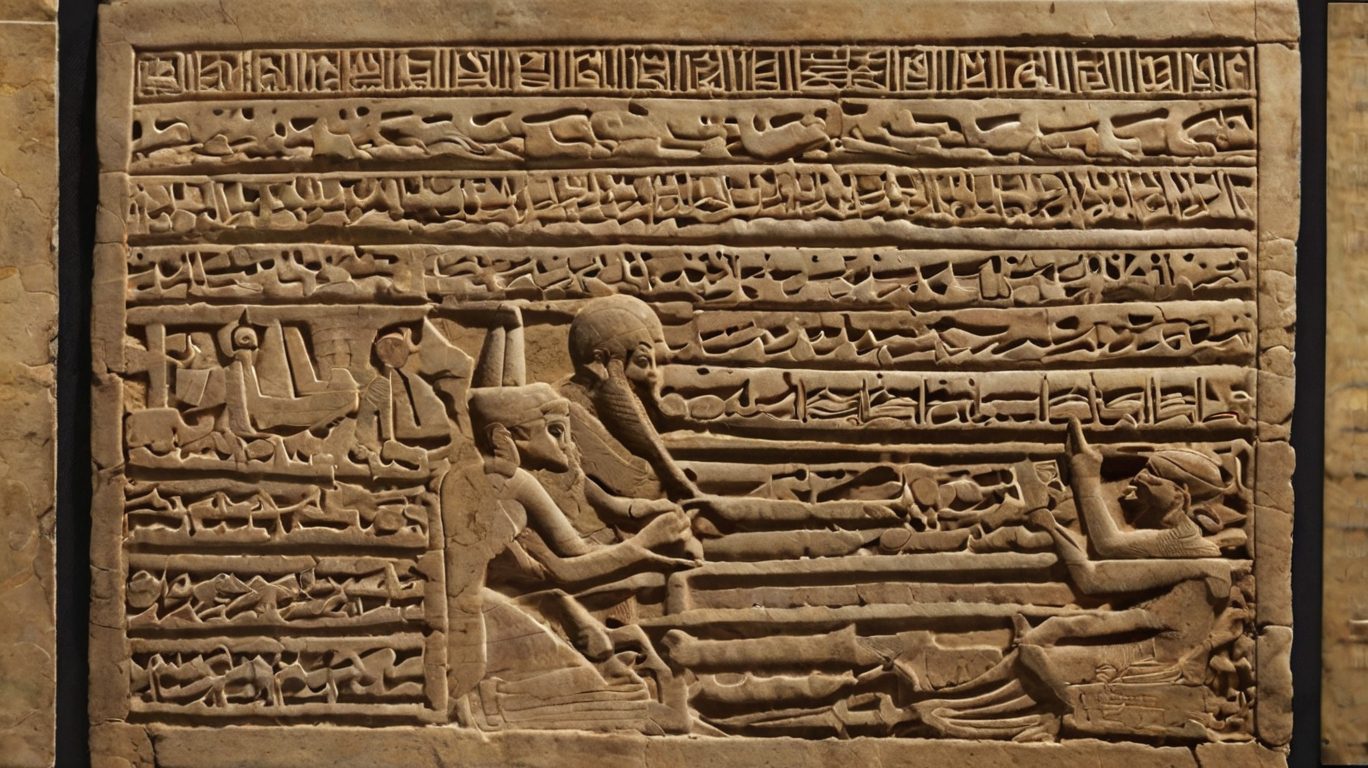
Scribes worked in temples, palaces, and markets. They kept records for kings, priests, and merchants. They were respected and important people.
What Was the Impact of Writing?
Writing changed life forever.
1. History Begins
Writing allowed people to record events. It turned memory into history.
2. Laws Became Clear
Rules were written. People could read them and know what was allowed.
3. Knowledge Spread
People could share ideas across time and place. This helped science and math grow.
4. Writing Spread
Other civilizations, like the Egyptians and Hittites, also began to write. Writing helped build empires.
5. Legacy
Cuneiform writing lasted more than 3000 years. Even today, scholars study it to learn about ancient life.
Timeline of the Development of Writing
| Year (Approx.) | Event |
|---|---|
| 8000 BC | Clay tokens used for counting |
| 3500 BC | Bullae used with marks |
| 3300 BC | Pictographs on clay tablets |
| 3200 BC | First cuneiform symbols |
| 2500 BC | Cuneiform used for stories and laws |
| 100 AD | Cuneiform finally stops being used |
Conclusion
The emergence of writing in Mesopotamia was a turning point in human history. It started with simple counting tools. It became a complex system of symbols. It supported the first cities, governments, and stories. Writing allowed humans to build civilization. It is one of our greatest inventions.





