
Alexander the Great’s Conquest of the Persian Empire (330 B.C.): How Did He Do It?
 Befrey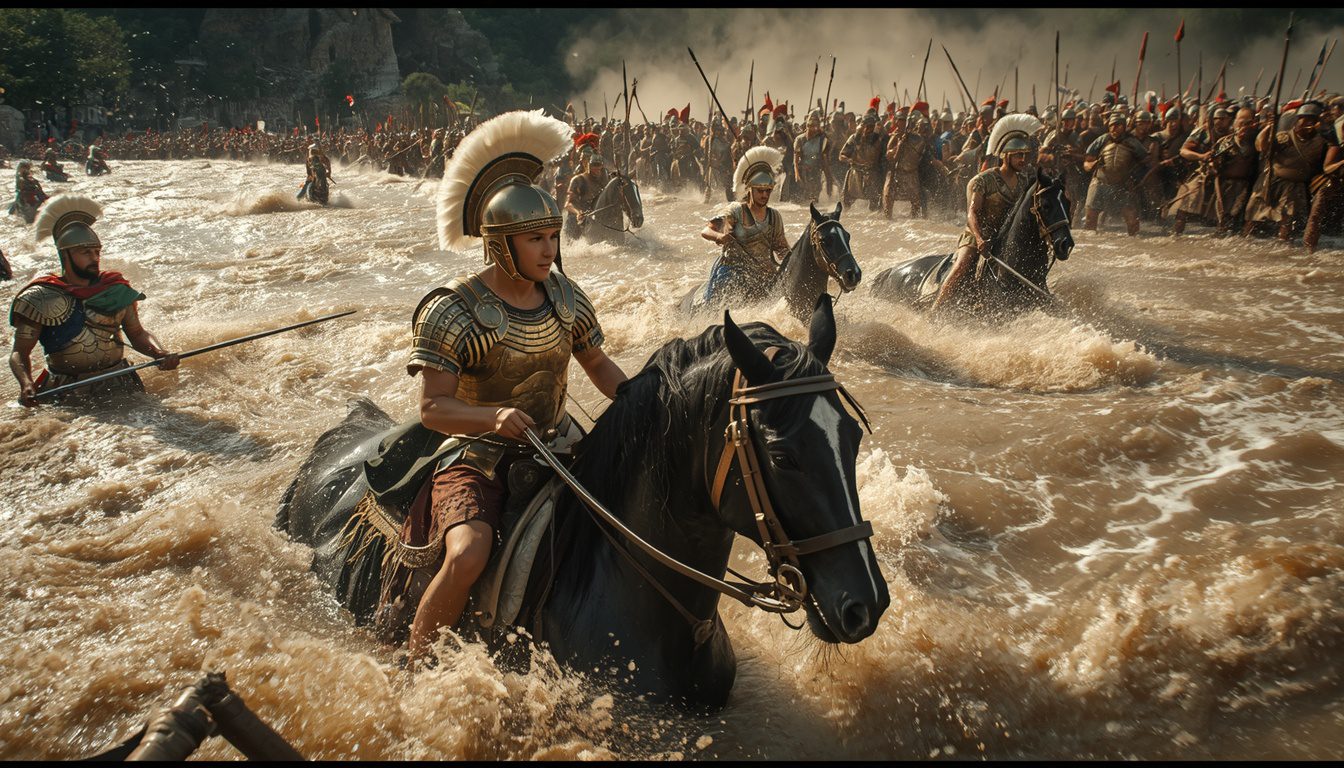
Alexander the Great’s Conquest of the Persian Empire (330 B.C.) stands as one of the most astonishing military achievements in human history. In a campaign that shattered the world’s greatest superpower, the young Macedonian king marched thousands of miles across deserts, mountains, and rivers. This monumental campaign ended centuries of Achaemenid dominance and reshaped global history forever. Known globally as Alexander’s overthrow of Persia, this brilliant military campaign brought the vast realm of King Darius III to its knees by 330 B.C. The fall of the Achaemenid Dynasty opened up an unprecedented era of cultural exchange between East and West. Historians still marvel at how a small European kingdom managed to dismantle an empire that stretched from Egypt to India. By examining the tactical brilliance, political maneuvering, and brutal siege warfare of this campaign, we uncover how a 20-year-old king reshaped the ancient world.
Battle of Granicus River Strategy and Tactics
The Battle of Granicus River strategy and tactics revealed Alexander’s aggressive tactical genius from the very beginning of his Asian campaign in 334 B.C. Facing a heavily fortified Persian defensive line along the muddy banks of the Granicus River, many Macedonian generals urged caution. Alexander refused to wait and ordered an immediate, daring cavalry charge directly across the fast-flowing water. He personally led the Companion Cavalry into the thickest part of the fighting, wearing bright armor with white feathers. Persian noblemen rallied to kill him, and Alexander came within inches of death before his commander Cleitus the Black severed the arm of an attacking Persian noble. The Macedonian phalanx followed the cavalry charge, breaking the Persian infantry line through disciplined coordination. This decisive opening victory shattered the illusion of Persian invincibility in Asia Minor and secured a crucial foothold for the invading force.
Battle of Issus Military Tactics Uncovered
The Battle of Issus military tactics uncovered how geography and decisive leadership can overcome overwhelming numerical superiority. In 333 B.C., King Darius III personally led a massive Persian army to intercept the Macedonians in a narrow coastal plain near modern-day Turkey. The restricted terrain prevented Darius from utilizing his vast numerical advantage and sweeping cavalry flanks. Recognizing the bottleneck, Alexander deployed his famous Macedonian phalanx in the center while holding his elite heavy cavalry on the right flank. Observing a slight gap in the Persian line, Alexander charged directly toward Darius III in his royal chariot. Terrified by the ferocity of the Macedonian assault, Darius fled the battlefield, causing widespread panic among his troops. The sudden retreat turned a competitive fight into a total Persian rout, leaving the royal family in Macedonian hands.
Siege of Tyre Military Engineering Breakthroughs
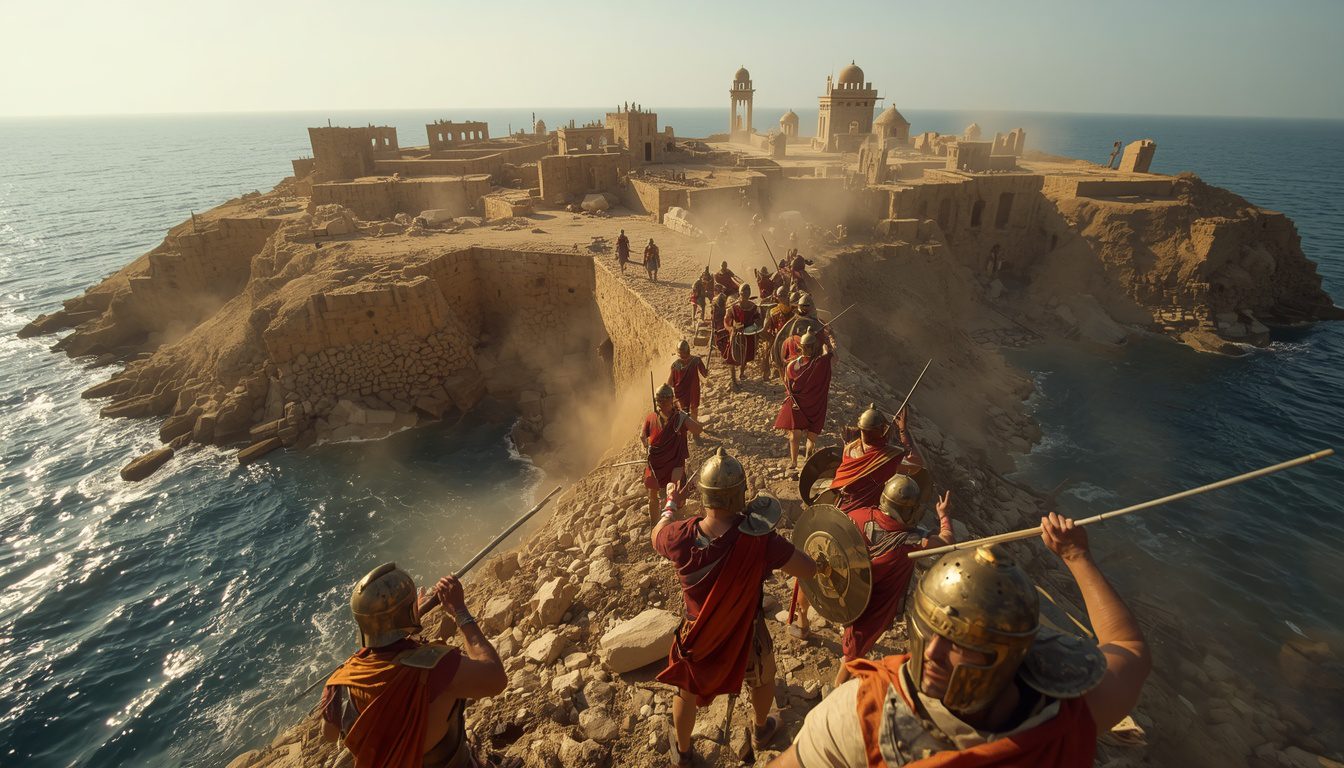
The Siege of Tyre military engineering breakthroughs demonstrated an incredible level of determination and strategic innovation in 332 B.C. The island city of Tyre was considered completely impregnable, sitting half a mile offshore behind massive stone walls. Rather than bypassing the fortress, Alexander ordered his engineers to construct a massive land bridge, or mole, directly through the sea toward the island. Persian naval ships and island defenders constantly bombarded the construction workers with fire arrows and heavy artillery. Alexander responded by building two massive wooden siege towers over 150 feet high, covering them in raw hides to prevent fire damage. He then assembled a coalition fleet of hundreds of ships from Sidon and Cyprus to blockade the island completely. After seven grueling months of engineering mastery, his battering rams breached the stone walls, securing the Mediterranean coastline.
Battle of Gaugamela Tactics and Collapse
The Battle of Gaugamela tactics and collapse marked the official death knell of the Achaemenid Empire in 331 B.C. Darius III selected a vast, flat plain near modern-day Iraq, intentionally flattening the ground to maximize his scythed chariots and war elephants. Alexander analyzed the field and executed an eccentric diagonal marching tactic that drew the Persian line out of position. As the Persian cavalry shifted left to match his movement, a massive gap opened in the center of their main formation. Alexander immediately formed his heavy cavalry into a wedge and drove violently straight into the opening toward Darius. Once again, Darius panicked under the direct assault and abandoned his army, triggering an immediate breakdown in Persian command. The victory at Gaugamela destroyed the main Persian fighting force and opened the gates to Babylon and Susa.
Burning of Persepolis Historical Controversy
The Burning of Persepolis historical controversy continues to provoke intense debate among historians, archaeologists, and scholars today. In 330 B.C., Alexander entered Persepolis, the ceremonial heart of the Achaemenid Empire, capturing immense royal treasuries filled with gold and silver. After months of occupation and celebratory drinking, a massive fire consumed the grand palace of Xerxes, destroying priceless architecture. Classical historians like Arrian and Plutarch offer conflicting accounts regarding whether the fire was a deliberate act of political revenge or an intoxicated accident. Some sources claim an Athenian woman named Thais incited Alexander to torch the palace as retribution for Xerxes burning Athens over a century earlier. Other accounts suggest it was a calculated political statement intended to signal that the old Persian order was permanently destroyed. Regardless of the true motive, the ashes of Persepolis symbolized the absolute conclusion of Persian imperial authority.

Fall of Darius III Death and Aftermath
The Fall of Darius III death and aftermath brought a tragic end to the ruler who had tried in vain to stop the Macedonian invasion. Following his defeat at Gaugamela, Darius fled eastward into the remote Bactrian provinces to assemble a new resistance army. However, his own regional governors, led by the ambitious satrap Bessus, lost all faith in his leadership and placed him in chains. As Alexander’s vanguard closed in on their retreat in 330 B.C., Bessus panicked and fatally stabbed Darius before abandoning his body by the side of a dirt road. Alexander found the dying Great King, covered him with his own royal cloak, and ordered a magnificent royal funeral in Persepolis. By hunting down Bessus and executing him for treason, Alexander presented himself as the rightful successor to the Persian throne, adopting Persian royal court customs and marrying Persian princesses.
The Death of Socrates (399 B.C.): Why Was He Executed?
The Battle of Marathon (490 B.C.): How Did 10 000 Win ?
Summary
Alexander the Great’s Conquest of the Persian Empire (330 B.C.) stands as one of the most transformative military campaigns in human history. Through daring tactical maneuvers at the Granicus River, tactical adaptations at Issus, and incredible engineering feats at Tyre, the young Macedonian king systematically dismantled the world’s premier superpower. The decisive victory at Gaugamela in 331 B.C. shattered the Persian army, leading directly to the capture of the vast imperial treasuries and the destruction of Persepolis. Following the tragic death of Darius III at the hands of his own rebellious satraps, Alexander assumed the crown of Asia, forever fusing Greek and Eastern civilizations.
Frequently Asked Questions
Why did Alexander invade the Persian Empire in the first place?
Alexander inherited his father King Philip II’s plans to invade Persia, framing the campaign as a pan-Hellenic war of revenge for Persia’s invasions of Greece over a century earlier.
How big was the army that accompanied Alexander into Asia?
When he crossed the Hellespont in 334 B.C., his army consisted of roughly 32,000 infantry and 5,100 cavalry, a relatively small force compared to the massive armies raised by Persia.
What made the Macedonian phalanx so effective against Persian troops?
The phalanx was armed with the sarissa, a double-pointed pike up to 18 feet long. This dense wall of spears kept enemy infantry at a distance while disciplined formations pushed forward ruthlessly.
Did Alexander destroy every city he captured during the campaign?
No, Alexander usually offered generous terms to cities that surrendered peacefully, integrating local leaders into his administration. He reserved extreme violence for cities that resisted, such as Tyre and Gaza.
How did Alexander rule the Persian Empire after Darius III died?
Alexander adopted Persian court etiquette, wore Persian royal clothing, and appointed Persian nobles as satraps (governors), attempting to create a blended Greco-Persian ruling class.
CTA (Call-to-Action)
Uncover the gripping stories of ancient military commanders, forgotten battles, and world-changing empires! Subscribe to our historical insights newsletter today to receive exclusive weekly breakdowns, primary source analyses, and deep-dive military history articles delivered directly to your inbox.





