Befrey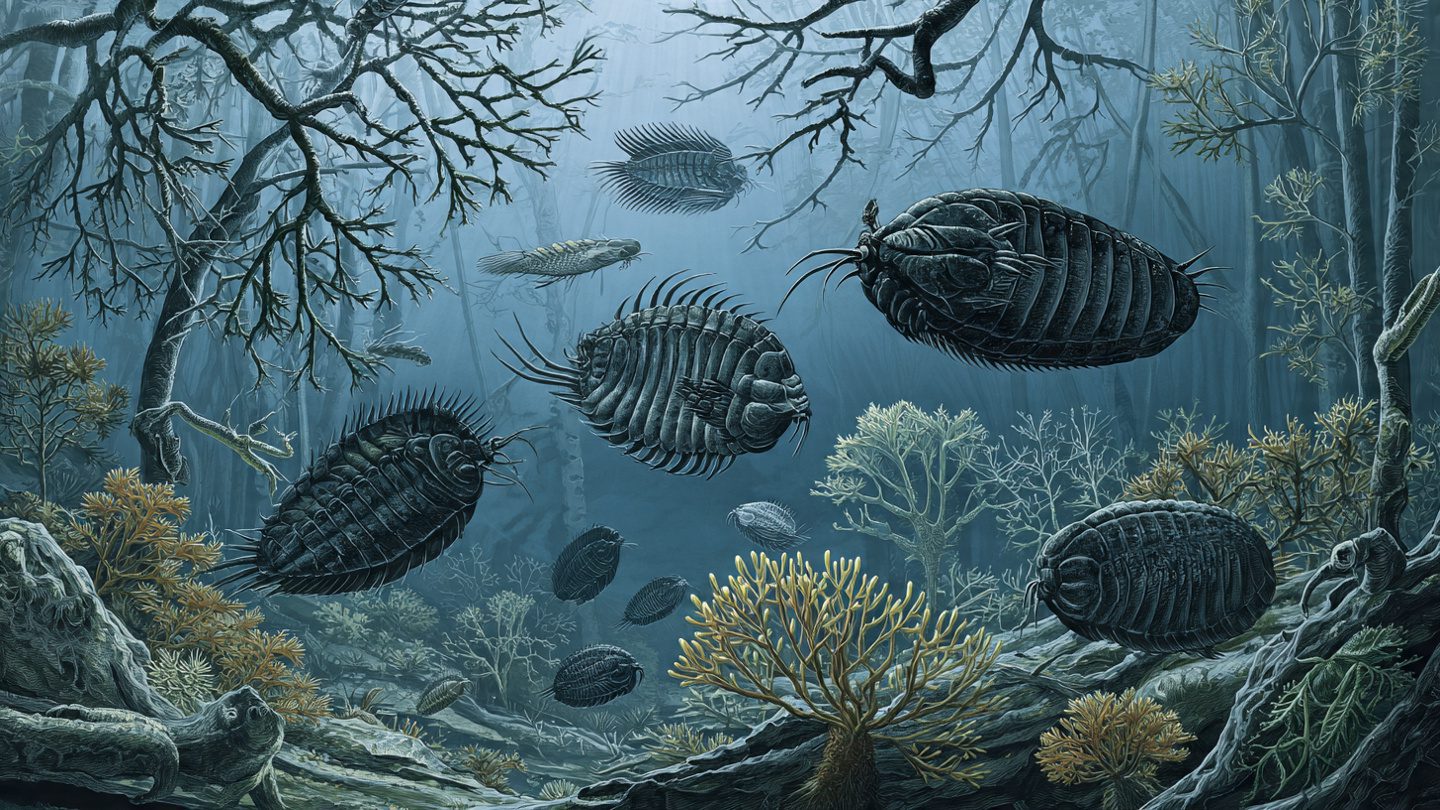
The Prehistory Cambrian explosion represents one of the most extraordinary and transformative events in the history of life on Earth. Often described as the moment when complex life suddenly flourished, the Prehistory Cambrian explosion refers to a relatively short geological period about 541 million years ago during which a remarkable diversity of animal forms appeared in the fossil record. This evolutionary event marked the rapid emergence of complex body plans, specialized organs, and sophisticated ecological interactions. Scientists studying the Cambrian explosion in prehistoric Earth, the early diversification of animals, and the origin of complex life forms often view this period as a turning point that fundamentally reshaped biological evolution. During this time, organisms developed hard skeletons, advanced sensory systems, and new survival strategies that dramatically altered marine ecosystems. Understanding the Prehistory Cambrian explosion provides critical insights into how modern animal groups originated and how evolutionary processes can generate sudden bursts of biodiversity. By examining fossils, geological evidence, and evolutionary biology, researchers continue to uncover the mechanisms that triggered this explosion of life and why it occurred at this particular moment in Earth’s deep past.
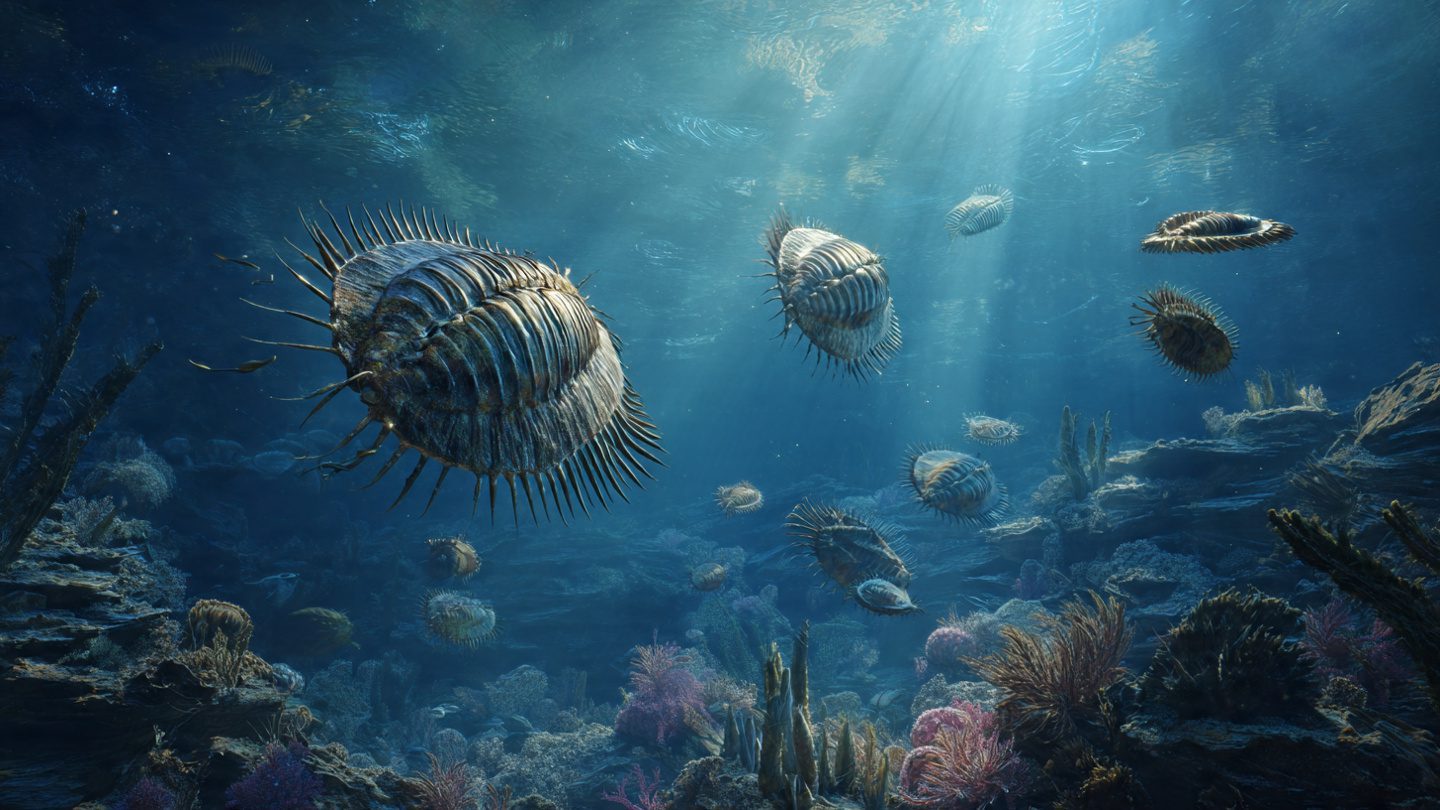
Geological Context Before the Prehistory Cambrian Explosion
Before the Prehistory Cambrian explosion, Earth had already experienced billions of years of biological evolution. Life first appeared more than 3.5 billion years ago in the form of simple microorganisms. These organisms were primarily prokaryotic cells, meaning they lacked nuclei and complex internal structures. For most of Earth’s early history, microbial life dominated the planet’s oceans and ecosystems. These organisms formed extensive communities such as stromatolites, which were layered structures created by colonies of microorganisms.
The period immediately preceding the Cambrian explosion is known as the late Proterozoic, specifically the Ediacaran Period. During this time, the first multicellular organisms began to appear in the fossil record. However, these early life forms were relatively simple and lacked the complex body structures that characterize modern animals. Many Ediacaran organisms had soft bodies and unusual shapes that differ greatly from those of later animals.
Geological conditions also changed dramatically before the Cambrian explosion occurred. Oxygen levels in Earth’s atmosphere and oceans increased significantly due to photosynthesis by microorganisms. This oxygenation created conditions that allowed organisms to produce more energy through aerobic metabolism. Higher energy availability made it possible for organisms to grow larger and develop more complex body structures.
Tectonic activity also played a role in shaping the environment during this time. The breakup of ancient supercontinents created new shallow seas along continental margins. These shallow marine environments were rich in nutrients and provided ideal habitats for evolving life forms. These ecological settings supported increasing biodiversity and biological experimentation.
In the context of Prehistory Cambrian explosion, these environmental and evolutionary changes formed the essential foundation for the dramatic diversification of life that followed. Without these earlier developments, the explosive evolutionary radiation of the Cambrian would likely never have occurred.
The Sudden Diversification of Animal Life During the Cambrian Explosion
The Prehistory Cambrian explosion is famous because of the sudden appearance of many major animal groups in the fossil record. Within a relatively short geological interval of roughly 20 to 25 million years, an extraordinary range of organisms emerged. These organisms included ancestors of many modern animal phyla such as arthropods, mollusks, echinoderms, and chordates.
This diversification was not merely a matter of increasing numbers of species. Instead, entirely new body plans evolved. Scientists refer to these fundamental anatomical designs as body plans, which define how an organism’s body is structured. During the Cambrian explosion, animals developed bilateral symmetry, segmentation, appendages, and specialized tissues.
One of the most important evolutionary innovations during this time was the development of hard body parts such as shells, spines, and exoskeletons. These structures dramatically increased the likelihood of fossil preservation, which partly explains why the fossil record appears to show a sudden increase in life forms. Hard structures also provided protection against predators and environmental stress.
Another significant change was the development of more complex sensory and nervous systems. Organisms evolved eyes, nerve networks, and coordinated movement. These features allowed animals to interact with their environment in new ways, including active hunting, escape from predators, and more efficient feeding strategies.
The Prehistory Cambrian explosion therefore represents not just an increase in biodiversity but also the emergence of complex biological architecture. Many of the structural features that define modern animals first appeared during this extraordinary evolutionary period.
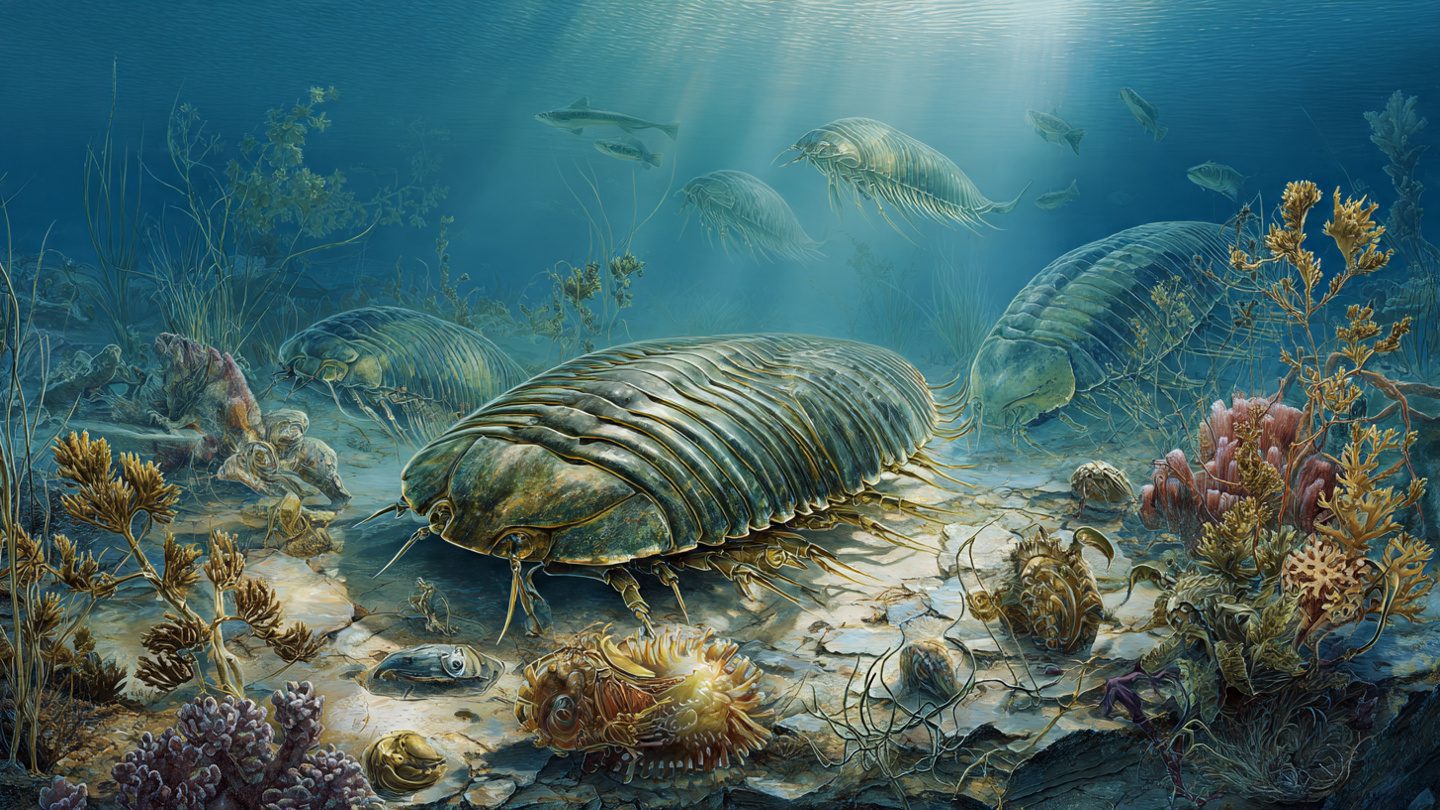
Key Fossil Discoveries That Reveal the Cambrian Explosion
Fossil discoveries have played a crucial role in understanding the Prehistory Cambrian explosion. Some of the most important evidence comes from exceptionally preserved fossil sites known as lagerstätten, which contain remarkably detailed remains of ancient organisms. These sites provide rare insights into soft-bodied organisms that normally do not fossilize well.
One of the most famous fossil deposits is the Burgess Shale in Canada. Discovered in the early twentieth century, this site contains thousands of fossils representing diverse Cambrian organisms. Many of these species possess unusual and previously unknown body structures. The Burgess Shale revealed that Cambrian ecosystems were far more diverse and complex than scientists had previously imagined.
Another important fossil site is the Chengjiang biota in China. This deposit is even older than the Burgess Shale and provides a detailed snapshot of early Cambrian life. The Chengjiang fossils include early vertebrates, arthropods, and other complex organisms that demonstrate the rapid diversification of animals during this time.
These fossil sites show that Cambrian ecosystems contained a wide variety of ecological roles. Some organisms were predators, others were scavengers, and many fed on microorganisms or organic debris on the seafloor. This ecological diversity indicates that complex food webs had already developed during the Cambrian.
The study of these fossils continues to transform scientific understanding of the Prehistory Cambrian explosion. Advanced imaging technologies and modern paleontological techniques allow researchers to examine microscopic details of ancient organisms. These discoveries help reconstruct how early animals lived, moved, and interacted with one another.
Evolutionary Innovations That Triggered the Cambrian Explosion
Scientists have proposed several explanations for why the Prehistory Cambrian explosion occurred. One major factor is the evolution of genetic mechanisms that control body development. These genetic systems determine how cells grow and differentiate into tissues and organs.
A particularly important group of genes known as Hox genes plays a critical role in organizing body structures. Hox genes act like a biological blueprint that determines where limbs, segments, and organs develop along the body axis. The evolution of these regulatory genes may have enabled organisms to experiment with new body designs more easily.
Another key factor was the rise of predation. Before the Cambrian period, most organisms were relatively passive. However, once some animals evolved the ability to hunt others, an evolutionary arms race began. Predators developed stronger jaws, better vision, and faster movement, while prey species evolved protective shells, spines, and defensive behaviors.
The availability of oxygen also contributed significantly to evolutionary innovation. Higher oxygen levels allowed organisms to support larger body sizes and more energy-demanding activities such as swimming or burrowing. This increased metabolic capacity made complex organisms more viable.
Ecological interactions also intensified during this time. Organisms began occupying specialized niches within marine environments. Some species adapted to life on the seafloor, while others became active swimmers or burrowers within sediment. This ecological diversification further stimulated evolutionary experimentation.
Together, these biological and environmental factors helped drive the rapid diversification associated with the Prehistory Cambrian explosion. The event was not caused by a single factor but rather by a combination of evolutionary innovations and environmental opportunities.
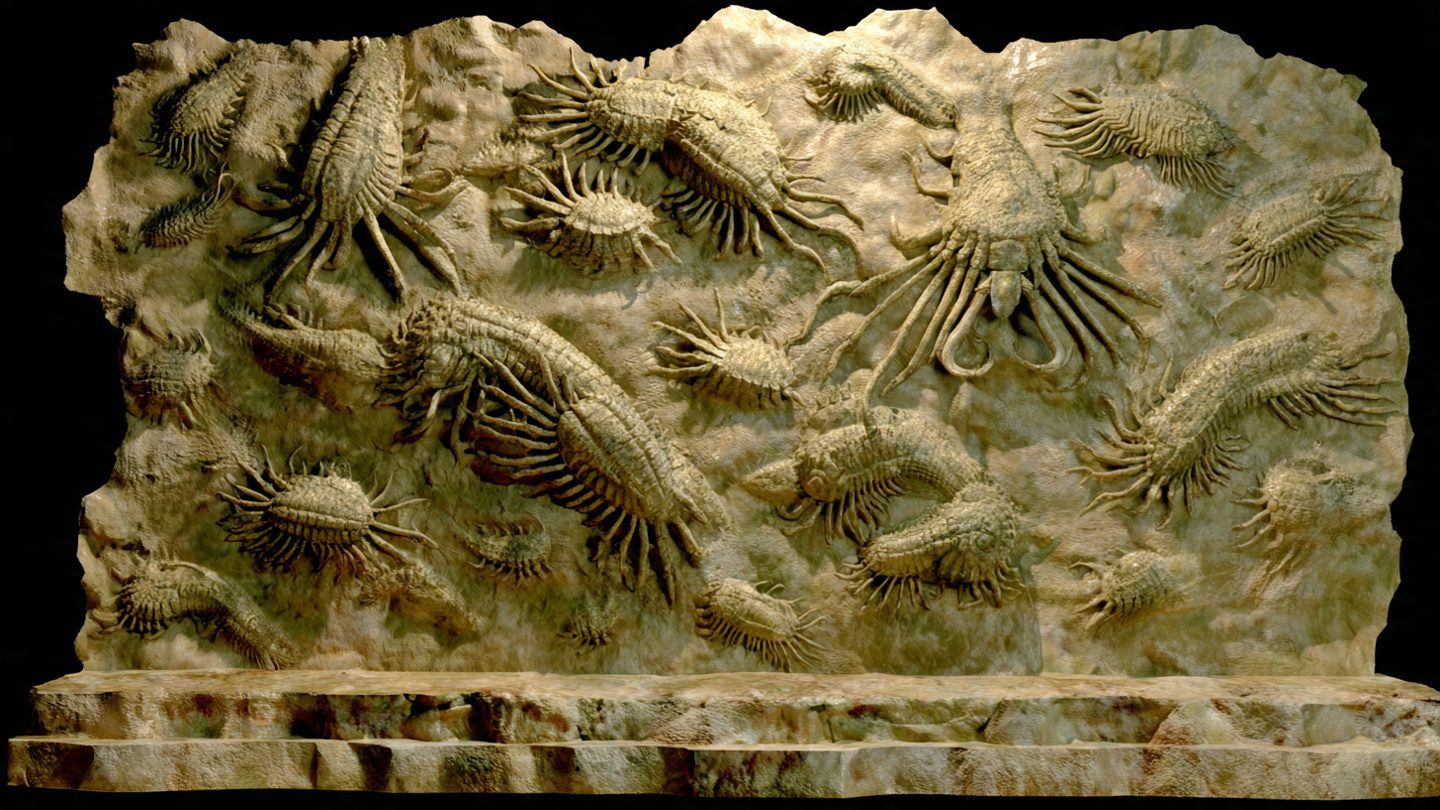
Cambrian Marine Ecosystems and Early Animal Communities
During the Prehistory Cambrian explosion, life was almost entirely confined to the oceans. Marine ecosystems became incredibly dynamic and diverse as new animal groups emerged. These ecosystems contained complex food webs that included predators, filter feeders, scavengers, and detritivores.
The seafloor was covered with microbial mats that provided food for many organisms. Some animals grazed on these microbial communities, while others burrowed into the sediment to feed on organic material. This burrowing activity fundamentally changed the structure of marine sediments.
Among the most successful Cambrian animals were arthropods, which included early relatives of modern insects, spiders, and crustaceans. Arthropods possessed segmented bodies, jointed appendages, and protective exoskeletons. These features allowed them to adapt to a wide variety of ecological roles.
Other notable Cambrian organisms included anomalocaridids, which were large predatory animals with powerful grasping appendages and complex eyes. These predators likely played a major role in shaping early marine ecosystems by influencing prey populations.
Chordates, which are early relatives of vertebrates, also appeared during this time. These organisms possessed a notochord, a flexible rod that provided structural support and allowed more efficient movement. This anatomical innovation eventually led to the evolution of fish, amphibians, reptiles, birds, and mammals.
The ecosystems created during the Prehistory Cambrian explosion therefore represent the earliest versions of modern marine communities. Many ecological relationships that exist today first developed during this remarkable evolutionary era.
The Long-Term Impact of the Cambrian Explosion on Life on Earth
The Prehistory Cambrian explosion had profound and lasting consequences for the evolution of life. Most modern animal phyla trace their origins back to this period. Although species have continued to evolve and diversify, the fundamental body plans established during the Cambrian remain remarkably consistent.
One important consequence of the Cambrian explosion was the establishment of complex ecological networks. Predation, competition, and symbiosis became common features of marine ecosystems. These interactions drove continuous evolutionary adaptation and diversification.
Another lasting impact was the development of mineralized skeletons. Hard body structures such as shells and exoskeletons provided protection and structural support. These features also improved fossil preservation, giving scientists a much clearer record of life’s history from the Cambrian onward.
The Cambrian explosion also marked the beginning of large-scale biodiversity. From this point forward, life on Earth expanded into increasingly complex ecosystems. Evolution produced countless new species and biological innovations over hundreds of millions of years.
Importantly, the Cambrian explosion did not represent the sudden creation of life but rather the rapid diversification of organisms whose evolutionary roots extend deep into the Proterozoic era. It was the culmination of earlier evolutionary developments combined with new environmental opportunities.
Today, the study of the Prehistory Cambrian explosion remains one of the most fascinating areas of evolutionary science. By examining fossils, genetics, and geological records, researchers continue to uncover the processes that allowed complex life to flourish on Earth.
Latest discoveries in space: Unveiling cosmic secrets and extraordinary finds
Paradoxes in Physics and Mathematics: Unlocking the Universe’s Biggest Mysteries
The Nebula and Accretion of Earth: Formation of Our Planet Explained
Summary
The Prehistory Cambrian explosion marks one of the most dramatic evolutionary events in Earth’s history. Occurring around 541 million years ago, this period saw the rapid emergence of diverse animal groups and complex body structures. Environmental changes, rising oxygen levels, genetic innovations, and ecological interactions all contributed to this extraordinary burst of evolution. Fossil sites such as Burgess Shale and Chengjiang reveal detailed evidence of these early ecosystems. The Cambrian explosion established many of the basic body plans and ecological relationships that still characterize modern life. Understanding this prehistoric event provides crucial insight into how biological complexity evolved on our planet.
FAQ
What is the Cambrian explosion?
The Cambrian explosion was a period about 541 million years ago when many major animal groups rapidly appeared in the fossil record.
Why is the Cambrian explosion important?
It marks the origin of most modern animal body plans and the beginning of complex ecosystems.
How long did the Cambrian explosion last?
Scientists estimate that the main diversification occurred over roughly 20–25 million years.
What caused the Cambrian explosion?
Several factors contributed, including increased oxygen levels, genetic innovations, predation, and ecological interactions.
Did life exist before the Cambrian explosion?
Yes. Microbial life existed for billions of years, and simple multicellular organisms appeared during the late Proterozoic.
Call-to-Action
Curious about the incredible history of life on Earth? Explore more fascinating topics about prehistoric evolution, ancient ecosystems, and the origins of modern animals. Share this article and continue discovering the mysteries of Earth’s deep past.