Befrey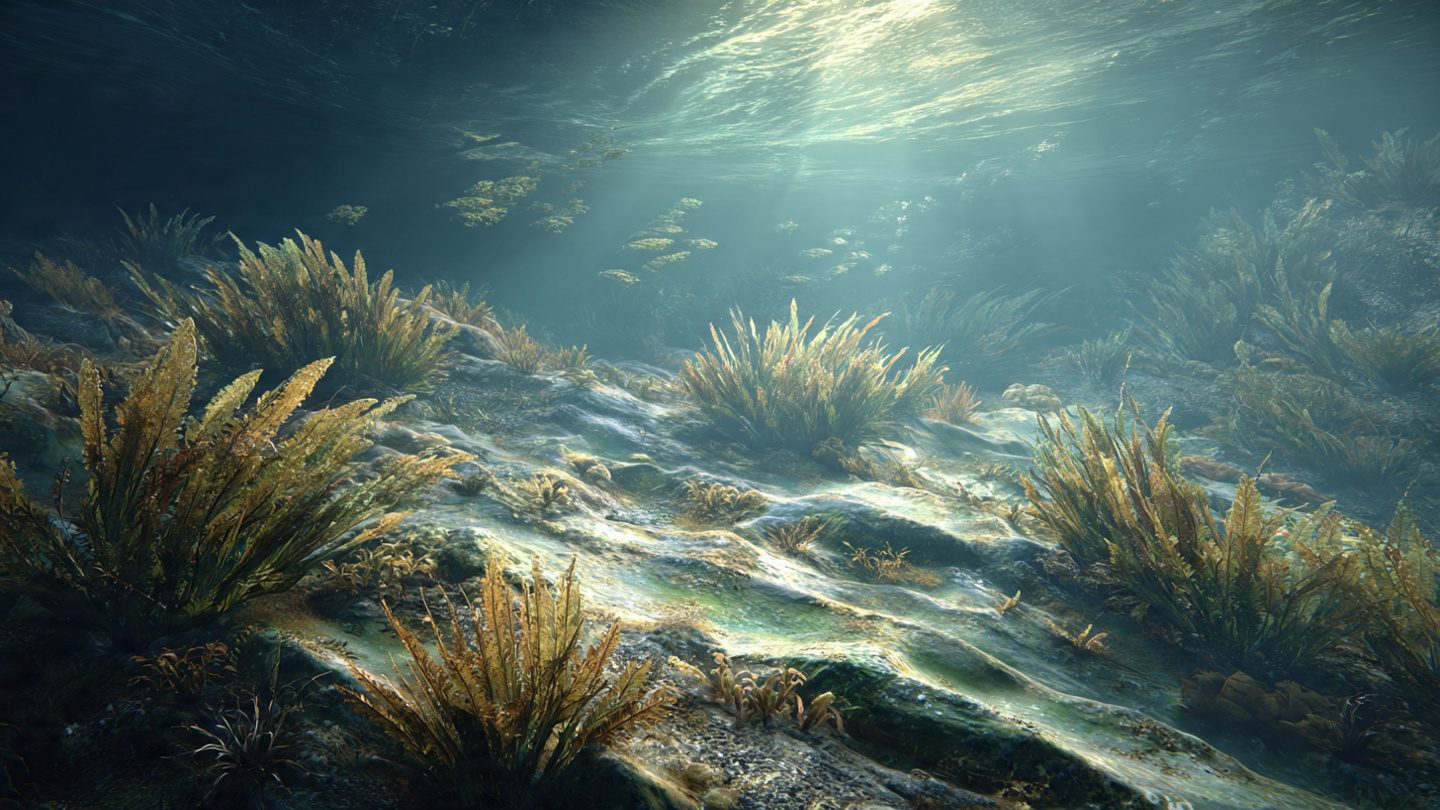
The question of How multicellular organisms developed in prehistoric times is one of the most fascinating topics in evolutionary biology and Earth history. The emergence of multicellular life transformed the planet, allowing organisms to grow larger, develop specialized tissues, and form complex ecosystems. Scientists studying how multicellular organisms developed in prehistoric times, the origin of multicellularity, and the evolution of complex life seek to understand how simple single-celled organisms gradually formed cooperative systems that eventually produced animals, plants, and fungi. This evolutionary transition occurred over hundreds of millions of years and involved multiple biological innovations. Cells had to evolve communication systems, mechanisms for adhesion, and genetic regulation that allowed different cell types to work together within a single organism. Environmental changes such as rising oxygen levels and shifting ocean chemistry also played a crucial role in enabling this transformation. Exploring how multicellular organisms developed in prehistoric times provides insight into the evolutionary processes that shaped life on Earth and explains how complex biological structures evolved from microscopic beginnings. The story begins in a world dominated by single-celled life and ends with the emergence of the first multicellular communities that paved the way for the diversity of life we see today.
Early Earth and the Dominance of Single-Celled Life
To understand how multicellular organisms developed in prehistoric times, it is necessary to examine the early stages of life on Earth. For more than two billion years after life first appeared, the planet was dominated entirely by single-celled organisms. These microscopic life forms included bacteria and archaea, which lacked complex internal structures and lived primarily in the oceans.
These early organisms were remarkably successful despite their simplicity. They evolved diverse metabolic strategies that allowed them to survive in extreme environments such as hydrothermal vents, shallow seas, and even acidic or oxygen-poor waters. Many of these microorganisms formed large colonies that covered seafloors and produced layered structures known as stromatolites. These structures provide some of the earliest fossil evidence of life on Earth.
Even though these organisms were unicellular, they often lived in cooperative communities. Individual cells could communicate chemically and respond to environmental changes collectively. This behavior represents one of the earliest steps toward multicellular organization because it demonstrated that cells could coordinate their activities.
Another crucial development during this period was the evolution of photosynthesis. Certain microorganisms began using sunlight to produce energy, releasing oxygen as a byproduct. Over millions of years, this oxygen accumulated in Earth’s atmosphere and oceans. This gradual oxygenation dramatically changed planetary conditions and created opportunities for new forms of life to evolve.
Within this ancient microbial world, the biological foundation for multicellular life slowly began to emerge. Understanding this early stage is essential for explaining how multicellular organisms developed in prehistoric times, because it reveals the evolutionary starting point from which complex life eventually arose.
The Emergence of Eukaryotic Cells and Cellular Complexity
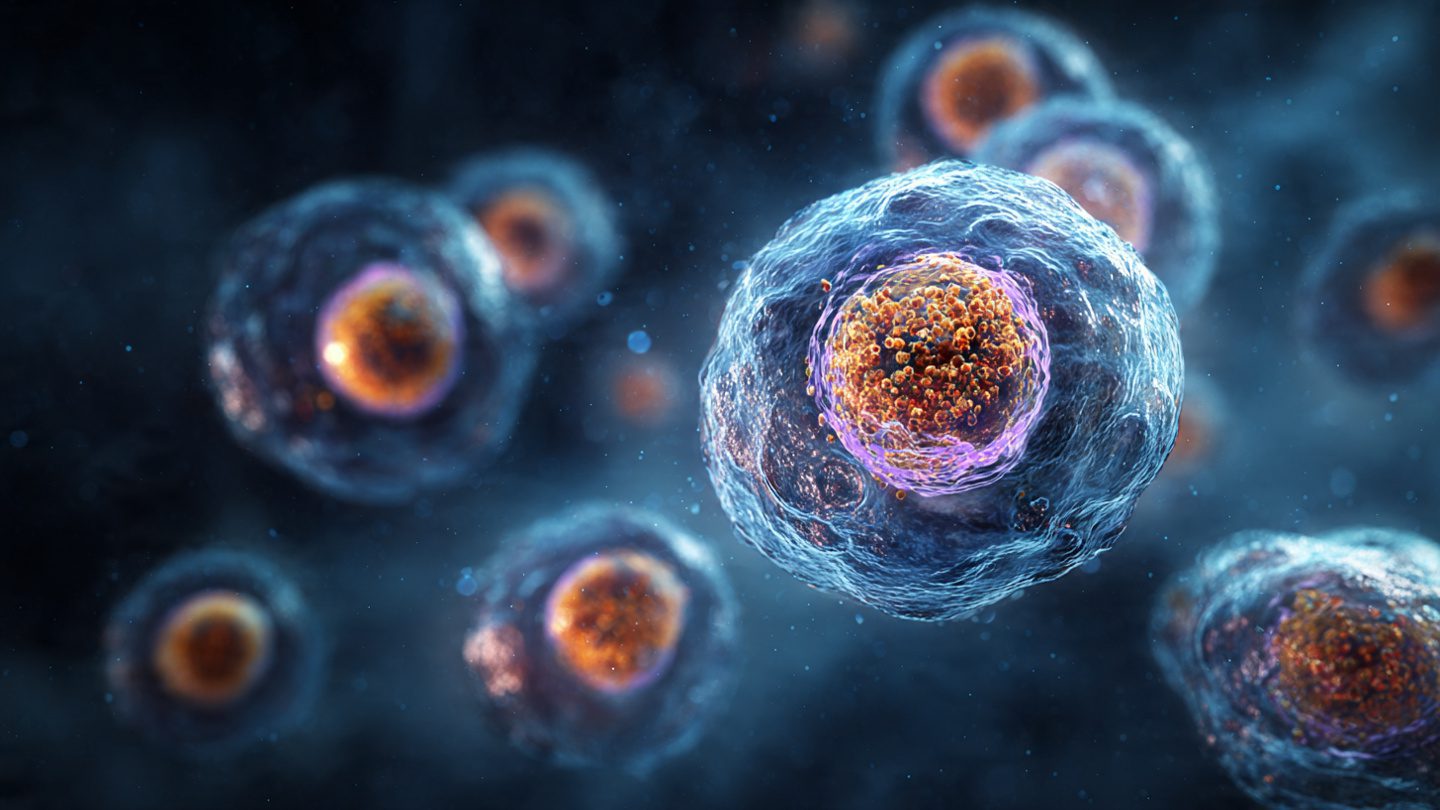
A critical milestone in understanding how multicellular organisms developed in prehistoric times was the evolution of eukaryotic cells. Unlike simple prokaryotic cells, eukaryotic cells contain a nucleus that houses genetic material and a variety of specialized internal structures called organelles. These structures allow different cellular processes to occur simultaneously and efficiently.
The most widely accepted explanation for the origin of eukaryotic cells is the endosymbiotic theory. According to this theory, an ancient host cell engulfed smaller bacteria that eventually became permanent residents within the cell. Over time, these internalized bacteria evolved into organelles such as mitochondria, which produce energy for the cell.
Mitochondria dramatically increased the energy available to cells. This additional energy allowed cells to grow larger and develop more complex internal systems. Greater energy production also made it possible for cells to maintain elaborate genetic regulation and structural organization.
Later in evolutionary history, some eukaryotic cells engulfed photosynthetic bacteria that became chloroplasts. These organelles enabled organisms such as algae to harness sunlight and produce their own food through photosynthesis. This innovation expanded the range of ecological strategies available to early life.
Eukaryotic cells also developed more advanced mechanisms for DNA replication, repair, and recombination. These genetic systems allowed for greater variability and adaptability within populations. Such genetic flexibility became essential for the evolution of multicellular organisms.
The emergence of eukaryotic cells therefore represents a crucial step in the story of how multicellular organisms developed in prehistoric times. Without this increase in cellular complexity, the evolution of multicellular life would not have been possible.
Cellular Cooperation and the First Steps Toward Multicellularity
The transition from single-celled organisms to multicellular life did not occur suddenly. Instead, it began with the formation of cooperative colonies in which individual cells remained physically connected after division. These colonies allowed cells to share resources and respond collectively to environmental challenges.
One advantage of cellular cooperation was increased size. Larger organisms were less vulnerable to predators and could access new ecological niches. For example, larger colonies could remain suspended in water currents more effectively or capture nutrients more efficiently.
Another advantage involved the division of labor among cells. Even in simple colonies, certain cells began performing specialized roles. Some cells focused on reproduction, while others provided structural support or assisted in nutrient acquisition. This division of tasks improved the efficiency and survival of the entire organism.
For multicellularity to evolve successfully, cells needed mechanisms for adhesion and communication. Adhesion molecules allowed cells to stick together, while signaling pathways enabled them to coordinate growth and development. These biological systems ensured that cells functioned as a unified organism rather than as independent individuals.
Genetic regulation also became increasingly important during this stage. Genes controlling cell differentiation began determining which cells would perform specific functions. These genetic programs ensured that multicellular organisms could develop organized structures and maintain stability.
These early cooperative systems represent the beginning of how multicellular organisms developed in prehistoric times. Over evolutionary time, simple colonies gradually transformed into fully integrated multicellular organisms with complex biological organization.
Environmental Factors That Encouraged Multicellular Evolution
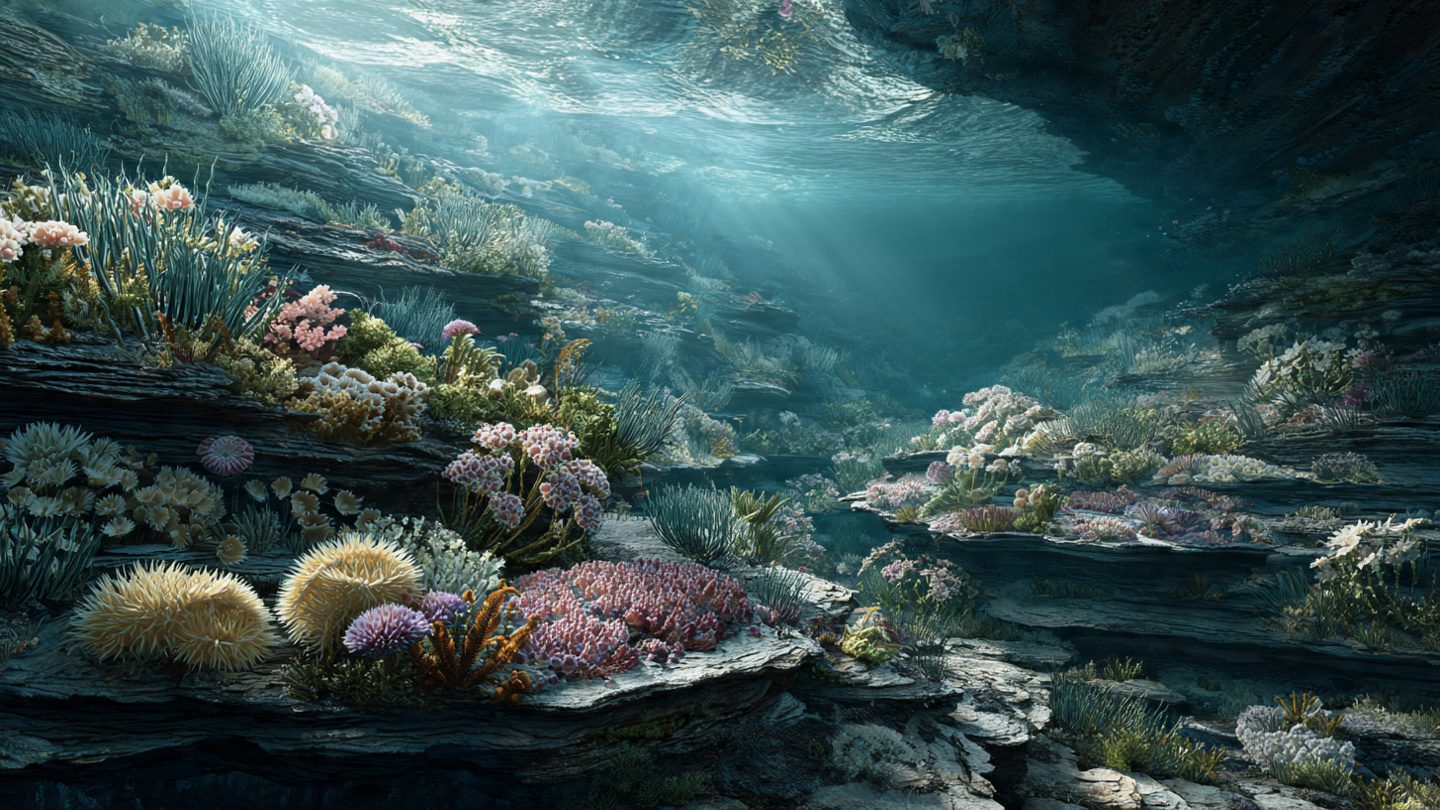
Environmental changes played a major role in shaping how multicellular organisms developed in prehistoric times. One of the most important factors was the continued increase in atmospheric and oceanic oxygen levels. Oxygen allowed organisms to produce energy more efficiently through aerobic respiration.
Higher oxygen concentrations enabled organisms to grow larger and sustain more energy-demanding biological processes. This increased metabolic capacity supported the development of tissues, organs, and complex body structures. Without sufficient oxygen, multicellular life would likely have remained extremely limited.
Changes in ocean chemistry also influenced evolutionary pathways. Nutrient availability fluctuated due to volcanic activity, continental weathering, and shifting ocean currents. These environmental pressures encouraged organisms to adapt and explore new ecological strategies.
Climate events also played a role in shaping biological evolution. During the late Proterozoic era, Earth experienced extreme glaciation events sometimes referred to as “Snowball Earth.” These global ice ages dramatically altered habitats and forced organisms to adapt to changing conditions.
Such environmental disruptions may have accelerated evolutionary innovation. Organisms that could cooperate and form multicellular structures may have been better able to survive unstable conditions. Multicellularity allowed organisms to develop protective tissues and improved physiological regulation.
The interaction between environmental change and biological innovation therefore strongly influenced how multicellular organisms developed in prehistoric times. Evolution often progresses when organisms adapt to new or challenging conditions.
The Appearance of the First Multicellular Organisms in the Fossil Record
Fossil evidence provides crucial clues about how multicellular organisms developed in prehistoric times. Some of the earliest multicellular fossils date back more than one billion years and include filamentous algae and simple colonial organisms. These fossils indicate that multicellularity evolved independently in several different evolutionary lineages.
More complex multicellular organisms appeared during the Ediacaran Period, which occurred roughly between 635 and 541 million years ago. Fossils from this period reveal a variety of soft-bodied organisms with unusual shapes that differ significantly from modern animals.
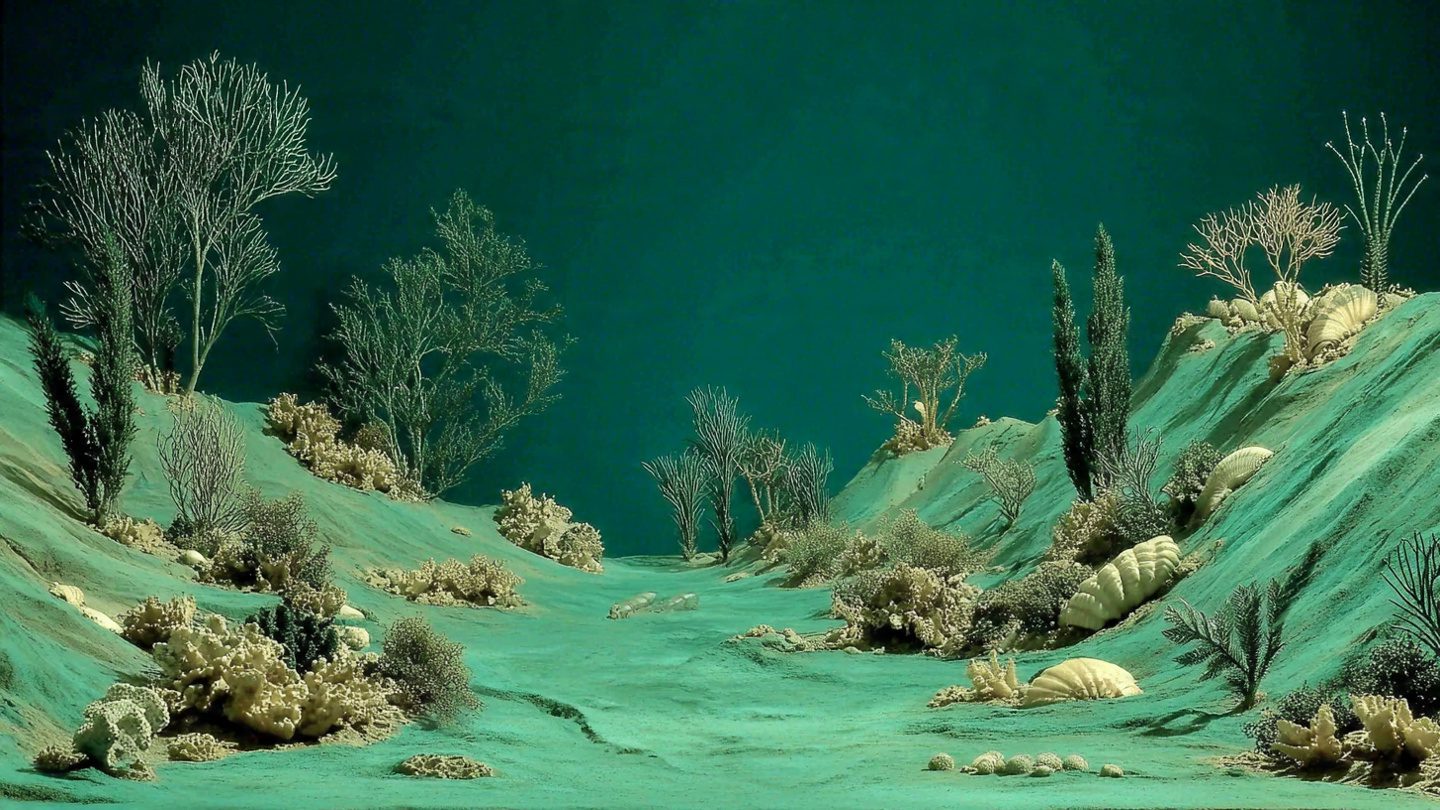
Many Ediacaran organisms resembled fronds, discs, or quilted structures attached to the seafloor. These organisms likely absorbed nutrients directly from seawater or fed on microbial mats covering the ocean floor. Although they lacked complex organs, they demonstrate that multicellular life had already achieved significant diversity.
Trace fossils from the late Ediacaran also suggest that some organisms were capable of movement. Tracks preserved in sediment indicate that early animals were beginning to interact with their environment in more sophisticated ways. These behaviors represent early stages of ecological complexity.
The fossil record therefore shows that multicellular life evolved gradually and diversified over time. By the end of the Ediacaran period, Earth’s oceans already contained a variety of multicellular organisms preparing the stage for further evolutionary developments.
These discoveries provide valuable insight into how multicellular organisms developed in prehistoric times and reveal that the roots of complex life extend deep into Earth’s ancient past.
The Role of Multicellularity in the Evolution of Complex Life
The evolution of multicellularity had profound consequences for life on Earth. Once organisms developed cooperative cellular systems, they gained the ability to create specialized tissues and organs. This structural complexity enabled new biological capabilities such as movement, sensory perception, and internal nutrient transport.
Multicellular organisms could also grow much larger than single-celled organisms. Increased size provided protection against predators and allowed organisms to dominate ecological niches. Large organisms could influence their environment in ways that microscopic life could not.
Another advantage of multicellularity was the ability to develop complex life cycles. Organisms could produce specialized reproductive cells and support the growth of offspring within protective structures. These reproductive strategies increased survival rates and promoted evolutionary success.
Multicellular life also transformed ecosystems. Organisms began forming complex food webs involving predators, herbivores, decomposers, and symbiotic relationships. These interactions created dynamic ecological systems that encouraged further evolutionary diversification.
Eventually, multicellular organisms evolved into the ancestors of modern animals, plants, and fungi. These lineages would later colonize land, transform atmospheric chemistry, and shape the global environment.
The story of how multicellular organisms developed in prehistoric times therefore represents one of the most important transitions in the history of life. It marks the beginning of biological complexity and the foundation of modern biodiversity.
Summary
Understanding how multicellular organisms developed in prehistoric times reveals the evolutionary processes that transformed simple single-celled life into complex organisms. The transition began with microbial communities that developed cooperation and communication systems. The emergence of eukaryotic cells provided the cellular complexity needed for larger and more organized structures. Environmental changes such as rising oxygen levels and shifting climates encouraged biological innovation. Over time, cells began forming colonies with specialized functions, eventually leading to fully integrated multicellular organisms. Fossil evidence from the Proterozoic and Ediacaran periods shows the gradual diversification of these early life forms. This evolutionary transition laid the foundation for all complex life that exists today.
What We Know About the Big Bang – and What Remains a Mystery
Early Earth Atmosphere and Oceans: Origins of a Living Planet
Unification of Upper and Lower Egypt: The Birth of the First Civilization
FAQ
What is multicellularity?
Multicellularity refers to organisms composed of multiple cooperating cells that perform specialized functions within a single organism.
When did multicellular organisms first appear?
The earliest multicellular organisms appeared more than one billion years ago, with more complex forms emerging during the Ediacaran period.
Why did multicellular organisms evolve?
Multicellularity provided advantages such as increased size, protection from predators, improved resource use, and specialized cellular functions.
Did multicellularity evolve only once?
No. Multicellularity evolved independently in several groups, including animals, plants, fungi, and certain algae.
Why is multicellular evolution important?
It enabled the development of complex organisms and ecosystems that eventually produced the diversity of life seen today.
Call-to-Action
Interested in learning more about the origins of life and prehistoric evolution? Explore more articles about ancient ecosystems, evolutionary breakthroughs, and the incredible history of life on Earth. Share this article with fellow science enthusiasts and continue discovering the wonders of our planet’s deep past.