Befrey
Understanding the early Earth atmosphere and the early Earth oceans is essential for uncovering how our planet transformed from a molten, hostile world into a stable environment capable of supporting life. The atmosphere and oceans of early Earth formed through dramatic geological, chemical, and cosmic processes. These systems shaped climate, energy cycles, tectonics, and the very foundations of biology. They also reveal how key ingredients like water vapor, carbon dioxide, nitrogen, methane, and hydrogen sulfide interacted to create a dynamic prebiotic environment. This article explores these ancient worlds in depth—from volcanic outgassing to ocean condensation and the emergence of chemical gradients that may have been crucial for early life.
The Violent Birth of the Early Earth Atmosphere
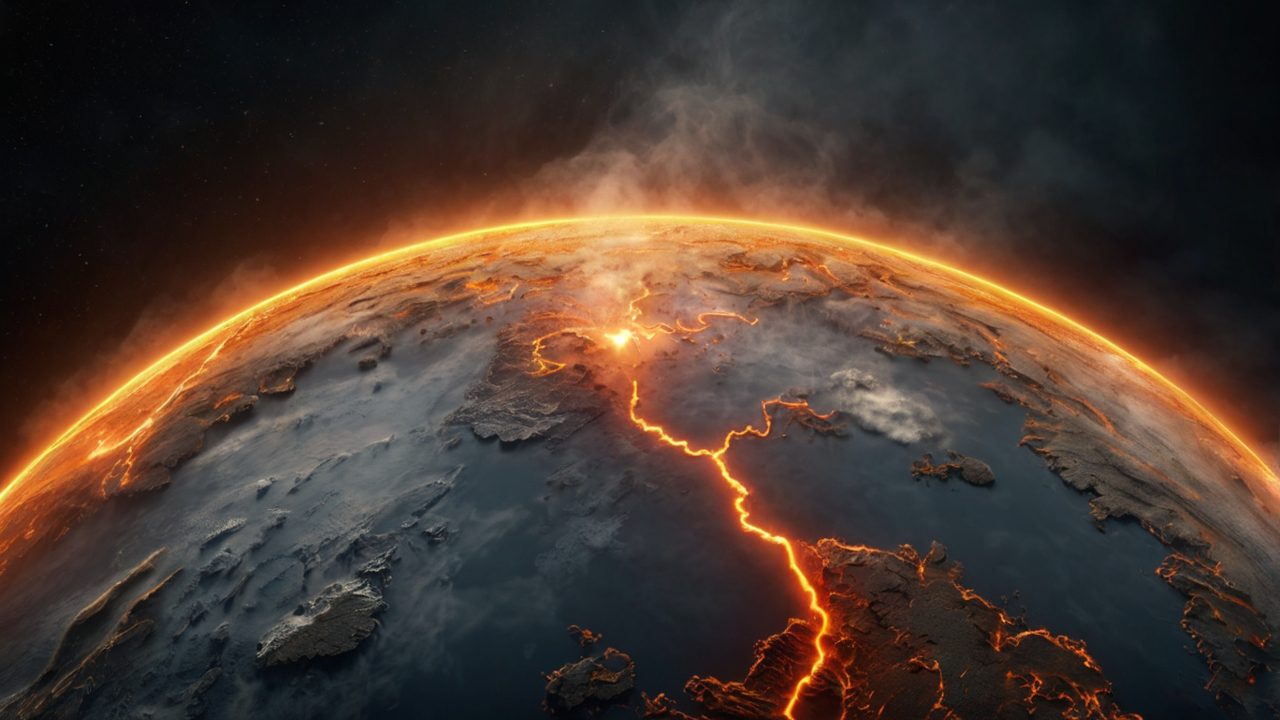
The early Earth atmosphere began forming more than 4.5 billion years ago. The planet was still young, hot, and constantly bombarded by massive asteroids. These collisions stripped away any original atmosphere and continually reshaped the surface. At this stage, Earth had a secondary atmosphere, created mainly through volcanic outgassing.
-
Water vapor (H₂O)
-
Carbon dioxide (CO₂)
-
Nitrogen (N₂)
-
Ammonia (NH₃)
-
Methane (CH₄)
-
Hydrogen (H₂)
-
Hydrogen sulfide (H₂S)
Oxygen was nearly absent, making the early world a reducing environment. High levels of volcanic CO₂ generated a greenhouse effect strong enough to keep Earth warm even when the Sun was 30% dimmer than today—a key detail in solving the faint young Sun paradox.
Planetary Cooling and the First Rainfall
As Earth gradually cooled, the intense water vapor in the early atmosphere began to condense. This condensation triggered what may have been millions of years of violent rainfall. The rain interacted with newly formed basaltic crust, dissolving minerals and transporting chemical elements across the surface.
These processes eventually filled massive basins with liquid water, forming the early Earth oceans. Some scientists also believe additional water arrived from icy comets or hydrated asteroids, although volcanic outgassing remains the dominant source.
As the oceans deepened, they began to absorb large amounts of CO₂, turning the water slightly acidic and influencing the planet’s climate regulation.
Composition of the Early Earth Oceans
The atmosphere and oceans of early Earth were tightly linked. As atmospheric gases dissolved into water, they created a chemically rich environment. These oceans were not blue like today; they may have been greenish, brownish, or even milky due to dissolved iron, silicates, and sulfur compounds.
The early oceans likely contained:
-
Dissolved iron (Fe²⁺)
-
Silica
-
Carbonic acid
-
Ammonia and methane traces
-
Hydrogen sulfide
-
Mineral ions from crustal weathering
Ocean temperatures may have been 50–90°C in some regions, especially near hydrothermal vents.
Hydrothermal Vents and the Chemical Cradle of Life
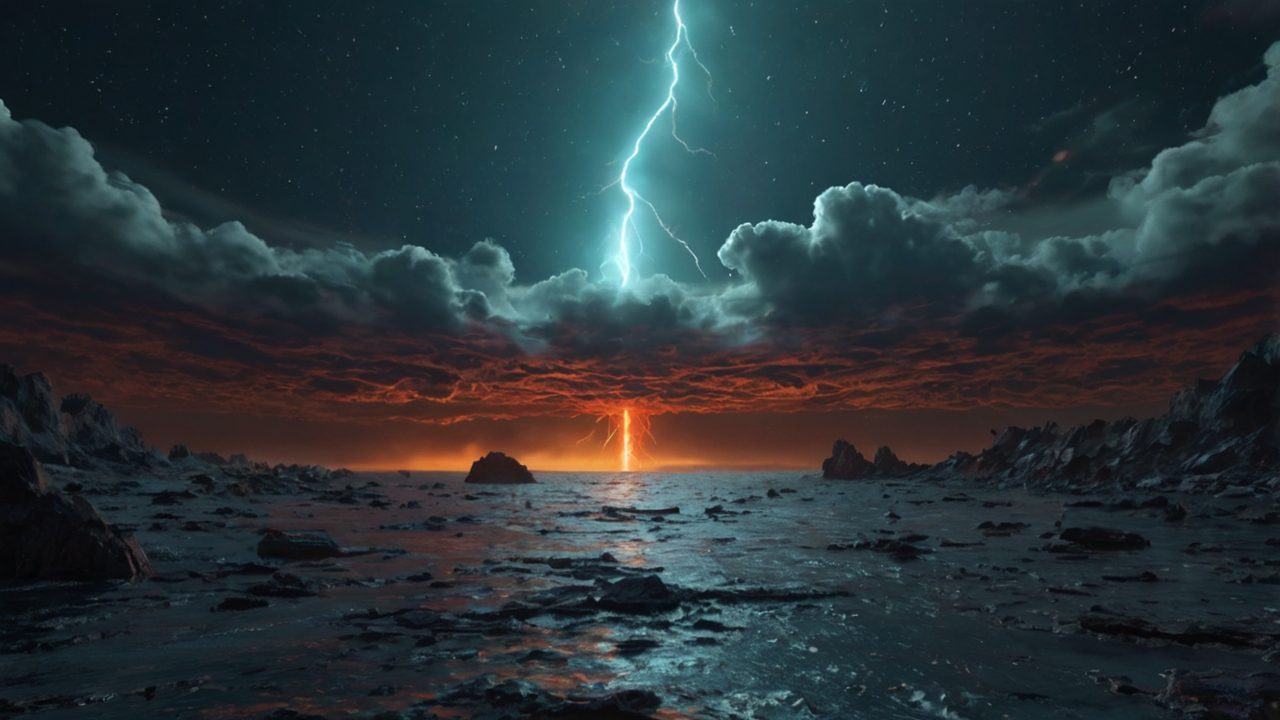
Deep-sea hydrothermal systems played a crucial role in shaping the early oceans. Black smokers and alkaline vents pumped vast quantities of minerals, heat, and chemical compounds into surrounding water. These interactions may have provided ideal conditions for the first metabolic pathways.
Scientists propose that alkaline vents offered:
-
pH gradients for energy flow
-
Iron-sulfur minerals that form catalytic surfaces
-
Thermal cycling suitable for molecular self-organization
The Great Chemical Dance Between Atmosphere and Oceans
The early Earth atmosphere affected the oceans, and the oceans in turn shaped atmospheric chemistry. Some key interactions include:
Removal of CO₂
As oceans absorbed carbon dioxide, carbonates began to form. This gradually reduced greenhouse gas levels and stabilized climate.
Iron Cycling
Iron dissolved in anoxic oceans moved freely until oxygen-producing microbes evolved. Later, it precipitated out to form banded iron formations (BIFs)—geological evidence of ocean chemistry changes.
Nitrogen Fixation
Lightning and volcanic activity converted nitrogen into usable nitrates, feeding early biochemical reactions.
Sulfur Chemistry
Hydrogen sulfide created a sulfur-rich world that influenced microbial evolution and ocean color.
The First Atmosphere-Ocean Feedback Systems
Earth developed natural regulatory systems that helped stabilize global climate. The carbonate-silicate cycle, for example, regulated CO₂ levels through weathering and sedimentation. When temperatures rose, weathering accelerated and drew more CO₂ out of the atmosphere. When temperatures dropped, volcanic emissions replenished CO₂.
This self-correcting mechanism ensured the planet remained within habitable temperatures, even as solar output increased over billions of years.
The Rise of Early Life and Its Impact on Ocean Chemistry
Life emerged sometime between 4.1 and 3.5 billion years ago. Once microbes appeared, they fundamentally altered both atmosphere and oceans.
Methanogens
These microorganisms produced methane, strengthening the greenhouse effect and helping maintain liquid water.
Anoxygenic Photosynthesizers
Early photosynthetic bacteria used hydrogen sulfide instead of water. They enriched the ocean with sulfate while producing biomass.
Stromatolite Builders
Microbial mats trapped sediments and formed layered structures that still exist today. They are among the earliest fossil evidence of biological activity.
The Oxygenation Revolution and Its Impact on the Early Oceans
The evolution of oxygenic photosynthesis in cyanobacteria was one of the most transformative events in Earth’s history. It dramatically reshaped both atmosphere and oceans.
Oxygen Accumulation in Oceans
At first, oxygen reacted with dissolved iron, creating rust-like precipitates. Only after billions of years did oxygen finally saturate the oceans.
The Great Oxidation Event (GOE)
Around 2.4 billion years ago, oxygen reached the atmosphere, triggering global cooling, mass extinctions of anaerobic microbes, and numerous chemical reactions.
Ozone Formation
The new oxygen-rich atmosphere led to the creation of the ozone layer, shielding the surface from harmful radiation and paving the way for more complex life forms.
How the Early Atmosphere Influenced Global Climate
The early Earth climate was a delicate balance of greenhouse gases, solar radiation, and volcanic activity. CO₂, methane, and water vapor maintained temperatures suitable for oceans despite a weaker Sun.
Key climatic influences included:
-
Volcanic eruptions releasing CO₂ and sulfur
-
Methane-producing microbes enhancing warming
-
Ocean absorption of greenhouse gases
-
Glaciations triggered by atmospheric shifts
These cycles demonstrate how intimately the early Earth atmosphere and oceans interacted.
Plate Tectonics and Their Effect on Early Oceans
The beginning of plate tectonics significantly impacted ocean formation and chemistry. Early continental crust appeared around 4.0–3.2 billion years ago. As plates formed and moved:
-
Subduction zones recycled oceanic crust
-
Hydrothermal activity increased
-
Continental erosion enriched ocean composition
-
Sea levels shifted based on crust buoyancy and thermal state
Tectonics also facilitated long-term stabilization of the surface, generating predictable climate cycles.
Weathering, Sedimentation, and Ocean Evolution
Weathering of volcanic rocks delivered minerals like calcium, magnesium, and potassium into the oceans. These elements helped create shoreline environments such as:
-
Tidal pools
-
Lagoon systems
-
Silicate-rich shoals
-
Evaporite basins
Such landscapes provided diverse chemical environments that may have nurtured early metabolic pathways.
MK Ultra Mind Control Conspiracy: CIA’s Secret Experiments on Human Minds

The Influence of Solar Radiation on the Early Earth Atmosphere
The young Sun emitted more ultraviolet radiation than today. Without an ozone layer, these rays interacted directly with atmospheric gases, driving complex photochemical reactions.
UV radiation helped produce:
-
organic molecules
-
nitrogen oxides
-
hydrogen escape
-
ozone precursors
These reactions shaped the transition from an anoxic to an oxygenic planet.
Project Monarch Mind Control: The Dark Conspiracy of Creating Slaves
Impacts From Space and Their Role in Ocean Evolution
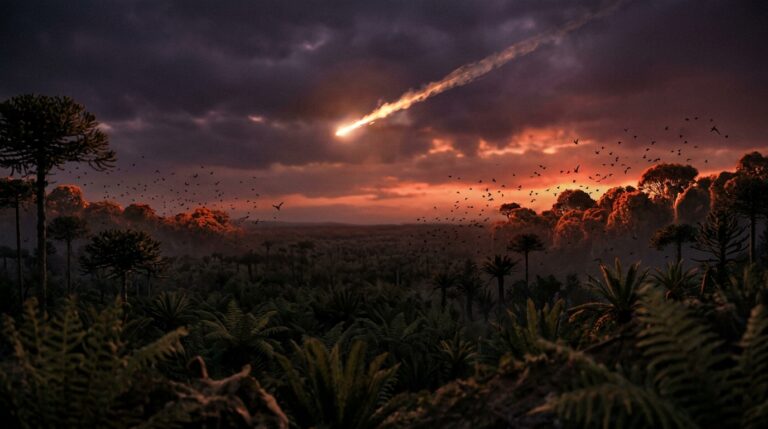
Meteorites and comets continued to strike early Earth for hundreds of millions of years. These impacts:
-
Delivered additional water
-
Supplied organic molecules
-
Triggered massive steam atmospheres
-
Caused episodic sterilization events
-
Released minerals and metals into oceans
Some scientists believe the Late Heavy Bombardment (LHB) around 3.9 billion years ago played a crucial role in shaping ocean chemistry and potentially resetting early life.
UV-Shielded Niches and the Preservation of Organic Molecules
Since early Earth lacked strong atmospheric protection, life likely began in shielded environments such as:
-
Deep-sea hydrothermal vents
-
Subsurface fractures
-
Mineral layers beneath water columns
-
Volcanic pore networks
These niches protected fragile organic molecules from UV destruction.
Formation and Evolution of Stars: From Protonebula to Black Hole
The Transition Toward Modern Oceans
Over billions of years, the oceans gradually became oxygen-rich, iron-poor, and more chemically balanced. As complex eukaryotic life developed, biological cycles began to dominate ocean chemistry.
Changes included:
-
Improved nutrient cycles
-
Formation of stable marine ecosystems
-
Development of carbonate reefs
-
Reduction in toxic sulfur environments
These transformations led directly to the rise of multicellular life.
Summary
The early Earth atmosphere and early Earth oceans formed a dynamic, interdependent system that shaped our planet’s destiny. From volcanic outgassing to the first rainfall, from hydrothermal vents to the Great Oxidation Event, each stage of evolution built the conditions necessary for life. The oceans became chemical reactors. The atmosphere became a climate stabilizer. Together, they transformed Earth into a living, breathing world.
FAQ
1. What gases dominated the early Earth atmosphere?
Main gases included water vapor, carbon dioxide, methane, ammonia, nitrogen, and hydrogen, with almost no oxygen.
2. When did Earth’s first oceans form?
They formed around 4.3–4.0 billion years ago as the planet cooled and water vapor condensed into liquid.
3. What color were the early oceans?
Likely greenish or brownish due to dissolved iron and minerals.
4. How did oxygen first appear in the oceans?
Through cyanobacterial photosynthesis, which released oxygen that initially reacted with dissolved iron.
5. Did early oceans play a role in the origin of life?
Yes, hydrothermal vents and mineral-rich waters provided the necessary chemistry for early life to form.
Call to Action
If you enjoyed this deep dive into the ancient Earth, explore more fascinating science topics on my blog. Discover new ideas, expand your knowledge, and join a community that loves uncovering the mysteries of our universe.