
 Befrey
The unification of Egypt, often described as the merging of Upper and Lower Egypt into a single kingdom around 3100 BCE, stands as one of the most important turning points in world history. This early transformation of Egypt, also called the formation of the First Dynasty, gave rise to a powerful civilization that influenced culture, technology, religion, writing, and governance for thousands of years. When we talk about Egypt or the ancient Egyptian civilization, we refer to a culture shaped by this monumental event. Whether you are a beginner curious about ancient history or a professional Egyptologist seeking a structured interpretation, this article provides a clear, comprehensive, and highly educational explanation of how Egypt became unified, why it mattered, and what lasting legacy it created.

Origins of the Two Lands
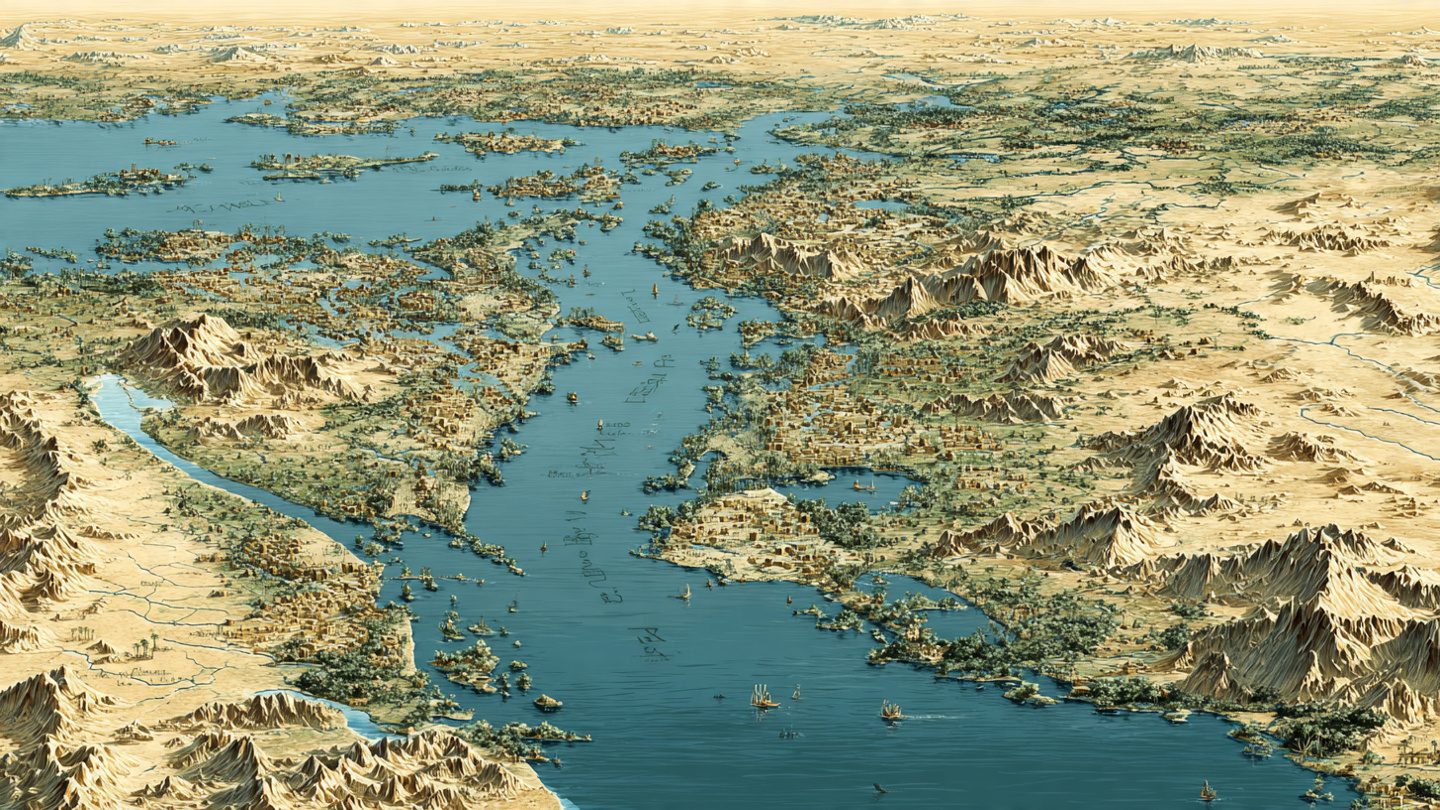
Before the unification of Egypt, the Nile Valley was divided into two distinct regions: Upper Egypt, located in the southern part of the country, and Lower Egypt, situated in the northern delta. Although united by the life-giving Nile River, these regions developed unique cultural traditions, religious beliefs, and political systems. Understanding this duality is essential to understanding why Egypt eventually unified.
Geography and Early Societies
The geography of Egypt shaped everything. Upper Egypt consisted of a long narrow stretch of land bordered by desert plains, while Lower Egypt spread across the fertile delta with numerous waterways. People living in Upper Egypt developed a culture of small, tightly organized communities connected by trade routes along the river. Lower Egypt, with its open plains, produced larger settlements, advanced agriculture, and early political centers.
Archaeological evidence—from pottery designs to burial customs—shows that although the two regions interacted, they remained politically separate for centuries. The early kingdoms of Egypt competed for resources, influence, and control over trade routes that led to the Mediterranean, the Red Sea, and the Near East.
Early Cultural Symbols
Each region developed its own royal iconography.
-
The White Crown (Hedjet) represented Upper Egypt.
-
The Red Crown (Deshret) symbolized Lower Egypt.
These symbols later merged into the Double Crown (Pschent), representing a unified Egypt, and became one of the most powerful political images in history.

Rise of Narmer and the First Pharaohs
The key figure associated with the unification of Egypt is King Narmer, often identified with the legendary Menes, the founder of the First Dynasty. Narmer’s name appears on one of the most important artifacts ever discovered: the Narmer Palette, a ceremonial slab showing the pharaoh wearing both the White and the Red Crowns—symbolizing dominion over both Upper and Lower Egypt.
Narmer’s Campaign and Conquest
Many historians believe Narmer led a military campaign from Upper Egypt to conquer the delta territories. The Narmer Palette depicts symbolic scenes of victory, subjugation, and divine approval. While some scholars argue that the unification may have been gradual and peaceful, the artistic evidence suggests that warfare, strategic alliances, and ceremonial power played major roles in the process.
Narmer consolidated power by:
-
Establishing a central government
-
Creating a unified religious ideology
-
Standardizing artwork, writing, and pottery
-
Developing new administrative cities such as Memphis
Through these actions, Egypt transformed from a collection of regional cultures into a single structured society.
The Role of Memphis
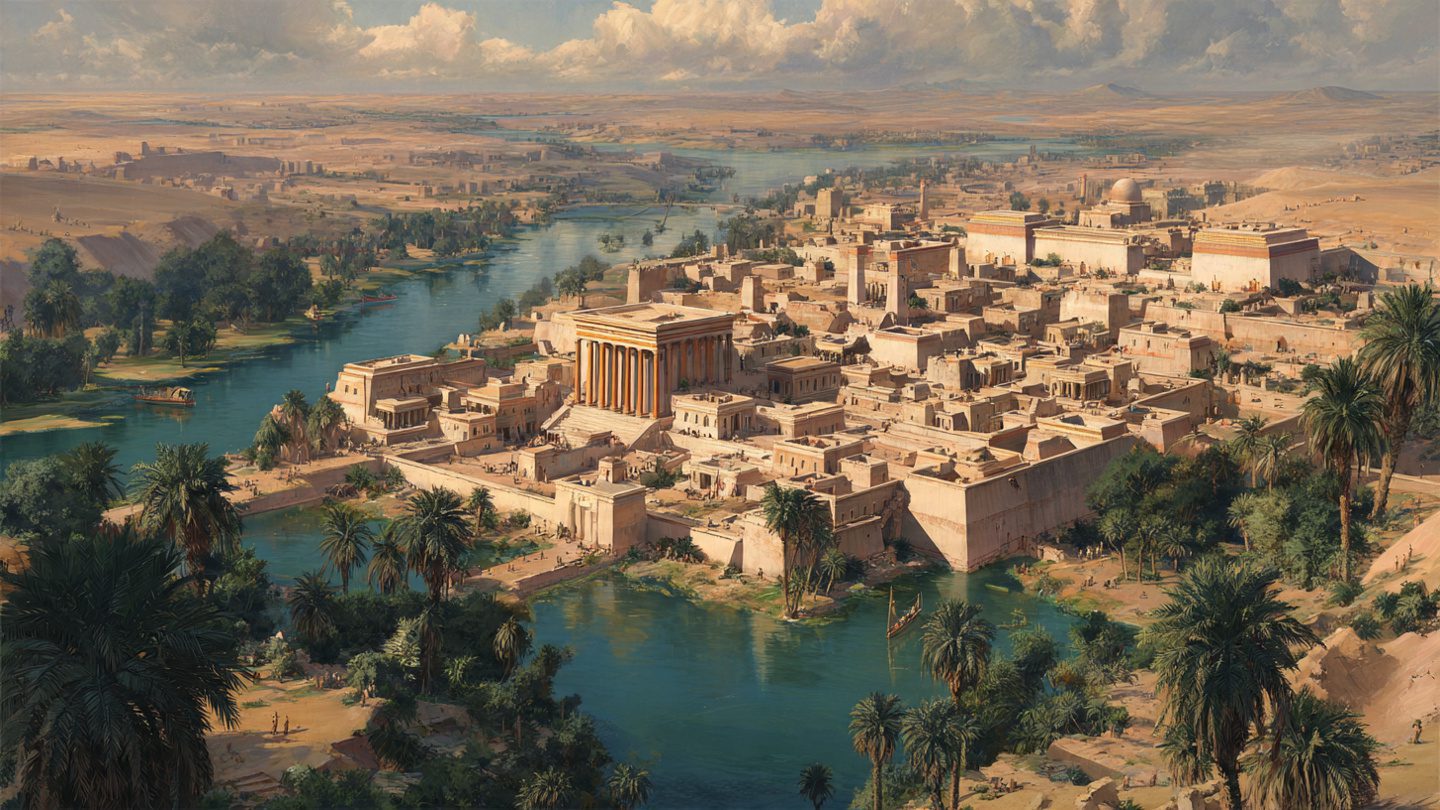
After unification, Narmer—or possibly his successor—established Memphis near the apex of the Nile Delta. Strategically located between Upper and Lower Egypt, Memphis became the political and administrative capital of the unified kingdom for centuries. It symbolized the blending of the Two Lands and served as the heart of early Egyptian statecraft.
Early Earth Atmosphere and Oceans: Origins of a Living Planet
Building the First Dynasty
The First Dynasty laid the foundation for Egypt’s future greatness. This period brought profound changes in leadership, social organization, and cultural expression, marking the transition from prehistoric communities to a fully developed civilization.
Government and Administration
Egypt’s early rulers developed one of the world’s first centralized governments. The pharaoh became the supreme authority, believed to be a divine mediator between the gods and the people. Beneath him, officials managed taxation, agriculture, irrigation, and justice.
Key innovations included:
-
Hierarchical bureaucracy with scribes and overseers
-
Standardized taxation based on crop production
-
Irrigation systems that increased agricultural output
-
Record-keeping in hieroglyphs
This administrative structure allowed Egypt to flourish while maintaining stability for thousands of years.
Religion and Divine Kingship
Religion played a central role in legitimizing the new state. The pharaoh was seen as the embodiment of Horus, the falcon-god of kingship. The unification was often interpreted as a divine event—the merging of cosmic forces that maintained order (Ma’at) in the world.
Temples in major cities created a unified religious identity. Deities such as Horus, Neith, and Hathor gained prominence, representing both Upper and Lower Egyptian traditions.
Art, Writing, and Early Achievements
With unification came massive cultural advancements:
-
Early hieroglyphs developed into a standardized writing system.
-
Monumental architecture emerged, including early tombs (mastabas).
-
Artistic conventions such as profile figures and hierarchical proportions were crafted.
-
Trade networks expanded abroad.
Egypt became a cultural powerhouse, and its creative output reflected stability, wealth, and spiritual depth.
Impact of Unification on Egyptian Civilization
The unification of Egypt had far-reaching effects on all aspects of life—from politics and economy to culture and identity. It marked the beginning of what we now call the Early Dynastic Period, setting the stage for the Old Kingdom and the Age of the Pyramids.
Economic Growth and Agricultural Innovation
A unified Egypt meant coordinated control over the Nile’s annual floods. This allowed for large-scale irrigation projects, increased food production, and stable economic growth. Farmers produced surplus crops, enabling specialization in other fields such as craftsmanship, trade, and administration.
Trade connections expanded to:
-
Nubia
-
The Levant
-
The Sinai Peninsula
-
Mediterranean islands
Egypt became a hub of international commerce.
Cultural Unification and National Identity
The unification also created a shared national identity. Egyptians began to see themselves as one people protected by a divine ruler. This sense of unity helped maintain internal stability and allowed monumental projects—such as pyramids and temples—to be realized.
Festivals, myths, and symbols (like the Two Ladies: Nekhbet and Wadjet) represented both lands and emphasized the importance of harmony.
Military and Strategic Advantages
The unified Egypt became a strong military power. With combined forces, it could defend its borders, control trade routes, and intimidate rivals. This paved the way for centuries of expansion and influence.
What We Know About the Big Bang – and What Remains a Mystery
Legacy of the Unification
The decision—or destiny—of uniting Upper and Lower Egypt created one of humanity’s greatest civilizations. Its legacy is visible today in the monuments, texts, art, and political structures that have survived millennia.
Long-Lasting Political Structures
Egypt’s concept of kingship influenced later cultures, including the Greeks and Romans. The idea of a divine ruler who maintains order became a core feature of ancient political thought.
Cultural Continuity for Millennia
Despite many changes, Egypt remained culturally consistent for over 2,500 years. The symbols of the Two Lands persisted in:
-
Pharaoh’s regalia
-
Temple art
-
Royal titles
-
Religious festivals
This continuity is unmatched in world history.
Archaeological Contributions
Archaeological discoveries—from the Narmer Palette to burial sites—continue to shape our understanding of early history. The unification period remains a focus for Egyptologists because it reveals how human societies transition from tribal structures to centralized states.
Summary
The unification of Egypt around 3100 BCE stands as one of the most pivotal events in ancient history. The merging of Upper and Lower Egypt under King Narmer created the world’s first great nation-state and set the foundation for centuries of cultural, political, and technological achievements. Through centralized government, religious unification, and agricultural innovation, Egypt evolved into a civilization renowned for its art, architecture, writing, and spiritual traditions. The legacy of this unification continues to influence our understanding of leadership, culture, and societal development.
FAQ
1. Who unified Egypt?
King Narmer, also identified with Menes, is traditionally credited with unifying Upper and Lower Egypt.
2. When did the unification occur?
Around 3100 BCE, at the beginning of the Early Dynastic Period.
3. Why were Upper and Lower Egypt separate?
Geography and early regional cultures developed independently along the Nile.
4. What symbol represents the unification?
The Double Crown (Pschent), combining the Red and White Crowns.
5. Why is the unification important?
It created the centralized state that allowed Egypt to flourish for thousands of years.
Call to Action (CTA)
If you want to explore more deep-dive articles about Egypt, ancient civilizations, or early world history, follow our page and stay updated with new educational content. Your journey through ancient knowledge starts here!





