Demonic Entities Hidden Behind “Innocent” Games – From Ouija Boards to Modern Apps
 Befrey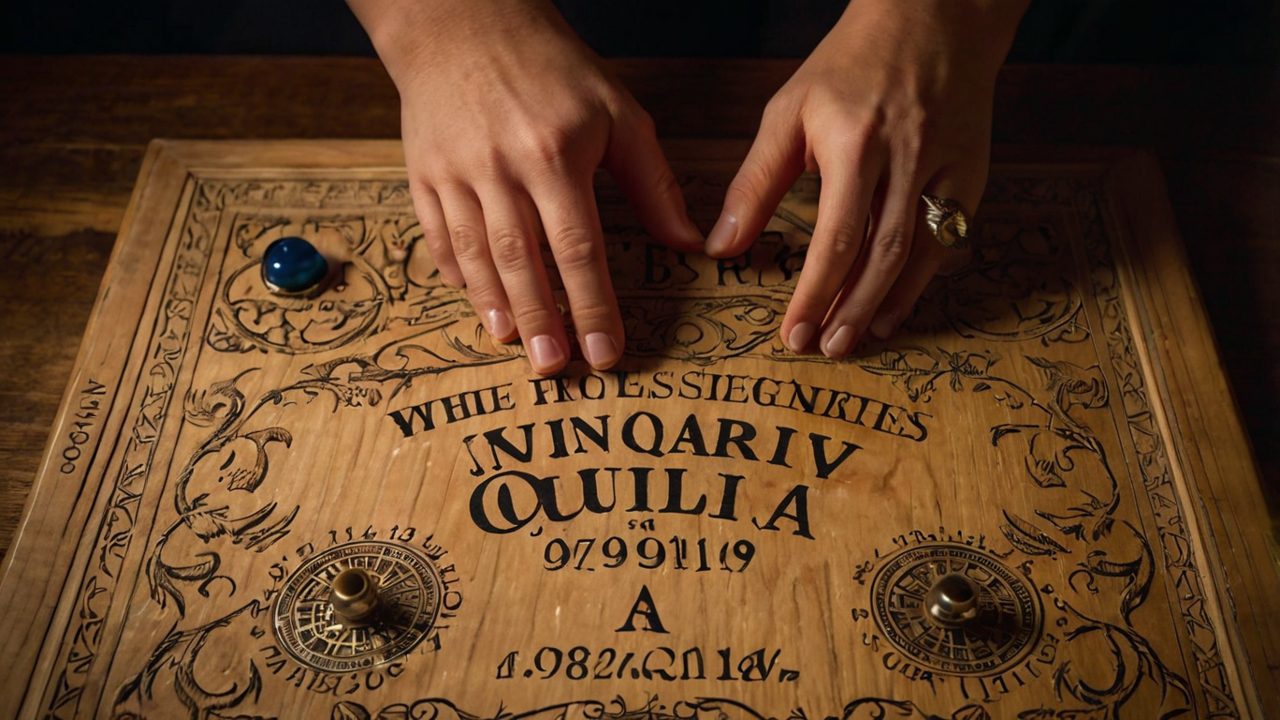
Demonic entities hiding behind innocent games—along with their synonyms like dark spirits, malevolent energies, occult entities, or supernatural forces—form a topic often dismissed as superstition. Yet millions of people around the world still report unsettling experiences. These stories link classic spirit-communication tools such as the Ouija board with modern digital versions, including smartphone apps and online “spirit games.” Whether you are a beginner curious about the subject or a professional in psychology, spirituality, paranormal research, or digital culture, this extensive article will explain the phenomenon clearly and deeply.
The Hidden Dangers Behind Occult Games
Many people assume that games dealing with spirits or communication with “the other side” are harmless entertainment. They see the colorful design, the simple instructions, or the playful interface and believe there is no real threat. However, for centuries, spiritual traditions around the world have warned that certain practices may open doors that are hard to close.
These warnings apply not only to traditional tools such as the Ouija board, pendulums, or spirit writing but also to modern digital adaptations. What appears innocent—an app for “summoning spirits,” a filter that imitates paranormal activity, or online challenges like “Charlie Charlie”—may carry psychological, emotional, and in some cases spiritual risks.
At the core of these concerns lies the main keyword: demonic entities hiding behind innocent games. Understanding this concept requires examining why people use these tools, how these entities are believed to operate, and why modern technology has made the issue more widespread.

How Demonic Entities Manipulate Human Curiosity
Human curiosity makes us vulnerable to unknown forces. Young people especially enjoy testing boundaries, seeking thrills, and exploring forbidden topics. In many cases, this curiosity becomes a gateway.
The Role of Low-Vibration Emotional States
Many occult traditions claim that demonic entities are drawn to certain emotional states—fear, loneliness, anger, grief, or desperation. Games that promise answers, excitement, or supernatural phenomena often trigger exactly these emotions.
The Illusion of Control
Players believe they control the board, the app, or the ritual. But according to many belief systems, the sensation of control is an illusion. The entity chooses how to respond, what to reveal, and what to hide.
Progressive Manipulation
First contact is rarely dramatic. Paranormal researchers describe patterns:
-
Initial fascination
-
Subtle responses that feel “too accurate to be random”
-
Growing emotional dependency
-
Requests or demands from the entity
-
Negative psychological shifts
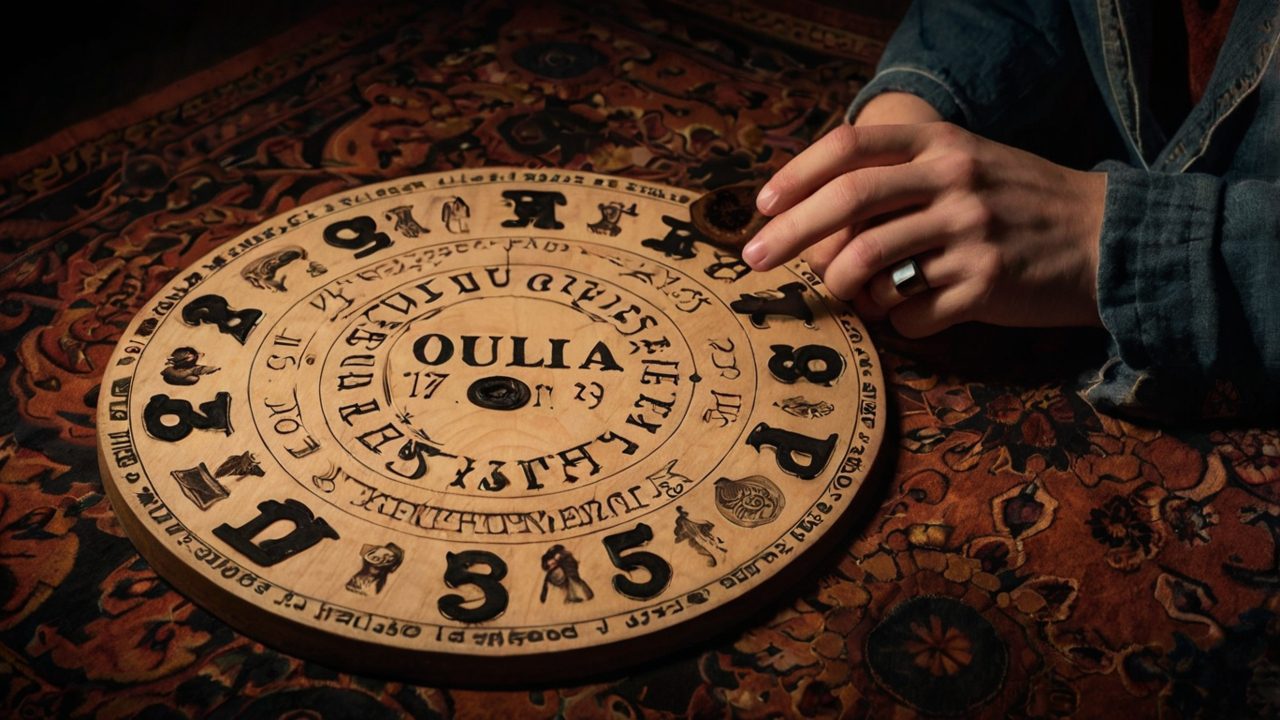
This progression is almost identical whether the communication happens through a wooden Ouija board or a smartphone screen.
Why Modern Apps Are Not Safer Than Traditional Tools
It may seem absurd that an app downloaded from an app store could serve as a channel for demonic entities. Yet millions report disturbing experiences: sleep paralysis, nightmares, obsessive thinking, electronic disturbances, or a sense of being watched.
Digital Tools as Psychological Portals
Even if one does not believe in literal spiritual beings, interactive apps simulate paranormal phenomena so convincingly that they can trigger:
-
dissociation
-
heightened fear response
-
self-suggestion
-
obsessive focus
-
sleep disruption
These states make people more susceptible to believing they are interacting with external forces.
“Energy Intent” Theory
Spiritual practitioners argue that intention matters more than the tool. If a person seeks contact with unknown forces—whether through a wooden board, a pencil ritual, or a mobile app—they symbolically “open the door.” That alone, they claim, is enough for demonic entities hiding behind innocent games to enter the user’s life.
Continuous Access
Smartphones stay with us at all times. Users can open spirit-communication apps in bed, in the dark, or in emotionally vulnerable moments. This increases psychological intensity and perceived authenticity.
Historical Roots of Spirit Communication
To understand today’s digital phenomenon, we must look at the long history of tools used to contact the unseen.
Ancient Civilizations
-
Mesopotamia used tablets for divination.
-
Greece consulted spirits through oracles.
-
China had “spirit writing” boards centuries before the West.
Many cultures believed that supernatural beings could influence objects or tools.
The Victorian Spiritualist Movement
In the 19th century, spirit communication became fashionable. People gathered to attend séances, use talking boards, or attempt automatic writing. These events often produced wild psychological reactions—crying, fainting, panic, or obsessive attachment.
The Birth of the Ouija Board
When the Ouija board was commercialized in the late 1800s, it was marketed as a toy. The familiar concept of “innocent games hiding darker forces” began here. Reports of hauntings, possession, or psychological distress soon followed.
The Digital Revolution
Today, the same patterns have simply moved online. Instead of a medium guiding a séance, we have algorithmic apps mimicking paranormal responses.
Psychological Explanations vs. Spiritual Interpretations
Both beginners and experts must understand that there are two major interpretations of these phenomena.
Psychological Perspective
Many reactions can be explained scientifically:
-
Ideomotor effect (unconscious micro-movements move the planchette)
-
Confirmation bias
-
Emotional projection
-
Suggestibility
-
Sleep deprivation caused by fear
-
Digital overexposure
Psychology shows how the mind can create convincing illusions.
Spiritual Perspective
Many religions and spiritual traditions argue that demonic entities are real and opportunistic. They claim these beings:
-
disguise themselves as harmless spirits
-
manipulate players emotionally
-
attach themselves to vulnerable individuals
-
increase negative influences over time
Even skeptics often acknowledge the unsettling patterns reported by users.
The Combined Model
Some professionals argue that the most realistic explanation may combine both views:
-
Psychological vulnerability
-
Ritualistic focus
-
Symbolic invitation
-
Technological amplification
Together, these factors create an environment where people feel they are communicating with something external—real or imagined.
How Demonic Entities Hide Behind Digital Interfaces
Demonic entities hiding behind innocent games is more than a metaphor. Many traditions describe specific strategies used by these entities to mask their intentions.
Mimicking “Friendly Spirits”
They often pretend to be:
-
deceased relatives
-
protective guides
-
humorous or playful beings
-
bored spirits seeking company
This builds trust.
Giving Accurate Personal Information
Users often report receiving:
-
childhood memories
-
private fears
-
names of relatives
-
specific details known only to the user
Some psychologists attribute this to algorithms or self-suggestion, but spiritual interpretations argue that entities extract information energetically.
Gradual Shift to Darker Tone
Over time, messages become:
-
threatening
-
manipulative
-
demanding
-
obsessive
The shift is usually slow, like grooming.
Emotional Dependence
The entity may create a cycle:
-
Comfort
-
Confusion
-
Fear
-
Reassurance
-
Stronger attachment
This mirrors psychological manipulation patterns used in toxic relationships.
The Role of Technology in Enhancing Paranormal Suggestibility
Smartphones, AR filters, and horror content have changed how people interpret supernatural events.
Constant Exposure
Users watch creepy videos, horror challenges, or “communication tutorials,” priming their minds to expect paranormal activity.
Real-Time Interactivity
Games respond instantly to input, making them feel alive.
Algorithmic Adaptation
Some apps use microphones, gyroscopes, vibration sensors, and predictive text to create “paranormal” responses.
Multisensory Immersion
Modern apps combine:
-
visual effects
-
sound cues
-
vibration patterns
-
randomized messages
Even professionals can be momentarily fooled.
Warning Signs That You May Have Opened a Door
People who use these games often report similar patterns afterward—across cultures, ages, and belief systems. These warning signs may be psychological, environmental, or spiritual.
Emotional Symptoms
-
sudden fear or paranoia
-
unexplained sadness
-
irritability
-
obsessive thinking about the game
-
attachment to the entity
-
nightmares
Physical Symptoms
-
insomnia
-
sleep paralysis
-
fatigue
-
sensations of being touched
-
cold spots
Environmental Symptoms
-
electronics malfunctioning
-
lights flickering
-
objects falling
-
strange sounds
-
whisper-like noises
Spiritual Symptoms
-
oppressive atmosphere
-
shadow figures
-
feeling watched
-
reoccurring dark dreams
-
symbolic messages
These patterns appear regardless of whether the communication happened through a board or a smartphone.
Protective Measures for Beginners and Professionals
Not everyone believes in demonic entities, but taking precautions is still wise—psychologically and spiritually.
Psychological Safety
-
avoid using such games when stressed
-
do not play alone
-
set clear boundaries
-
avoid obsessive repetition
-
ground yourself afterward with normal activities
Spiritual Safety
Different traditions recommend:
-
cleansing rituals
-
prayer or meditation
-
closing statements (ending the session properly)
-
protective symbols
-
avoiding further contact
Regardless of belief, setting boundaries helps maintain emotional stability.
Why People Keep Returning to These Games
Understanding motivation is key to avoiding manipulation.
Thrill and Curiosity
Humans crave mystery and adrenaline.
Desire for Connection
Many use these tools to reach loved ones who have passed away.
Seeking Guidance
People turn to supernatural games when they feel lost.
Boredom
The digital era provides constant novelty, making paranormal apps feel like “next-level entertainment.”
Social Pressure
Online challenges spread rapidly, encouraging risky behavior.
Conclusion: The Real Threat Behind “Innocent” Games
Whether one interprets these games as psychological triggers or spiritual gateways, the risks are real. The concept of demonic entities hiding behind innocent games warns us that tools used to communicate with the unknown—traditional or digital—should never be taken lightly. Curiosity can quickly turn to obsession, fear, or emotional disturbance.
Understanding the history, psychology, and spiritual dangers offers better protection. Awareness is the most powerful shield.
SUMMARY
This article explored how demonic entities hiding behind innocent games—including Ouija boards and modern apps—may influence users emotionally, psychologically, and spiritually. It discussed manipulation tactics, historical roots, digital threats, warning signs, and protective strategies. Whether viewed through science or spirituality, these practices carry real risks.
Spirit or Entity – A Being Without a Physical Body, Considered the Soul of the Deceased
FAQ
1. Can a smartphone app really connect with a supernatural entity?
It can create psychological openness; intention matters more than the tool.
2. Are Ouija boards more dangerous than digital apps?
Both can produce similar emotional and psychological effects.
3. What are the first signs of negative influence?
Nightmares, paranoia, fear, sleep issues, and obsessive thinking.
4. Can children be more vulnerable?
Yes, due to high suggestibility and emotional sensitivity.
5. How can I protect myself?
Avoid playing alone, end sessions properly, set boundaries, and maintain emotional stability.
CALL TO ACTION (CTA)
Want more in-depth guides on spiritual safety, digital paranormal risks, or psychological protection?
Just tell me: “Create more articles like this.”
I can also create ebooks, social posts, and video scripts on this topic.