
 Befrey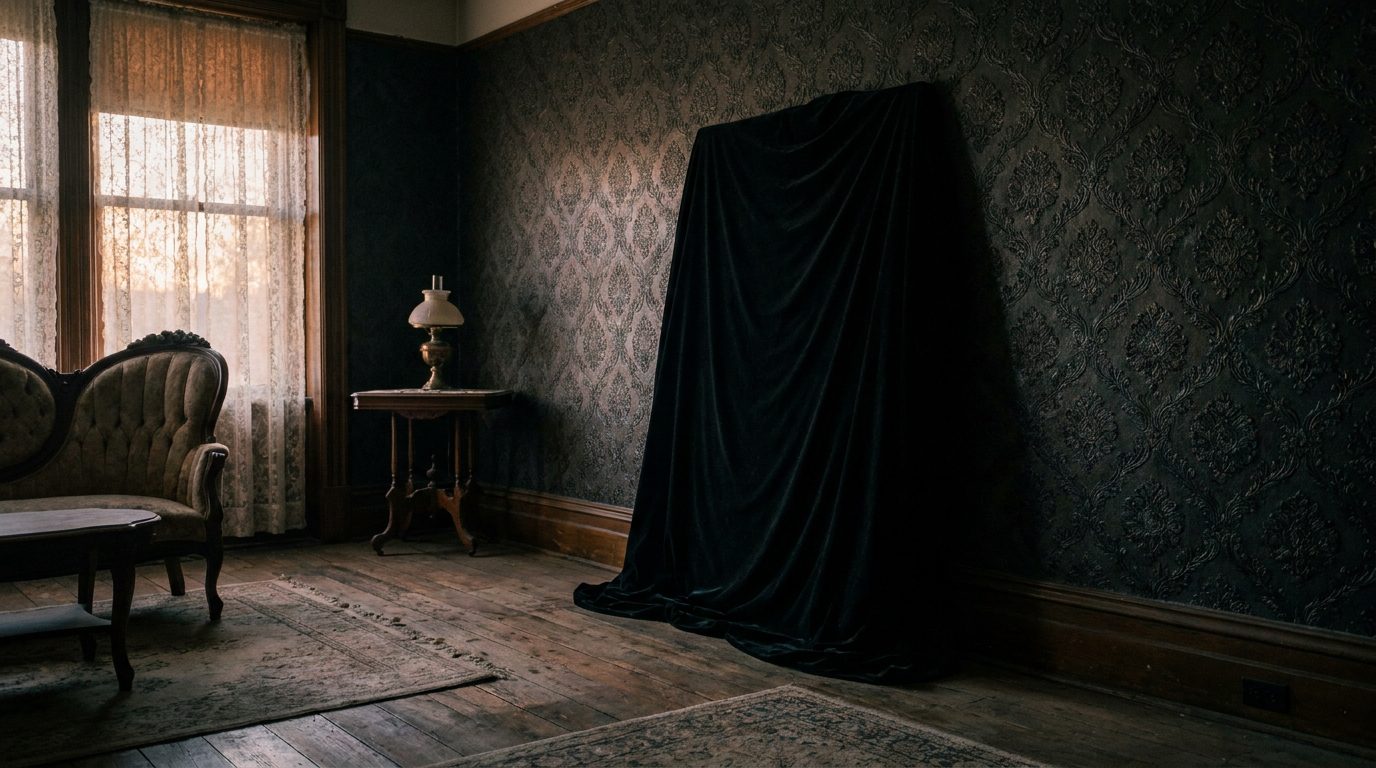
Ghosts and Mirrors – Why Old Mirrors Should Never Be Broken or Thrown Away is a topic that spans ancient folklore, occult traditions, and psychological intrigue. For millennia, glass reflection objects have been viewed as portal gateways capable of trapping restless spirits, residual energy, and metaphysical imprints. When an antique reflective surface breaks or is discarded carelessly, spiritual traditions warn that bound spiritual entities are suddenly released into the physical environment. People around the globe report bizarre paranormal occurrences shortly after shattering glass or disposing of antique mirrors at landfills. Whether examining silver nitrate backing chemistry, optical illusions, or ancient mourning customs, the connection between reflective glass and spiritual phenomena remains deeply chilling. Understanding why these household items carry such profound metaphysical weight requires looking closely at folklore, physics, and spiritual preservation practices.
Mirror Portals and Spiritual Boundary Dynamics
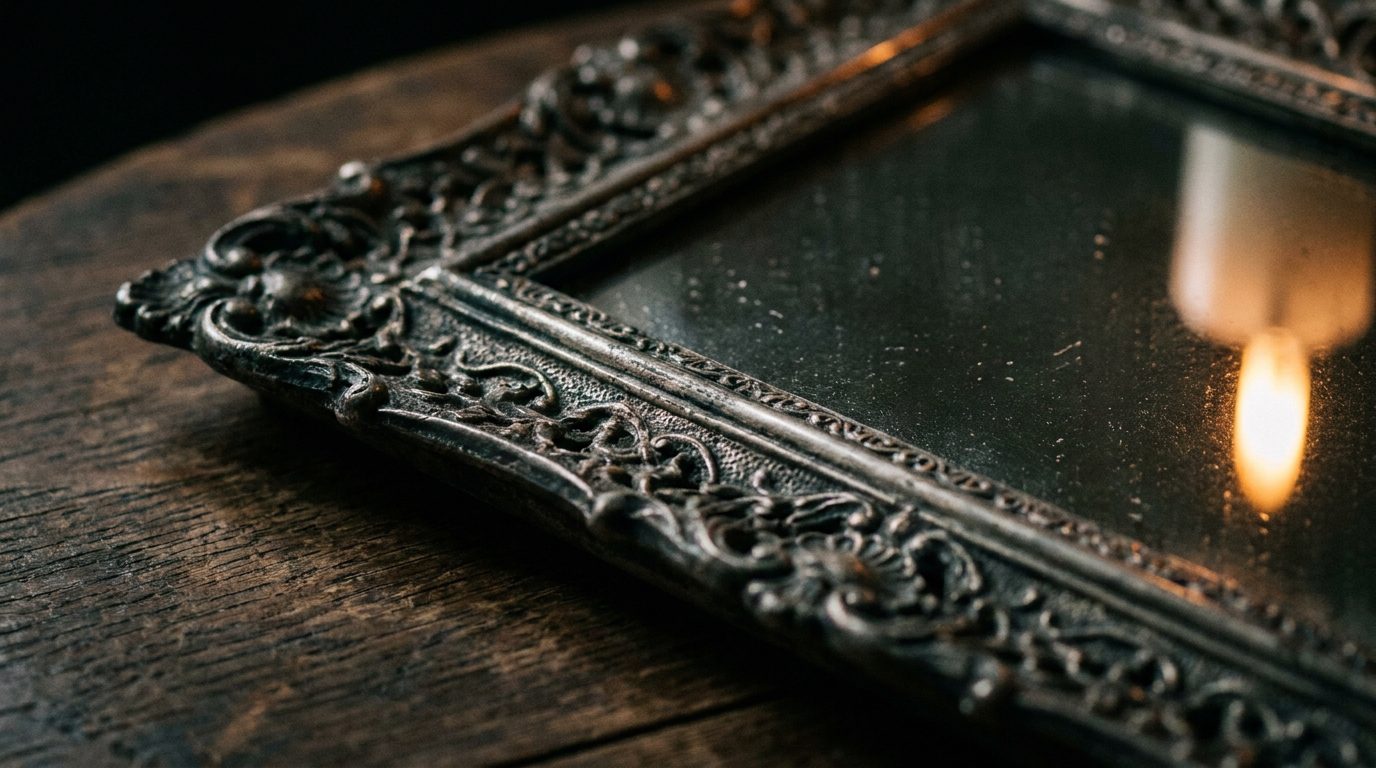
The supernatural theory of mirror portals and spiritual boundary dynamics explains how reflective surfaces act as thresholds between worlds. Spiritual practitioners believe silver-backed glass functions as an energetic doorway connecting physical reality to non-physical planes. When a person sits before an antique mirror, the reflective plane acts as a thin membrane separating dimensional energies. If an entity occupies an environment, it can become magnetically drawn into the reflective surface and trapped behind the glass boundary. Breaking the frame or shattering the glass violently ruptures this energetic seal, releasing trapped energy into the home. Parapsychologists suggest that old mirrors accumulate ambient spiritual energy over decades of continuous exposure to human emotions. Throwing away an antique mirror without proper spiritual cleansing can scatter lingering spiritual attachments into new environments.
Broken Glass Superstitions and Seven Years Curse
Rooted deep in human history, broken glass superstitions and seven years curse traditions originate from ancient Roman spiritual beliefs. Romans believed that a person’s soul renewed itself every seven years, making life cycles intrinsically linked to health and fortune. If a person shattered a reflective surface, the glass was thought to capture and distort their vital spiritual energy. This damage to the soul’s reflection resulted in seven years of misfortune until the next spiritual renewal cycle occurred. In many European traditions, breaking an antique mirror was considered a direct omen of impending household tragedy or death. Folk remedies to avert the curse included burying the broken shards in moonlit soil or submerging them in running river water. Today, these ancient beliefs persist as cautionary tales warning people never to smash old glass carelessly.
Antique Mirror Cleansing Rituals and Spiritual Safety
Before moving or disposing of old glass, practicing antique mirror cleansing rituals and spiritual safety prevents unwanted spiritual disturbances. Spiritual workers emphasize that vintage mirrors must be energetically neutralised before changing ownership or location. Washing the reflective glass with sea salt water, sage smoke, or moonwater helps dissolve accumulated emotional residue. Covering an antique mirror with a black cloth during transportation shields the glass from capturing chaotic external energies. If a mirror must be discarded, traditional practitioners recommend painting the glass surface opaque or burying it face down. These protective steps ensure that any bound spiritual imprints remain contained or gently released without causing energetic chaos. Taking time to treat old reflective objects with spiritual respect protects living spaces from residual hauntings.

Scrying Mirrors and Occult Divination Practices
Dark reflective surfaces have long been utilized in scrying mirrors and occult divination practices to peer beyond physical reality. Ancient Egyptian, Greek, and Elizabethan mystics used polished obsidian and dark mirrors to communicate with spirit guides and foretell future events. By staring continuously into a dimly lit reflective plane, the human mind enters a hypnotic state known as sensory deprivation. Practitioners report seeing shadowy figures, distant events, and glowing symbols materializing within the depth of the glass. Because scrying intentionally opens spiritual portals, instruments used for divination absorb tremendous amounts of residual spiritual energy. Discarding or breaking a scrying mirror without proper ceremonial closure can leave an open doorway in the home. Respecting these specialized reflective tools is essential for maintaining energetic balance within sacred spaces.
Catoptrophobia and Perception Optical Illusions
Looking at the phenomenon through neuroscience reveals how catoptrophobia and perception optical illusions explain mirror hauntings. Catoptrophobia refers to the persistent, irrational fear of mirrors and reflective surfaces, particularly in dim lighting conditions. When a person stares into a mirror in low light, the Troxler Effect causes peripheral visual details to fade and distort rapidly. The brain attempts to fill in missing visual information, projecting monstrous faces, shadowy shapes, or glowing eyes onto the reflection. This natural neurological trick creates convincing illusions of paranormal apparitions lurking behind the observer. Combined with high stress or hyper-vigilance, these optical misinterpretations convince individuals that their mirror is genuinely possessed or haunted. Understanding these cognitive processes helps demystify scary experiences while highlighting the incredible power of human perception.
Victorian Mourning Customs and Covered Mirrors
The rich history of Victorian mourning customs and covered mirrors highlights how societies protected souls during bereavement. During the 19th century, strict mourning protocols required covering every mirror in a house immediately after a family member passed away. People believed the newly departed soul hovered near the corpse and could become trapped inside reflective surfaces. If a living person glimpsed their reflection in a room holding a deceased body, tradition claimed their soul would be drawn away. Covered mirrors prevented the spirit from becoming confused, ensuring a peaceful transition into the afterlife realm. These traditions were observed meticulously across Europe and North America to safeguard both the living and the dead. Today, remnants of these mourning customs persist in various cultural funeral traditions around the globe.

Captive Entities and Residual Energy Imprints
Belief in captive entities and residual energy imprints suggests that old glass stores emotional vibrations like a tape recorder. Glass made with natural metals like silver and lead acts as a high-conduction medium for spiritual energy. Decades of witnessing human arguments, grief, trauma, or joy leave permanent energetic footprints upon the mirror’s metallic backing. When a new owner brings an uncleansed vintage mirror home, they may experience sudden mood swings, cold spots, or feeling watched. Parapsychologists classify these disturbances as residual hauntings—energetic loops replaying past events without conscious intent. Shattering a mirror infused with heavy residual energy scatters those emotional vibrations into the room like broken glass shards. Preserving old mirrors intact prevents dispersing this dense emotional history into living environments.
Safe Mirror Disposal and Repurposing Methods
Knowing safe mirror disposal and repurposing methods allows homeowners to manage antique glass safely without inviting bad luck or energetic chaos. If an old mirror is damaged beyond repair, spiritual tradition recommends wrapping the pieces in dark cloth before disposal. Painting over the reflective surface with dark acrylic paint seals the optical plane, rendering the mirror metaphysically inert. Donation to antique restorers or artists who repurpose vintage glass gives the object new life while preserving its historical integrity. Repurposing antique frames for artwork or black chalkboard surfaces removes the reflective hazard while maintaining vintage charm. By approaching disposal with intention and care, you respect both the physical object and its long history.
Aamon Demonology: The Mysterious Marquis of Hell and His Hidden Powers
Houses That Refuse to Die – Real Cases of Buildings Where Tragedy Keeps Reoccurring
When Ghosts Take Revenge: True Stories of Cursed Graves
Summary
Ghosts and Mirrors – Why Old Mirrors Should Never Be Broken or Thrown Away explores the fascinating intersection of occult traditions, folklore, and perceptual science. Spiritual theories suggest mirrors act as portals capable of holding captive entities and residual energy imprints over decades. Ancient traditions, including Roman broken glass superstitions and Victorian mourning customs, emphasize protecting the soul from reflective traps. Modern science explains mirror terror through catoptrophobia and perception optical illusions like the Troxler Effect in dim light. By following safe mirror disposal and antique mirror cleansing rituals, homeowners can manage old glass safely while respecting both historical folklore and spiritual boundaries.
FAQ
Why were mirrors covered when someone died in Victorian times? Mirrors were covered to prevent the deceased person’s soul from becoming trapped inside the reflective surface. People also believed that seeing one’s reflection near a corpse could cause sudden illness or death.
What happens spiritually if you accidentally break an old mirror? Spiritual traditions state that breaking an old mirror releases trapped residual energy and shatters your energetic reflection, bringing seven years of bad luck. Folk remedies suggest burying the broken pieces under moonlight to neutralize the curse.
How can I safely cleanse an antique mirror I bought at a thrift store? You can cleanse an antique mirror by wiping the glass with salt water, passing sage or palo santo smoke over the frame, and leaving it to sit under moonlight overnight while covered in a dark cloth.
What is the Troxler Effect in relation to mirror hauntings? The Troxler Effect is a natural visual phenomenon where fixed staring in low light causes peripheral visual details to fade. The brain fills the gaps with distorted images, making your own reflection look like a monster or shadow figure.
How should you dispose of an old mirror without triggering bad luck? To dispose of an old mirror safely, cover the reflective glass completely with opaque black paint or wrap it securely in a dark cloth before discarding or burying it face down.
CTA
Do you have an antique mirror with a strange history or unexplained energy in your home? Share your stories, experiences, and questions in the comments below! Subscribe to our channel and newsletter for more deep dives into unexplained folklore, historical mysteries, and spiritual safety guides.





