Houses That Refuse to Die – Real Cases of Buildings Where Tragedy Keeps Reoccurring
 Befrey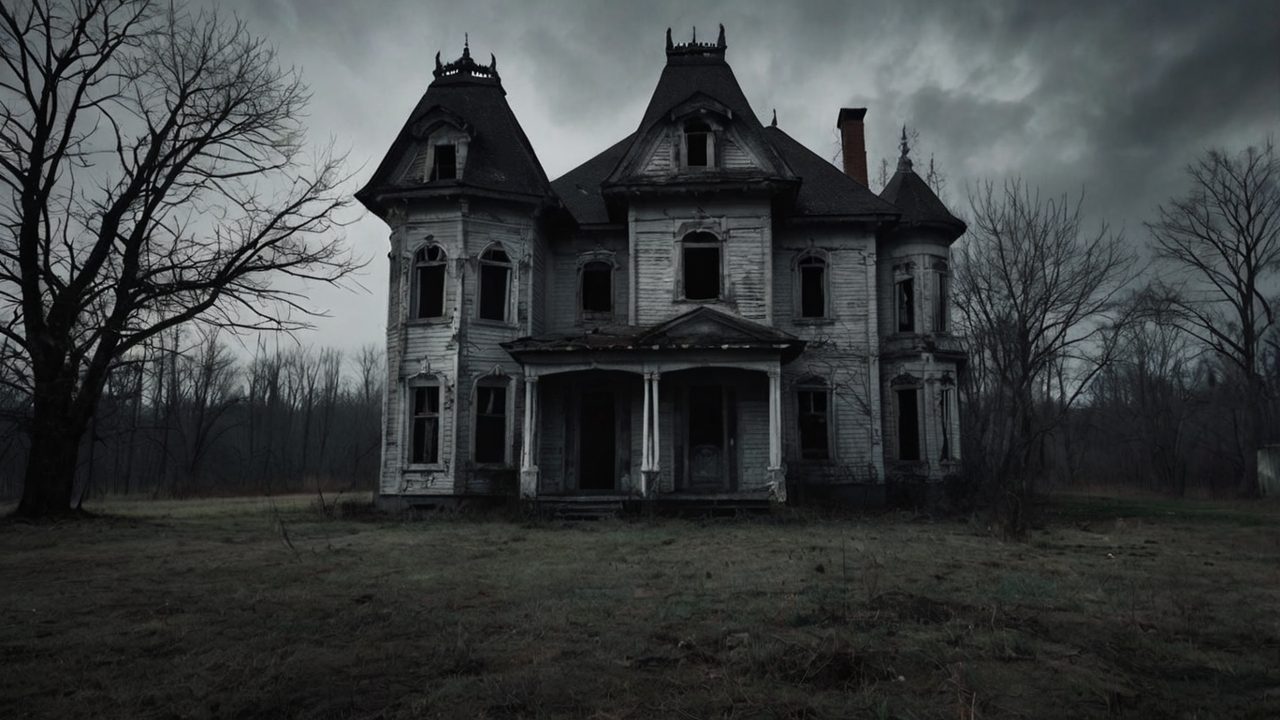
Some places seem unwilling to let go of the past.
Even after flames reduce them to ashes or wrecking balls erase their walls, the darkness that once lived within them lingers.
These are the houses that refuse to die — buildings where tragedy repeats, haunting energy persists, and sorrow refuses to fade.
The idea of a haunted house isn’t just the stuff of ghost stories. Across history and around the world, there are documented cases of cursed homes, tragic houses, and properties that continue to draw misfortune even after being destroyed. Whether through paranormal energy, restless spirits, or the heavy imprint of trauma, these houses defy time and reason.
The Enduring Mystery of the Haunted House
A haunted house is often described as a place where unseen forces interact with the physical world — footsteps in empty halls, whispers in the dark, sudden cold spots, or repeated accidents that defy logic. But the phenomenon of houses that refuse to die goes further. These are not merely haunted houses; they are cursed buildings whose tragic cycles persist despite cleansing, exorcisms, or even demolition.
The human mind craves explanations. Why do tragedies repeat in one location? Is it coincidence? Are these houses cursed? Or do they harbor spiritual residues that attract misfortune?

Researchers, paranormal investigators, and historians have long debated these questions. Some point to intelligent spirits, conscious entities that manipulate energy and interact with the living. Others propose residual hauntings, where emotional trauma imprints itself onto the very structure of a building.
Either way, one thing is certain: some houses seem unwilling to die.
The Anatomy of a Cursed Building
To understand why some homes seem bound to tragedy, we must look at what they have in common.
Patterns emerge across centuries of haunted history:
-
Repeated deaths or suicides within the same home
-
Sudden fires, often under mysterious circumstances
-
Accidents or illnesses that follow each new owner
-
Persistent paranormal phenomena (apparitions, sounds, moving objects)
-
Negative psychological effects on inhabitants — insomnia, depression, or aggression
Even when such buildings are torn down, rebuilt, or blessed, the pattern of tragedy often resumes. The ground itself, some say, holds the memory.
Real Cases of Houses That Refuse to Die
Below are chilling examples of real-life houses where tragedy persisted through generations, demolitions, and decades of haunting.
1. The House That Burned — But Wouldn’t Stay Gone
In the early 20th century, a stately mansion stood at the edge of a quiet forest. Families who lived there spoke of unexplainable cold winds, voices whispering in locked rooms, and children talking to invisible “friends.” One night, lightning struck, and the house was consumed by fire.
Locals thought the tragedy had ended — until the rebuilding began. Workers reported tools moving on their own, eerie laughter echoing at night, and sudden bursts of flames from untouched walls. Within a year, the rebuilt house burned again.
Even after the ruins were cleared, visitors described hearing screams where the house once stood. Today, nothing remains but stone foundations — yet the energy still feels heavy, as if the earth itself remembers.

2. The Mansion of Unending Suicides
Another tragic site was an elegant estate once owned by a wealthy industrial family. Over several decades, at least four members of the same bloodline died by suicide — each in a different wing of the same home.
New owners tried to erase the past by renovating every inch, but the sorrow would not leave. Guests spoke of mirrors fogging with words that appeared as if written by unseen hands, and portraits falling from walls during family arguments.
The house was eventually sold to developers, who demolished it to build new apartments. Yet even the new residents reported nightmares and feelings of despair. Some refused to sleep in certain rooms. A local psychic declared the land to be “alive with unfinished business.”
3. The Demolished Orphanage That Still Cries at Night
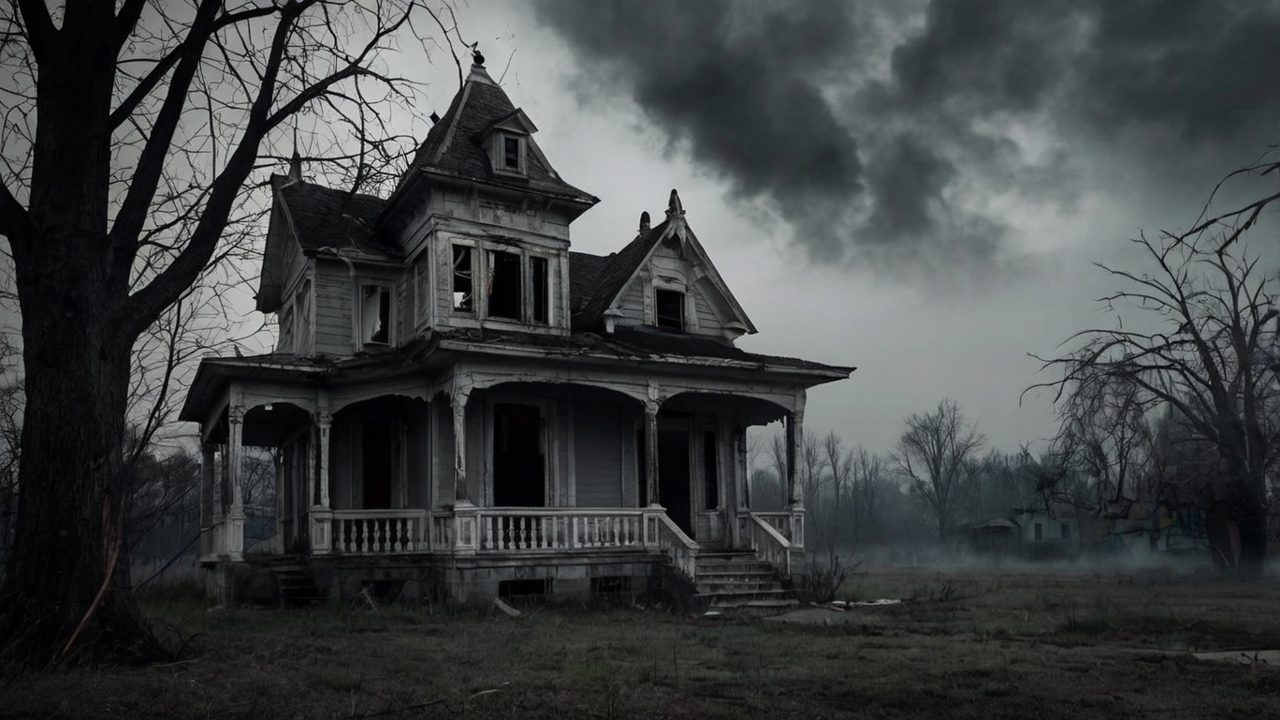
Long abandoned, this Victorian orphanage was notorious for its cruel headmaster, whose punishments drove several children to illness and death. Decades after closing, neighbors reported hearing children’s laughter at midnight and the sound of small footsteps on the rotting floors.
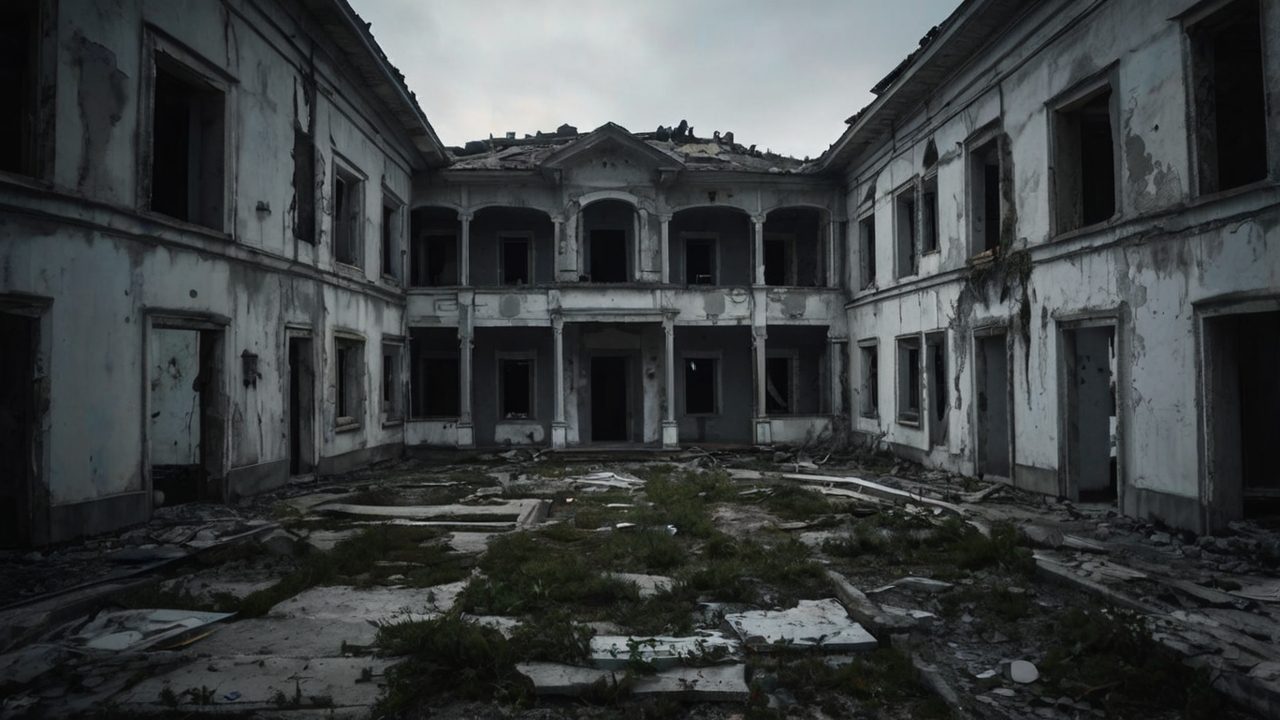
When the city finally demolished the building, people hoped peace would follow. Instead, construction workers began suffering freak accidents — falling scaffolds, broken bones, and unexplained power surges. The lot remains undeveloped, fenced off as though the land itself refuses intrusion.
4. The House on the Hill — A Tragic Loop
In the 1970s, a newlywed couple bought a charming farmhouse on a hill. Within months, the husband suffered a fatal accident in the barn. The grieving wife sold the property, but every new owner afterward met disaster — a fall, a car crash, an unexplained heart attack.
Eventually, the last owner tore it down, hoping to end the curse. A modern home was built on the site… only for the builder himself to die before completion. Locals still avoid the hill, calling it “The House That Refuses to Die.”
Why Some Houses Attract Endless Tragedy
Theories abound about why certain properties become centers of repeated misfortune.
1. Energy Imprint Theory
This theory suggests that intense emotional or physical trauma leaves a lasting energy signature on a place. These imprints can replay like an echo — moments of violence, fear, or sorrow repeating themselves indefinitely.
2. Intelligent Spirit Hypothesis
Some researchers believe intelligent spirits inhabit these houses — conscious entities capable of communication, movement, and even revenge. Learn more about this in my article What Are Intelligent Spirits and How Do They Manifest Themselves?.
3. Lost Souls That Refuse to Move On
Another explanation is that lost souls, trapped between realms, remain bound to the site of their death or trauma. These spirits may cause ongoing tragedy as they struggle to resolve unfinished business. Read more in What Are Lost Souls?.
4. Poltergeist Activity
In some “undying houses,” disturbances resemble poltergeist phenomena — violent energy bursts, thrown objects, loud knocks, or electrical chaos. Such activity might be fueled by intense emotion from the living, amplifying the haunting. Explore this further in What Is a Poltergeist and How Does It Manifest Itself?.
5. The Spirit or Entity Connection
At the core of all these possibilities is the idea that unseen entities influence physical reality. If you’re curious about the nature of these beings, read Spirit or Entity: A Being Without a Physical Body Considered the Soul of the Deceased.
Modern Evidence and Spirit Communication
Advancements in paranormal research have given investigators new ways to explore haunted locations. One of the most intriguing methods is EVP — Electronic Voice Phenomena — where spirits supposedly communicate through static or white noise.
Some recordings capture whispers, names, or cries in places long abandoned. In cases of “houses that refuse to die,” EVP evidence often reveals voices repeating the same words or pleas, suggesting awareness or distress.
For a deeper dive into this phenomenon, see EVP Recordings and Spirit Communication: Exploring the Unseen World.
The Psychological Angle — When Fear Becomes Reality
Not every tragedy tied to a haunted house must be supernatural.
Sometimes, the belief itself becomes a curse.
Living in a place believed to be haunted can cause extreme anxiety, paranoia, and insomnia. Families under this pressure might begin acting erratically, fighting more often, or making dangerous mistakes.
Psychologists call this a self-fulfilling haunting — the belief in a curse manifests chaos that feels supernatural.
Still, the question remains: why do similar tragedies occur even after decades, or when the building no longer exists? Coincidence can explain some cases, but not all.
The Science of Haunted Energy
Some researchers propose that electromagnetic fields, underground water, or mineral deposits might affect human perception and mood.
However, none of these scientific explanations account for repeated deaths or accidents over generations.
Could it be that certain materials or architectural designs trap emotional energy? Could trauma itself alter the molecular energy of a place?
Though science may dismiss hauntings as superstition, even skeptics admit that some houses feel “wrong” from the moment you step inside.
When the Ground Remembers
Many haunted houses that refuse to die share one eerie trait — even when demolished, the land remains cursed.
Psychics often describe these grounds as holding a “recording” of events, much like energy etched into stone.
New buildings on these sites often suffer similar fates: fires, illnesses, business failures, or psychological breakdowns among residents.
It’s as if the land itself demands remembrance, punishing those who try to forget.
The Symbolism of the Indestructible House
On a deeper level, the idea of a house that refuses to die represents something profoundly human — our inability to escape the past.
We build walls to contain our memories, but grief seeps through. These buildings stand as mirrors of unresolved trauma, collective guilt, or repressed fear.
Every creak in the floorboards, every flicker in the dark reminds us that the past is never truly gone — only buried beneath the surface.
Can a Haunted House Be Cleansed?
Many traditions offer methods for breaking a curse or ending a haunting: smudging with sage, prayer, salt, blessed water, or exorcism.
Some homeowners report success — at least temporarily. Others say the house grows even angrier afterward, as though the spirit resents being disturbed.
The truth may depend on what type of energy inhabits the place:
-
Residual energy can fade over time.
-
Intelligent spirits may respond to dialogue or ceremony.
-
Lost souls may need help to move on.
-
Poltergeists might quiet when emotional balance is restored.
But if the haunting is tied to the land — not the house — escape might be impossible.
The Unseen World of Spirits and Energy
For those open to metaphysical understanding, the haunted house is a physical intersection between the world of the living and the dead.
Entities trapped there may not even know they are dead. Others linger from guilt, rage, or confusion.
In many belief systems, the soul’s journey is disrupted by sudden or violent death. Such spirits may cling to the last place they felt alive — and if that place is destroyed, they remain, haunting the air itself.
Living in a House That Refuses to Die
If you ever find yourself drawn to an old home with a mysterious past, remember this: every house tells a story. Some are peaceful; others are desperate to be heard.
Before buying, always:
-
Research the property’s history.
-
Talk to previous owners or neighbors.
-
Pay attention to your instincts when entering.
-
Keep a journal if you notice patterns or strange dreams.
Should tragedy or disturbances arise, document everything — but also take care of your mental health. Fear is contagious, and haunted houses often thrive on it.
Summary
Houses that refuse to die remind us that not all ghosts are visible.
Some live in memory, in emotion, or in the soil beneath our feet.
These haunted houses are more than superstition; they are expressions of human pain and persistence. They ask us to consider how deeply trauma can root itself in our world — and how the energy of the past may never truly fade.
Whether through the echoes of lost souls, the persistence of intelligent spirits, or the psychological weight of belief, these buildings continue to whisper: the past is never dead — it’s only sleeping beneath the ruins.
FAQ
Q1: Can a house really be haunted even after demolition?
Yes. Many “houses that refuse to die” show continued paranormal activity or tragedy on the land itself, suggesting the haunting is tied to location rather than structure.
Q2: Are ghosts the only explanation for repeated tragedies?
Not necessarily. Energy imprints, psychological stress, or cursed ground may also play a role.
Q3: How can one know if their house is cursed or haunted?
Signs include repeated misfortunes, apparitions, strange sounds, or overwhelming negative emotions among residents.
Q4: Can a haunting ever truly end?
Some fade naturally; others persist for generations. Success depends on the nature of the entity or energy involved.
Q5: What’s the difference between residual haunting and intelligent spirit activity?
Residual hauntings replay past events like recordings, while intelligent spirits interact and respond to the living.
Call to Action
If this exploration of houses that refuse to die fascinated you, continue your journey into the unseen.
Dive deeper into the mysteries of the spirit world:
-
Learn about EVP Recordings and Spirit Communication
-
Explore What Are Intelligent Spirits and How Do They Manifest Themselves?
-
Understand What Are Lost Souls?
-
Examine What Is a Poltergeist and How Does It Manifest Itself?
Don’t just read about the supernatural — understand it.