Spirit or Entity – A Being Without a Physical Body, Considered the Soul of the Deceased
 Befrey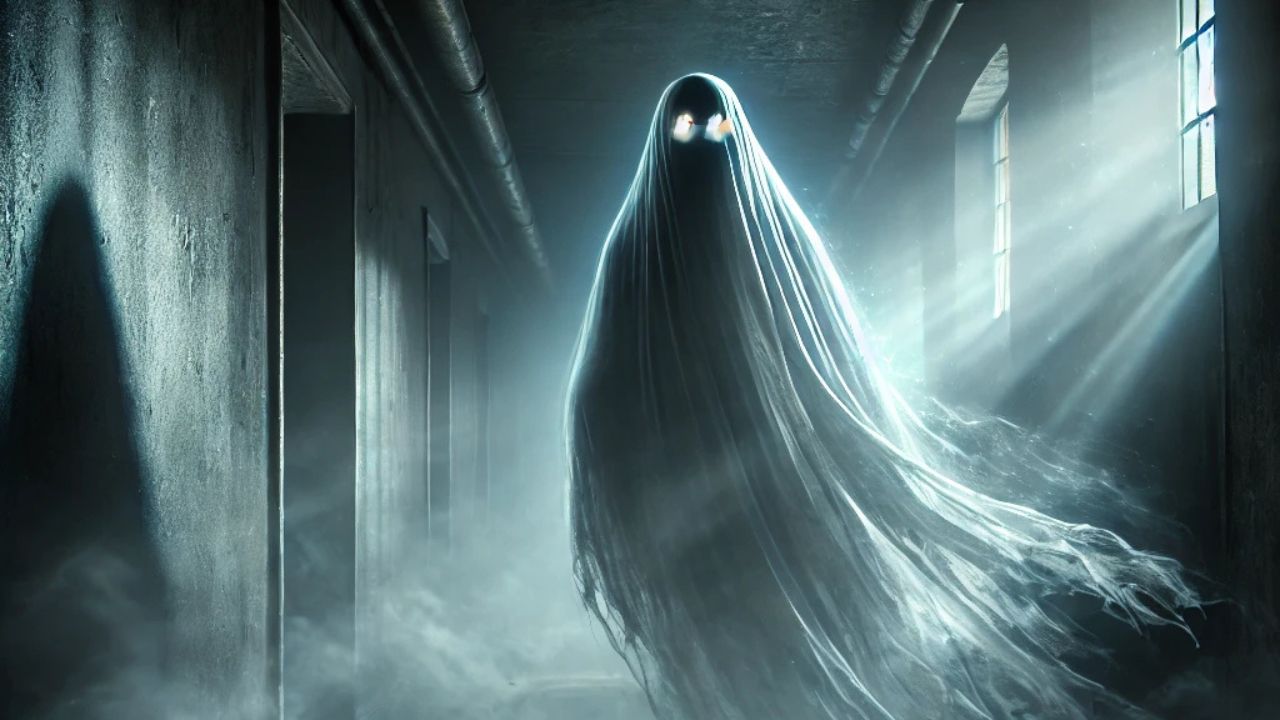
The concept of a spirit or entity as the soul of the deceased has fascinated humanity for millennia. Across cultures, belief systems, and religions, there exists a shared idea: when a person dies, a non-physical part of them—commonly called a spirit, ghost, or entity—may continue to exist, often in an invisible or ethereal form.
But what are these spirits? Why do so many believe in them? And how do different cultures interpret their presence? In this article, we’ll explore the historical, spiritual, and psychological aspects of disembodied beings known as spirits or entities.
What Is a Spirit or Entity?
A spirit or entity is generally defined as a non-corporeal being, lacking a physical form, and often regarded as the soul or essence of a person who has died. These beings are believed to exist in a realm beyond our physical perception, sometimes interacting with the living, whether benevolently, neutrally, or malevolently.
The idea of spirits transcends religion and science, appearing in folklore, mythology, and even modern paranormal research. While not proven by empirical science, belief in spirits continues to be a significant part of human culture and spirituality.

Historical Roots of Spirit Beliefs
Belief in spirits dates back to prehistoric times, when early humans buried their dead with tools, food, and personal items—suggesting a belief in an afterlife.
Ancient Civilizations:
-
Ancient Egypt: Egyptians believed in the ka (life force) and ba (soul), which lived on after death. Spirits were often honored through rituals to ensure safe passage to the afterlife.
-
Ancient Greece: Greeks believed in shades, spirits of the dead that resided in Hades.
-
Chinese Tradition: Ancestor worship in China is rooted in the belief that spirits of the deceased influence the living and must be venerated.
Types of Spirits and Entities
While the terminology may differ, here are some commonly recognized types of spirits/entities:
1. Ghosts
Traditionally believed to be the souls of the dead who have not “moved on.” They may appear in specific places (hauntings) or times.
2. Poltergeists
A German term meaning “noisy ghost.” These entities are said to cause physical disturbances such as knocking, object movement, and more.
3. Shadow People
Dark, humanoid figures that appear on the edge of vision, often associated with fear or malevolent energy.
4. Spirit Guides
Positive, benevolent spirits believed to assist the living, often referenced in spiritualism and New Age thought.
5. Residual Energy
Not technically spirits, but emotional or traumatic events that leave an imprint on a location, replaying like a recording.
How Different Cultures View Spirits
Western Beliefs:
In Christianity, spirits of the dead either go to heaven, hell, or purgatory. Ghosts are sometimes seen as souls in limbo.
Eastern Beliefs:
In Hinduism and Buddhism, the soul may reincarnate. Restless spirits may arise due to improper rituals or unfulfilled karma.
Indigenous Views:
Many indigenous cultures, such as Native American or African tribal groups, hold strong beliefs in spirit worlds, ancestors, and nature spirits.
Scientific and Psychological Perspectives
While science generally doesn’t support the literal existence of spirits, some explanations include:
-
Sleep paralysis: Can produce the sensation of a presence in the room.
-
Grief hallucinations: Bereaved individuals may “see” or “hear” loved ones.
-
Electromagnetic fields and infrasound: Some scientists believe environmental factors can create experiences interpreted as paranormal.
Modern Paranormal Research
Paranormal investigators often use tools like EMF detectors, EVP (Electronic Voice Phenomena) recorders, and thermal cameras to detect spiritual presence. Though controversial, such investigations have grown in popularity through media and reality TV.
Why Do People Believe in Spirits?
Belief in spirits is driven by many factors:
-
Fear of death and the unknown
-
Hope for an afterlife or spiritual continuity
-
Personal experiences and anecdotal evidence
-
Cultural or religious upbringing
Ultimately, spirits serve as a bridge between the physical world and the spiritual unknown, offering meaning in times of loss and curiosity in the face of mystery.
Conclusion
Whether as comforting presences, terrifying hauntings, or spiritual guides, spirits and entities have captivated our imagination for centuries. The idea that a being can exist beyond death is not only a core part of many religions but also a deeply human attempt to understand the great unknown.
By examining these beliefs through historical, cultural, and psychological lenses, we can better appreciate why the concept of a spirit or entity as the soul of the deceased remains so enduring in human thought.