
 Befrey
WARNING: This article is a work of pure satire. Read only if you possess a functioning sense of humor and spare underwear.
Humanity stands at the precipice of an unprecedented physiological and existential threshold that threatens the very core of our modern biological evolutionary framework. For millennia, Homo sapiens survived apex predators, glacial shifts, and tectonic realignments through a complex neural network optimized for immediate sensory feedback and threat recognition. Today, however, our species encounters a vastly more formidable ecological stressor that fundamentally challenges our central nervous system: learning how to go 5 minutes without checking your phone. Recent empirical observations conducted by independent couch-bound researchers suggest that attempting to sever the intimate optical-tactile bond between a human being and a high-refresh-rate OLED display for three hundred consecutive seconds induces a state of acute neuro-digital withdrawal. This phenomenon is characterized by phantom pocket vibrations, catastrophic existential dread, and an uncanny physical inability to sit quietly with one’s own uncurated thoughts. As the global digital ecosystem expands, understanding the mechanics of this severe tactile dependency is no longer merely a matter of personal productivity; it is a critical matter of urgent, highly dramatic survival.
The Neurological Epidemic of the Phantom Pocket Vibration
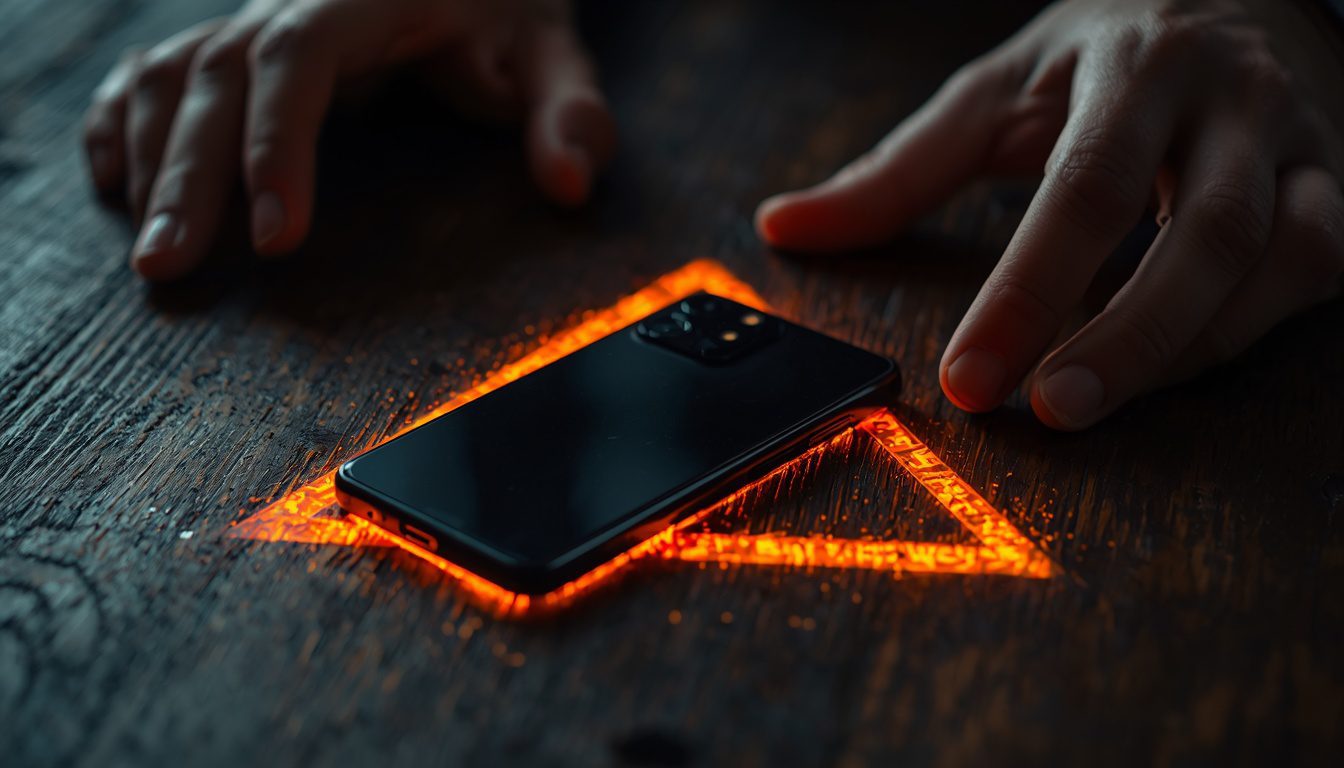
To truly comprehend the sheer, unadulterated madness of the five-minute digital fast, one must first analyze the complex neuro-hormonal cascade that occurs when an individual attempts to place their smartphone face-down on a wooden coffee table. Within the initial forty-five seconds of intentional screen detachment, the human brain detects a catastrophic disruption in its primary dopamine distribution pipeline. The prefrontal cortex, suddenly deprived of continuous streams of low-effort short-form video content and algorithmically generated outrage, begins sending frantic distress signals directly to the adrenal glands. This triggers a immediate, involuntary physiological response known universally to modern epidemiology as the Phantom Pocket Vibration Syndrome. During this phase, the patient’s thigh muscle experiences micro-spasms that perfectly mimic the haptic resonance of a push notification from an obscure food delivery application. The biological impulse to reach into one’s pocket becomes so overwhelming that it bypasses conscious executive function entirely, forcing the individual into an involuntary twitching motion that severely threatens the integrity of their immediate physical surroundings.
The evolutionary biology underlying this specific sensory delusion remains a topic of intense, highly speculative debate among prominent, self-proclaimed internet scholars. Early anthropological models suggested that early humans scanned the horizon for Sabertooth Tigers, whereas modern humans scan an illuminated glass rectangle for validation regarding an uninspired photograph of an artisanal avocado toast. When the continuous stream of glowing pixels is abruptly severed for a duration approaching three full minutes, the brain constructs phantom notifications as a desperate survival tactic to restore the missing electromagnetic stimulation. The central nervous system essentially gaslights itself into believing that a crucial, life-altering message has arrived from a high school acquaintance with whom the user has not spoken since late 2011. Denying this phantom stimulus causes an immediate spike in blood pressure, localized sweating around the thumbs, and an intense, irrational urge to aggressively check the current meteorological conditions in a mid-sized city located in an entirely different timezone.
Advanced Protocols for Sustaining Three Hundred Seconds of Screen Isolation
Navigating the perilous transition from continuous screen exposure to absolute digital stillness requires a highly structured, scientifically questionable methodology designed to mitigate acute psychological shock. The primary phase of this protocol, colloquially referred to by leading productivity gurus as the Tactical Object Relocation Strategy, involves physically moving the mobile device to a location that requires more than two physical steps to reach. Placing the smartphone across the room on a bookshelf, or underneath a slightly heavy throw pillow, introduces an operational friction coefficient that forces the individual to briefly contemplate their actions before succumbing to muscle memory. However, field reports indicate that advanced subjects frequently crawl across high-pile living room carpets on all fours while completely unconscious of their actions, retrieving their glowing devices before the sixty-second mark has been successfully logged by an external observer.
For those brave souls who successfully navigate the physical separation phase, the secondary phase introduces the concept of Tactile Material Substitution. To prevent the hands from curling into the permanent C-shaped claw associated with holding a modern phablet device, practitioners are strongly advised to grip a completely inert, non-electrical substitute object during the designated five-minute window. Ideal physical substitutes include a thoroughly dried avocado pit, an unpeeled Russet potato, or a particularly smooth river rock that has been cleansed of all ambient Wi-Fi signals. By focusing one’s tactile senses upon the cold, motionless texture of an inanimate natural object, the motor cortex can occasionally be tricked into believing it is maintaining control over a very heavy, extremely unproductive communications device. This mechanical deception provides a critical structural bridge across the vast, terrifying abyss of minute three, allowing the mind to momentarily forget the existential necessity of checking real-time stock indices for companies in which one holds zero financial investment.
The Psychological Stages of Prolonged Analog Perception
When an individual successfully crosses the threshold of three minutes without activating an illuminated display, the psychological landscape undergoes a dramatic and unsettling metamorphosis. Stripped of the protective digital buffer that normally shields the human mind from unfiltered reality, the subject is forced to engage in direct, unmediated contact with their immediate physical environment. Rooms that previously served as mere background settings for mobile scrolling suddenly reveal horrifying levels of architectural detail, such as small dust motes drifting lazily through ambient sunlight or minor paint imperfections situated near the baseboard. This sudden, uncurated sensory flood often causes profound cognitive disorientation, as the brain struggles to process visual inputs that lack a recognizable comment section, an algorithmic recommendation engine, or a double-tap heart icon indicating community approval.
By minute four of the digital fast, the concept of temporal flow begins to distort in ways that completely defy standard relativistic physics. Objective atomic clocks may indicate that merely sixty seconds have elapsed since the last optical scan of the lock screen, yet the subjective internal experience of the individual stretches into vast, sweeping epochs equivalent to several geological eras. Deep, dormant existential questions—long buried under a healthy regime of endless social media feeds and endless push notifications—begin to rise to the surface of conscious thought like long-lost sea monsters breaking through arctic ice. The subject may suddenly find themselves contemplating the true nature of linear time, the ultimate fate of forgotten high school acquaintances, or whether they properly turned off the stove in an apartment they moved out of six years ago. This phase represents the absolute apex of the biological crisis, where the urge to double-check the weather forecast becomes a matter of raw, instinctual survival.
Social Implications of the Unplugged Human Anomaly
The rare individual who successfully master how to go 5 minutes without checking your phone invariably becomes a source of intense anxiety, suspicion, and deep moral concern for those around them. In a modern social landscape where continuous micro-glances at a glowing rectangle serve as the primary non-verbal cue for polite disinterest, sitting quietly with hands folded in one’s lap is viewed as an act of radical psychological defiance. Bystanders who observe a person simply staring into space for several consecutive minutes without a digital device in hand often assume the individual is experiencing a minor medical event, experiencing a profound mystical vision, or secretly plotting an elaborate physical heist of the immediate establishment.
Furthermore, the interpersonal dynamics of dining establishments, public transit corridors, and office breakrooms are severely disrupted by the presence of a fully present, non-scrolling human element. When everyone in a crowded room is safely immersed in their own hyper-personalized algorithmic bubbles, an unplugged individual acts as a glaring optical mirror that reflects the collective digital dependency of the room back upon itself. Friends and family members subjected to an unplugged companion during a social gathering will frequently offer their own devices out of sheer altruistic pity, operating under the tragic assumption that the companion’s battery has suffered a catastrophic terminal failure. The refusal of such digital charity is often met with cold, unblinking horror, as the group realizes they are sharing space with a rogue biological entity who is actively witnessing reality in uncompressed, real-time high definition.

Re-integrating with the Matrix After the Five-Minute Threshold
Reaching the magnificent, heroic milestone of three hundred complete seconds without digital interaction represents a monumental achievement in modern human endurance, comparable to scaling Mount Everest without supplemental oxygen or navigating a major IKEA retail store without initiating an argument with a loved one. As the fifth minute finally elapses, the subject is permitted to gently retrieve their device, press the power button, and allow the warm, soothing glow of a thousand unread notifications to wash over their fatigued ocular nerves. The sudden influx of low-priority emails, promotional text messages from corporate clothing retailers, and automated security alerts restores immediate biological equilibrium to the prefrontal cortex, bringing a deep, profound sense of physiological relief to the entire body.
How to Give a Funny Answer to the Question “When’s the Wedding?” (Using Smoke Signals)
How to Give a Funny Answer to the Question “When’s the Wedding?” (Using Smoke Signals)
How to Convince Your Dog That Your Socks Aren’t Chew Toys
How to Come Back from Shopping Without Buying Another Useless Thing You Don’t Need: A Scientific Emergency
Post-fast rehabilitation must be conducted with extreme caution to prevent severe digital bends, a condition caused by consuming too many high-density media feeds too rapidly after a period of total abstinence. Experts strongly recommend beginning the re-entry process by staring at a static image of a neutral color palette for at least thirty seconds before attempting to open complex social media platforms or high-tempo mobile gaming applications. By pacing the re-introduction of high-rate digital stimulation, the modern human can safely return to their natural state of continuous, blissful micro-distraction without compromising the structural integrity of their neural pathways. Ultimately, mastering the art of the five-minute digital fast teaches us a profound, timeless lesson about the human condition: that while reality is a pleasant place to visit for three hundred seconds, it lacks the customizable dark mode settings, instant auto-correct features, and algorithmic confirmation bias that make modern existence truly tolerable.





