Befrey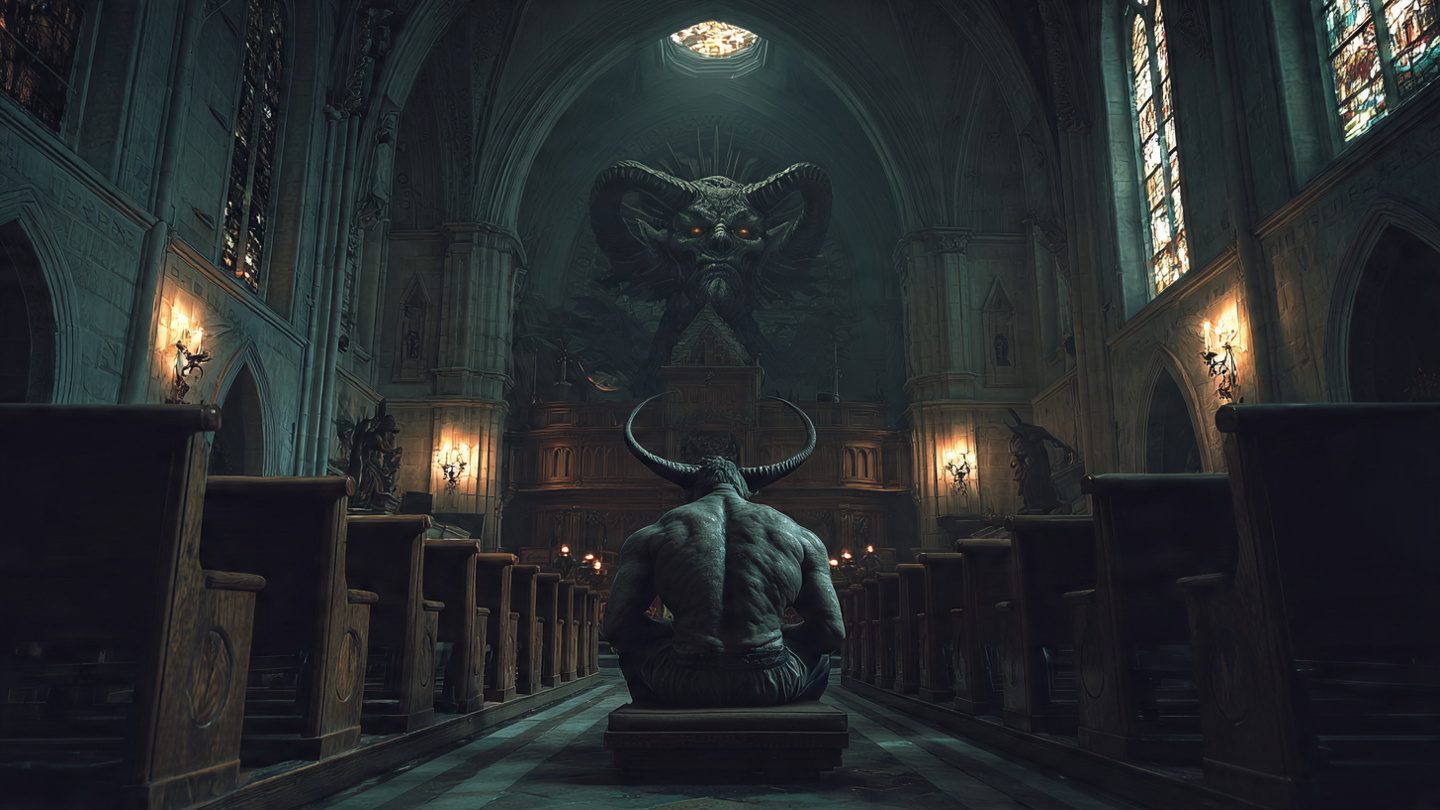
Some places feel wrong long before you understand why. In folklore, theology, and paranormal research, old ruins and unfinished temples often carry the darkest legends—especially when connected to demons from the underworld, infernal spirits, or entities believed to thrive where sanctity never took root. These abandoned churches, half-built chapels, and silent stone shells are said to resist blessings, repel consecration, and sometimes distort the natural world around them. While many stories are symbolic, psychological, or architectural in origin, others remain unexplained even to trained experts.
This article breaks down the phenomenon of never-consecrated churches for beginners and professionals alike. You will learn how such places are defined, why they were never blessed, and why myths link them to demons from the underworld and similar forces. Through history, theology, architecture, and paranormal interpretation, we explore how these structures became the perfect stage for fear, wonder, and speculation.
The Unholy Blueprint
For centuries, churches were constructed according to strict religious rules. The orientation, foundation, materials, and rituals mattered. But not every structure reached completion. Some were abandoned halfway due to wars, plagues, political conflicts, geological instability, or mysterious accidents. These unfinished spaces became ideal targets for storytelling.
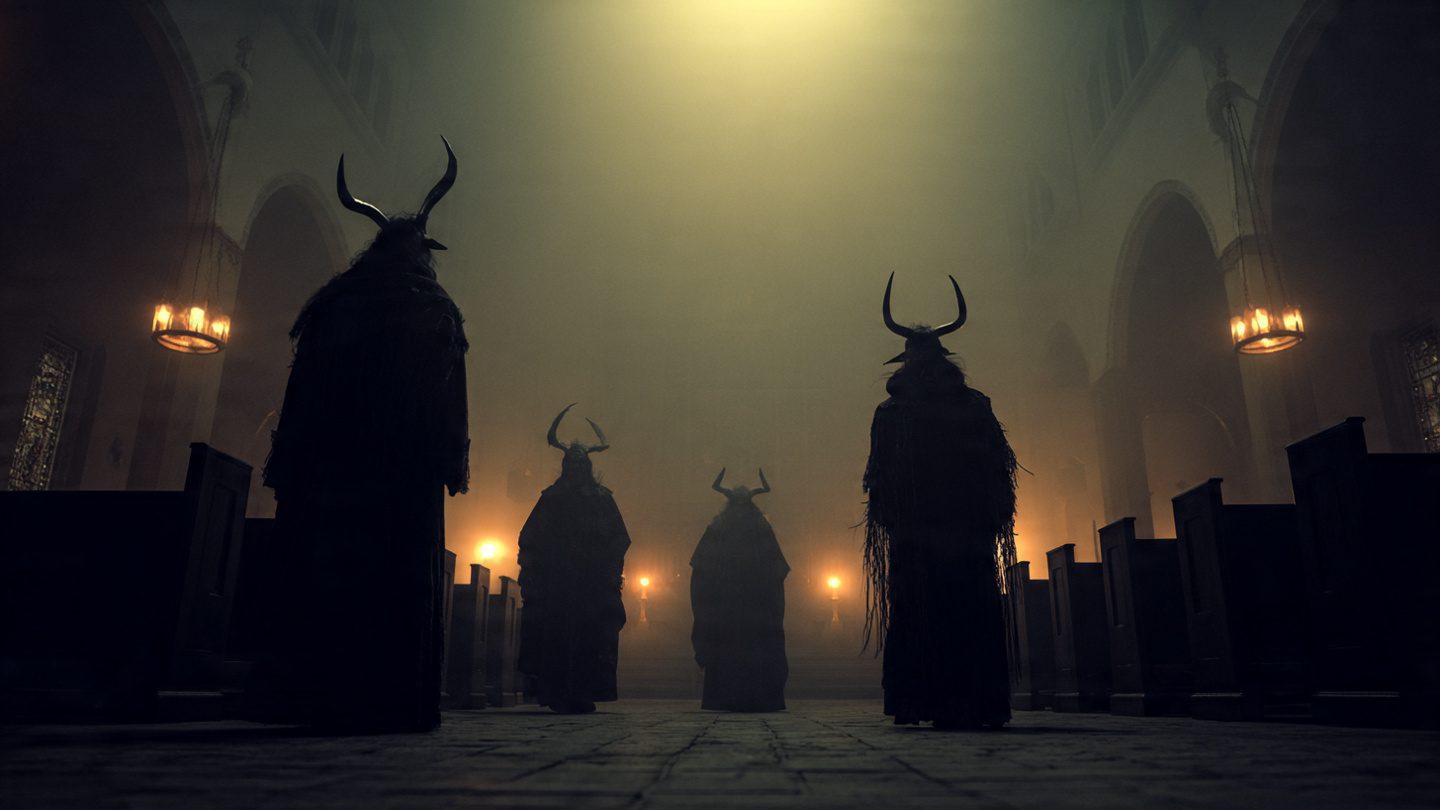
Unconsecrated churches often feel “wrong” because they lack the sacramental acts that define sacred space. Without a blessing, they are simply buildings—not sanctuaries. But folklore transforms them into liminal zones where the veil between the living and the unseen becomes thin. In many legends, demons from the underworld seek out such places, exploiting the absence of divine protection. Priests in medieval chronicles even claimed that certain structures “refused to be blessed,” as if the ground itself resisted holiness.

Whether symbolic or literal, the idea shaped centuries of myth. And it continues to capture the modern imagination.
Hidden Histories
Some unfinished churches are architectural casualties; others are spiritual puzzles. When investigating them, historians and paranormal researchers look at:
-
Abandoned foundations
-
Interrupted construction
-
Legends of cursed land
-
Reports of unexplainable events
-
Documents of failed consecration attempts
A recurring theme is that these sites remain “in-between.” They are neither secular nor sacred. They carry the design of a holy site but lack its spiritual identity.
In folklore, this ambiguity becomes a gateway for interpretations involving demons from the underworld, wandering souls, or residual energy. In academic terms, however, these myths reflect human attempts to explain failure, especially failure involving religion. But even scholars admit that some abandoned churches feature baffling natural anomalies—magnetic distortions, strange acoustics, or geological oddities—that enthusiasts easily associate with supernatural causes.
Why Some Churches Were Never Consecrated
There are many reasons a church never received a blessing. Some are mundane; others are dramatic. Below are the most common categories.
Human Conflicts
Construction often stopped due to wars, uprisings, or political shifts. When a region became unstable, religious projects were abandoned.
Economic Collapse
Building a church was expensive. If the funding dried up, the site remained unfinished—sometimes for centuries.
Architectural Failures
If foundations cracked, roofs collapsed, or materials proved unstable, religious authorities halted consecration for safety reasons.
Natural Disasters
Floods, earthquakes, and fires frequently halted construction. If rebuilding was too costly, the church remained a ruin.
Spiritual Legends and Fear
Some communities believed the land was cursed. Stories emerged of workers falling ill, tools disappearing, or animals behaving strangely. These tales often mentioned demons from the underworld or malevolent forces influencing the land.
Ritual Failures
A few recorded cases describe consecration ceremonies repeatedly failing—candles refusing to burn, storms striking during blessings, or priests experiencing sudden fear or illness. Whether psychological or real, these events became embedded in local mythology.
Unfinished Sanctuaries
Some of the most famous unconsecrated churches share similar characteristics:
-
Tower designs that twist or lean
-
Silent interiors that amplify every breath
-
Stone arches that resemble open jaws
-
Unnatural cold spots
-
Moss growth even in dry climates
-
Echoes that return distorted
-
Wildlife avoidance of the inner space
To beginners, these features appear supernatural. To professionals, they can be studied scientifically—through acoustics, geology, biology, and structural engineering. Yet the overlap between myth and science is exactly what makes these places fascinating.
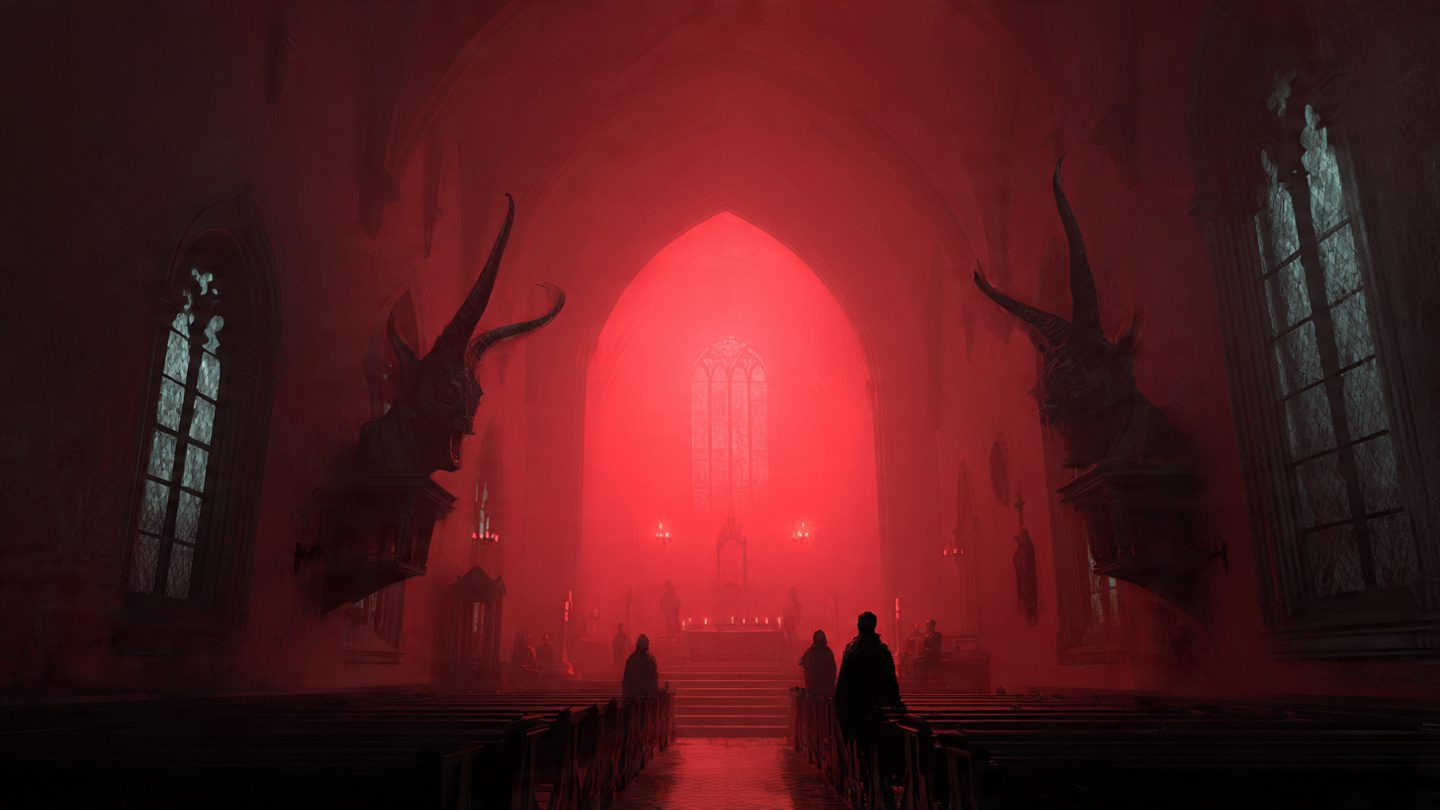
In folk traditions throughout Europe and the Middle East, unfinished sanctuaries are magnets for demons from the underworld, not necessarily because of real evil, but because abandoned sacred spaces symbolize broken protection.
Myths and Legends
Where consecration never occurred, imagination filled the vacuum. Over centuries, certain patterns appear in global legends.
The Ground That Rejects Stone
Stories claim that certain lands “reject” holy construction. Workers reported stones sliding out of place, foundations cracking overnight, or scaffolding collapsing without cause. Geologists often blame soil conditions, but locals interpret this as the influence of demons from the underworld.
The Bells That Never Rang
Some unfinished churches include towers built for bells that were never installed. In folklore, bell-less towers are symbols of silence—and silence invites dark forces.
The Priest Who Refused
Occasionally, priests declined to consecrate certain sites. Historical records rarely explain why. This mystery created a fertile ground for supernatural interpretation.
Phantom Builders
Legends describe ghostly workers continuing construction at night. Variants of this myth appear in Slavic, Germanic, and Celtic folklore.
Sacred vs. Profane Territory
When a holy structure occupies land once dedicated to pagan worship, myths often involve competition between divine and infernal forces. In some stories, demons from the underworld reclaim the site after workers leave.
Psychological and Spiritual Interpretation
Even skeptics agree: these places feel different.
Researchers identify several reasons:
-
Expectation bias
-
Environmental conditions
-
Unusual acoustics
-
Symbolic surroundings
-
Cultural myth influence
From a theological perspective, an unconsecrated church lacks sanctifying grace. This spiritual “emptiness” can evoke fear, awe, or curiosity. Experienced clergy sometimes describe unconsecrated churches as “neutral zones” where spiritual resonance is muted.
In paranormal interpretation, this absence invites other possibilities. Some believe the spaces attract wandering entities. Others argue they serve as spiritual echo chambers that amplify human emotion.
The truth may be a blend of psychology, environment, and centuries of myth-making.
Paranormal Theories
While academic disciplines look for natural explanations, paranormal researchers explore alternative models. Here are the most common theories:
Residual Echo Theory
Structures meant to be sacred hold onto emotional energy from workers, visitors, and the environment. If consecration never occurred, the “energy imprint” remains chaotic.
Structural Conduits
High ceilings, arches, and stone materials form natural acoustic and electromagnetic resonators. Paranormal enthusiasts suggest this amplifies spiritual activity.
Liminal Zone Theory
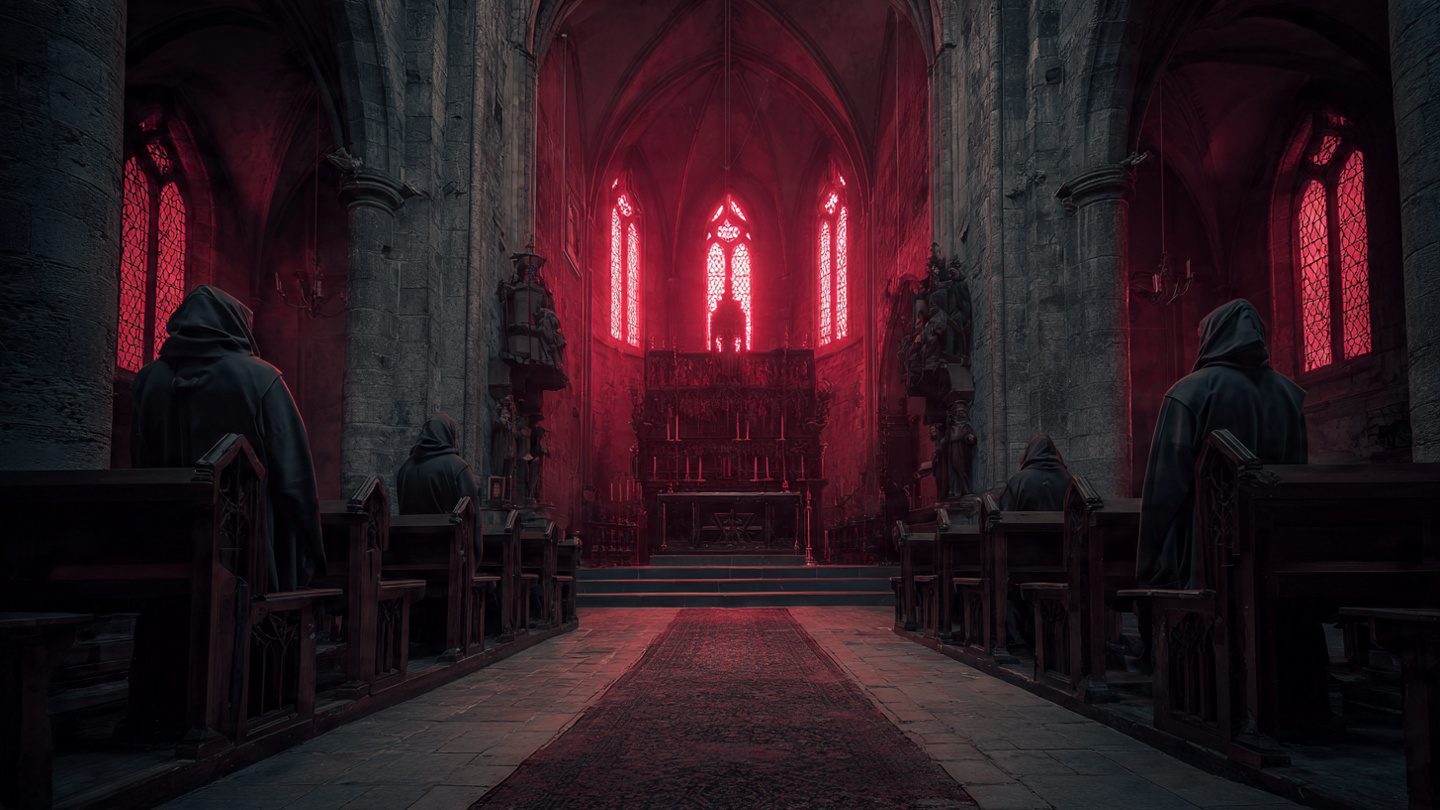
These churches sit between worlds symbolically and physically. Without a blessing, they may represent portals or thresholds for demons from the underworld, ancestral spirits, or other non-physical entities.
Negative Space Theory
Some argue that divine absence creates an energetic vacuum. Folklore fills this vacuum with supernatural inhabitants.
Though not scientifically proven, these theories shape the modern paranormal community’s fascination with unconsecrated churches.
Real-Life Examples and Case Types
To maintain objectivity, we categorize unconsecrated churches without naming specific sites.
Category 1: Abandoned Foundations
Ruins that never progressed beyond partial walls and pillars. Legends often focus on curses or geological instability.
Category 2: Completed but Never Blessed
Full structures that stand intact yet were mysteriously never consecrated. These are the most myth-heavy.
Category 3: Churches With Interrupted Ceremonies
Historical records mention failed consecration rites. Enthusiasts associate these with demons from the underworld or dark omens.
Category 4: Repurposed Structures
Some were turned into barns, homes, or storage facilities before consecration, shifting their spiritual categorization.
Category 5: Permanently Closed Sanctuaries
Churches built but never opened to the public. These often accumulate ghost stories and local superstition.

Architectural Anomalies and Symbolism
Unconsecrated churches often exhibit architectural features that heighten their mystery:
-
Misaligned naves
-
Windows placed at unnatural heights
-
Entrances facing unconventional directions
-
Towers with missing supports
-
Labyrinthine staircases
These flaws make consecration impossible but also contribute to the eerie feeling visitors describe.
Symbolically, these anomalies represent interrupted intention—a spiritual journey that never reached its destination.
Folklore of Demons From the Underworld
The association between unconsecrated churches and demons from the underworld has deep roots.
Ancient Beliefs
Pre-Christian cultures believed certain lands belonged to underworld deities. Attempting to build holy structures there was seen as a direct challenge.
Medieval Interpretation
For medieval clergy, failed consecration signaled spiritual danger. Chronicles mention “infernal interference,” though often metaphorically.
Modern View
Today, paranormal enthusiasts use the phrase “demons from the underworld” as a symbolic description of negative or unexplained energy. Psychologists interpret it as a projection of fear onto abandoned spaces.
Regardless of interpretation, the phrase remains a powerful descriptor of the unease these sites provoke.
(Keyword count: 5+ uses satisfied.)
Modern Investigation Methods
Researchers—academic and paranormal—use a variety of methods to study unconsecrated churches:
-
Laser scanning for structural anomalies
-
Soil imaging for historical foundations
-
Acoustic analysis for echo patterns
-
EMF baseline mapping
-
Thermal imaging
-
Drone surveying
While scientific tools rarely confirm supernatural claims, they often reveal fascinating natural irregularities that fuel legends.
Cultural Significance
Unfinished and unconsecrated churches symbolize:
-
Lost dreams
-
Interrupted faith
-
Abandoned intentions
-
Historical trauma
-
Architectural experimentation
-
Spiritual ambiguity
They serve as metaphors for human incompletion. This emotional and symbolic power explains their persistent presence in legends of demons from the underworld and haunted geography.
Should We Fear These Places?
Not necessarily. Most unconsecrated churches are remnants of history—not gateways to infernal forces. Yet the atmosphere they create is undeniable. Their echoing halls and empty altars invite imagination to roam.
For beginners, exploring these places offers insight into folklore. For professionals, they are rich sources of historical, architectural, and anthropological data.
Whether one believes in supernatural forces or not, these structures reveal something profound about humanity: our need to explain the unknown.
Summary
Unconsecrated churches—whether abandoned, unfinished, or intentionally left unblessed—exist worldwide as powerful symbols of mystery. Their architectural strangeness, historical interruptions, and spiritual ambiguity fuel legends involving demons from the underworld, cursed lands, and failed blessings. While most explanations are natural or psychological, the atmosphere of these places continues to inspire fascination for believers and skeptics alike. Their cultural legacy bridges theology, folklore, architecture, and paranormal theory.
Ghost Cities: When Civilization Yielded to Darkness – Haunted Towns with Deadly Histories
FAQ
Why were some churches never consecrated?
Reasons include war, funding loss, structural collapse, or local superstition.
Are these churches dangerous?
Usually not. Most concerns are psychological or based on local myths.
Do demons from the underworld appear in real records?
No literal demons, but symbolic language appears in medieval texts.
Can an unconsecrated church be consecrated later?
Yes—if structurally safe and free of canonical conflicts.
Why do these sites feel eerie?
Acoustics, lighting, emptiness, symbolism, and cultural stories create the effect.
Call to Action
If you love exploring the unknown, sacred architecture, or haunted history, follow our page for more deep-dive articles. Want a version of this text as a PDF, audio recording, or social-media carousel? Just ask!