Ghost Cities: When Civilization Yielded to Darkness – Haunted Towns with Deadly Histories
 Befrey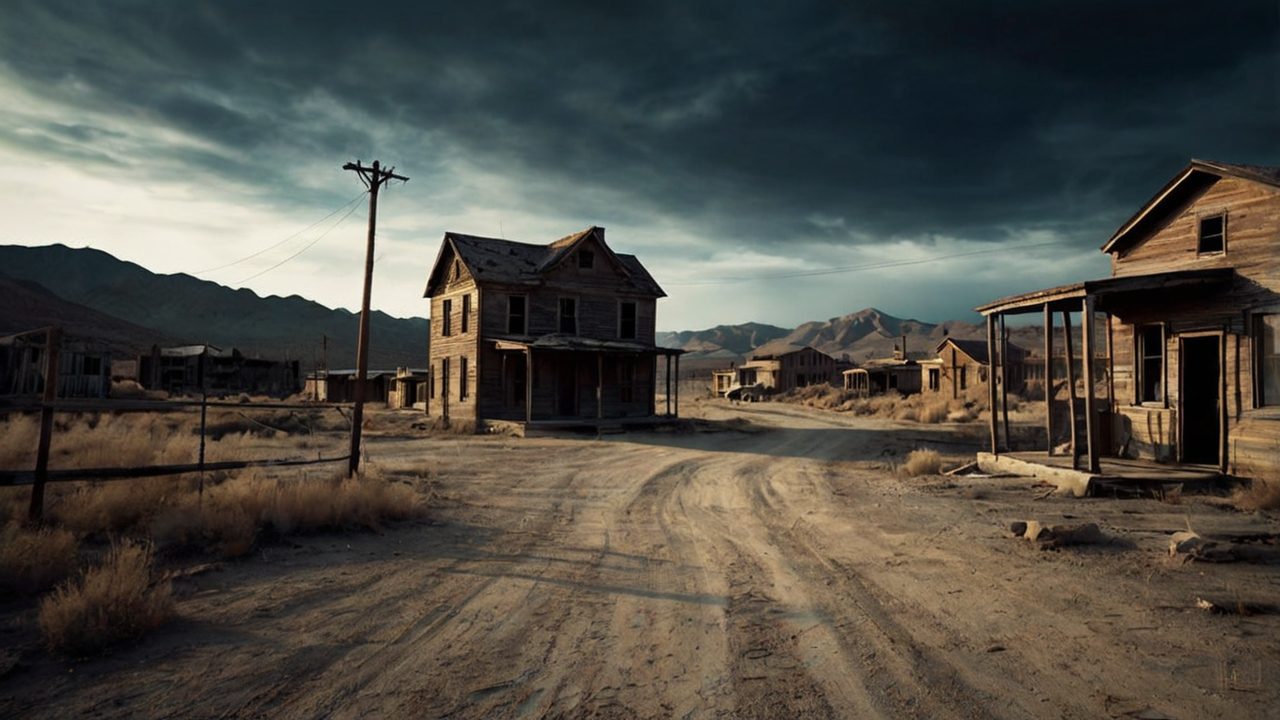
Civilizations rise and fall. Yet some places don’t simply fade; they are abandoned in terror. These ghost cities, also known as abandoned towns, haunted places, or lost cities, carry an unexplained aura where silence feels alive. Many of them hide tragic stories, violent pasts, and mysterious disappearances. Others sit crushed under the weight of curses, plagues, and supernatural legends.
In this article, we will explore the world’s most chilling ghost cities, uncover their deadly origins, and analyze the psychological, historical, and paranormal forces that shaped them.
This first section includes the main keyword phrase and its synonyms: ghost cities, abandoned towns, haunted places, lost cities, and deadly history.
The Unsettling Allure of Ghost Cities
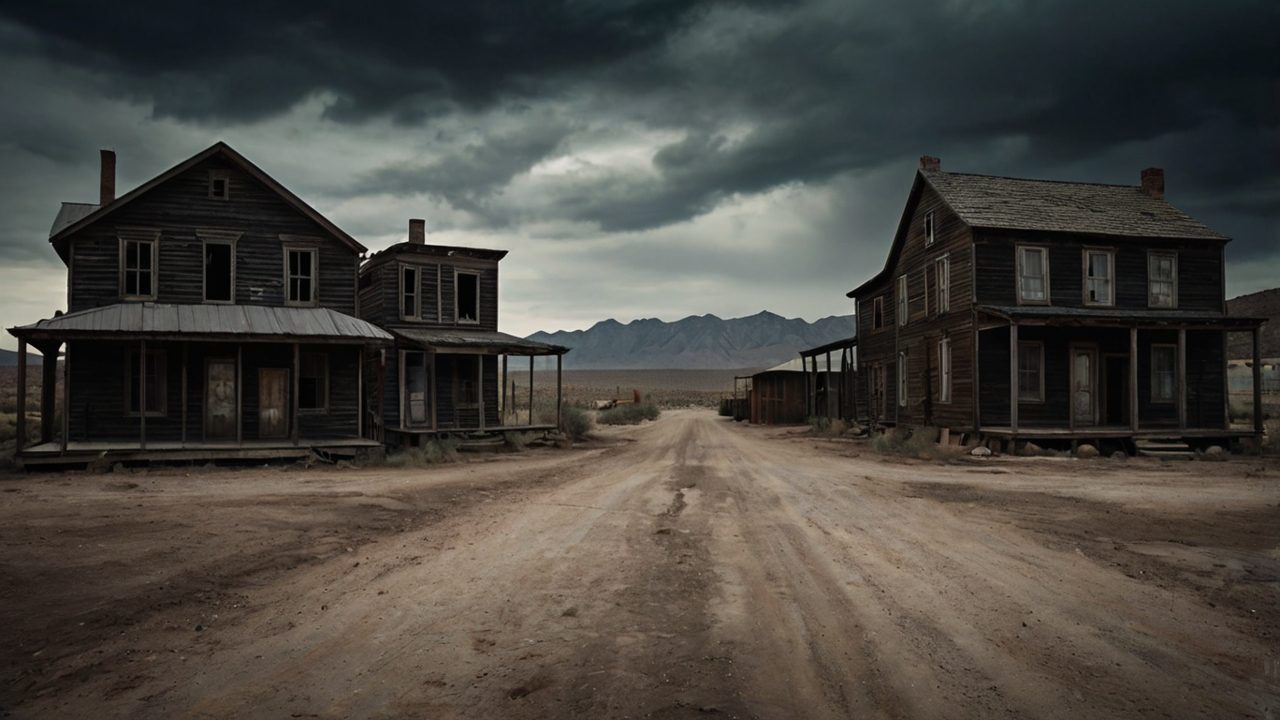
Why are ghost cities so magnetizing? The answer lies in a combination of mystery, fear, and forbidden curiosity. These towns are snapshots of human failure, disaster, or misfortune. Everything people left behind—schools, hospitals, churches, homes—now decays in silence.
Many ghost cities become symbols of collective trauma. They force us to confront the fragility of civilization. They remind us that even thriving societies can collapse overnight.

The Anatomy of a Ghost City
Ghost cities share several defining characteristics:
1. Sudden or unnatural abandonment
People leave with urgency—often due to war, catastrophe, disease, or unexplained mass panic. Personal belongings remain scattered as if time stopped mid-movement.
2. Lingering structures frozen in decay
Buildings rot, roads crack, vegetation devours empty streets, and nature reclaims the human footprint.
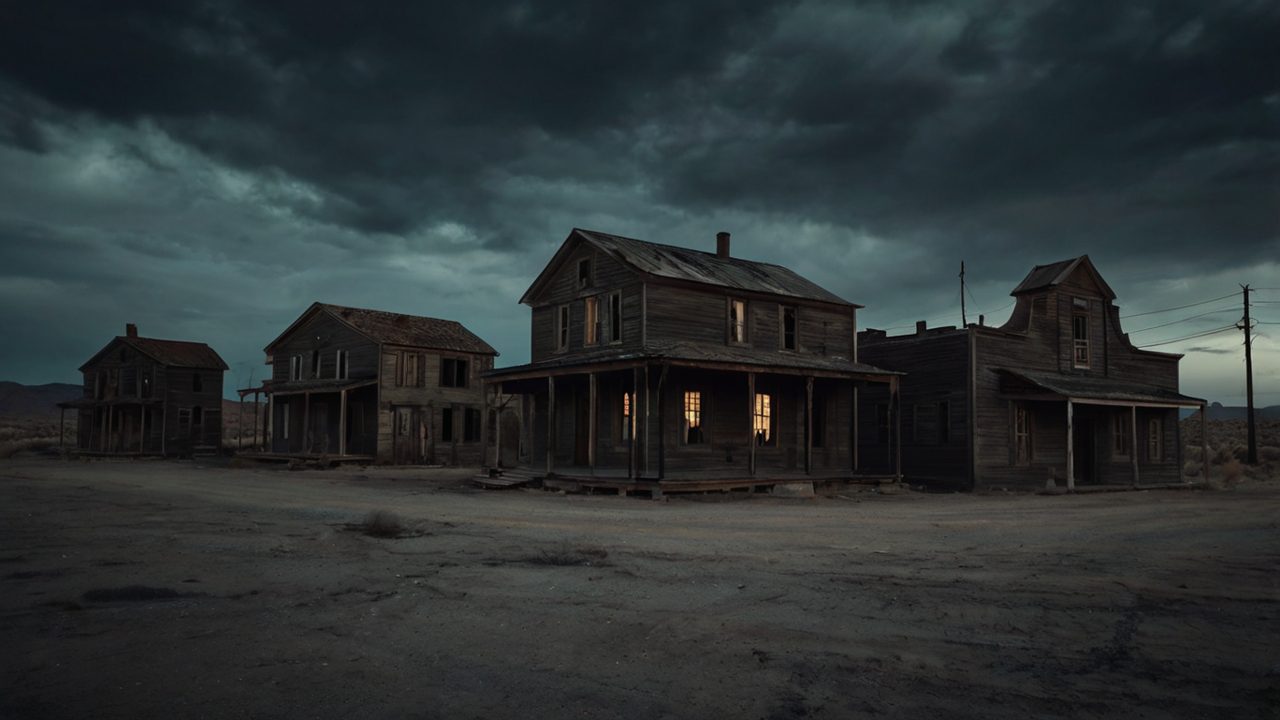
3. Atmosphere of dread
Visitors frequently report:
-
“being watched”
-
unusual silence
-
scents that appear and vanish
-
sudden cold spots
-
auditory hallucinations
4. A history marked by death
Many ghost cities are the products of mass tragedy—plagues, massacres, radiation, environmental poisoning, or unsolved vanishings.
Psychological Impact of Haunted, Abandoned Towns
Exploring ghost cities affects the human mind in profound ways. Psychologists describe these experiences as triggering:
Hypervigilance
Empty urban spaces heighten awareness. The brain expects danger, creating tension.
Pareidolia
Our minds try to interpret shadows and patterns as human faces or movements.
Temporal distortion
Time feels slower. Familiar human-made spaces without people create an eerie sense of “wrongness.”
Existential dread
Ghost cities evoke thoughts of mortality, fragility of society, and the possibility of future collapse.
These responses explain why ghost cities often become hotspots for paranormal claims, urban legends, and tales of curses.
Global Origins of Ghost Cities
Industrial collapse
When industries die, towns built around them fall apart. Mines close, factories shut down, and thousands leave overnight.
Natural disasters
Earthquakes, floods, volcanic eruptions, and radiation events force permanent evacuation.
War and genocide
Entire communities disappear after violent events or mass killings.
Economic failure
Boomtowns built on speculation sometimes crumble when investments dry up.
Environmental poisoning
Toxins in soil, air, or water make long-term habitation impossible.
Mystical and supernatural beliefs
In some cultures, people abandon towns after they believe a curse has been unleashed.
Famous Ghost Cities and Their Dark Histories
Below you will find several deeply explored worldwide examples—each illustrating how death, disaster, or unknown forces shaped these haunted landscapes.
Pripyat: A City Claimed by Radiation
Pripyat in Ukraine is one of the world’s most infamous ghost cities. Built in 1970 to house Chernobyl nuclear power plant workers, it was once a thriving socialist paradise.
But on April 26, 1986, the Chernobyl disaster turned it into the most radioactive place on Earth.
Residents were told they would return in a few days. They never did.
Today, abandoned amusement parks, toys scattered in schools, and half-eaten meals sitting under dust speak of a civilization frozen in time.
Pripyat symbolizes:
-
human error
-
technological arrogance
-
invisible death
-
the fragility of modern progress
Hashima Island (Gunkanjima): The Battleship of the Dead
This Japanese island once pumped coal from deep under the ocean. Thousands lived in cramped apartments surrounded by nothing but water. When petroleum replaced coal, the island became worthless. Everyone left in 1974.
Gunkanjima became a place of:
-
eerie concrete ruins
-
collapsing corridors
-
abandoned personal belongings
-
waves that echo like whispers through empty windows
It is also rumored that forced laborers during WWII suffered and died here, haunting the island with restless memories.
Centralia: The Town Burning Beneath the Earth
In Pennsylvania, a coal seam fire has been burning under Centralia since 1962. Toxic gases seep through cracks in the ground. The earth collapses without warning.
The government forced most residents to leave. Today only a handful remain.
What makes Centralia haunting is not ghosts but the feeling that the ground itself is alive—and hungry.
Oradour-sur-Glane: A Village Left as a Grave
In 1944, Nazi soldiers massacred the entire French village as retaliation for resistance activity. After the war, leaders decided the ruins should remain untouched as a memorial.
Walking through Oradour-sur-Glane today feels like stepping into a frozen moment of horror:
-
burnt-out cars
-
sewing machines still on tables
-
charred church walls
It is a ghost city created not by time, but by deliberate violence.
Humberstone and Santa Laura: Deserted Nitrate Empires
These towns in Chile once produced nitrate—the “white gold.” But synthetic fertilizer made them obsolete. Desert winds now whistle through rusted machinery and decaying theaters.
Visitors report constant feelings of being watched. Some claim to see shadowy silhouettes near old mining equipment.
Kolmanskop: The Namibian Town Swallowed by Sand
Kolmanskop was born from diamonds and buried by dunes.
Once a luxurious settlement with European-style amenities, it now sits half-submerged in sand. Homes fill like hourglasses, creating surreal rooms where nature sculpts landscapes inside human spaces.
Ghostly phenomena—footsteps on sand, echoes in empty hallways—are often reported.
Helltown: American Legends and Government Secrets
This Ohio town was emptied when the U.S. government created a national park. But locals believe there was more to the story. Rumors include:
-
chemical spills
-
mutant creatures
-
secret facilities
-
forbidden roads where people vanish
Whether true or not, Helltown’s reputation transformed it into one of America’s most infamous ghost cities.
The Supernatural Factor: Are Ghost Cities Truly Haunted?
Ghost cities often become centers of paranormal interest because of:
Residual Energy
Tragic events imprint emotional energy into the environment.
Poltergeist Activity
Abandoned places with unstable structures create noises mistaken for paranormal movement.
Shadow Figures
Low light and decaying architecture trigger pareidolia. Some shadows seem to move.
Electromagnetic Disturbances
Old wiring and collapsing metal structures create EMF fluctuations that make people uneasy.
Psychic Imprints
Psychics claim that towns with violent histories retain psychic scars.
The Cultural Meaning of Abandoned Towns
Ghost cities are symbols of:
-
environmental collapse
-
governmental failure
-
war trauma
-
human vulnerability
-
forgotten history
-
supernatural mystery
They serve as warnings for future generations.
Why Some Places Are Never Rebuilt
Psychological Barriers
Communities feel emotionally unable to return.
Spiritual Fear
Locals believe the land is cursed or haunted.
Environmental Toxicity
Radiation, chemicals, and heavy metals make reconstruction impossible.
Economic Ruin
Once an industry dies, no replacement income exists.
Government Restrictions
Areas become protected, dangerous, or classified.
The Hidden Stories Behind Abandonment
Here we dive into chilling lesser-known ghost cities with histories of mass death, curses, and mystery.
Kayaköy: The Silent Village of Exile
This Turkish town was abandoned after population exchanges between Greece and Turkey. Empty stone houses cling to the hills, filled with wind that sounds like distant crying.
Old residents claimed:
-
spirits wander at night
-
strange lights appear near the chapel
-
animals refuse to enter certain homes
Kayaköy remains a powerful symbol of cultural displacement and spiritual unrest.
Craco: The Crumbling Cliffside Ghost
Craco in Italy was abandoned after geological instability caused buildings to collapse. Landslides forced inhabitants to leave.
Yet locals speak of:
-
phantom figures on balconies
-
ghostly monks seen near the old tower
-
unexplained bells ringing at dawn
Its towering ruins look like a medieval kingdom trapped between life and death.
Dhanushkodi: Destroyed Overnight
This Indian town vanished in a 1964 cyclone. Entire families drowned. Survivors believed the land became cursed.
The sea swallowed homes, temples, railways. People say they hear:
-
crying at night
-
footsteps in the sand
-
whispers carried by the wind
Few dare visit after sunset.
Aokigahara: Not a City, But a Forest of Lost Souls
Though not a town, this forest represents a different kind of urban abandonment—one of humanity itself. Many who enter never return.
The forest’s silence is overwhelming. Compasses malfunction.
Visitors report:
-
apparitions
-
distant screams
-
overwhelming dread
Aokigahara’s tragic history aligns deeply with the psychology of ghost cities—places shaped by collective sorrow.
Exploring ghost cities often leads people to occult theories. Some believe abandoned towns are influenced by ancient demonic forces. This article deepens the topic through the legend of Aamon, a mysterious demon from old grimoires.
Some ghost towns begin with a single cursed building—a house where tragedy repeats. This link explores real cases of structures that seem unable to die.
Many ghost cities contain ancient cemeteries that locals consider cursed. This article examines chilling stories of ghosts taking revenge through burial grounds.
The Future of Ghost Cities
Humanity may create more ghost cities in coming decades due to:
-
climate change
-
rising oceans
-
nuclear threats
-
overindustrialization
-
economic collapse
-
pandemics
Some modern megacities may eventually face abandonment.
Ghost cities are warnings carved into the landscape. They whisper the consequences of unchecked ambition, human error, and forgotten tragedies.
SUMMARY
Ghost cities are more than abandoned landscapes—they are monuments to catastrophe, death, and human fragility. Whether formed by war, disaster, curse, or mystery, these towns hold an aura that unsettles the human psyche. They echo stories of lives interrupted, civilizations halted, and histories erased.
Through understanding ghost cities, we understand the forces that shape—and unmake—human existence.
FAQ
1. What is a ghost city?
A ghost city is a once-inhabited town abandoned due to disaster, violence, economic collapse, or supernatural fear.
2. Why do people feel uneasy in abandoned towns?
Silence, decay, and distorted sensory cues trigger hypervigilance and psychological discomfort.
3. Are ghost cities actually haunted?
Some claim paranormal activity, but scientific explanations often point to environmental and psychological factors.
4. Why are some ghost cities preserved?
They serve as memorials, historical warnings, or cultural heritage sites.
5. Can ghost cities become livable again?
Some can, but others remain too toxic, unstable, or emotionally scarred to be rebuilt.
CALL TO ACTION
If dark history, paranormal mysteries, and forgotten civilizations fascinate you, explore more of my in-depth investigations.
Share this article, follow the page, and immerse yourself in the shadows of places the world tried to forget.