
Why Does a Dog Lick Its Paws and What Does It Mean? The Secret Signs Every Owner Must Know
 Befrey
Many dog owners eventually ask themselves, why does a dog lick its paws and what does it mean? Is it normal behavior, or could it be a warning sign of a hidden problem? Understanding why dogs lick their paws, what paw licking means in dogs, and why does a dog lick its paws and what does it mean is important for protecting your pet’s health and well-being. While occasional licking is often harmless, persistent licking can indicate discomfort, irritation, emotional stress, or even an underlying medical condition. Learning to recognize the difference between normal grooming and problematic behavior can help you take action before a small issue becomes a serious health concern.
Understanding Normal Paw Licking Behavior
Before assuming that paw licking is a problem, it is important to understand that licking is a completely natural canine behavior. Dogs use their tongues to clean themselves, explore their environment, and soothe minor irritations. Just as humans may scratch an itch or rub sore muscles, dogs often lick areas that feel uncomfortable.
Occasional paw licking after a walk is usually harmless. A dog may be removing dirt, moisture, or small debris collected outdoors. In many cases, the behavior lasts only a few moments and then stops naturally.
Dogs also use licking as a self-soothing mechanism. Similar to how some people bite their nails when nervous, dogs may lick briefly to relax after excitement or stress. This behavior is generally not a cause for concern if it remains infrequent.
However, frequency matters. A dog that spends a few seconds licking its paws occasionally is very different from a dog that spends hours focused on its feet every day.
The challenge for owners is recognizing when normal grooming crosses the line into excessive behavior. Observing patterns, timing, and intensity provides valuable clues.
Understanding what is normal creates the foundation for identifying what is not.
Dog Licking Paws Excessively
One of the clearest warning signs is dog licking paws excessively. Excessive licking occurs when the behavior becomes repetitive, frequent, obsessive, or difficult to interrupt.
A dog that constantly returns to licking the same paw may be trying to communicate discomfort. Unlike occasional grooming, excessive licking often continues even when there is no visible dirt or contamination.
The repeated moisture from saliva can create additional problems. Over time, constant licking may cause redness, hair loss, skin thickening, discoloration, and secondary infections. What begins as a mild irritation can quickly escalate into a larger issue.
Some dogs become trapped in a cycle. An itchy paw triggers licking. The licking irritates the skin further. Increased irritation leads to even more licking. Breaking this cycle can be difficult without identifying the root cause.
Owners should pay attention to changes in behavior. If paw licking suddenly increases or becomes a daily habit, it deserves investigation.
Persistent licking should never be dismissed as merely a quirky habit. In many cases, it represents an important clue about a dog’s physical or emotional health.
Early intervention often prevents more serious complications.
Reasons Why Dogs Lick Their Feet
There are many reasons why dogs lick their feet, and understanding these possibilities is essential for accurate diagnosis.
Physical irritation is one of the most common causes. Small stones, splinters, burrs, salt from winter roads, hot pavement, and chemical residues can irritate sensitive paw tissues.
Minor injuries frequently trigger licking behavior. Tiny cuts, abrasions, cracked paw pads, insect bites, or damaged nails may be difficult to notice but highly uncomfortable for the dog.
Pain originating elsewhere in the body can sometimes manifest as paw licking. Dogs occasionally focus on a paw because discomfort from joints, muscles, or nerves creates sensations in that area.
Behavioral factors can also play a role. Boredom, anxiety, frustration, and lack of mental stimulation may encourage repetitive licking behaviors.
Environmental factors should not be overlooked. Dry air, rough surfaces, seasonal changes, and exposure to irritants can all contribute to increased paw attention.
Because multiple causes can produce similar symptoms, careful observation is necessary to determine the underlying reason.
Identifying the true trigger is the first step toward effective treatment.
Dog Paw Licking Allergies
Among the most common medical explanations are dog paw licking allergies. Allergies affect millions of dogs worldwide and frequently manifest through paw-related symptoms.
Environmental allergies often develop when dogs react to substances such as pollen, grass, mold spores, dust mites, or weeds. These allergens can come into direct contact with the paws during outdoor activities.
Food allergies may also contribute. Certain proteins, ingredients, or dietary components can trigger immune responses that cause itching throughout the body, including the paws.
When allergies are responsible, paw licking is often accompanied by additional symptoms. Red skin, ear infections, scratching, rubbing the face, and recurrent skin problems commonly occur together.
Many allergic dogs experience seasonal patterns. Symptoms may worsen during spring, summer, or fall when allergen levels rise.
The constant itching caused by allergies can significantly reduce a dog’s quality of life. Some dogs become restless, uncomfortable, and unable to relax.
Veterinary evaluation is often necessary to identify specific triggers and develop an appropriate management plan.
Addressing allergies directly is usually far more effective than simply trying to stop the licking behavior itself.
The Hidden Role of Anxiety and Emotional Stress
Not every case of paw licking is caused by a physical condition. Emotional health can play a surprisingly important role.
Dogs experience stress for many reasons. Changes in routine, moving to a new home, separation from family members, lack of exercise, loud noises, and social conflicts can all contribute to anxiety.
Some dogs develop compulsive behaviors as coping mechanisms. Repetitive licking may provide temporary comfort, much like repetitive habits seen in humans during stressful situations.
These behaviors can gradually become ingrained patterns. Even after the original stressor disappears, the habit may continue because it has become emotionally rewarding.
Certain breeds appear more prone to compulsive behaviors than others. Intelligent and highly active dogs may be particularly vulnerable when their physical and mental needs are not fully met.
Providing enrichment can help significantly. Interactive toys, training sessions, regular exercise, and predictable routines often reduce anxiety-related behaviors.
Understanding the emotional dimension of paw licking is crucial because treatment approaches differ from those used for medical causes.
Addressing mental well-being can be just as important as treating physical symptoms.
Dog Licking Paws at Night
Many owners specifically notice dog licking paws at night. This timing can provide important diagnostic clues.
During the day, dogs are distracted by activity, play, exercise, and interaction. At night, the environment becomes quiet and still, making discomfort more noticeable.
Minor irritation that goes unnoticed during busy hours may become impossible to ignore when the dog settles down to rest.
Nighttime licking is frequently associated with allergies because inflammation and itching often feel worse during periods of inactivity.
Behavioral factors can also contribute. Dogs that are bored, under-stimulated, or anxious may engage in repetitive licking behaviors before sleep.
Owners often become aware of the issue because the sound of licking is more noticeable in a quiet home.
Tracking when the behavior occurs can provide useful information for veterinarians. Patterns related to time, season, or activity level may help narrow potential causes.
Nighttime paw licking should not automatically cause alarm, but recurring episodes deserve attention.
Consistent monitoring helps identify whether the behavior is becoming more frequent or severe.
How to Stop a Dog From Licking Paws
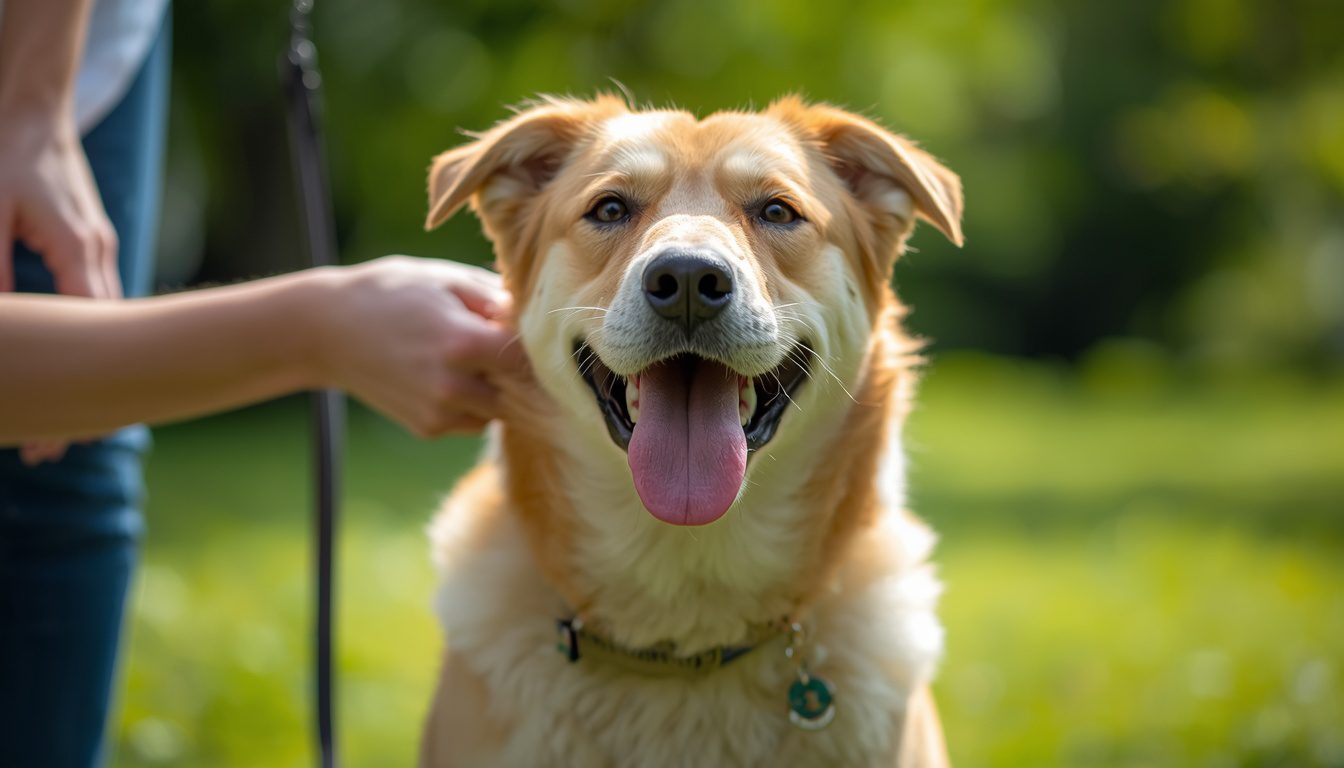
Understanding how to stop a dog from licking paws begins with identifying the underlying cause. Treating symptoms without addressing the root issue rarely provides lasting results.
Start with a thorough visual inspection. Check for cuts, foreign objects, swelling, redness, damaged nails, or signs of infection. Even small problems can trigger significant licking.
Keeping paws clean can help reduce irritation. Washing paws after walks may remove allergens, chemicals, and debris that contribute to discomfort.
For allergy-related cases, veterinary guidance is often necessary. Treatment plans may include dietary adjustments, medications, topical therapies, or environmental management strategies.
Behavioral cases benefit from increased enrichment. Additional walks, training exercises, puzzle toys, and interactive play sessions often reduce compulsive behaviors.
Protective measures such as dog boots or veterinary-approved protective coverings may help prevent further damage while healing occurs.
Consistency is essential. Temporary solutions rarely work if the underlying trigger remains present.
Successful treatment focuses on understanding why the behavior started rather than simply preventing licking.
Infections, Parasites, and Medical Conditions
Several medical conditions can directly trigger persistent paw licking.
Bacterial infections often develop when damaged skin allows microorganisms to enter. The resulting inflammation creates itching, discomfort, and increased licking.
Yeast infections are another common culprit. Excessive moisture from saliva creates an environment where yeast organisms can thrive, leading to a self-perpetuating cycle.
Parasites should also be considered. Fleas, mites, and other pests may trigger intense itching that affects the paws and surrounding areas.
Autoimmune conditions, hormonal disorders, and neurological issues occasionally contribute to chronic paw problems as well.
Joint pain can sometimes lead to licking behaviors. Dogs may focus on affected areas as a response to discomfort caused by arthritis or injury.
Medical causes often require professional diagnosis because symptoms frequently overlap with allergies and behavioral issues.
Accurate identification allows targeted treatment and better long-term outcomes.
When Should I Worry About My Dog Licking Its Paws
A common concern among owners is when should I worry about my dog licking its paws.
Occasional licking is usually normal. Concern increases when the behavior becomes persistent, intense, or accompanied by physical changes.
Redness, swelling, bleeding, hair loss, limping, foul odor, discharge, or visible wounds should never be ignored. These signs often indicate an underlying issue requiring attention.
If your dog seems unable to stop licking despite distractions, the behavior may have progressed beyond normal grooming.
Changes in appetite, energy levels, sleep patterns, or mood can also signal a broader health problem.
Repeated infections and recurring paw issues deserve professional evaluation even if symptoms appear mild initially.
The sooner a problem is identified, the easier it is typically to manage. Delayed treatment often allows conditions to worsen.
Trust your instincts. If something about your dog’s behavior seems unusual, seeking advice is always a reasonable decision.
Preventing Future Paw Problems
Prevention is often easier than treatment.
Regular paw inspections help identify small issues before they become serious. Checking paws after walks takes only a few moments but can reveal injuries, debris, and irritation early.
Maintaining healthy skin and coat condition supports overall paw health. Proper nutrition contributes to stronger skin barriers and improved resistance to irritation.
Routine grooming reduces the accumulation of dirt and allergens around the feet.
Seasonal awareness is important. Hot pavement, icy surfaces, road salt, and environmental allergens present unique challenges throughout the year.
Providing adequate physical exercise and mental stimulation supports emotional well-being and reduces boredom-related behaviors.
Building healthy habits today can significantly reduce the likelihood of chronic paw problems in the future.
What to Do If Your Dog Has Diarrhea: Complete Expert Guide to Fast, Safe Recovery
How to Stop Your Dog from Jumping on People (Complete Expert Guide)
Your Dog Is Afraid of Thunderstorms – How to Help Them (Complete Expert Guide)
Summary
Paw licking is a normal behavior when it occurs occasionally, but persistent licking often signals an underlying issue. Allergies, injuries, infections, parasites, anxiety, boredom, and environmental irritants are among the most common causes. Monitoring the frequency, intensity, and timing of the behavior can provide valuable clues. Early identification and appropriate intervention help prevent complications and improve your dog’s comfort, health, and quality of life.
FAQ
1. Is it normal for dogs to lick their paws every day?
Occasional daily licking may be normal, but persistent or obsessive licking should be investigated.
2. Can allergies cause paw licking?
Yes. Environmental and food allergies are among the most common causes of chronic paw licking.
3. Why does my dog lick its paws mostly at night?
Nighttime licking often becomes more noticeable because distractions decrease and discomfort becomes more apparent.
4. Can anxiety cause paw licking?
Yes. Stress, boredom, and anxiety can lead to repetitive licking behaviors in some dogs.
5. When should I contact a veterinarian?
Seek veterinary advice if licking becomes excessive or is accompanied by redness, swelling, limping, bleeding, or signs of infection.
CTA
Has your dog started licking its paws more than usual? Pay attention to the warning signs discussed in this guide and take action early. Understanding the cause behind paw licking can help protect your dog’s health, comfort, and happiness for years to come.






