
 Befrey
If you notice that your cat is not eating, it triggers instant panic. Finding out why is my cat not eating becomes an urgent mission because a sudden loss of appetite in felines is never just a finicky phase. When you ask yourself why won t my cat eat, you are confronting a behavioral alarm bell that requires immediate attention. Even worse is when you observe why is my cat not eating or drinking, as dehydration drastically accelerates health risks. Furthermore, if you are wondering why my kitten is not eating, time is even more critical due to their fragile, growing bodies. Understanding these early warning signs can quite literally save your companion’s life.
Hidden Dental Pain Making Chewing Intolerable
Feline dental issues are one of the most common yet invisible reasons a feline stops taking food. Periodontal disease, fractured teeth, and painful stomatitis can render every attempt at chewing absolute agony. A cat may approach their food bowl displaying extreme hunger, only to back away after a single sniffing attempt or a painful bite. You might notice them tilting their head unnaturally, dropping dry kibble on the floor, or excessive drooling. Over time, the association between food and mouth pain causes them to reject meals entirely. Regular oral checks and dental cleanings are crucial to prevent this quiet suffering.
Gastrointestinal Distress and Sudden Nausea
A disturbed digestive tract will instantly shut down a cat’s desire to consume meals. Nausea in cats manifests subtly; they might sit near their dish, licking their lips repeatedly or swallowing excessively without taking a bite. Conditions like inflammatory bowel disease, stomach ulcers, gastritis, or pancreatitis create severe internal discomfort. Eating food while feeling nauseated reinforces a negative association, driving the animal further away from their daily diet. Ingestion of foreign objects, such as strings, hairballs, or toxic plants, can also cause intestinal blockages that halt the digestive process completely. Identifying nausea early prevents rapid weight loss and severe weakness.

Unseen Systemic Illnesses and Organ Stress
When major internal organs face health challenges, loss of appetite is frequently the very first symptom. Chronic kidney disease, liver dysfunction, and diabetes heavily impact how a cat processes nutrients and filters toxins. As metabolic waste builds up in the bloodstream due to organ failure, the cat experiences persistent, systemic nausea and malaise. Cancers and insidious viral infections also drain bodily energy and suppress hunger signals entirely. Because felines naturally hide vulnerability, a complete refusal to eat may be your only clue that an internal illness is progressing. Comprehensive blood panels and urinalysis are essential tools for diagnosing these underlying conditions.
Environmental Stress and Sudden Routine Shifts
Cats are creatures of strict habit and extreme environmental sensitivity. A sudden move to a new home, the introduction of a new pet, loud construction noise, or even shifting their food bowl to a busy hallway can induce profound stress. Anxiety triggers a fight-or-flight nervous response that completely shuts down digestive drive and hunger signals. Even minor changes, such as switching from a wide dish to a narrow bowl that causes whisker fatigue, can alienate a sensitive feline. Restoring their appetite often requires recreating a predictable, serene environment where they feel completely secure while feeding. Patience and gentle routine reinforcement are vital during life transitions.
Dietary Neophobia and Sudden Recipe Changes
Abruptly changing your pet’s brand, flavor, or texture of food can result in immediate strike-like rejection. Felines frequently exhibit dietary neophobia, an instinctive distrust of unfamiliar food items designed to protect them in the wild. If a manufacturer quietly alters a formula’s ingredients or processing method, your cat’s hyper-sensitive smell will detect the difference instantly. Cold food served directly from the refrigerator also lacks the strong aroma necessary to stimulate a feline’s sense of smell and appetite. Transitioning diets slowly over ten to fourteen days prevents this psychological rejection and allows their digestive system to adapt.
Respiratory Infections Blocking the Sense of Smell
A cat relies almost entirely on its powerful sense of smell to trigger its appetite and evaluate food safety. Upper respiratory infections, common cold viruses, and nasal congestion completely block their olfactory senses. If a cat cannot smell its food, it simply will not eat it, regardless of how hungry its body actually is. Nasal discharge, sneezing, inflamed eyes, and mouth-breathing further complicate their ability to chew and breathe simultaneously. Warming up wet food to intensify its scent or using humidifiers can help clear airways and entice a congested cat back to its dish.
Critical Warnings for Vulnerable Growing Kittens
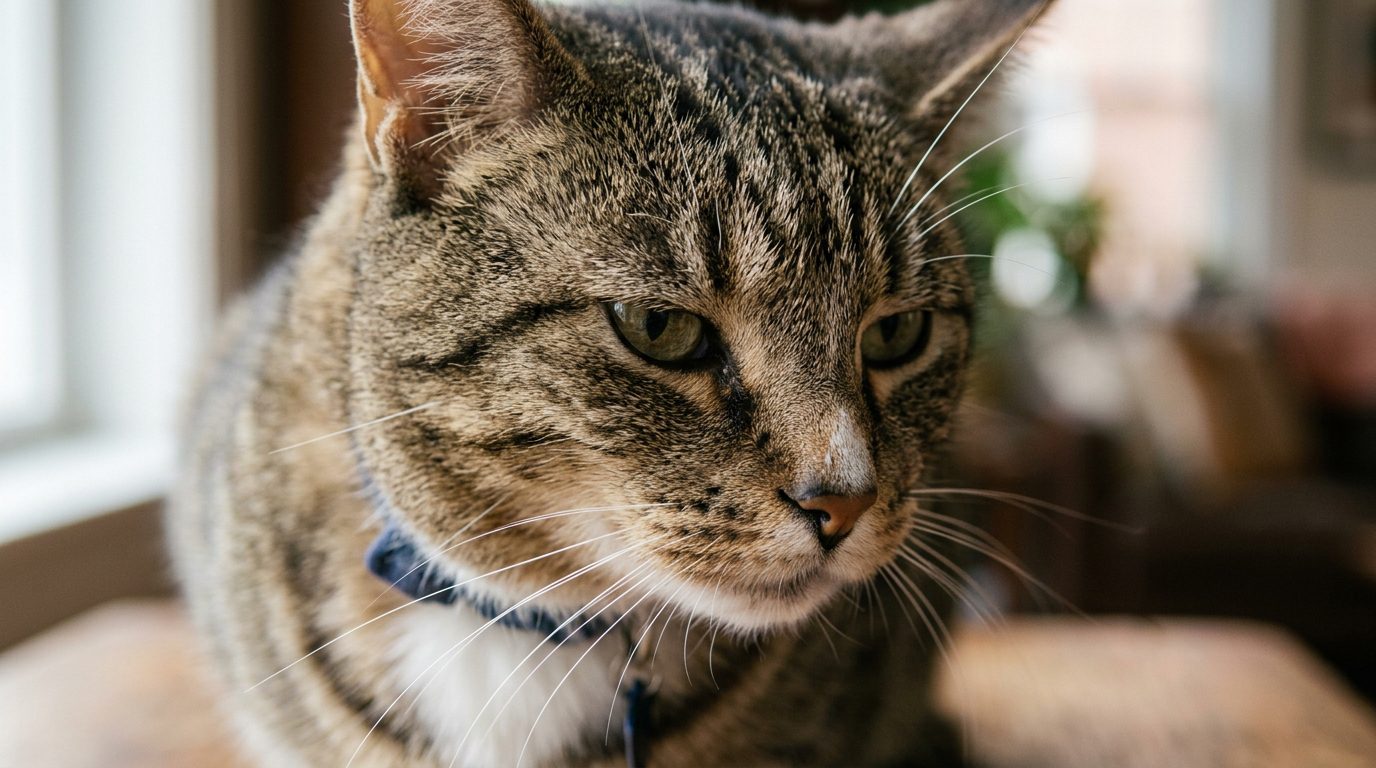
A young kitten refusing sustenance is a medical emergency that demands swift veterinary intervention. Kittens possess minimal fat reserves and rapidly plummet into severe hypoglycemia if they go without calories for even a short period. Their immune systems are still developing, leaving them highly susceptible to internal parasites, infectious viruses, and rapid dehydration. A kitten that stops feeding will quickly become lethargic, cold to the touch, and unresponsive. Syringe feeding under veterinary guidance or immediate fluid therapy is often required to stabilize a fading youngster. Never wait more than twelve hours to seek professional help for a young kitten in distress.
Silent Psychological Grief and Social Stress
Felines form deep emotional bonds with human family members and companion animals alike. The loss of a household partner or prolonged absence of a primary caregiver can trigger genuine grief and severe depression. Furthermore, multi-cat households often harbor hidden social hierarchy battles where dominant cats silently block weaker ones from reaching food stations. This subtle bullying creates intense feeding anxiety, forcing the intimidated cat to starve rather than risk confrontation. Establishing multiple, separated feeding stations across different rooms ensures every cat feels safe enough to consume their daily requirements peaceably.
Stop the Noise: How to Teach a Dog Not to Bark When He’s Home Alone
What to Do When Your Dog Growls at a Visitor
Why Does a Cat Scratch Furniture? Shocking Real Reason
Summary
-
Immediate Attention Required: Refusal to eat is a serious diagnostic signal, not just picky behavior.
-
Physical Causes: Dental pain, gastrointestinal nausea, systemic organ diseases, and respiratory congestion directly prevent feeding.
-
Psychological Triggers: Environmental anxiety, social intimidation in multi-pet homes, grief, and abrupt diet shifts lead to food rejection.
-
Kitten Vulnerability: Kittens face rapid, life-threatening drops in blood sugar and require urgent care within 12 hours of food refusal.
-
Actionable First Steps: Warm up strong-smelling food, ensure a quiet feeding environment, and schedule an immediate veterinary checkup.
Frequently Asked Questions
How long can a cat safely go without eating?
A cat should never go more than 24 to 48 hours without food. Beyond 48 hours, felines face a high risk of developing hepatic lipidosis (fatty liver disease), a potentially fatal liver condition caused when the body rapidly breaks down fat reserves.
Why does my cat sniff food and then walk away?
This behavior usually indicates either intense nausea or mouth pain. The cat feels hungry and approaches the food, but the scent triggers nausea or the anticipation of chewing pain forces them to back off.
Can stress alone cause a cat to stop eating completely?
Yes, severe stress or anxiety caused by moving house, new family members, or social bullying from other pets can completely suppress a cat’s appetite and digestive function.
How can I entice a sick cat to start eating again?
You can warm wet food slightly to boost its aroma, offer plain boiled chicken breast without seasonings, or add a small amount of warm sodium-free chicken broth or tuna juice to their regular meal.
When is a kitten’s loss of appetite considered an emergency?
If a kitten under six months old refuses food for more than 12 hours, displays lethargy, or shows signs of weakness, it is a critical emergency requiring immediate veterinary care.
Take Action for Your Cat’s Health
Do not play a waiting game when your feline companion refuses meals. If your cat has missed feeding for more than a day, or displays lethargy alongside food refusal, contact your trusted veterinarian immediately. Early diagnostic testing and supportive care are the fastest ways to restore your pet’s vitality and protect them from severe complications. Schedule a professional health evaluation today to give your companion the care they deserve.






