
 Befrey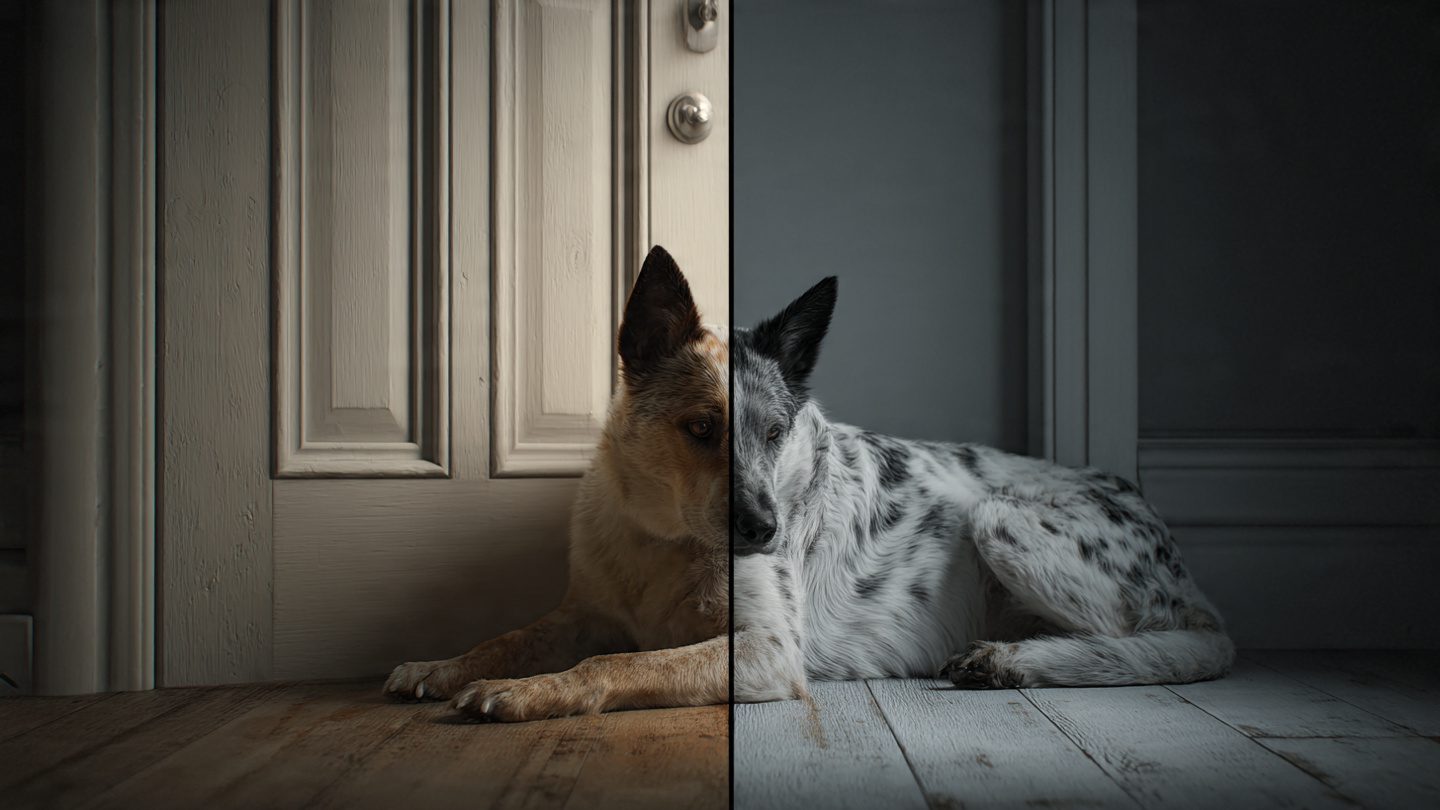
If you are searching for How to teach a dog not to bark when he’s home alone, you are not alone. Many dog owners struggle with excessive barking when their dog is left alone at home. Learning how to stop a dog from barking when alone, how to prevent separation barking, and how to train a dog to stay calm while home alone can completely transform your daily life. This guide will show you How to teach a dog not to bark when he’s home alone using proven, step-by-step techniques that work for both beginners and professional trainers. By the end of this article, you will understand the psychology behind barking, the practical training system, and how to create long-term behavioral change.
Excessive barking is not just noise. It can lead to neighbor complaints, stress, property damage, and guilt. But barking is also communication. Your dog is trying to say something. When you understand what that message is, you gain power. And when you apply the right structure, you create calm.
Let’s break this down in a way that is simple, logical, and deeply effective.

Understanding Barking Triggers
Before you focus on How to teach a dog not to bark when he’s home alone, you must understand why he barks. Dogs rarely bark without a reason. The most common cause is separation anxiety. Your dog feels unsafe when you leave. Another common cause is boredom. A tired dog rests. An under-stimulated dog creates noise.
There are also environmental triggers. Sounds in the hallway. Passing cars. Other dogs. Some dogs bark because they are guarding territory. Others bark because barking has worked before. If barking once made you return home quickly, your dog learned that barking brings results.
Understanding the trigger changes your strategy. You cannot fix boredom the same way you fix anxiety. You cannot treat habit barking the same way you treat fear barking. Identify the root cause first. Observe your dog on camera if possible. The first step in How to teach a dog not to bark when he’s home alone is diagnosis, not correction.
Separation Anxiety Signs
Separation anxiety is emotional distress. It is not disobedience. Dogs with anxiety may bark nonstop, pace, scratch doors, or even injure themselves. They may start barking seconds after you leave. This is important information.
If barking starts immediately, anxiety is likely the main trigger. If barking begins after 30–60 minutes, boredom may be the cause. Watch patterns. Track time. Write it down.
When learning How to teach a dog not to bark when he’s home alone, you must treat anxiety gradually. Sudden long absences can make anxiety worse. Dogs need desensitization. They need to learn that you leaving is safe and temporary.
Never punish anxiety barking. Punishment increases stress. Stress increases barking. Calm structure reduces it.
Calm Departure Routine
Dogs read your energy. If leaving the house becomes dramatic, your dog senses tension. A key strategy in How to teach a dog not to bark when he’s home alone is making departures boring and predictable.
Start by removing emotional goodbyes. No long hugs. No repeated “I’ll be back.” Stay calm. Prepare your dog 30 minutes before leaving with structured activity. Take a walk. Practice obedience commands. Engage the brain.
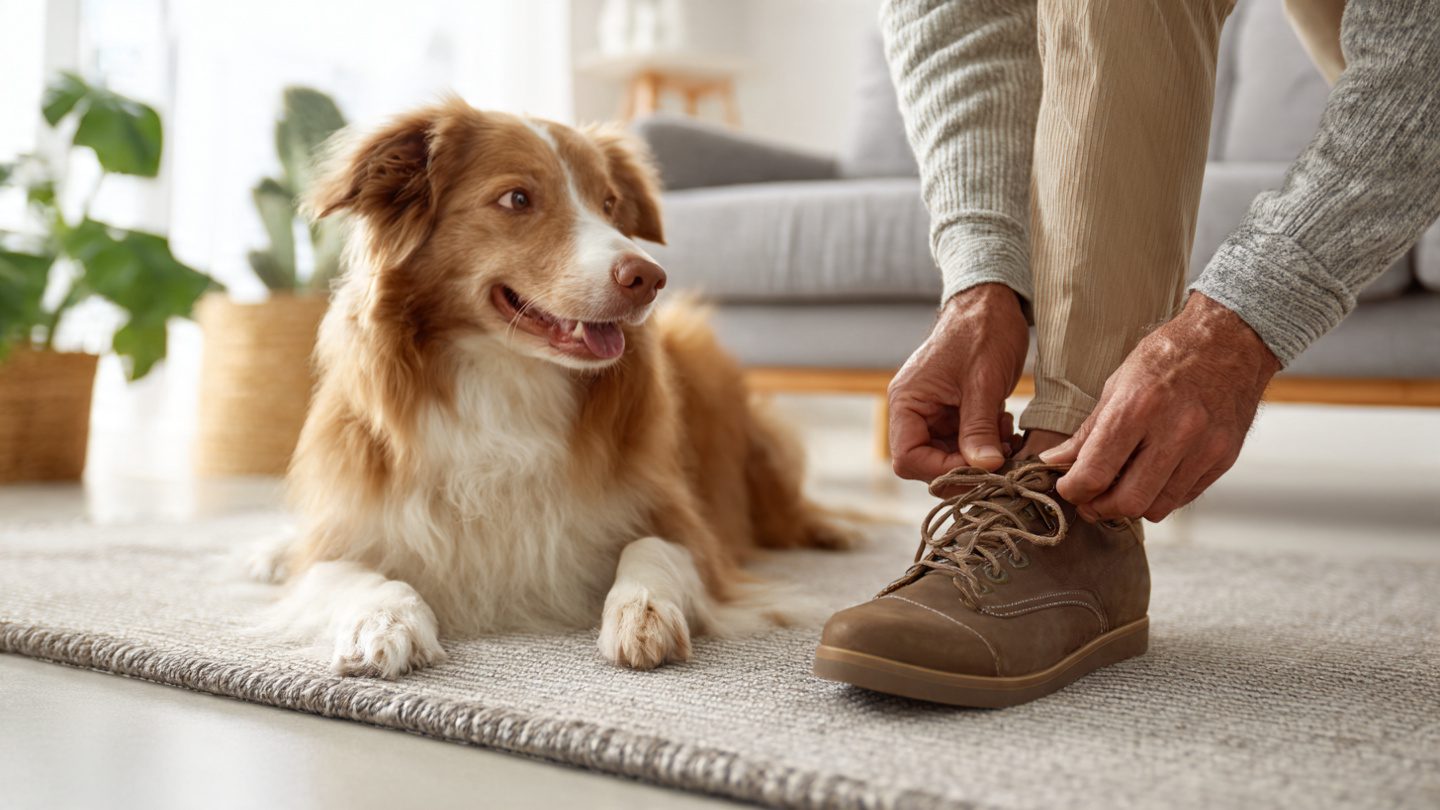
Then reduce cues that signal departure. Pick up keys randomly during the day without leaving. Put on shoes and sit down again. This breaks the association between cues and abandonment. Over time, your dog becomes neutral to those signals.
Consistency builds security. Security reduces barking.
Gradual Alone Training
One of the most powerful methods in How to teach a dog not to bark when he’s home alone is gradual exposure. Start small. Leave for one minute. Return calmly. No celebration. No excitement.
Repeat this several times daily. Slowly increase the time to three minutes. Then five. Then ten. Only increase duration if your dog remains calm. If barking starts, you increased time too fast. Go back a step.
This method teaches emotional tolerance. Your dog learns that you always come back. This is not quick. It may take weeks. But it builds permanent change.
Professional trainers use this method because it works with the dog’s nervous system. It rewires expectation. Calm becomes normal.
Mental and Physical Stimulation
A bored dog is a noisy dog. Exercise is not optional. It is foundational. Before leaving, give your dog structured physical activity. A brisk walk. Fetch. Training drills. Mental work is equally important.
Use puzzle feeders. Use food-dispensing toys. Hide treats. Activate the brain. Mental exhaustion creates relaxation.
When researching How to teach a dog not to bark when he’s home alone, many owners underestimate enrichment. But enrichment changes chemistry. A mentally satisfied dog rests longer. A tired brain does not search for problems.
Rotation is key. Do not give the same toy every day. Novelty keeps engagement high. Engagement reduces barking behavior.
Environment Control Setup
Your home environment matters. Visual triggers can stimulate barking. Close curtains if outside movement triggers noise. Use white noise or calming music. This masks external sounds.
Some dogs relax in crates. Others prefer open rooms. Observe preference. A safe space reduces anxiety. Add bedding that smells like you. Familiar scent lowers stress hormones.
Temperature also matters. Discomfort can increase agitation. Make sure the room is comfortable. Avoid overheating or cold drafts.
A calm environment supports your training plan. It strengthens every step in How to teach a dog not to bark when he’s home alone.

Avoid Reinforcing Barking
Many owners accidentally reward barking. If you return home while your dog is barking, and you immediately give attention, you may reinforce the behavior. Timing matters.
When you return, wait for silence. Even two seconds of quiet is enough. Then enter calmly. Reward calmness, not noise.
Do not shout through doors. Do not use shock-based tools. These increase stress and confusion. Training must build confidence, not fear.
Learning How to teach a dog not to bark when he’s home alone requires discipline from you. Your behavior must be consistent. Dogs thrive on predictability.
Advanced Training Methods
For professional-level training, incorporate structured obedience programs. Teach “place” command. Teach long-duration down stays. Reward extended calm behavior.
You can also practice “relaxation protocols.” These are structured sequences where your dog learns to remain calm during mild distractions. Over time, resilience increases.
Another advanced technique is counterconditioning. Pair your departure with something positive. Special chew toy appears only when you leave. Your absence predicts reward.
Professionals know that behavior change is emotional change. If your dog feels safe, barking decreases naturally. This is the deeper level of How to teach a dog not to bark when he’s home alone.
When to Seek Help
If barking continues intensely despite training, consult a certified dog behaviorist. Severe separation anxiety sometimes requires professional guidance. In rare cases, veterinarians may recommend temporary medication to reduce extreme anxiety.
There is no shame in asking for help. Complex behavior needs expertise. Early intervention prevents escalation.
Remember, the goal is not silence. The goal is emotional stability. When stability improves, barking fades.
British Shorthair Cat: Origin, Personality and Breed Secrets Explained
British Longhair Cat – What Kind of Cat Breed Is It ?
Summary
Learning How to teach a dog not to bark when he’s home alone requires understanding, structure, and patience. Identify the trigger first. Use gradual exposure training. Create calm departures. Provide mental and physical stimulation. Control the environment. Avoid reinforcing barking. Stay consistent. Over time, your dog will build confidence and emotional independence.
Barking is communication. When you respond with strategy instead of frustration, transformation happens. The process takes time, but the reward is a calm, secure dog and a peaceful home.
FAQ
1. How long does it take to teach a dog not to bark when home alone?
It depends on the cause. Mild boredom barking may improve in weeks. Separation anxiety can take months of gradual training.
2. Should I use anti-bark collars?
They may suppress barking but often increase anxiety. Behavioral training is more sustainable and humane.
3. Can puppies learn this training?
Yes. Early gradual exposure is ideal. Start with very short absences and build confidence slowly.
4. Is barking always anxiety?
No. It can be boredom, habit, environmental triggers, or territorial behavior.
5. What if neighbors complain during training?
Communicate openly. Use white noise and enrichment tools to minimize disruption while training progresses.
Call to Action
If you found this guide helpful, start applying the steps today. Observe your dog. Create a calm departure routine. Begin gradual alone training. Consistency today creates peace tomorrow. Save this guide and return to it during your training journey.






