
 Befrey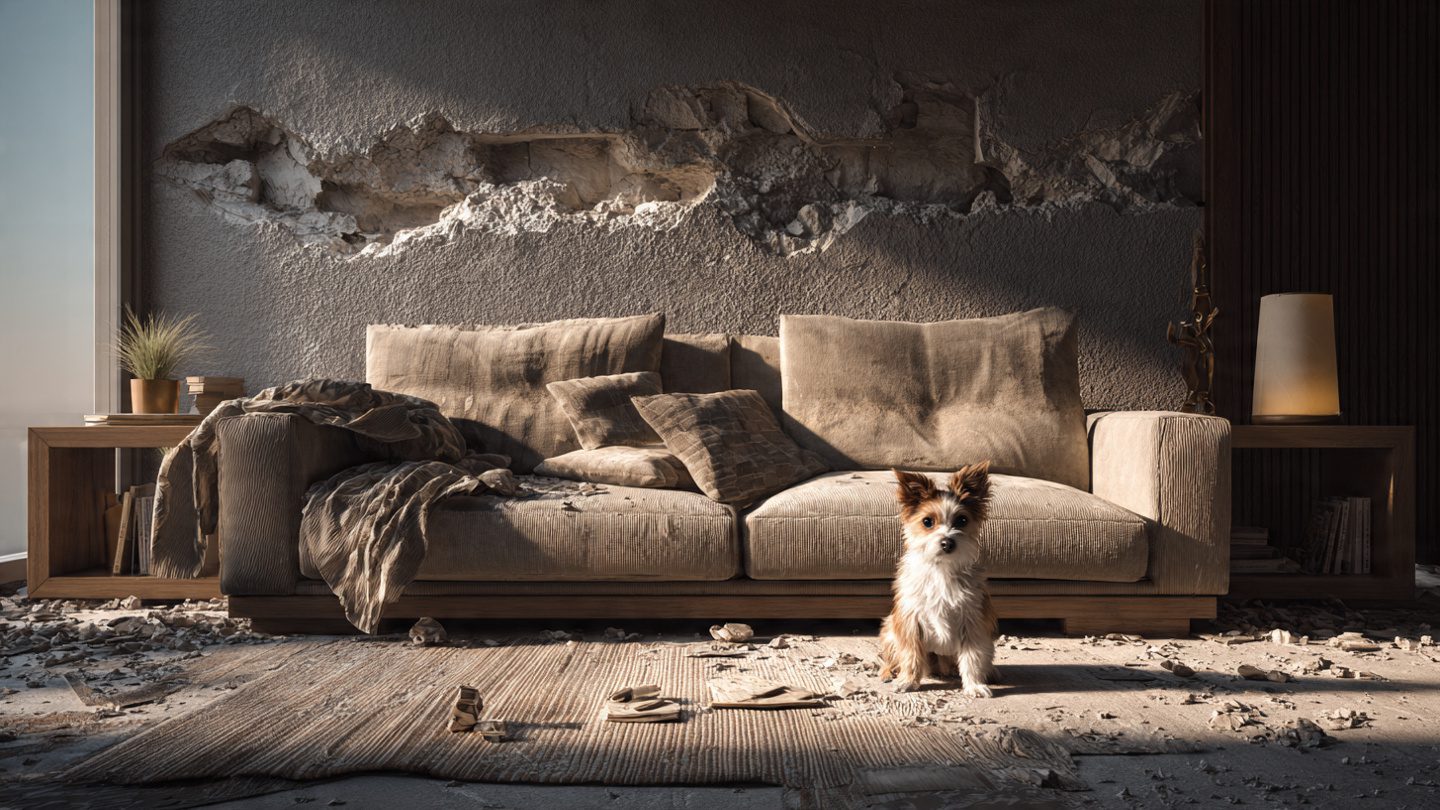
If you are searching for What to do when your dog destroys furniture, you are facing one of the most frustrating and emotionally draining problems in dog ownership. Many owners feel confused, angry, or helpless when they see torn sofas, chewed chairs, or destroyed cushions. Learning what to do when a dog chews furniture, how to stop destructive chewing, and how to prevent dogs from destroying furniture is not just about protecting your home. It is about understanding your dog’s mind. This complete guide will teach you exactly What to do when your dog destroys furniture, why the behavior happens, and how to permanently stop it using proven behavioral science and professional training strategies.
Furniture destruction is not random. It is not revenge. It is not spite. It is communication. When you understand the message behind the destruction, you gain control. When you apply the right structure, the behavior can stop completely. This guide will show you how to transform chaos into calm, damage into discipline, and frustration into trust.
Understanding Destructive Behavior
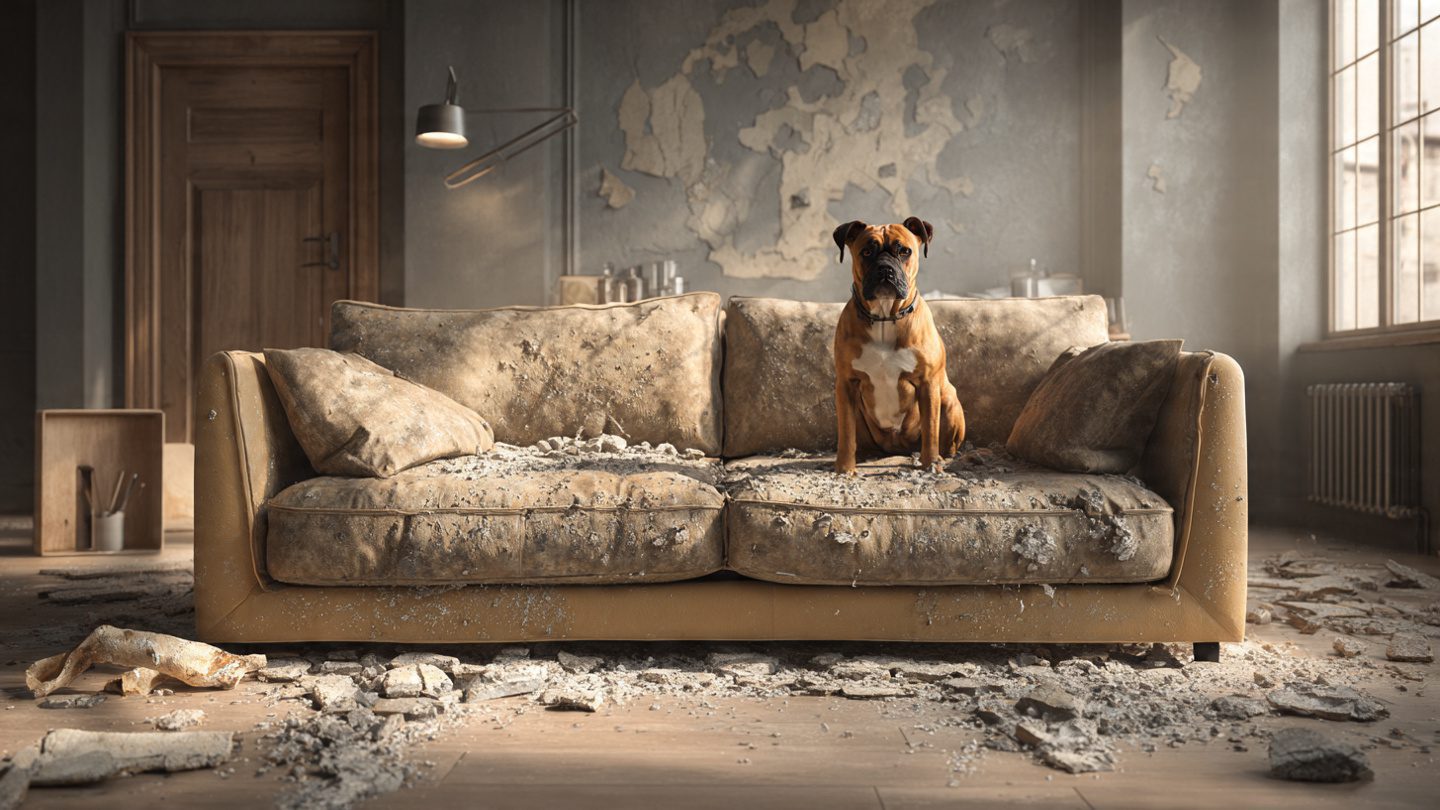
Before you can solve the problem, you must understand why it exists. Destruction always has a cause. Dogs do not destroy furniture without a reason. The most common causes are anxiety, boredom, excess energy, teething, and lack of structure.
Dogs experience the world through their mouths. Chewing is natural. It relieves stress. It releases tension. It stimulates the brain. When dogs do not have appropriate outlets, they create their own. Unfortunately, furniture becomes the target.
Another important factor is emotional state. Dogs that feel anxious when alone often chew objects that smell like their owner. Sofas, beds, and chairs carry strong human scent. Chewing them provides emotional relief. Understanding this psychological connection is critical when learning What to do when your dog destroys furniture.
Destruction is not the core problem. It is a symptom. The real problem is unmet physical or emotional needs.
Separation Anxiety Signs
One of the most serious causes of destruction is separation anxiety. Dogs with anxiety do not feel safe when left alone. Their nervous system enters survival mode. In this state, chewing becomes a coping mechanism.
Common signs include destroying furniture near doors, windows, or areas where you spend time. Dogs may also bark excessively, pace, drool, or scratch surfaces. These are not signs of disobedience. They are signs of distress.
When addressing What to do when your dog destroys furniture, you must treat anxiety carefully. Punishment makes anxiety worse. Fear increases destructive behavior. Calm training reduces it.
Watch your dog’s patterns. Does destruction happen immediately after you leave? Does it happen after hours of boredom? Understanding timing reveals motivation.
Once you understand motivation, you can apply the correct solution.
Excess Energy Problems
Energy is one of the most overlooked causes of furniture destruction. Dogs are designed for activity. When energy builds without release, it must escape somehow. Chewing becomes an outlet.
A tired dog rests. An energetic dog creates problems.
Many owners underestimate their dog’s energy needs. A short walk is often not enough. Dogs need structured exercise. They need mental stimulation. They need purpose.
If you want to master What to do when your dog destroys furniture, start with exercise. Physical activity reduces destructive impulses. It balances brain chemistry. It creates calm.
Exercise is not optional. It is essential.
Proper Chewing Alternatives
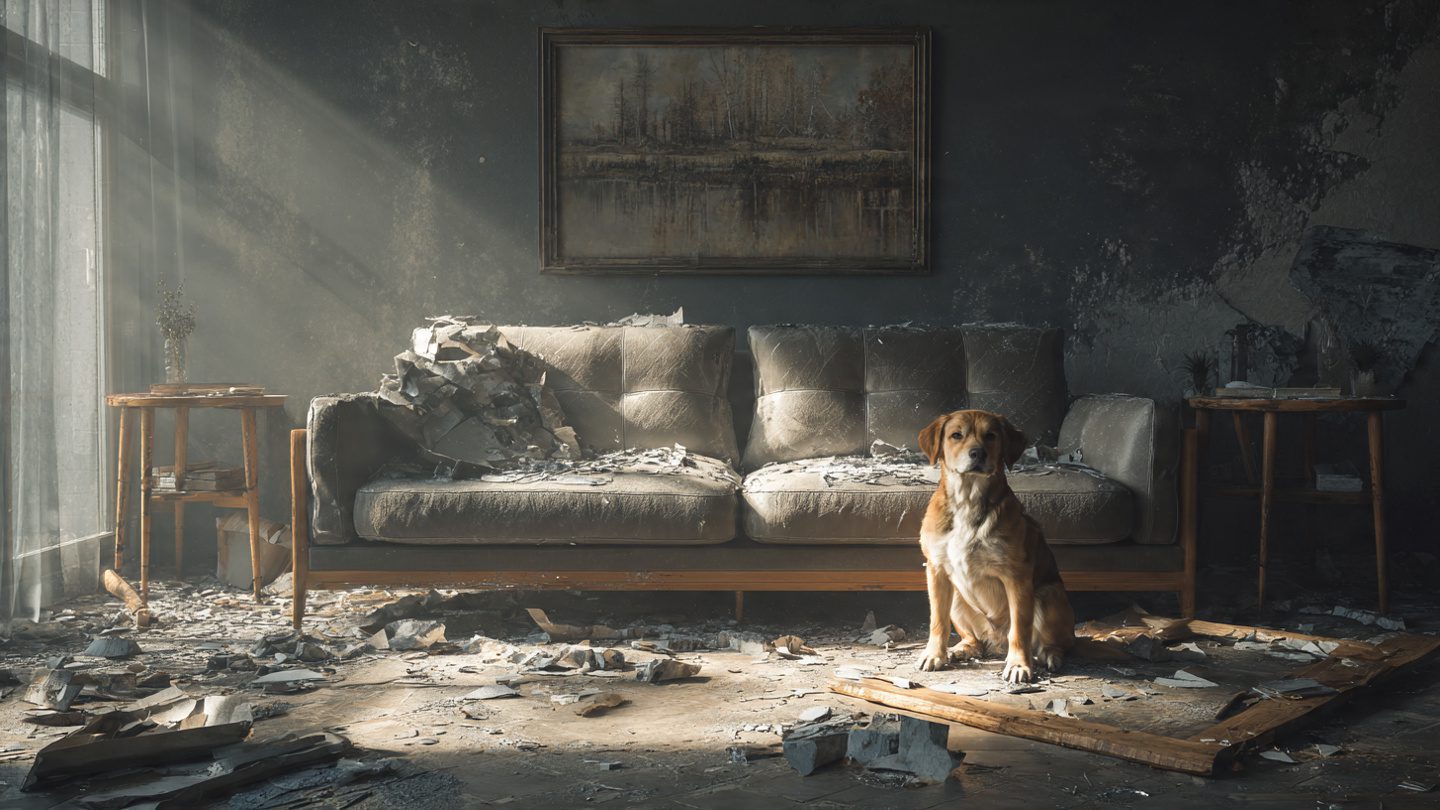
Dogs do not stop chewing. They learn what to chew. This distinction is critical. You must redirect behavior, not suppress it completely.
Provide appropriate chew toys. Durable rubber toys work well. Food-dispensing toys are powerful tools. They satisfy chewing and mental stimulation simultaneously.
Rotation is important. New toys maintain interest. Old toys become boring.
When your dog chooses the correct object, reward immediately. Reinforce good choices. This teaches your dog what is acceptable.
A key principle in What to do when your dog destroys furniture is replacement, not removal. Give better options. Make those options more rewarding.
Over time, preference shifts naturally.
Environment Management System
Your dog’s environment shapes behavior. Uncontrolled access creates opportunity for destruction. Management prevents mistakes before they happen.
Limit access to high-risk areas. Use baby gates. Use crates if properly introduced. Create a safe zone.
This is not punishment. It is structure.
Dogs thrive in structured environments. Chaos creates anxiety. Predictability creates calm.
When practicing What to do when your dog destroys furniture, management is your first line of defense. It protects your home while training takes effect.
Think of it as prevention, not restriction.
Mental Stimulation Methods
Mental stimulation is as important as physical exercise. Dogs need to think. They need challenges. Without mental engagement, boredom develops.
Use training sessions. Teach commands. Practice obedience drills. Use puzzle toys.
Hide treats around the house. Create scent games. Activate your dog’s natural instincts.
Mental fatigue creates calm. A mentally satisfied dog is less destructive.
Many professional trainers emphasize mental stimulation when teaching What to do when your dog destroys furniture. It reduces frustration. It fulfills psychological needs.
A busy brain does not seek destructive outlets.
Correcting Destructive Habits
Correction must be done correctly. Punishment after destruction does not work. Dogs associate correction only with the present moment.
If you punish your dog after returning home, your dog does not connect punishment to past chewing. Instead, your dog learns to fear your return.
This damages trust. Fear increases anxiety. Anxiety increases destruction.
Instead, focus on prevention and redirection. Supervise your dog. Interrupt destructive behavior calmly. Redirect to appropriate chew objects.
Reward correct choices immediately.
Consistency creates learning. Learning creates change.
Understanding this principle is central to mastering What to do when your dog destroys furniture.
Structured Alone Training
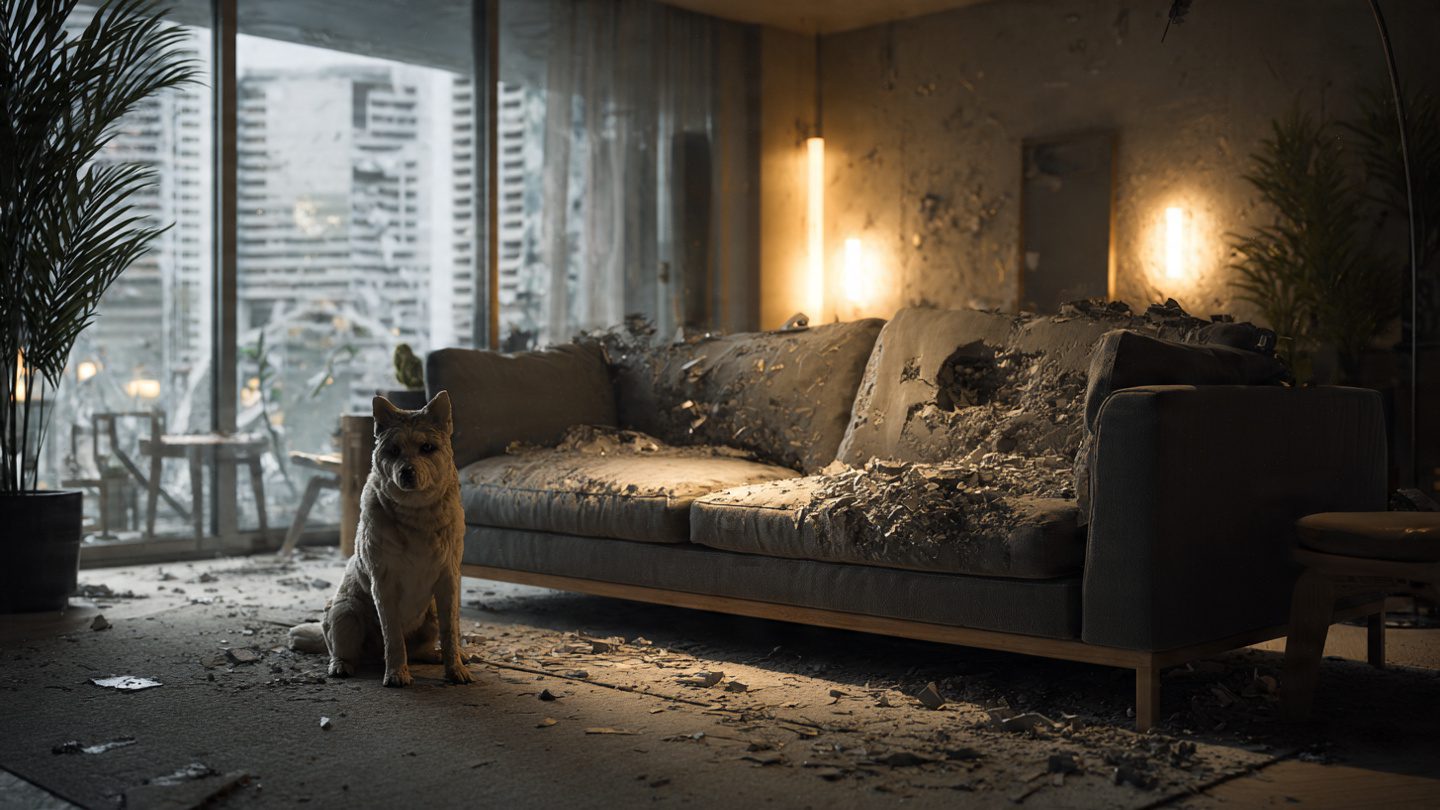
Dogs must learn independence gradually. Sudden long absences create stress. Stress creates destructive coping behaviors.
Start with short absences. Leave for one minute. Return calmly. Increase duration slowly.
This builds emotional tolerance. Your dog learns safety.
Combine this with enrichment toys. Provide activities during your absence.
Positive association changes emotional response.
Professional trainers use this method because it works with brain conditioning.
Gradual independence reduces destruction naturally.
Building Long-Term Stability
Permanent change requires consistency. There is no instant fix. Behavior change is a process.
Meet your dog’s physical needs. Meet emotional needs. Provide structure. Provide leadership.
Dogs seek security. When security exists, destructive behavior disappears.
Training is not about control. It is about communication.
When your dog understands expectations, calm becomes natural.
Mastering What to do when your dog destroys furniture is not about stopping chewing. It is about building emotional balance.
Balance creates peace.
Summary
Learning What to do when your dog destroys furniture requires understanding the cause, not just reacting to the damage. Destruction is often caused by anxiety, boredom, excess energy, or lack of structure. Provide physical exercise. Provide mental stimulation. Offer appropriate chew alternatives. Manage the environment. Train independence gradually. Reward calm behavior. Avoid punishment.
When you address the root cause, destructive behavior disappears naturally. Your dog becomes calmer, more confident, and more balanced.
Stop the Noise: How to Teach a Dog Not to Bark When He’s Home Alone
FAQ
1. Why does my dog destroy furniture when I leave?
The most common cause is separation anxiety or boredom. Your dog is coping with emotional or physical stress.
2. Will my dog grow out of destructive chewing?
Some dogs improve with age, but training is still necessary to ensure proper behavior.
3. Should I punish my dog for destroying furniture?
No. Punishment increases anxiety and confusion. Use redirection and prevention instead.
4. How long does training take?
Some improvement may appear in weeks. Full behavioral change may take months depending on consistency.
5. Do crates help prevent destruction?
Yes, when used correctly. Crates provide safety and prevent access to destructive targets.
Call to Action
Start implementing these strategies today. Observe your dog’s behavior. Increase exercise. Provide mental stimulation. Create structure. Your actions today will shape your dog’s behavior tomorrow. Consistency creates transformation.






