
 Befrey
If you are searching for How to manage separation anxiety in a dog, you are trying to solve one of the most emotionally complex and misunderstood problems in dog behavior. Separation anxiety can cause barking, destruction, pacing, and emotional suffering. Many owners want to know how to help a dog with separation anxiety, how to stop separation anxiety in dogs, and how to calm a dog when left alone. This guide will teach you exactly How to manage separation anxiety in a dog using proven behavioral science, emotional conditioning, and structured training methods. Whether you are a beginner or an experienced dog owner, you will learn how to restore calm, confidence, and emotional independence in your dog.
Separation anxiety is not disobedience. It is fear. It is panic. It is emotional insecurity. Your dog does not feel safe when you are gone. Understanding this changes everything. When you treat the emotional cause instead of the symptom, permanent transformation becomes possible.
This article will show you how to build emotional strength in your dog step by step.
Understanding Emotional Anxiety
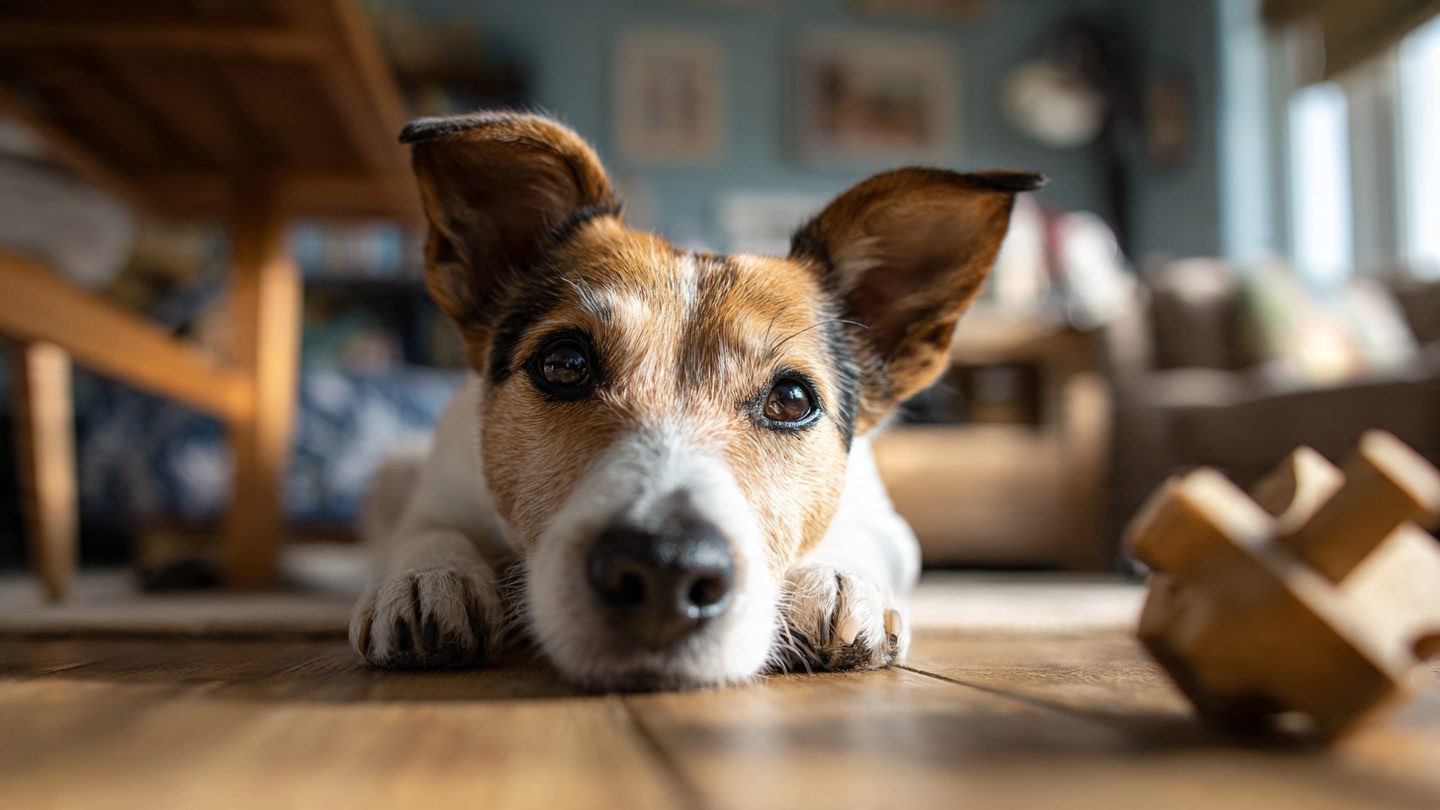
To master How to manage separation anxiety in a dog, you must first understand what anxiety is. Anxiety is the nervous system’s response to perceived danger. When your dog believes your absence is unsafe, the brain activates survival mode.
In survival mode, your dog cannot relax. Stress hormones increase. The heart rate rises. The mind searches for solutions. Barking, destruction, and pacing become coping mechanisms.
This behavior is not intentional misbehavior. It is emotional distress. Your dog is trying to reduce panic.
Dogs are social animals. They evolved to live in groups. Being alone feels unnatural to many dogs. Some dogs adapt easily. Others struggle deeply.
Understanding this emotional foundation is the first step in learning How to manage separation anxiety in a dog effectively.
Recognizing Anxiety Symptoms
Symptoms of separation anxiety are often misunderstood. Many owners believe their dog is being stubborn or destructive on purpose. This is incorrect. Anxiety symptoms are involuntary.
Common signs include excessive barking, howling, destructive chewing, scratching doors, pacing, and attempts to escape. Some dogs drool excessively. Others refuse to eat when alone.
Timing is important. Anxiety behaviors often begin immediately after you leave. This distinguishes anxiety from boredom.
Some dogs also show anxiety signals before departure. They may follow you constantly. They may become restless when you pick up keys.
Recognizing these early warning signs allows you to intervene early. Early intervention is critical when learning How to manage separation anxiety in a dog.
Building Emotional Security
Security is the foundation of calm behavior. Dogs need to feel safe even when you are absent. Emotional security is built through predictability and trust.
Start by creating consistent routines. Feed your dog at the same time daily. Walk at consistent times. Predictable structure reduces uncertainty.
Avoid emotional departures. Do not create dramatic goodbyes. Calm departures signal safety.
Teach independence gradually. Encourage your dog to rest in a separate space while you are home. This builds tolerance for distance.
Security grows through repetition. Repetition builds confidence. Confidence reduces anxiety.
This emotional conditioning is central to How to manage separation anxiety in a dog successfully.
Gradual Desensitization Training
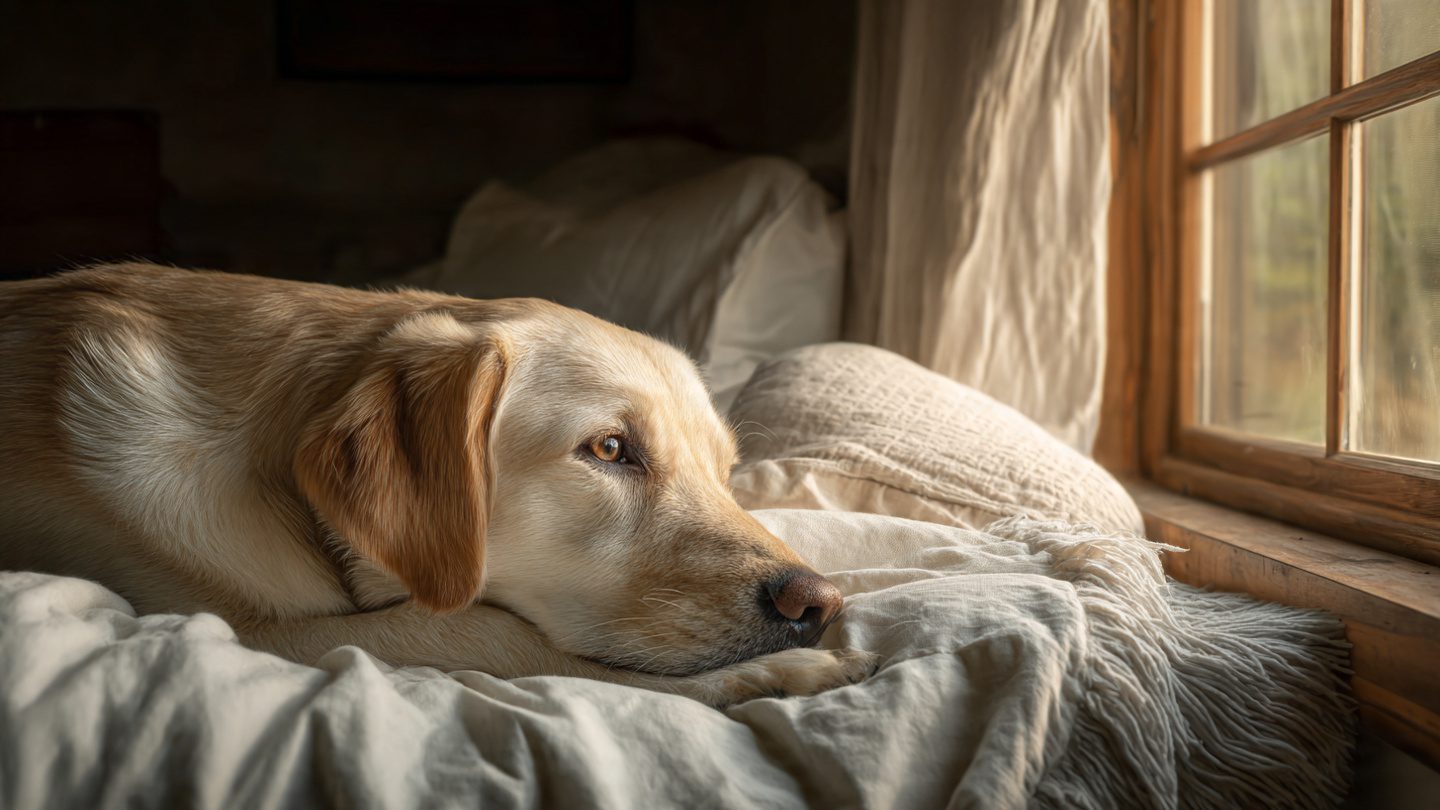
Desensitization is the most powerful method for treating separation anxiety. It retrains your dog’s emotional response to being alone.
Start with very short absences. Leave for one minute. Return calmly. Repeat this multiple times daily.
Gradually increase absence duration. Move to three minutes. Then five minutes. Then ten minutes.
Only increase time if your dog remains calm. If anxiety appears, reduce duration.
This method works by teaching your dog that absence is temporary and safe.
Desensitization rewires brain expectations. It replaces fear with confidence.
Professional behaviorists consider this the most effective technique for How to manage separation anxiety in a dog.
Calm Departure Routine
Departure cues often trigger anxiety. Dogs associate keys, shoes, and bags with abandonment. These cues activate fear before you leave.
To solve this, neutralize departure cues. Pick up keys without leaving. Put on shoes and remain inside.
Repeat this daily. This breaks the association between cues and abandonment.
Exercise your dog before leaving. Physical activity reduces stress hormones.
Mental stimulation also helps. Use puzzle toys. Provide chew objects.
A calm body supports a calm mind.
This preparation strengthens your success in How to manage separation anxiety in a dog.
Mental Stimulation Strategies
Mental engagement reduces anxiety. A bored brain focuses on stress. An engaged brain focuses on activity.
Use food-dispensing toys. These create positive association with alone time.
Hide treats around safe areas. This activates natural foraging instincts.
Training sessions build mental fatigue. Mental fatigue promotes rest.
Rotate enrichment tools regularly. Novelty maintains engagement.
Mental stimulation transforms alone time from threat to opportunity.
This strategy plays a major role in How to manage separation anxiety in a dog long term.
Creating Safe Environment
Environment affects emotional state. A safe space reduces anxiety intensity.
Some dogs prefer crates. Others prefer open rooms. Observe preference.
Provide comfortable bedding. Include items that smell like you.
Use calming background sound. Silence amplifies external noises. Sound masks triggers.
Control temperature. Physical comfort reduces emotional stress.
Safe environments promote relaxation.
Environmental control strengthens your overall plan for How to manage separation anxiety in a dog.
Avoiding Common Mistakes
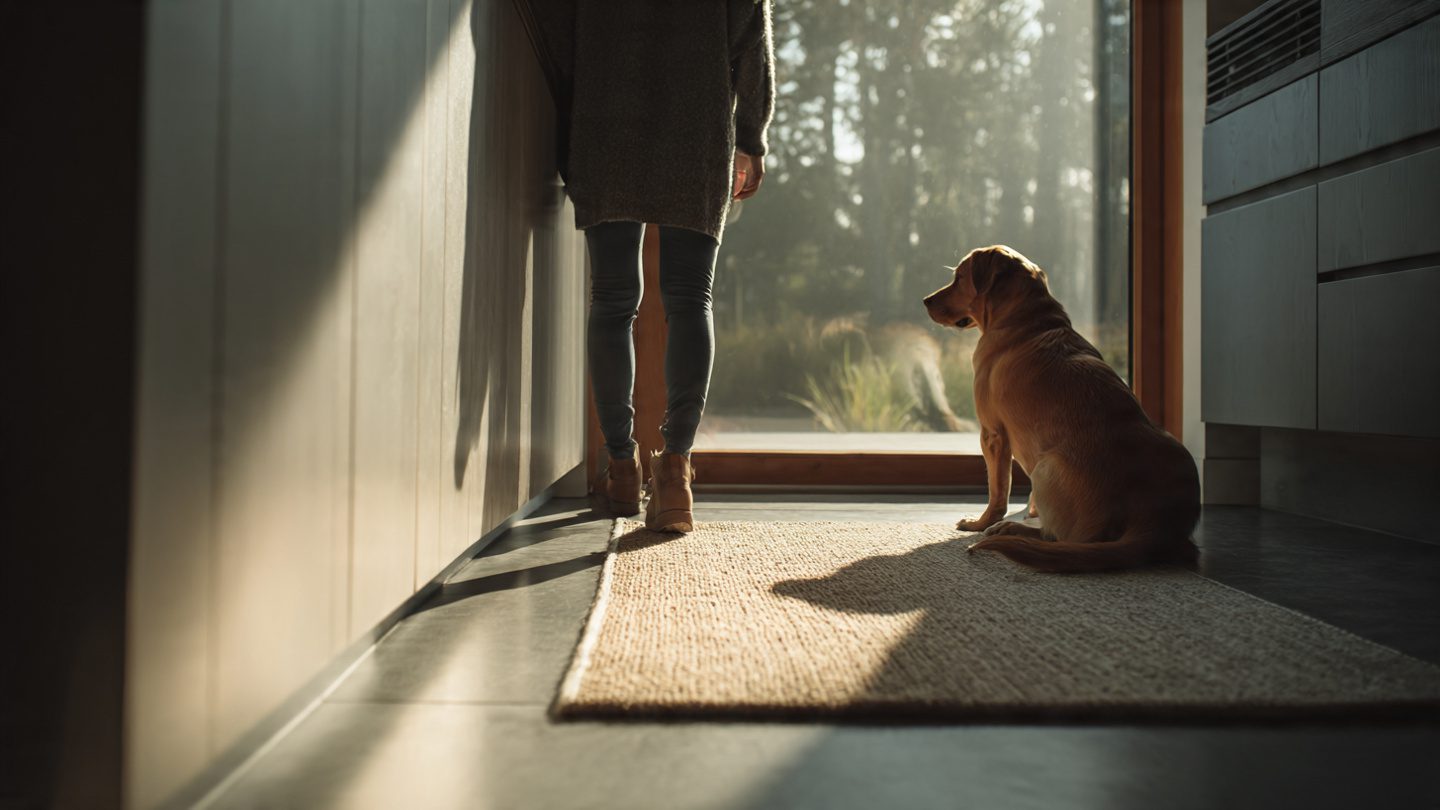
Many owners unintentionally worsen anxiety. Punishment is the most damaging mistake. Punishment increases fear.
Ignoring anxiety signals completely is also harmful. Your dog needs structured emotional support.
Avoid sudden long absences early in training. Gradual exposure is essential.
Do not reinforce anxious behavior unintentionally. Reward calm behavior instead.
Consistency is critical. Inconsistent training slows progress.
Avoid shortcuts. Emotional conditioning requires time.
Understanding mistakes accelerates progress.
Long-Term Emotional Stability
True recovery requires emotional resilience. This is built through consistent training and leadership.
Meet physical needs daily. Meet mental needs consistently.
Provide clear structure. Provide predictable routines.
Over time, your dog develops independence. Independence creates calm.
Confidence replaces fear.
Behavior change becomes permanent.
Mastering How to manage separation anxiety in a dog creates a peaceful life for both you and your dog.
Summary
Learning How to manage separation anxiety in a dog requires understanding emotional psychology, gradual desensitization, environmental control, and structured training. Anxiety is not disobedience. It is fear. By building emotional security, providing mental stimulation, and practicing gradual alone training, your dog can develop confidence and calm independence. Consistency and patience create lasting transformation.
Stop the Noise: How to Teach a Dog Not to Bark When He’s Home Alone
Stop the Destruction: What to Do When Your Dog Destroys Furniture
FAQ
1. How long does it take to fix separation anxiety in a dog?
It depends on severity. Mild cases improve in weeks. Severe cases may require several months.
2. Can separation anxiety be cured completely?
Yes, in most cases. With consistent training, dogs develop emotional independence.
3. Should I ignore my dog when leaving?
Remain calm. Avoid emotional departures. Calm behavior reduces anxiety triggers.
4. Does exercise help separation anxiety?
Yes. Exercise reduces stress hormones and promotes relaxation.
5. Do dogs grow out of separation anxiety naturally?
Some improve with age, but structured training ensures faster and permanent improvement.
Call to Action
Start today. Observe your dog. Practice gradual alone training. Create calm routines. Build emotional security step by step. Your patience will create confidence. Your leadership will create calm.






