
 Befrey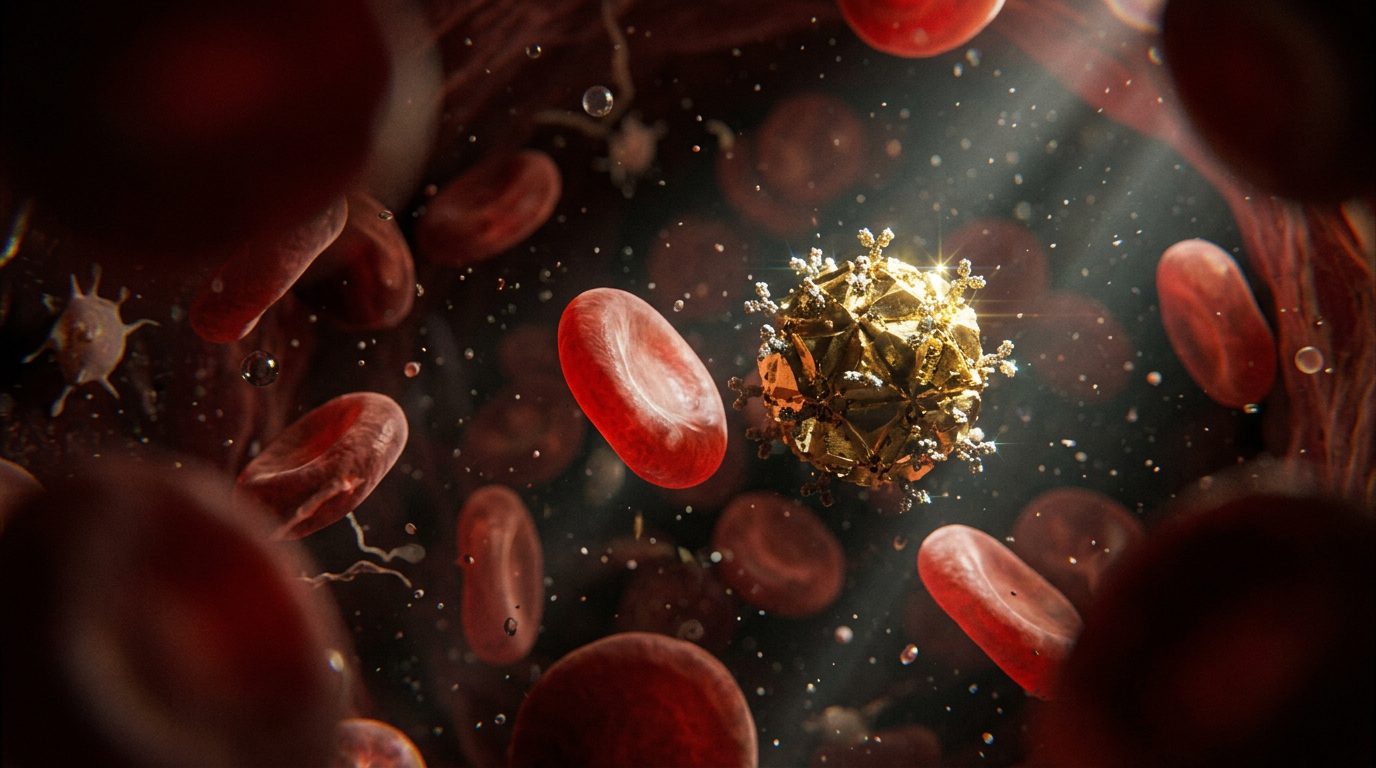
The Hidden Revolution Operating at the Atomic Scale
We live in a world governed by unseen forces, but a quiet technological revolution is taking place right beneath our eyes. Science has crossed a threshold where we no longer just manipulate whole materials. Instead, we now engineer reality atom by atom to build incredible microscopic machines.
Understanding modern nanotechnology applications reveals how invisible science drives massive breakthroughs across every major global industry today. Most people assume that technological progress requires bigger factories, faster processors, and larger physical infrastructure. However, the exact opposite is true because true control over nature happens at the smallest possible physical dimensions.
When you shrink materials down to the nanoscale, standard physical laws yield to mind-bending quantum phenomena. Gold turns red or purple, inert materials suddenly become powerful catalysts, and fragile elements gain unmatched structural strength. Scientists and engineers harness these precise molecular quirks to build targeted medical therapies, self-cleaning surfaces, ultra-efficient energy grids, and microscopic sensors.
By taking control of matter at the fundamental atomic level, human civilization is solving complex problems that once seemed completely impossible. The microscopic realm is no longer just a subject for theoretical physics. It has quickly become the primary engine powering the next generation of global industrial innovation.
How Scientists Decode Ancient Civilizations’ Secret DNA?
How Small Are Nanotechnology Devices
To truly grasp the power of atomic engineering, one must first answer a fundamental physical question: how small are nanotechnology devices? A single nanometer is one-billionth of a meter, an absolute scale so microscopic that human intuition struggles to visualize it. To put this in a clear real-world perspective, a standard sheet of newspaper is roughly 100,000 nanometers thick.
If a single nanometer were the width of a marble, a full meter would easily span the entire continent of North America. Furthermore, a strand of human DNA measures roughly 2.5 nanometers across, while a typical red blood cell measures nearly 7,000 nanometers. Engineered nanodevices operate directly alongside these cellular components, allowing them to interact seamlessly with biological structures.
Because these machines are built at the scale of single molecules, they slip through physical barriers that stop larger human-made objects dead in their tracks. At this tiny scale, gravity loses its dominant grip, while surface area, static charges, and quantum forces take complete control.
This dramatic shift in physical behavior allows scientists to design microscopic sensors, targeted drug delivery vehicles, and sub-atomic transistors that operate with absolute mechanical precision. Building functional tools at this microscopic scale is not merely about making existing gadgets smaller; it is about mastering an entirely different dimension of physical laws.
Real World Examples of Nanotechnologies
While nanoscale science sounds like pure science fiction, real world examples of nanotechnologies are already woven deeply into the fabric of everyday modern life. You likely interact with engineered nanoscale materials dozens of times each day without ever realizing it.
For instance, modern stain-resistant clothing uses microscopic “whiskers” made of synthetic polymers that create an invisible cushion of air, causing spilled liquids to bead up and roll off instantly. Premium sunscreens no longer leave a thick, chalky white residue on your skin because they utilize transparent zinc oxide nanoparticles that absorb harmful ultraviolet radiation without scattering visible light.
In the automotive industry, scratch-resistant clear coats incorporate ceramic nanoparticles that form a flexible yet rock-hard outer barrier against daily wear and tear. Elite sporting goods manufacturers embed carbon nanotubes into tennis rackets and bicycle frames, yielding ultra-lightweight gear that boasts remarkable structural integrity.
Even modern food packaging relies on nanoscale clay barriers trapped inside plastic films to prevent oxygen and moisture from spoiling delicate products. These practical implementations prove that nanoscale engineering is not just a laboratory experiment. It is a mature, high-value commercial industry quietly improving consumer products around the globe.

Applications of Nanotechnology in Medicine and Healthcare
The biological realm is where atomic precision yields its most profound breakthroughs, particularly when evaluating applications of nanotechnology in medicine and healthcare. Traditional medicine often relies on broad treatments that impact the entire body, leading to systemic stress, damage to healthy tissue, and uncomfortable side effects.
Nanomedicine completely changes this dynamic by introducing intelligent, highly targeted molecular tools directly into the bloodstream. Advanced lipid nanoparticles, for example, were essential in delivering delicate genetic instructions within modern mRNA vaccines, protecting the payload until it reached target cells safely.
Cancer treatments are undergoing a similar revolutionary transformation through specialized functionalized gold nanoparticles. Doctors engineer these microscopic spheres to target surface markers found exclusively on malignant cancer cells, completely ignoring healthy surrounding tissue.
Once these nanoparticles latch onto a tumor, clinicians activate them using painless external infrared light. The nanoparticles instantly absorb the light energy, heat up dramatically, and vaporize the cancerous tumor from the inside out without damaging a single healthy organ.
Furthermore, targeted drug delivery systems act like microscopic cruise missiles, carrying toxic chemotherapy medications directly inside cancer cells before releasing their payload. This hyper-targeted delivery method allows oncologists to use vastly lower drug doses while simultaneously eliminating the devastating side effects typically associated with systemic cancer therapy.
How Is Nanotechnology Used in Modern Electronics
As consumer electronics demand faster performance and slimmer form factors, engineers face hard physical limitations when relying on traditional manufacturing methods. Examining how is nanotechnology used in modern electronics highlights the clever tricks hardware designers use to keep computing power growing at an exponential pace.
Traditional silicon transistors have reached a microscopic threshold where electrical current leaks across ultra-thin physical barriers, generating excessive heat and draining portable batteries. Nanotechnology solves this critical bottleneck by replacing flat silicon layouts with three-dimensional gate structures built using precise atomic layer deposition.
Advanced microprocessors now feature transistor gates that measure mere nanometers across, allowing billions of microscopic switches to fit onto a single chip no larger than a fingernail. Additionally, quantum dot technology has revolutionized consumer display screens, utilizing precisely sized semiconductor nanocrystals that emit intensely pure, vivid colors when struck by blue light.
Memory storage devices rely on specialized magnetoresistive thin films crafted at the nanoscale to store vast amounts of digital data within microscopic magnetic domains. Carbon nanotubes and graphene sheets are also being developed as ultra-fast, highly conductive interconnects to replace traditional copper wiring within microchips. These nanoscale materials virtually eliminate electrical resistance and heat generation, paving the way for hyper-efficient quantum processing units and flexible, wearable electronic screens.
Current Uses of Nanodevices in Industry
Beyond medicine and high-end computing, current uses of nanodevices in industry are rapidly transforming global manufacturing, infrastructure maintenance, and industrial chemical processing. Heavy industry relies on specialized catalysts to convert raw chemical feedstocks into essential fuels, polymers, and synthetic fertilizers.
By applying nanoscale catalytic materials, chemical factories expose massive surface areas to raw reactants, dramatically speeding up complex chemical reactions while reducing the required operating temperatures and energy consumption. This industrial efficiency saves billions of dollars annually in energy costs while significantly reducing industrial carbon emissions.
In aerospace engineering, embedded nanodevices act as real-time structural health monitoring systems hidden directly inside composite airplane wings and spacecraft hulls. Microscopic piezoelectric sensors detect microscopic stress fractures and fatigue long before visible cracks surface, alerting maintenance crews to potential failures before catastrophic accidents occur.
Water treatment facilities leverage nanoporous membranes and magnetic nanoparticle slurry systems to strip heavy metals, industrial solvents, and microplastics out of municipal water supplies with unprecedented filtering efficiency.
Construction materials are also upgrading, as nano-engineered concrete uses silica nanoparticles to fill tiny internal voids, producing bridges and skyscrapers that withstand extreme earthquakes, salt corrosion, and weathering far better than traditional building materials.
Deep-Sea Research: What Secrets Do the Oceans Hide?
Advantages and Disadvantages of Nanotechnology
Like any transformative technological shift in human history, manipulating matter at the atomic level brings an intricate balance of immense benefits alongside distinct environmental and social risks. Weighing the advantages and disadvantages of nanotechnology is essential for ensuring responsible development across global supply chains.
Primary Technical Advantages
-
Unmatched Material Efficiency: Building components atom-by-atom reduces raw material waste to nearly zero during industrial manufacturing.
-
Targeted Biological Action: Nanomedicines treat devastating diseases at the cellular level, eliminating damage to surrounding healthy organs.
-
Extreme Energy Density: Nanoscale battery architectures allow for ultra-fast charging speeds and dramatically higher power capacity in electric vehicles.
-
Superior Mechanical Strength: Incorporating carbon nanotubes creates structural alloys that are vastly stronger than structural steel at a tiny fraction of the weight.
-
Advanced Environmental Remediation: Nanoporous filtering membranes safely strip chemical pollutants, heavy metals, and salt out of contaminated water supplies.
Primary Technical Challenges
-
Potential Inhalation Toxicity: Airborne nanoparticles can pass directly through human lung tissue and enter the bloodstream, creating unique respiratory hazards.
-
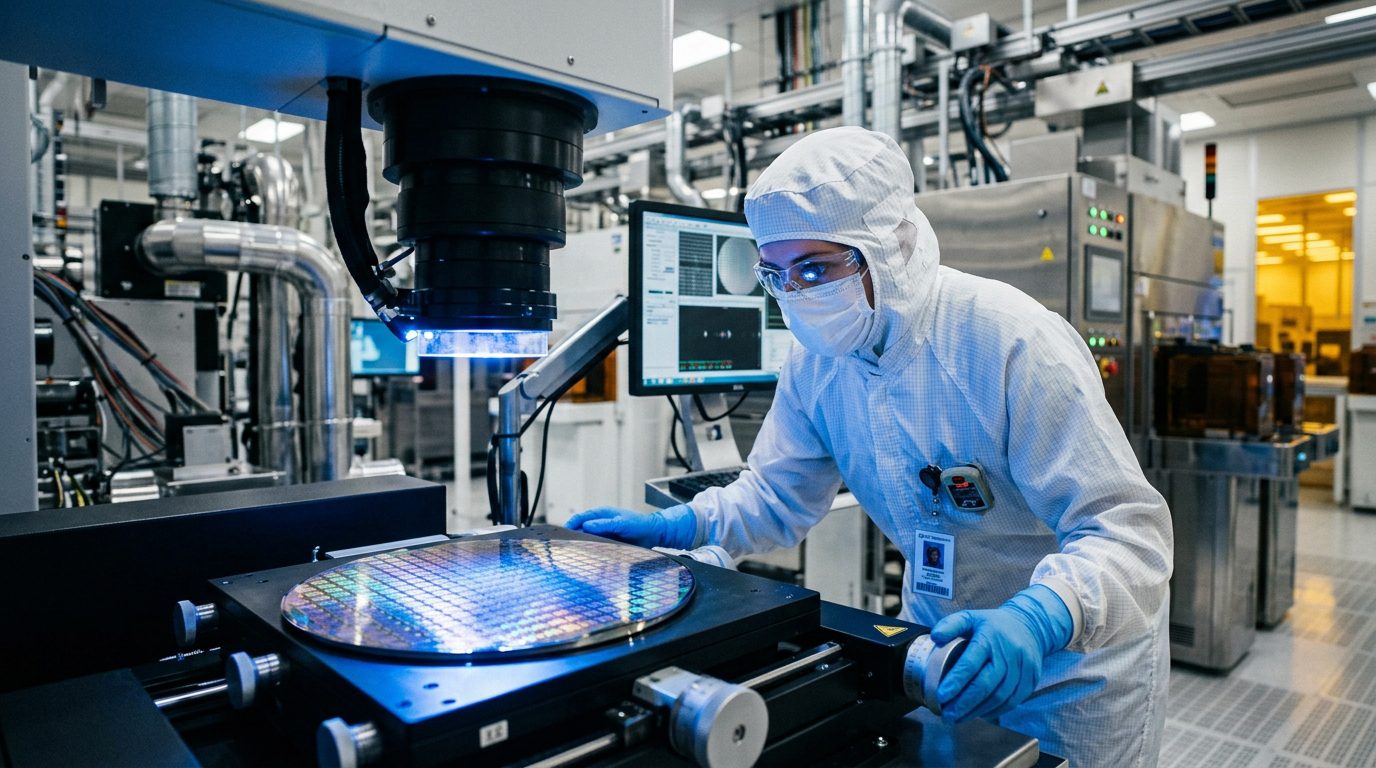
High Manufacturing Costs: Fabricating defect-free nanoscale components requires cleanrooms and expensive, high-precision equipment.
-
Environmental Bioaccumulation: Unregulated disposal of synthetic nanoparticles can allow non-biodegradable materials to build up inside marine food chains.
-
Complex Regulatory Oversight: Existing health and safety regulations struggle to evaluate products whose physical risks change drastically based purely on particle size.
How Does Nanotechnology Impact Everyday Life
When taking a step back to examine how does nanotechnology impact everyday life, it becomes clear that this microscopic science is fundamentally changing how society operates on a daily basis. Beyond consumer electronics and high-tech medical clinics, atomic engineering quietly powers critical global infrastructure, sustainable agriculture, and renewable energy production.
Modern solar panels, for instance, utilize specialized anti-reflective nanoscale coatings that trap higher amounts of incoming sunlight, boosting power generation efficiency while preventing dirt accumulation. In modern agriculture, smart nano-encapsulated fertilizers deliver nutrients directly to plant root systems over weeks or months, preventing excess chemical runoff from polluting surrounding river ecosystems.
Even our home appliances rely on silver nanoparticle coatings that kill dangerous bacteria on contact, keeping kitchen surfaces and washing machine drums naturally sterile without harsh chemicals. Electric vehicles travel significantly further on a single charge because their lithium-ion batteries utilize nanoscale silicon anodes, which store vastly more energy than traditional graphite designs.
By silently optimizing resource usage, reducing industrial energy consumption, and improving everyday consumer products, atomic engineering has become an invisible yet indispensable foundation of modern human civilization.
What Are the Benefits of Nanoscale Technology
Looking closely at economic, environmental, and technological domains exposes what are the benefits of nanoscale technology across modern global infrastructure. The ultimate benefit of operating at the nanoscale lies in achieving maximum functional output while consuming minimum physical matter and energy.
By precisely controlling atomic arrangements, engineers synthesize custom materials engineered for specific physical conditions rather than settling for the flawed properties of raw bulk elements. This precision yields lighter aircraft that burn far less jet fuel, longer-lasting medical implants that resist biological rejection, and ultra-efficient computing hardware that operates on minimal power.
From a sustainability perspective, nanoscale catalysts allow industrial chemical plants to run at significantly lower temperatures, slashing global industrial greenhouse gas emissions. In the medical field, early detection nano-diagnostics identify circulating tumor DNA in a single drop of blood long before physical symptoms appear, saving lives through early intervention.
By fundamentally shrinking the physical footprint required to build advanced machinery, humanity can decouple technological growth from resource extraction. The nanoscale paradigm provides a realistic roadmap toward a cleaner, faster, and far more energy-efficient global industrial economy.
Future Potential of Nanotechnology Devices
As researchers master atomic fabrication, the future potential of nanotechnology devices expands into realms that sound like pure science fiction. We are rapidly moving toward an era of intelligent, autonomous molecular machines capable of performing delicate repairs inside living organisms and complex industrial hardware.
Future medical applications may feature swarms of autonomous nanobots swimming through the human cardiovascular system, actively clearing arterial plaque, repairing damaged cellular DNA, and hunting down rogue viruses before infections take hold.
In environmental science, self-replicating nanomachines could be deployed into ocean gyres to break down synthetic microplastics into harmless organic molecules, reversing decades of global marine pollution. Energy researchers are actively developing artificial photosynthetic nanostructures that convert ambient sunlight, carbon dioxide, and water directly into clean liquid hydrogen fuel at industrial scales.
Furthermore, combining molecular manufacturing with artificial intelligence will allow scientists to design self-healing building materials that automatically seal internal cracks, preventing structural collapses in bridges and buildings. As our control over matter approaches absolute atomic perfection, nanotechnology will cease to be a specialized branch of science. Instead, it will serve as the primary tool driving human space exploration, radical life extension, and planetary ecological restoration.
Key Takeaways
-
Scale Precision: Nanotechnology operates at one-billionth of a meter, where materials exhibit unique quantum behaviors and enhanced physical strength.
-
Commercial Integration: Everyday products like sunscreens, stain-resistant fabrics, and scratch-resistant automotive paint coatings already utilize functional nanoparticles.
-
Healthcare Breakthroughs: Nanomedicine enables targeted cancer therapies and lipid nanoparticle drug delivery systems that destroy diseased cells without harming healthy tissue.
-
Electronics Optimization: Nanoscale transistor architectures and quantum dots allow microchips to run significantly faster while consuming less electrical power.
-
Industrial Impact: Advanced catalytic nanoparticles and structural monitoring sensors slash energy consumption while extending the lifespan of critical infrastructure.
-
Future Possibilities: Emerging research points toward self-healing materials, autonomous medical nanobots, and ultra-efficient clean energy production using molecular machines.
Why Do Some Viruses Become Extremely Resistant? The Truth
Frequently Asked Questions
Is nanotechnology safe for human health and the environment?
When properly bound inside solid materials, nanoparticles are completely safe. However, unattached airborne nanoparticles require careful handling to prevent inhalation toxicity. Regulatory agencies actively monitor nanoparticle manufacturing to establish strict safety standards, ensuring worker safety and preventing environmental runoff.
How does nanotechnology differ from traditional chemical engineering?
Traditional chemical engineering involves mixing bulk chemicals to trigger broad reactions between large quantities of molecules. Nanotechnology, by contrast, involves mechanically placing, arranging, and manipulating individual molecules or precise nanoscale structures to engineer specific, deterministic physical properties.
Can nanotechnology cure cancer?
While not a singular universal cure, nanotechnology dramatically improves cancer treatment outcomes. Functionalized nanoparticles deliver toxic chemotherapy drugs directly into cancerous tumor cells while ignoring healthy tissue, eliminating systemic side effects and making cancer therapies far more effective.
Why do materials behave differently at the nanoscale?
As physical matter shrinks to the nanoscale, its surface-area-to-volume ratio increases exponentially, placing vastly more atoms on its surface. At this microscopic boundary, classical physics yields to quantum mechanical effects, altering the material’s electrical conductivity, optical properties, chemical reactivity, and structural strength.
How soon will autonomous medical nanobots exist?
Basic nanostructures and targeted drug delivery vehicles are already actively used in hospitals today. Fully autonomous, self-propelled nanomachines capable of navigating blood vessels and executing complex cellular repairs are currently in advanced laboratory testing, with clinical trials expected within the next decade.
Transform Your Perspective Today
The microscopic revolution is no longer a distant theoretical concept; it is actively reshaping medicine, energy, computing, and environmental science right before our eyes. Understanding how nanoscale innovations operate empowers consumers, investors, and industry leaders to navigate the next era of global technological transformation.
Don’t let the invisible world pass you by. Subscribe to our official newsletter today to receive cutting-edge scientific breakdowns, exclusive industry analysis, and deep dives into the disruptive technologies shaping our collective future!






