
 Befrey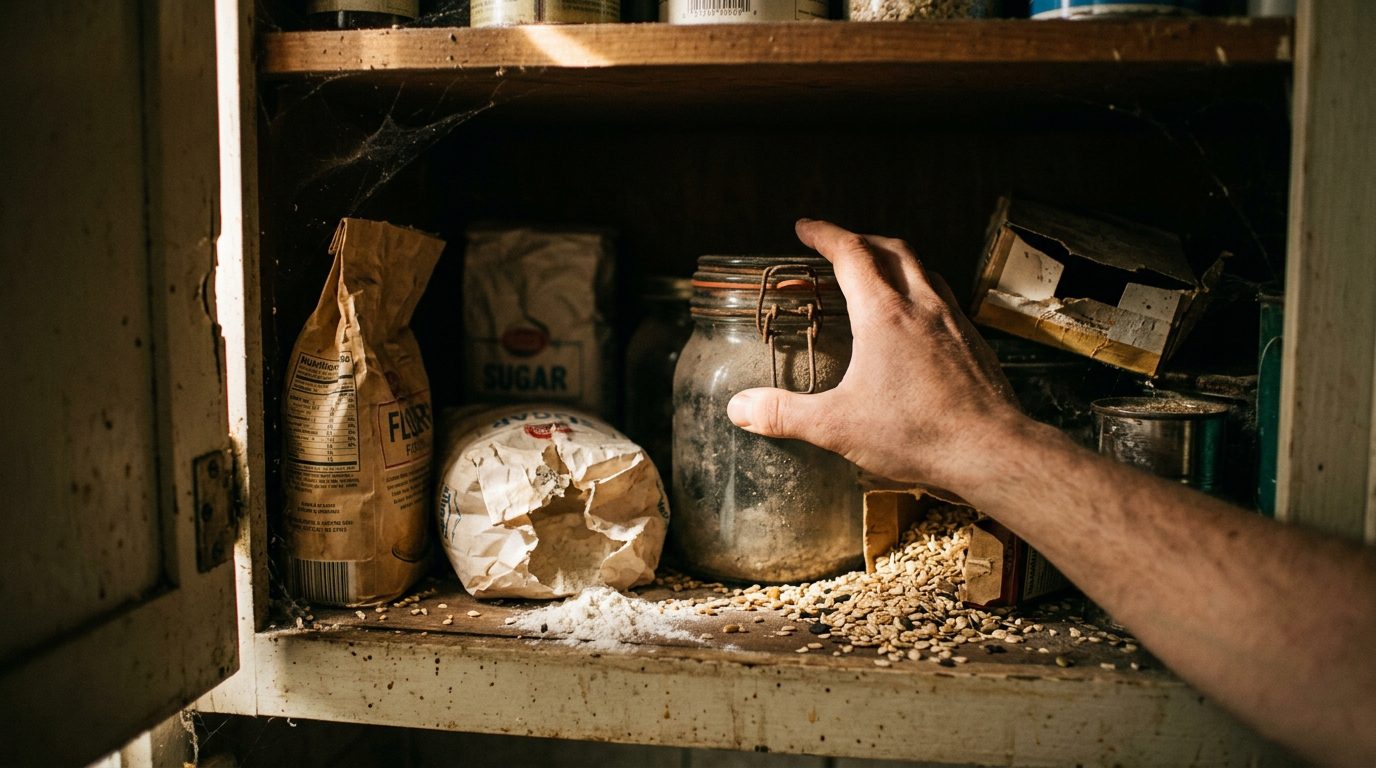
The quiet chaotic reality behind closed cabinet doors is costing you hundreds of dollars every single year. Most homeowners believe that clutter is simply an aesthetic nuisance, but in reality, an unmanaged storage space actively destroys your grocery budget through hidden decay, forgotten expiration dates, and duplicate purchases. When you master pantry and food cupboard organization, you do not just create a picture-perfect visual display—you completely transform how your kitchen functions, save valuable cooking time, and eliminate daily domestic stress.
To build a truly functional kitchen space, you must reject the temptation to buy aesthetic storage bins before understanding your household’s actual consumption patterns. True efficiency is rooted in systematic inventory flow, ergonomic placement, and deliberate visual clarity. By approaching your kitchen storage as a high-efficiency distribution center rather than a chaotic dumping ground, you create an effortless environment where every single item has a dedicated, logical home.
The Hidden Cost of Kitchen Chaos and Clutter
Every wasted box of stale cereal and every hidden jar of expired spices is a direct tax on your hard-earned income. When items are stacked haphazardly inside deep shelves, dark corners become financial black holes where perfectly good food goes to die. Visual overload triggers decision fatigue, making meal preparation feel like an overwhelming chore rather than an enjoyable routine.
When you cannot instantly see what you own, your brain defaults to buying more out of uncertainty. This leads to buying duplicate cans of black beans, triple bags of flour, and redundant condiments that take up precious shelf real estate. Restructuring your cupboard stops this cycle immediately by bringing absolute visual transparency to every square inch of your kitchen storage.
How to Organize Pantry Containers and Labels for Maximum Flow
Mastering how to organize pantry containers and labels requires looking past social media trends and focusing purely on long-term functionality. The process begins with a total wipeout: removing every single item from your shelves to assess your current inventory without bias. Grouping like items together allows you to calculate the precise volume of storage you actually require before buying a single accessory.
Once your items are grouped into intuitive categories like baking staples, breakfast foods, and dinner bases, you can strategically pair them with matching containers. Decanting dry goods into uniform, see-through vessels immediately reclaims vertical space and eliminates visual noise. Applying uniform, high-contrast labels ensures that every household member knows exactly where items belong, permanently preventing daily clutter from returning.
Best Food Storage Containers for Pantry Organization and Longevity
Investing in the best food storage containers for pantry organization is a crucial step for long-term food preservation and pest prevention. Generic plastic bags and original cardboard boxes leak air, absorb humidity, and invite unwanted kitchen pests to ruin your expensive bulk ingredients. High-quality airtight containers create an impermeable seal that keeps flour, sugar, coffee, and dry pasta fresh for twice as long.
Glass vs. BPA-Free Plastic Vessels
Glass jars offer non-porous, stain-resistant durability that never absorbs odorous food oils or chemical residues over time. They provide crystal-clear visibility from any angle and add a satisfying weight to your shelving system. BPA-free modular plastic containers present a lightweight, shatterproof alternative that maximizes tight shelf configurations through stackable square profiles.
Airtight Latching Mechanisms
Selecting the proper locking mechanism dictates the overall shelf life of your dry goods. Silicone-sealed push-top lids provide effortless single-handed operation during rapid cooking, while heavy-duty side-clamping latches deliver maximum pressure against moisture. Inspecting seal integrity regularly guarantees that your staple ingredients remain fully protected against humidity fluctuations.
Storing Clothes in a Small Closet: Tips for Saving Space: Secret?
Simple Pantry Organization System Step by Step for Every Home
Executing a simple pantry organization system step by step transforms an overwhelming weekend project into an enjoyable, manageable process. The secret lies in logical sequence: audit, categorize, purge, contain, and label. Skipping any of these steps inevitably leads to a system that collapses under the weight of daily family use within a few short weeks.
Phase One: The Complete Space Audit
Clear off your kitchen counters and empty every cupboard completely to expose the true physical limits of your cabinetry. Throw away expired goods, donate unopened duplicates you know you will never eat, and scrub down raw shelf surfaces with an eco-friendly cleaner. Starting with a completely bare, sanitized canvas allows you to reimagine your space without being limited by past mistakes.
Phase Two: Categorization and Zoning
Divide your inventory into active consumption zones based on daily cooking habits. Store frequently used items like snacks, oils, and daily spices within comfortable arm’s reach between eye and waist level. Place heavy backup overflow goods on bottom shelves and reserve upper ledges for light, rarely used seasonal appliances or party supplies.
Food Cupboard Organization Ideas for Small Spaces and Compact Kitchens
Implementing clever food cupboard organization ideas for small spaces allows tight apartments and galley kitchens to perform like spacious culinary havens. Limited footage forces you to think vertically rather than horizontally, turning flat wall space and unused door backs into active storage zones. Small kitchens do not lack space; they simply suffer from unutilized vertical air.
Tiered Risers and Lazy Susans
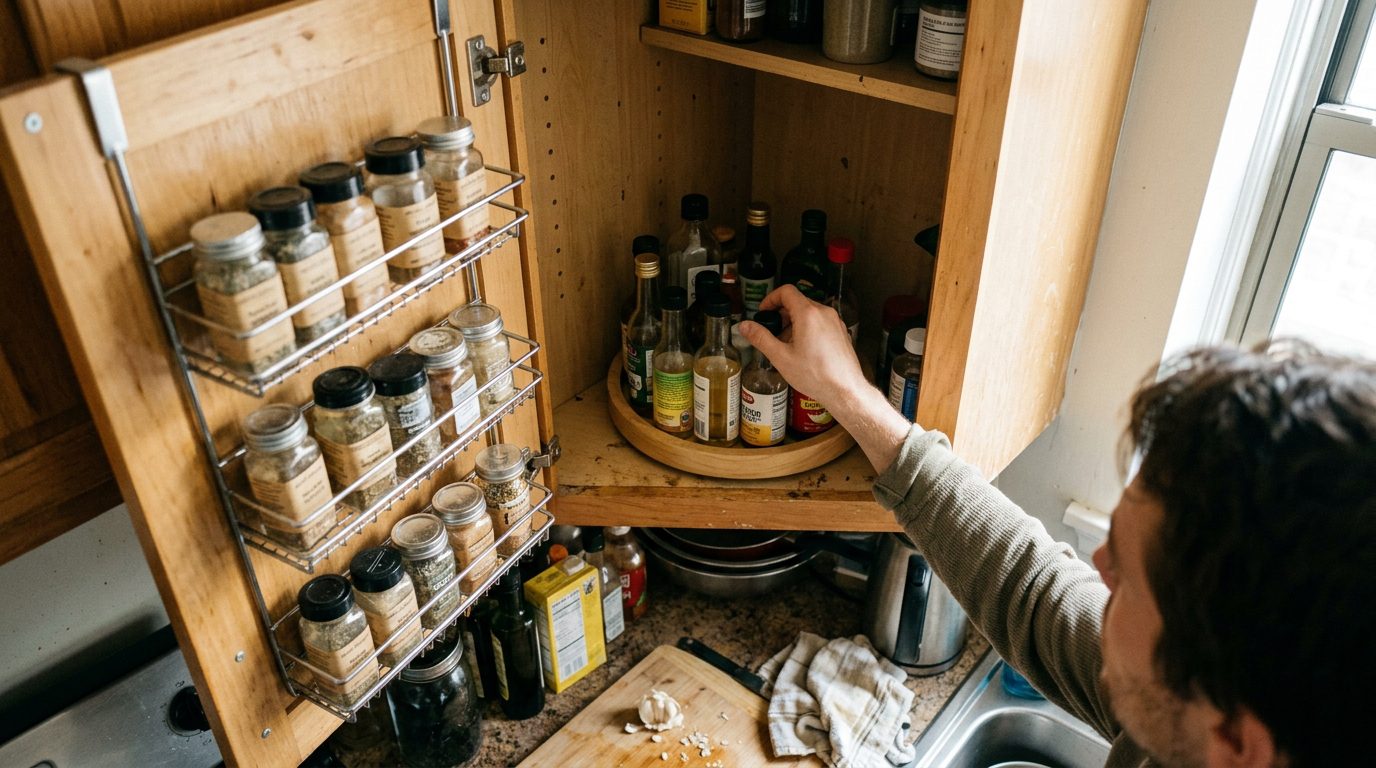
Installing stepped shelf risers instantly eliminates the frustrating “out of sight, out of mind” phenomenon with small canned goods and spice jars. Rotating turntables—or Lazy Susans—bring deep, inaccessible corner cabinet recesses straight to your fingertips with a simple spin. These basic ergonomic tools double your usable footprint without requiring any invasive cabinetry modifications.
Over-the-Door and Under-Shelf Hanging Systems
The inside face of your cupboard doors represents prime real estate for lightweight wire racks, measuring spoons, or flat spice collections. Under-shelf hanging baskets slide directly onto existing wood dividers, creating a whole new layer of storage for flat items like wraps, cutting boards, or snack pouches without drilling a single hole.
Printable Pantry Labels for Glass Jars and Custom Aesthetic Designs
Utilizing printable pantry labels for glass jars represents the ultimate bridge between rigorous systematic order and elevated interior aesthetics. A container without a label relies purely on memory, which inevitably leads to embarrassing baking mistakes like swapping salt for sugar or cake flour for bread flour. Labels establish clear boundaries that compel everyone in the home to maintain the system effortlessly.
Font Selection and Visual Hierarchy
Designing custom printable labels allows you to select clean, minimalist fonts that match your home’s unique interior design style. Ensure high visual contrast between text and background material so that ingredients are clearly legible under dim evening kitchen light. Grouping your labels into consistent font sizes maintains a sleek, professional appearance across all shelf tiers.
Water-Resistant Material Choices
Standard paper labels quickly smudge, peel, and degrade when exposed to kitchen steam, oily fingers, or routine hand washing. Printing your designs onto water-resistant vinyl or durable clear sticker stock guarantees that your custom labels stay crisp and beautiful through years of heavy cooking use. Wipeable chalk-style labels provide flexibility for frequently rotating seasonal ingredients.
Maintaining Your Kitchen Storage System Over the Long Haul
A newly organized cupboard is only as effective as the daily habits that support it. Establishing a quick five-minute weekly reset right before grocery shopping keeps unwanted clutter from sneaking back onto your pristine shelves. Returning items directly to their designated zones prevents chaotic build-up and makes creating meal lists faster than ever before.
Conducting a seasonal deep audit twice a year ensures that your system evolves alongside changing diet habits, holiday baking seasons, and family milestones. When your storage infrastructure is tailored specifically around your lifestyle, maintaining clear surfaces and organized shelves becomes an effortless, automatic part of your day.
The KonMari Method in Practice: Step-by-Step Guide to Folding Clothes Vertically: Secret?
Summary of Core Principles
-
Eliminate Visual Chaos: Decant bulk dry goods into matching, see-through containers to instantly reclaim vertical shelf space and prevent food decay.
-
Establish Ergonomic Zones: Position high-frequency ingredients at waist-to-eye level while relegating heavy bulk reserves to lower shelves.
-
Maximize Unused Air Space: Use tiered shelf risers, rotating turntables, and over-the-door hanging racks to unlock hidden storage capacity in compact kitchens.
-
Label Every Vessel: Apply durable, water-resistant labels to ensure ingredients are easily identified and items are always returned to their correct homes.
-
Maintain System Rhythm: Perform a brief five-minute shelf check prior to weekly grocery shopping to avoid duplicate purchases and keep clutter away permanently.
Frequently Asked Questions
What is the most effective way to start organizing a chaotic food cupboard?
The most effective way to start is by completely emptying every single shelf. Group all items into clear categories on your kitchen counter, discard expired food, and clean the interior surfaces before placing a single item back inside.
Is decanting all dry food into containers really necessary?
Decanting is not strictly necessary for every item, but it is highly recommended for staple ingredients like flour, sugar, rice, and pasta. Containers keep these items fresh far longer, protect against pests, and maximize vertical space.
How do I prevent my pantry from becoming messy again after a few weeks?
Maintain your system by applying clear, legible labels to every bin and container. When every family member knows the exact home for every item, maintaining order becomes effortless. A brief weekly check before grocery shopping keeps clutter away.
What are the best storage solutions for very small apartment kitchens?
For small kitchens, make use of vertical space with tiered shelf risers, rotating Lazy Susans for deep cabinet corners, and over-the-door hanging racks. These solutions expand your usable capacity without taking up extra floor space.
Should I choose glass or plastic containers for storing my food?
Glass containers are ideal if you prefer non-porous, eco-friendly materials that will not stain or absorb food odors over time. BPA-free plastic containers are better if you need lightweight, shatterproof, and space-saving stackable options.
Take Control of Your Kitchen Space Today
Ready to transform your chaotic kitchen into a peaceful, highly efficient culinary haven? Stop wasting money on forgotten groceries and take the first simple step toward total kitchen clarity today. Pick one single cupboard, clear off the shelves, apply these proven storage principles, and experience the quiet joy of a perfectly organized home!






