Befrey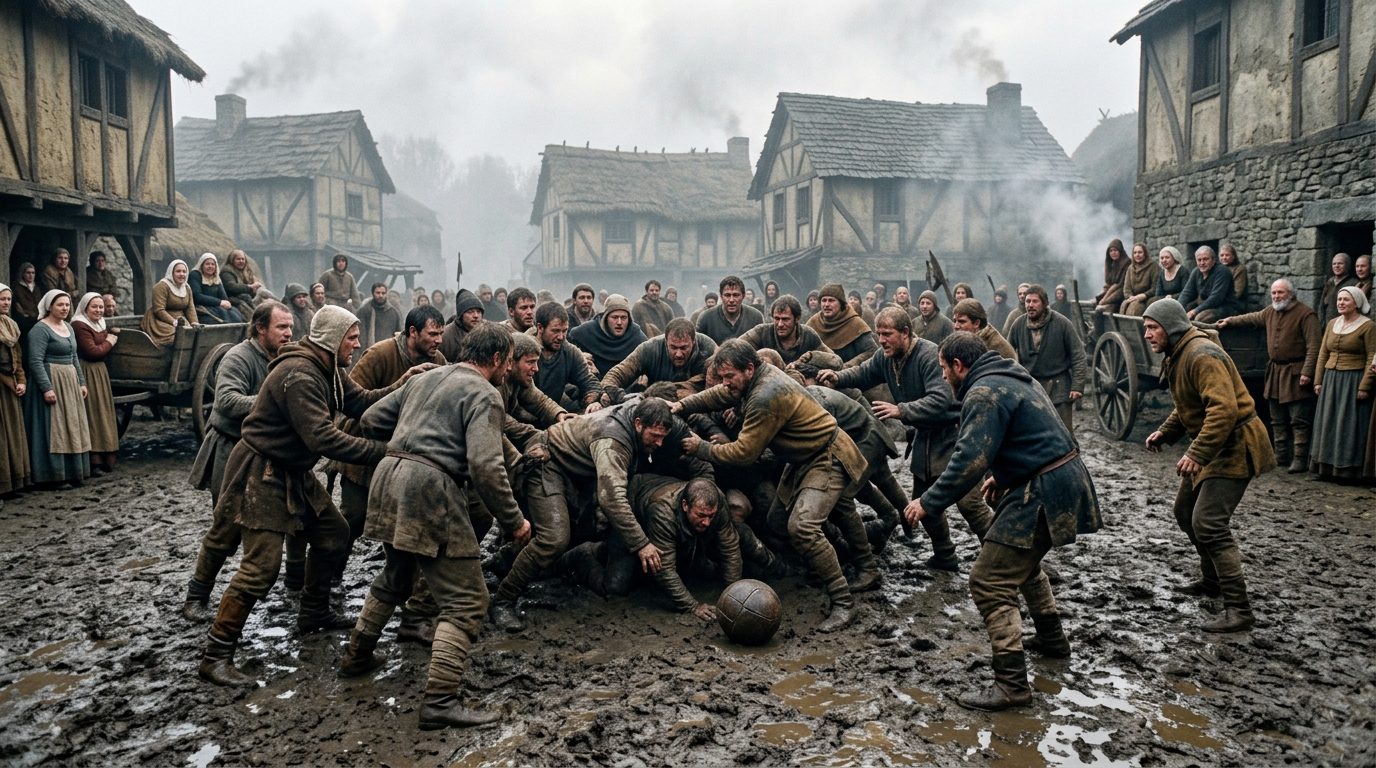
Football is not merely a sport; it is a global phenomenon that pulses through the heartbeat of billions of people across every continent, culture, and background. When we look at a modern Champions League match under the brilliant floodlights, glittering with tactical genius and multi-million-dollar sponsorships, it is almost impossible to picture its chaotic, violent, and lawless origins. Yet, every single modern tactic, rule, and stadium chant traces its lineage back to ancient rituals and medieval brawls where survival was just as important as scoring a goal. Unlocking the true evolution of football reveals a story of fierce cultural clashes, brilliant industrial innovations, and a relentless human desire for community and competitive glory. This comprehensive exploration takes you on a breathtaking journey from the mud-soaked town squares of medieval Europe to the hyper-modern, data-driven coliseums of the twenty-first century.
Ancient Roots and Tribal Rituals of Early Ball Games
Long before formal pitches and referee whistles existed, ancient civilizations across the globe played various iterations of ball games that served as religious rituals, military training exercises, and communal celebrations. In ancient China, soldiers played a game called cuju during the Han Dynasty, kicking a leather ball stuffed with feathers and hair through a small opening in a silk net. This early discipline emphasized physical endurance, agility, and military strategy rather than spectator entertainment. Similarly, the Indigenous peoples of Mesoamerica played the Mesoamerican ballgame, a high-stakes ritual involving a heavy rubber ball where the outcome sometimes carried profound religious and political consequences.
These early iterations shared a fundamental human impulse to control an erratic object using only the body, forging bonds of solidarity within tribes and communities. As empires rose and fell, these traditions adapted and morphed, traveling along ancient trade routes and merging with local customs. The physical contests demanded immense resilience, fostering a deep respect for athletic prowess that transcended language barriers. While vastly different from the ninety-minute matches we watch today, these foundational games planted the primal seeds of competition, teamwork, and structured play that would eventually evolve into modern football history.
The Best Workout for Beginners Fixed My Energy Fast and Unlocked the Secret to Real Strength
The Chaos and Violence of Medieval Mob Football
If you think modern football tackles are aggressive, imagine a game where entire villages fought across miles of countryside with zero rules, no referees, and an inflated pig’s bladder as the prize. Medieval mob football was a chaotic, lawless spectacle that often left town squares in ruins, windows shattered, and participants nursing broken bones. Rival parishes would clash in a wild frenzy, attempting to push the ball into a designated target, such as a rival village’s church door, by any means necessary. It was a visceral expression of community rivalry, seasonal celebration, and youthful energy that authorities repeatedly tried to ban due to the sheer carnage it caused.
Despite royal decrees and strict church prohibitions issued by monarchs like King Edward II, the common folk fiercely protected their beloved pastime, finding clever ways to keep the tradition alive. The game served as a rare outlet for social release in an era defined by hard labor, strict feudal hierarchies, and constant hardship. Over centuries, communities slowly realized that unmitigated chaos was unsustainable, leading to the gradual introduction of localized customs and unspoken gentlemanly agreements. These chaotic village brawls ultimately laid the groundwork for organizing physical competition, proving that humanity needed a structured outlet for its collective competitive spirit.
Public Schools and the Codification of Association Football
The transformation of football from a chaotic mob brawl into an organized gentleman’s sport began within the prestigious elite public schools of nineteenth-century Britain. Institutions such as Eton, Harrow, and Rugby each developed their own distinct rules, creating a frustrating dilemma whenever students from different schools met and tried to play together. Some schools permitted players to pick up the ball and run with it, while others strictly enforced the rule that the ball could only be touched with the feet. This divergence of interpretation sparked intense debates about fairness, sportsmanship, and the physical safety of the participants.
The turning point arrived in October 1863 when representatives from various clubs and schools gathered at the Freemasons’ Tavern in London to establish a unified set of rules. During these historic meetings, delegates fiercely debated whether hacking—kicking opponents in the shins—and handling the ball should be permitted in the unified code. When the faction supporting handling and running with the ball lost the vote, they famously walked out, taking their rules with them and giving birth to the sport of rugby union. The remaining delegates finalized the foundational laws of association football, creating a standardized framework that ensured every team played by the exact same playbook.

Tactical Evolution and the Birth of Modern Formations
As association football transitioned into an organized spectator sport, the way teams deployed their players on the pitch underwent a dramatic tactical revolution. In the early pioneer days, tactics were virtually nonexistent; players simply chased the ball in a chaotic mob resembling ancient rugby scrums, while passing forward was considered ungentlemanly. Teams relied almost entirely on individual dribbling skills and raw physical stamina rather than structured passing combinations or positional discipline. The prevailing mindset prioritized frantic attacking movement over strategic defense, leading to remarkably high-scoring, wide-open matches.
The birth of modern tactical consciousness emerged when teams began experimenting with positional structures, most notably the classic pyramid formation consisting of two full-backs, three half-backs, and five forwards. This structural breakthrough allowed teams to balance defensive stability with fluid attacking transitions, transforming football from a disorganized physical scramble into a sophisticated game of chess on grass. Legendary managers and innovative squads continuously refined these systems over decades, introducing zonal marking, the catenaccio defensive wall, and total football. Today’s tactical landscape features fluid hybrid formations, where players seamlessly rotate roles based on spatial dominance rather than rigid positional labels.
The Rise of Global Competitions and International Rivalries
Football quickly outgrew its British origins, spreading rapidly across Europe, South America, and beyond through sailors, merchants, and railway engineers. The establishment of FIFA in 1904 provided the institutional framework needed to unite national associations and organize cross-border tournaments on a massive scale. The crowning achievement of this global expansion was the creation of the FIFA World Cup, inaugurated in Uruguay in 1930, which united disparate nations in a shared quadrennial festival of athletic excellence and national pride.
International rivalries evolved into legendary cultural narratives, where matches between historic opponents carried the weight of geopolitical history and national identity. Fans experienced profound emotional highs and devastating lows as their national heroes battled on the world stage, creating unforgettable moments of sporting folklore. These grand tournaments established football as a universal language capable of bridging cultural divides while celebrating distinct national styles of play. From the samba flair of Brazil to the tactical discipline of European powerhouses, the global game became a mirror reflecting the rich diversity of human culture.
How to Create a Daily Workout Plan That Actually Works?
The Industrialization and Commercialization of Club Football
While international tournaments captured the world’s imagination every four years, domestic club football transformed into a massive global industry driven by commercial expansion and media rights. Wealthy investors, multinational corporations, and global conglomerates recognized the immense marketing power of elite clubs, injecting unprecedented financial capital into the sport. Transfer fees skyrocketed into astronomical figures, and stadiums evolved into state-of-the-art entertainment complexes designed to maximize revenue from ticket sales, merchandise, and global streaming subscriptions.
This hyper-commercialization created a fascinating paradox within the football ecosystem, pitting the romantic traditions of local fan culture against the ruthless realities of modern business. Elite clubs expanded their supporter bases far beyond their local neighborhoods, transforming into global brands with hundreds of millions of followers across Asia, the Americas, and Africa. While financial disparities between wealthy giants and smaller clubs widened, the overall quality, speed, and tactical sophistication of domestic league matches reached unprecedented heights. Supporters now enjoy access to pristine broadcasts, detailed analytical insights, and merchandise from every corner of the earth, cementing club football as a permanent pillar of modern entertainment.
The Champions League as the Pinnacle of Elite Club Glory
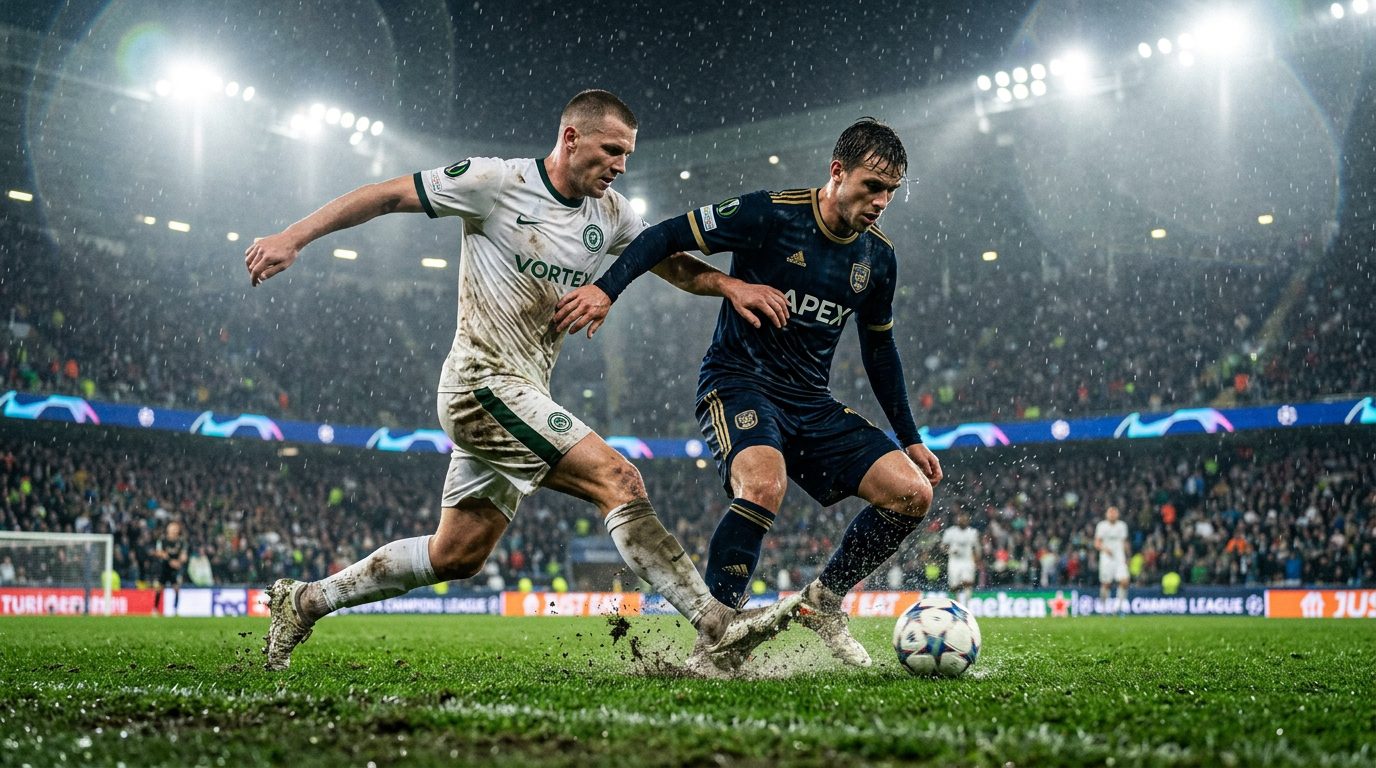
At the apex of modern club football stands the UEFA Champions League, a glittering tournament that brings together the finest teams on the planet for high-stakes continental supremacy. Originally launched in 1955 as the European Champion Clubs’ Cup, the competition was rebranded in 1992 into the modern format that captivates billions of television viewers annually. The iconic anthem, the starry match ball, and the legendary mid-week evening fixtures evoke a sense of magic and prestige unmatched by any other domestic or regional trophy.
Winning the Champions League requires an extraordinary combination of tactical brilliance, squad depth, mental resilience, and a touch of footballing destiny. Players dream their entire childhoods of lifting the famous trophy, and managers cement their legendary status by mastering the unique pressures of knockout-stage football. Historic comebacks, breathtaking individual brilliance, and controversial refereeing decisions become etched into collective memory, creating timeless sporting epics. The Champions League represents the ultimate culmination of football’s long journey, embodying the absolute highest standard of athletic achievement, tactical innovation, and global spectacle.
Analytics, Sports Science, and the Future of the Beautiful Game
As we look toward the horizon, football continues to evolve through the integration of advanced sports science, wearable biometric sensors, and artificial intelligence analytics. Modern clubs no longer rely solely on traditional scouting intuition; instead, they utilize vast databases tracking player movement, passing accuracy, expected goals, and physiological fatigue levels. Coaches design hyper-specific training regimens tailored to each athlete’s unique physical profile, significantly reducing injury risks and maximizing peak performance during grueling seasonal campaigns.
Innovations such as semi-automated offside technology and video assistant referees have transformed officiating, striving for absolute precision in high-stakes matches while sparking endless passionate debates among fans. The future of football promises even greater integration of immersive technologies, virtual reality training simulations, and data-driven tactical adjustments that push the boundaries of human capability. Yet, despite all the technological advancements and commercial pressures, the soul of the game remains wonderfully unchanged. At its core, football is still just a ball, two goals, and twenty-two players chasing a shared dream on a patch of green grass, reminding us why the world continues to fall in love with it every single day.
Strength Training vs. Cardio: Which Truly Wins Big?
Summary
-
Football originated from ancient tribal rituals and chaotic medieval mob games before being codified by elite schools in nineteenth-century Britain.
-
The establishment of unified rules in 1863 separated association football from rugby and paved the way for structured tactical evolution.
-
The creation of global tournaments like the FIFA World Cup and the UEFA Champions League transformed the sport into a universal cultural phenomenon.
-
Modern club football has evolved into a hyper-commercialized global industry driven by unprecedented financial investment and mass media reach.
-
Cutting-edge sports science, biometric tracking, and artificial intelligence analytics represent the cutting edge of contemporary football preparation and officiating.
Frequently Asked Questions
When and where was modern football officially codified?
Modern association football was officially codified in London, England, during a series of historic meetings at the Freemasons’ Tavern in October 1863, where delegates established the foundational laws of the game.
How did medieval mob football differ from the modern sport?
Medieval mob football featured virtually zero rules, no referees, and massive crowds of participants from rival villages fighting across miles of countryside to move a pig’s bladder toward a designated target.
What caused the split between football and rugby?
The split occurred during the 1863 rule-making meetings when delegates disagreed on whether players should be permitted to pick up the ball and run with it. The faction supporting handling walked out to form rugby union.
Why is the UEFA Champions League considered the pinnacle of club football?
It brings together the absolute elite clubs from across Europe to compete in high-stakes knockout fixtures under iconic global broadcast conditions, representing the highest standard of club competition in existence.
How are data analytics and sports science changing modern football?
Clubs now utilize wearable biometric sensors, tracking data, and artificial intelligence to optimize player conditioning, prevent injuries, analyze tactical positioning, and make informed scouting decisions.
Call to Action
Ready to dive deeper into the fascinating history and tactical brilliance of the world’s greatest sport? Share your favorite football memory in the comments below, subscribe to our newsletter for exclusive weekly tactical breakdowns, and join our thriving community of passionate football enthusiasts today!