
 Befrey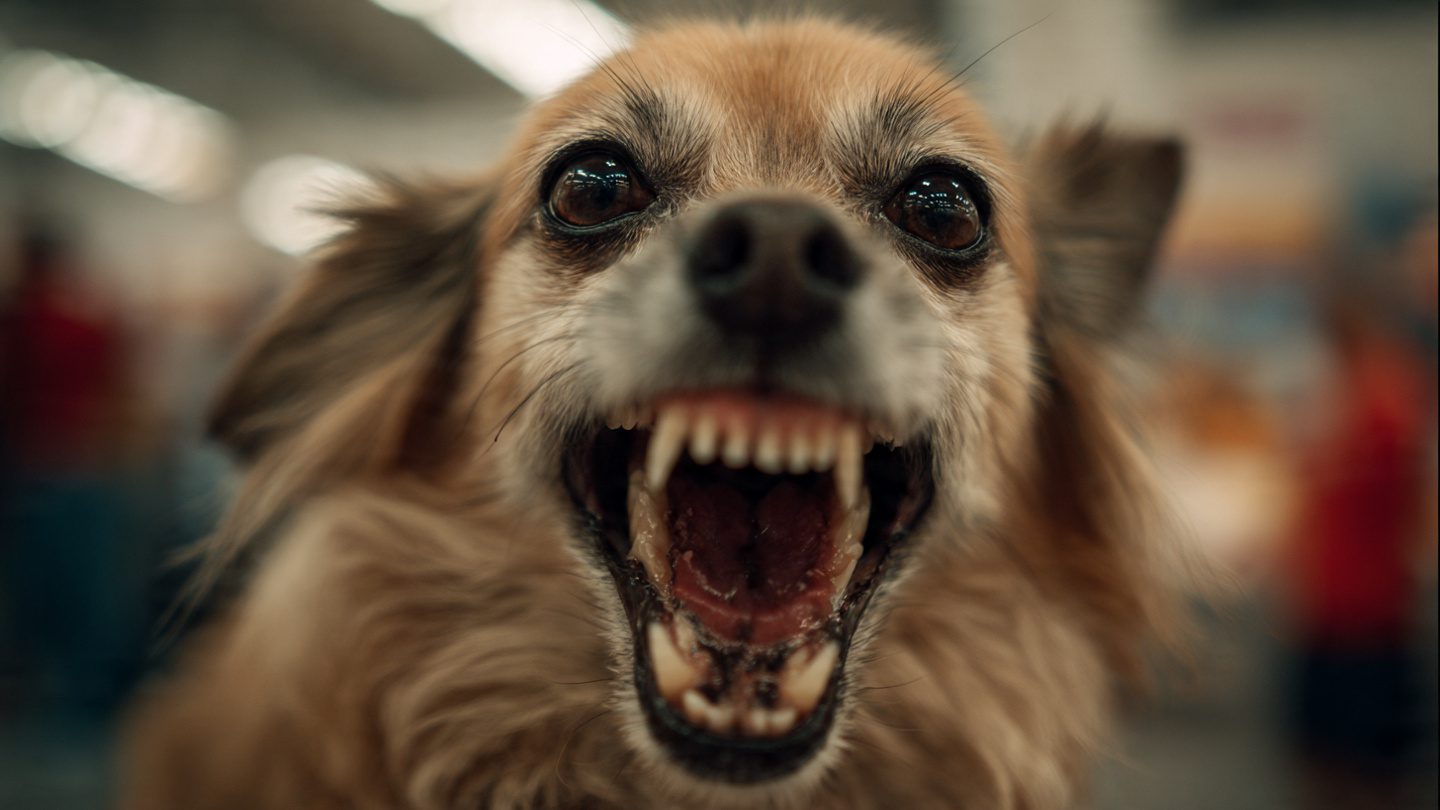
Quick Summary Checklist (Immediate Actions)
-
Stay calm immediately. Yoursing or panicking increases your dog’s stress and confirms that the visitor is a threat.
-
Do NOT punish the growl. Growling is a warning signal, not bad behavior—it prevents bites.
-
Create distance safely. Ask the visitor to stop approaching and allow your dog to retreat voluntarily.
-
Observe body language. Look for stiff posture, raised hackles, frozen stance, or avoidance signals.
-
Use controlled exposure training. Gradually associate visitors with positive outcomes like treats.
-
Teach a safe alternative behavior. Train commands like “place,” “stay,” or retreating to a designated safe zone.
-
Manage the environment. Use leashes, barriers, or separate rooms during training phases.
-
Avoid forced interaction. Never force your dog to “face their fear” suddenly.
-
Reward calm behavior consistently. Reinforce relaxed responses around visitors over time.
-
Seek professional help if escalating. A certified behaviorist can safely correct defensive aggression.
Why Dogs Growl
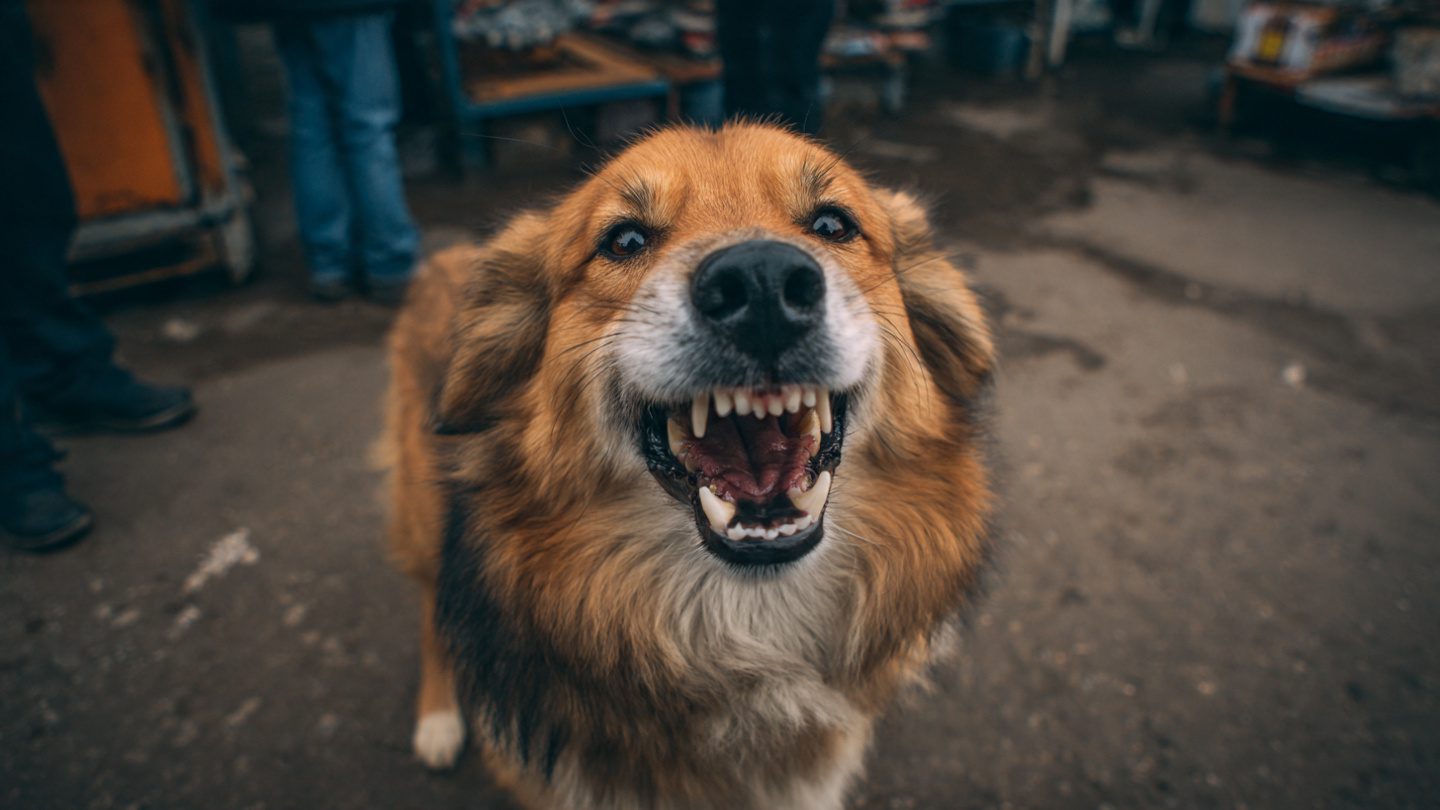
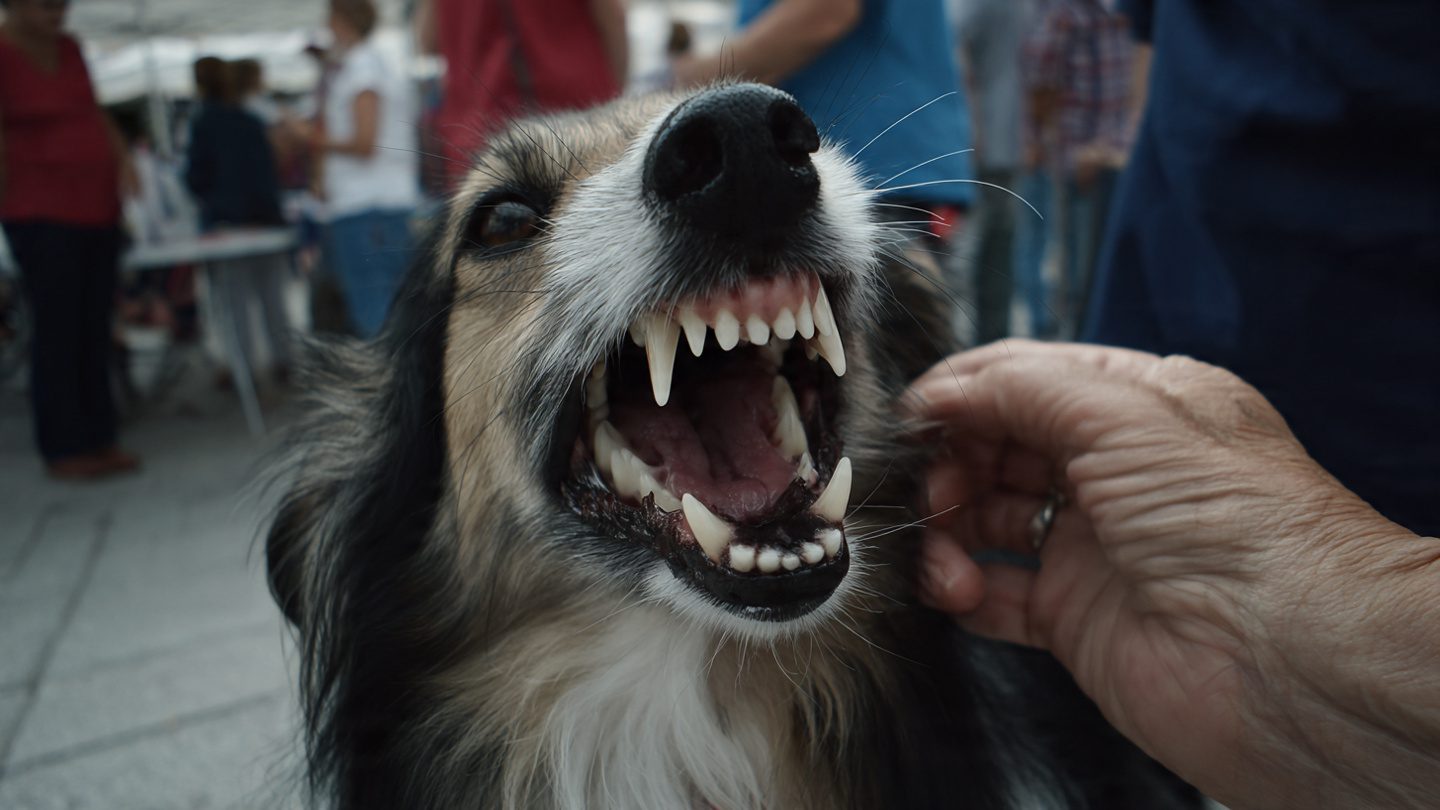
Dog growling is one of the most misunderstood forms of canine communication, and it is critically important to understand that growling is a warning system, not an act of aggression itself. When a dog growls at a visitor, it is communicating discomfort, fear, territorial concern, or uncertainty rather than expressing a desire to attack immediately. This vocalization serves as a protective mechanism that allows dogs to avoid escalation into biting, which is far more dangerous and legally serious. According to behavioral guidance from organizations like the American Kennel Club, suppressing growling through punishment can remove this warning system and actually increase the risk of sudden bites. Many dog owners make the mistake of thinking growling means their dog is “bad,” but in reality, it means the dog is attempting to communicate clearly. Understanding growling as communication rather than defiance shifts your approach from punishment to correction through training. This mindset is the foundation of successfully resolving visitor-related growling.
Dogs are descendants of wolves, and their communication system evolved to minimize physical conflict whenever possible. Growling exists specifically to prevent escalation, giving the perceived threat an opportunity to retreat and avoid violence. In a home environment, visitors represent unpredictable variables that dogs cannot easily interpret, especially if they move suddenly, make direct eye contact, or approach too quickly. From the dog’s perspective, this is a potential threat entering their territory, which activates their defensive instincts. This reaction is especially strong in breeds with guarding tendencies, but any dog can develop this response. Even friendly family dogs can growl if surprised, cornered, or overwhelmed. Understanding the evolutionary purpose of growling helps you respond logically rather than emotionally.
Immediate Safety Steps
When your dog growls at a visitor, your first priority must always be safety for everyone involved, including your dog. Many bites occur because owners ignore early warning signs and allow interactions to continue despite clear signals of discomfort. The correct response is to immediately stop the visitor from approaching further and reduce pressure on the dog. Distance is one of the most powerful tools in reducing canine stress, because proximity increases perceived threat intensity. You should calmly ask your visitor to stand still or move slowly away without making eye contact. Eye contact in dog communication can be perceived as confrontation, especially from unfamiliar people. These immediate steps prevent escalation and protect everyone involved.
Your emotional state also directly affects your dog’s reaction, because dogs constantly read human body language and tone for cues. If you panic, yell, or act tense, your dog interprets this as confirmation that danger is present. This amplifies their defensive state and makes future growling more likely. Instead, speak calmly and confidently using neutral tones to signal safety. Avoid grabbing your dog suddenly, as this can increase fear and cause defensive biting. Instead, guide them gently away using a leash if needed. Calm leadership reassures your dog and helps reset their emotional state.
Understanding Root Causes
Fear Response
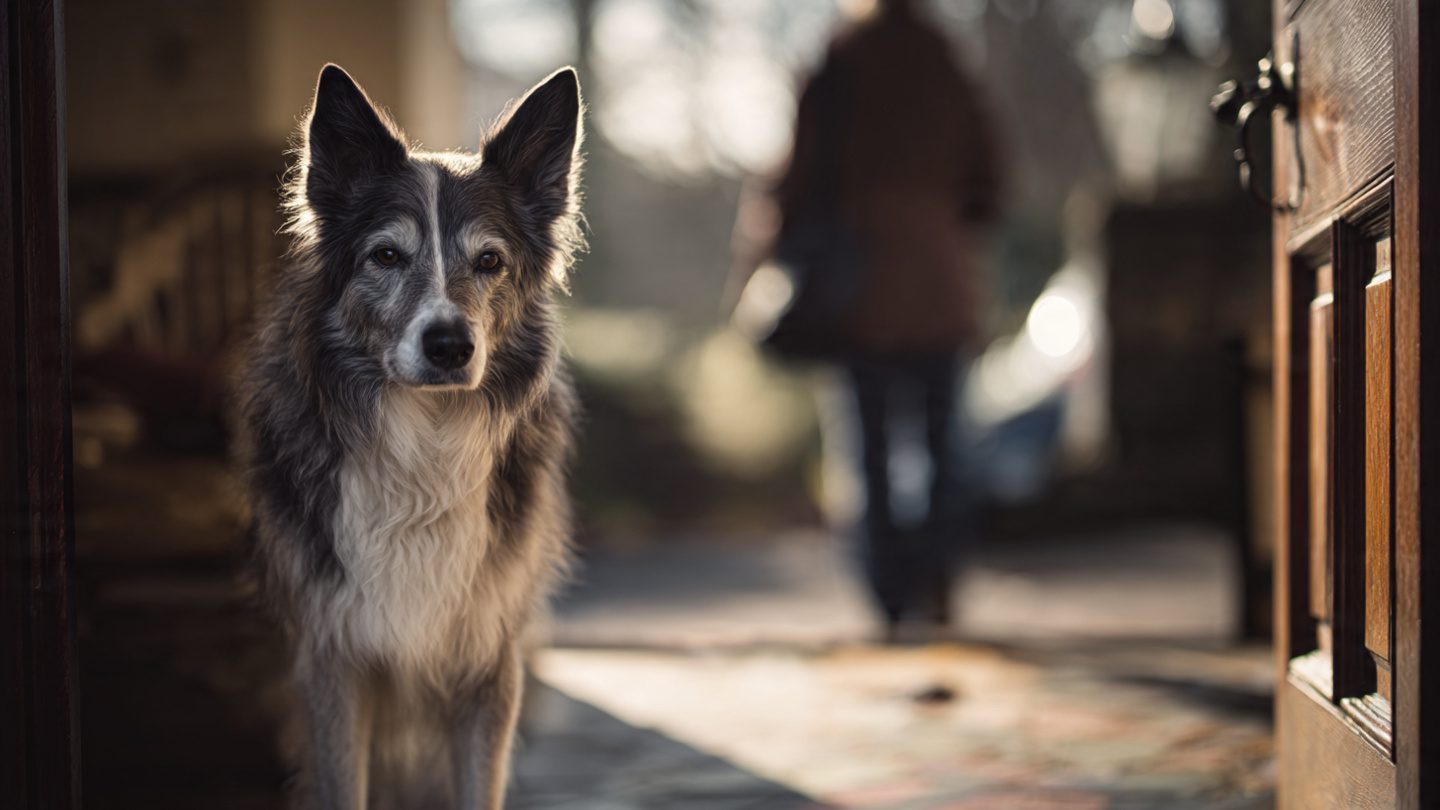
Fear is the most common cause of growling at visitors, especially in dogs that lack proper socialization during early development. Puppies have a critical socialization window between 3 and 14 weeks, during which they learn what is safe and normal in their environment. If they do not experience diverse people, environments, and situations during this period, unfamiliar visitors may trigger fear later in life. Fear-based growling is defensive rather than aggressive, meaning the dog wants distance rather than conflict. Their goal is to protect themselves, not dominate others. Fearful dogs often show additional signs like retreating, hiding, shaking, or avoiding eye contact. Recognizing fear-based growling is essential for choosing the correct training approach.
Fear responses are controlled by the dog’s nervous system and stress hormones, particularly cortisol and adrenaline. When a stranger enters the home, the dog’s brain rapidly evaluates potential threats based on past experiences and instincts. If uncertainty exceeds their comfort threshold, the defensive system activates automatically. This process occurs faster than conscious decision-making, meaning the dog is not choosing to misbehave intentionally. Understanding this biological process helps owners approach training with empathy instead of frustration. Reducing fear through gradual exposure is the most effective long-term solution.
Territorial Instinct
Dogs naturally view their home as territory worth defending, which makes visitor-related growling extremely common. Territorial behavior is especially strong in breeds developed for guarding, but it can exist in any dog. When a stranger enters the home, the dog may perceive this as an intrusion requiring defensive action. This instinct is deeply rooted in survival mechanisms inherited from wild ancestors. Territorial growling often occurs near entryways, doors, or when visitors approach the owner. The dog may stand tall, stiff, and alert to appear larger and more intimidating. This behavior is intended to deter perceived threats without physical confrontation.
Territorial instincts are not inherently negative, but they must be controlled for safety and social harmony. Proper training teaches dogs that visitors are not threats and do not require defensive action. Over time, dogs can learn to associate visitors with positive outcomes instead of danger. This transformation requires consistency, patience, and controlled exposure. Environmental management plays a critical role during this learning process. Gradually, the dog’s emotional response shifts from defensive to neutral or positive.
Body Language Signs
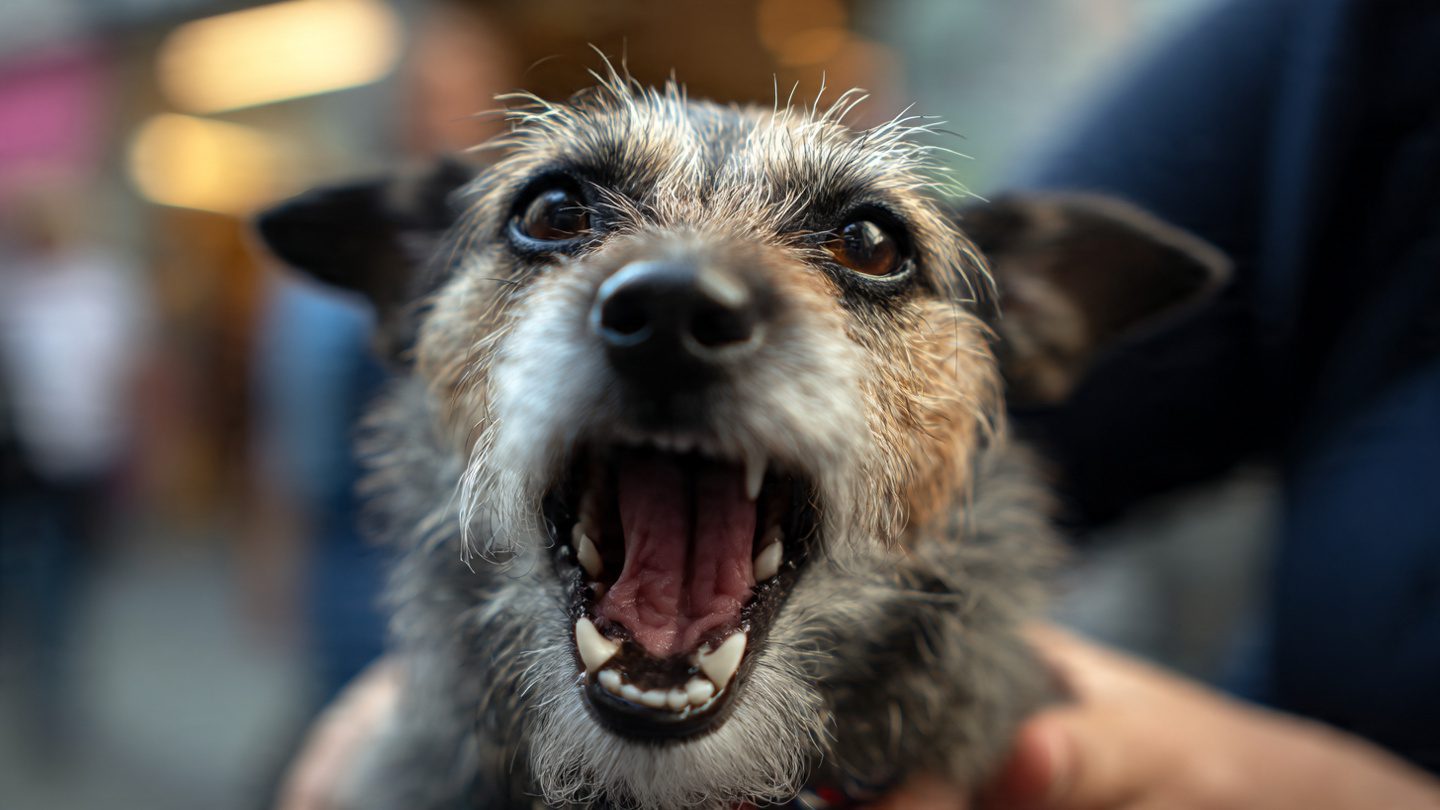
Understanding canine body language allows you to predict escalation before biting occurs, which is essential for prevention. Growling is only one part of a larger communication system involving posture, facial expression, and movement. Dogs often freeze before escalating, which is one of the most dangerous warning signs because it indicates intense focus and tension. Other signs include raised hackles, stiff tail, closed mouth, and intense staring. These signals indicate high arousal and potential escalation if pressure continues. Recognizing these early signs allows you to intervene safely.
Dogs may also display subtle signs of discomfort that owners frequently miss, such as lip licking, yawning, turning their head away, or avoiding eye contact. These signals indicate stress and attempts to de-escalate the situation peacefully. Ignoring these signals can force the dog into more obvious defensive behaviors like growling. Learning to recognize these early warning signs allows you to intervene before escalation occurs. Early intervention prevents the dog from practicing aggressive responses. This improves training success significantly.
What NOT to Do
Punishing a dog for growling is one of the most dangerous mistakes owners make, because it suppresses communication rather than solving the underlying problem. When growling is punished, the dog learns that warning signals are unsafe, which removes their ability to communicate discomfort. This increases the risk of sudden, unpredictable biting without warning. Organizations like the ASPCA emphasize that punishment increases fear and worsens aggression long-term. Punishment does not teach the dog to feel safe—it teaches them to feel more threatened. Fear-based behavior cannot be corrected through intimidation. It can only be corrected through emotional reassociation.
Forcing interaction is another serious mistake that can cause long-term behavioral damage. Many owners believe forcing their dog to “face their fear” will help them adjust, but this often produces the opposite result. Forced exposure overwhelms the dog’s nervous system and reinforces fear. This creates stronger defensive reactions in future encounters. Instead, exposure must be gradual and controlled. Controlled exposure allows the dog to build confidence safely.
Training Solution: Desensitization
Desensitization is the most effective training method for correcting growling at visitors, because it changes the dog’s emotional response rather than suppressing behavior. This process involves exposing the dog to visitors at a distance where they feel safe and calm. At this safe distance, the dog receives rewards such as treats, praise, or play. Over time, the dog begins associating visitors with positive outcomes instead of threats. This rewires the dog’s emotional response through a process called counterconditioning. Counterconditioning replaces fear with positive expectation.
Professional trainers like Karen Pryor emphasize that timing is critical during this process. Rewards must occur when the dog notices the visitor but remains calm. This teaches the dog that calm observation produces positive outcomes. Gradually, distance can be reduced over multiple sessions. This gradual exposure prevents fear escalation. Eventually, the dog learns visitors are safe and even enjoyable.
Safe Visitor Protocol
Creating a structured visitor protocol dramatically reduces growling incidents and accelerates training progress. Visitors should ignore the dog completely at first, avoiding eye contact, talking, or reaching toward the dog. Ignoring the dog removes social pressure and allows them to observe safely. The dog should be allowed to approach voluntarily rather than being forced. Voluntary approach builds confidence and reduces defensive behavior. The visitor can toss treats gently without direct interaction. This builds positive association safely.
Visitors should avoid sudden movements, loud noises, or leaning over the dog, which can trigger defensive reactions. Calm, predictable behavior helps the dog feel safe and reduces stress. Over time, repeated positive exposures build confidence. This transforms the dog’s emotional response permanently. Consistency is essential for success.
Environmental Management
Environmental management prevents rehearsal of unwanted behavior while training is in progress. Rehearsal strengthens neural pathways, making behavior more automatic over time. Preventing rehearsal weakens unwanted behavioral patterns. Using barriers like baby gates allows controlled exposure safely. Leashes provide additional control when needed. Safe zones like beds or crates give dogs secure retreat options.
Management is not a permanent solution, but it is essential during training. Preventing negative experiences protects training progress. This accelerates behavioral improvement. Combining management with training produces optimal results. This approach ensures safety and success.
Loose Leash Mastery: How to Stop Your Dog from Pulling on a Leash Fast
Silent Warning: Why Does a Dog Refuse to Eat and What to Do About It?
Calm When Alone: How to Manage Separation Anxiety in a Dog Effectively
Summary
Growling at visitors is a communication signal, not disobedience, and should never be punished. The correct approach involves understanding the root emotional cause, usually fear or territorial instinct. Immediate safety steps prevent escalation while structured training changes emotional associations. Desensitization and counterconditioning are the most effective solutions. Environmental management prevents rehearsal of unwanted behavior during training. Consistency, patience, and empathy are essential for success. With proper training, most dogs can learn to remain calm and comfortable around visitors.
FAQ
Is it normal for dogs to growl at visitors?
Yes, it is normal because growling is a natural communication signal indicating discomfort or uncertainty. Dogs use growling to avoid escalation and protect themselves. It is not inherently aggressive behavior. Understanding the emotional cause is essential. Proper training can correct the response safely.
Should I punish my dog for growling?
No, punishment increases fear and removes warning signals, making bites more likely. Growling is valuable communication. Suppressing it creates dangerous unpredictability. Training should focus on emotional reassociation instead.
Can growling lead to biting?
Yes, if warning signals are ignored, escalation may occur. Growling is an early warning stage. Proper intervention prevents escalation. Respecting warning signals improves safety.
How long does training take?
Training duration varies depending on severity and consistency. Mild cases improve in weeks. Severe cases may take months. Consistency accelerates progress.
Can all dogs be trained?
Most dogs improve significantly with proper training. Emotional responses can be reshaped. Professional help accelerates progress. Early intervention improves outcomes.
Call to Action
If your dog growls at visitors, start implementing these safety and training steps immediately to prevent escalation and build long-term confidence. Your dog is not trying to be difficult—they are trying to communicate discomfort. With patience, proper training, and understanding, you can transform fear into calm confidence. If the behavior feels overwhelming, consider working with a certified behavior specialist to accelerate safe progress. Your dog’s emotional safety and your household safety are worth the investment.






