
 Befrey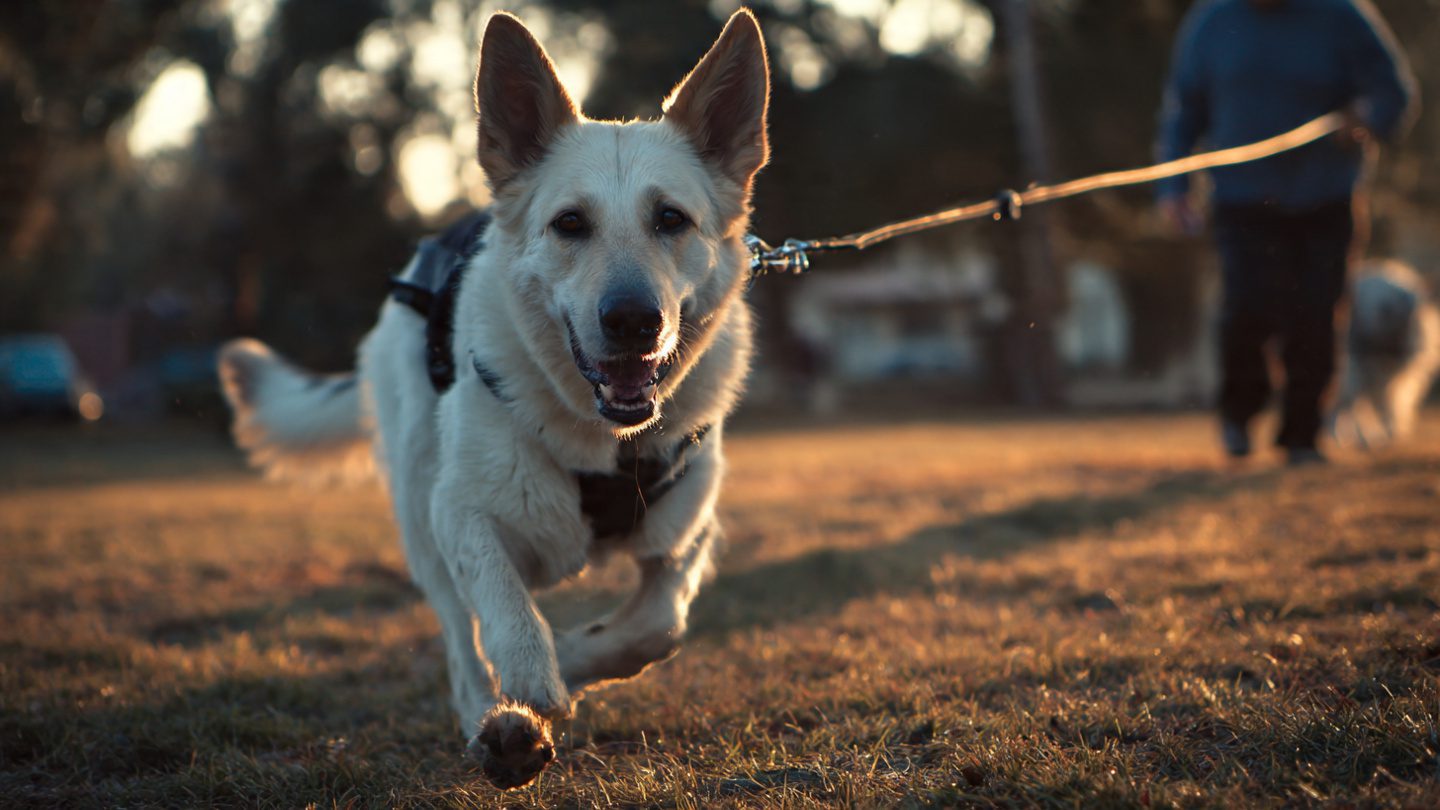
If you are searching for How to stop your dog from pulling on a leash, you are likely tired of being dragged down the street, dealing with shoulder pain, and feeling frustrated during walks. Many owners ask how to train a dog not to pull on a leash, how to teach loose leash walking, and how to correct leash pulling behavior effectively. The good news is that learning How to stop your dog from pulling on a leash is absolutely possible with the right structure, psychology, and consistency. This complete guide will show you step-by-step methods that work for beginners and professional trainers alike. By understanding why dogs pull and applying proven training techniques, you can transform chaotic walks into calm, controlled, and enjoyable experiences.
Leash pulling is not stubbornness. It is momentum combined with excitement. Dogs move faster than humans. When pulling works, it becomes reinforced behavior. If pulling gets them where they want to go, they will repeat it. Understanding this simple principle is the foundation of solving the problem permanently.
Let’s break down the science and training behind loose leash walking.
Why Dogs Pull
To master How to stop your dog from pulling on a leash, you must understand the cause. Dogs pull because it works. Movement forward is the reward. Every time your dog pulls and continues moving, the behavior strengthens.
Dogs are naturally faster walkers than humans. They are curious. They are stimulated by smells, movement, and sounds. When something excites them, they accelerate.
Energy level also plays a major role. High-energy dogs pull more. Young dogs pull more. Untrained dogs pull more.
Another factor is lack of clarity. If your dog does not understand what is expected, they choose their own pace. Training provides clarity.
Pulling is not dominance. It is simply learned behavior reinforced by forward motion.
Equipment Selection Basics
Proper equipment supports training but does not replace it. Choosing the right tools is important when learning How to stop your dog from pulling on a leash.
Standard flat collars work for many dogs. Front-clip harnesses provide more control by redirecting the dog’s body. Head halters offer advanced control but require careful introduction.
Avoid tools that rely on pain. Pain may suppress pulling temporarily but increases stress and confusion. Calm, structured training creates permanent change.
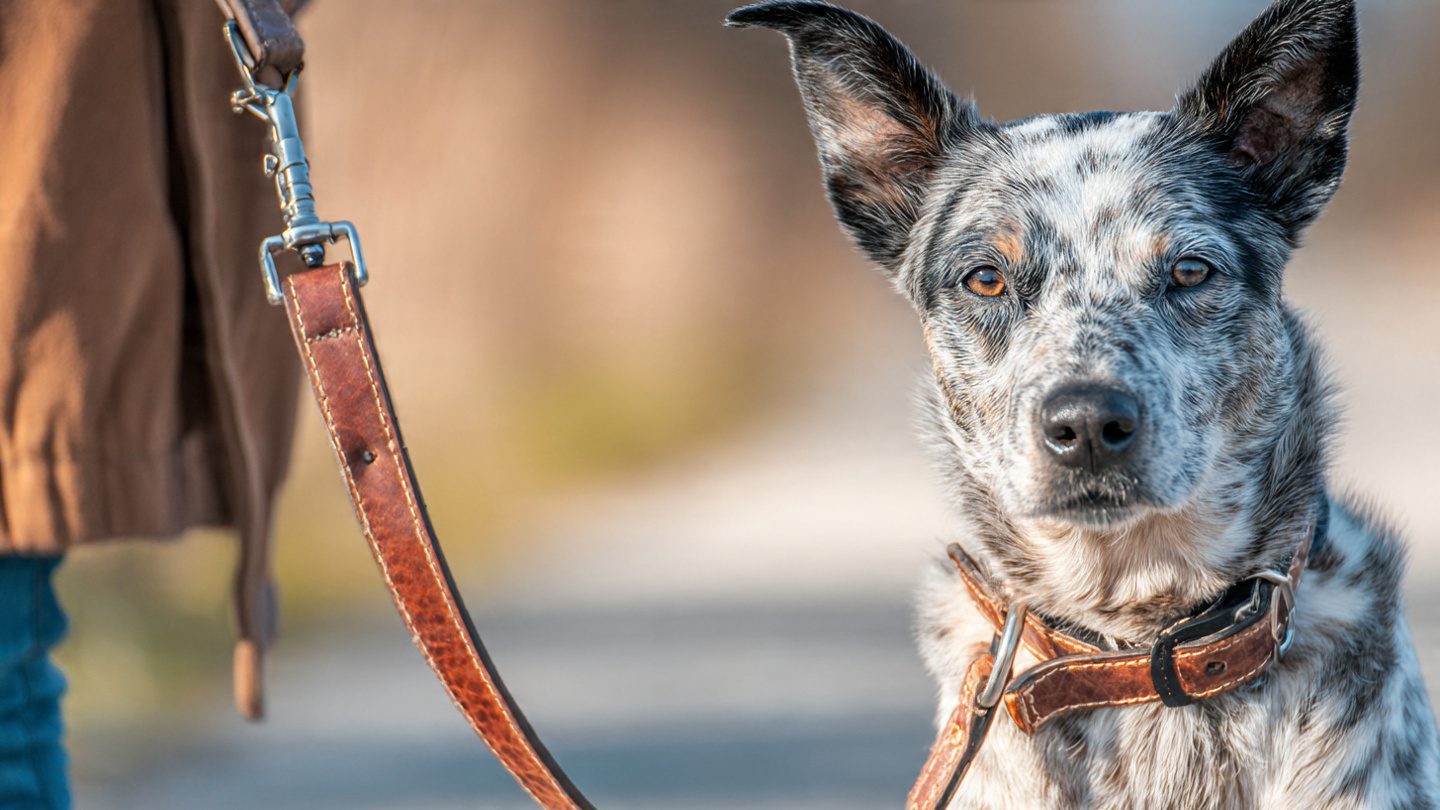
The leash length matters. A 4–6 foot leash provides ideal control. Retractable leashes encourage pulling because they reward tension.
Equipment supports communication. It does not create discipline alone.
Loose Leash Foundation
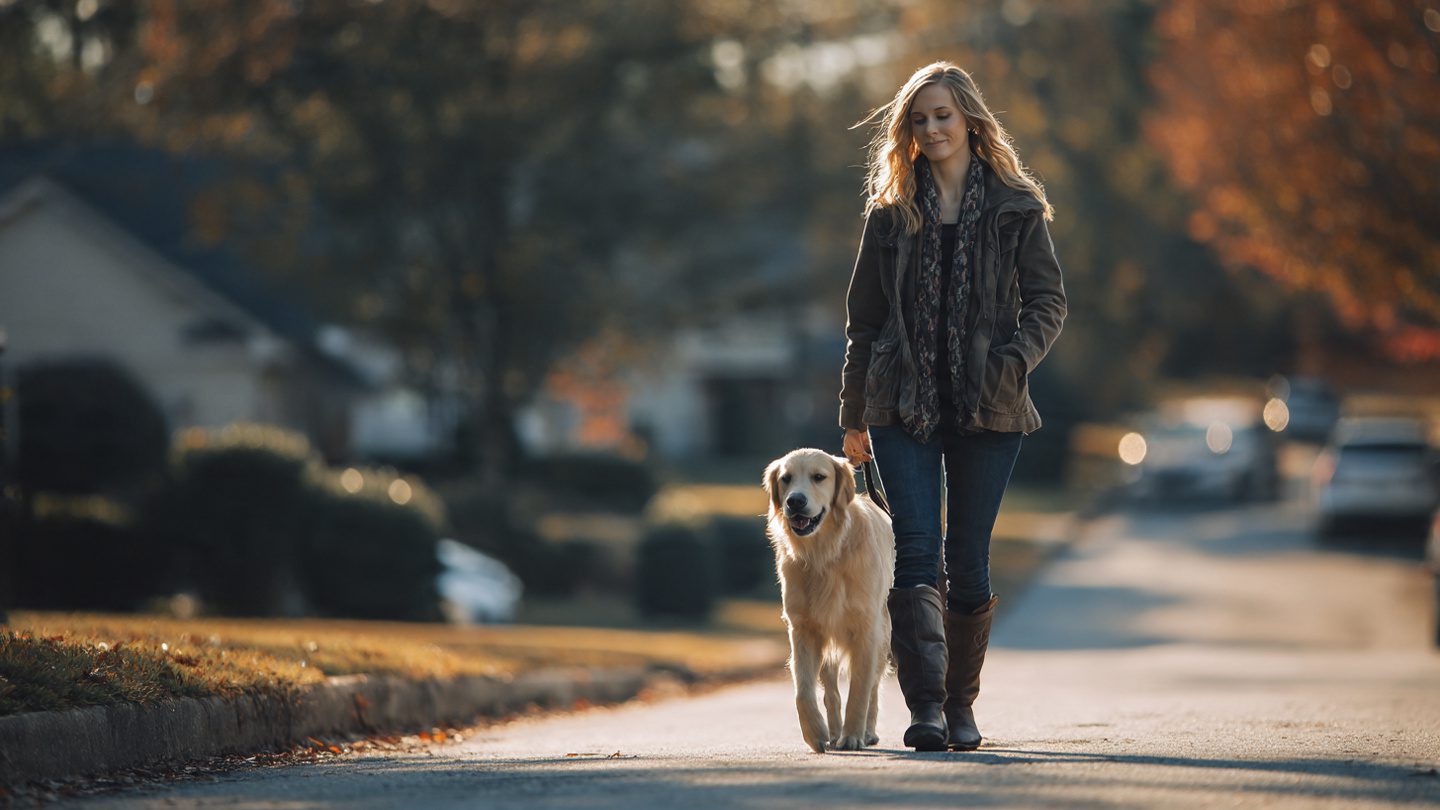
Loose leash walking starts indoors. Remove distractions. Begin in a calm environment.
Hold the leash loosely. If your dog moves ahead and creates tension, stop walking immediately. Stand still. Do not pull back.
When your dog turns back toward you, reward immediately. Reward attention. Reward slack leash.
This teaches your dog that pulling stops movement. Calm walking continues movement.
Consistency is critical when practicing How to stop your dog from pulling on a leash. Every step reinforces learning.
Short sessions work best. Five to ten minutes daily builds skill faster than long frustrating walks.
Stop and Go Method
The stop and go method is one of the most effective techniques. It is simple but powerful.
When your dog pulls, stop instantly. Do not jerk. Do not shout. Just stop.
Wait for slack. The moment tension disappears, resume walking.
This method uses negative punishment correctly. Forward movement disappears when pulling occurs. Movement returns when leash is loose.
Dogs learn through consequences. Clear and immediate consequences create understanding.
When applied consistently, this method transforms behavior. It is foundational in mastering How to stop your dog from pulling on a leash.
Patience is essential. Improvement may feel slow at first. Stay consistent.
Direction Change Training
Another powerful technique is changing direction. When your dog pulls forward, turn and walk the opposite direction.
This creates unpredictability. Your dog learns that pulling does not control direction.
Reward your dog when they follow quickly. This builds engagement.
Direction change increases attention. Attention reduces pulling.
Practice frequently in low-distraction environments first.
Gradually increase difficulty as skill improves.
This method strengthens focus and responsiveness during walks.
Reward-Based Reinforcement
Rewarding correct behavior accelerates learning. Use high-value treats during early training stages.
Reward your dog for walking beside you. Reward eye contact. Reward slack leash.
Timing is critical. Reward within seconds of correct behavior.
Gradually reduce treats as behavior stabilizes. Replace with praise and forward movement as reward.
Positive reinforcement builds enthusiasm for calm walking.
Enthusiasm increases consistency.
This method is essential for sustainable results when learning How to stop your dog from pulling on a leash.
Managing Excitement Levels
Excitement fuels pulling. Manage energy before walks.
Provide short training sessions before leaving. Practice sit and focus commands.
Wait for calm behavior before opening doors. Door rushing reinforces impulsiveness.
Exercise helps. A short play session can reduce excess energy.
Calm starts at home. Walk behavior reflects pre-walk mindset.
Control the start, and you control the walk.
Managing excitement is often overlooked but critical for success.
Handling Distractions Outdoors
Real-world distractions challenge training. Other dogs, people, smells, and traffic increase stimulation.
Increase distance from distractions initially. Distance reduces intensity.
Ask for attention before passing triggers. Reward compliance.
If pulling increases, increase distance again. Do not force exposure too quickly.
Gradual exposure builds confidence.
Control difficulty levels carefully.
This structured progression ensures long-term success.
Consistency and Leadership
Consistency builds habits. Inconsistent responses confuse dogs.
Every walk is training. Every step reinforces behavior.
If pulling works sometimes, it will continue.
Leadership does not mean dominance. It means clarity and predictability.
Clear expectations create security.
Security reduces impulsiveness.
Mastering How to stop your dog from pulling on a leash requires daily commitment.
Transformation happens through repetition.
Long-Term Walking Success
Long-term success requires maintaining standards. Do not relax rules too early.
Continue rewarding calm walking randomly. Intermittent reinforcement strengthens behavior.
Practice in new environments. Generalization ensures reliability.
Celebrate progress. Progress builds motivation.
Remember, leash training is communication training.
When communication improves, relationship improves.
Calm walks create stronger bonds.
Learning How to stop your dog from pulling on a leash changes not only behavior but connection.
Summary
Understanding How to stop your dog from pulling on a leash requires identifying why pulling happens and applying structured, consistent training methods. Use the stop and go method. Change directions. Reward slack leash behavior. Manage excitement before walks. Gradually introduce distractions. Remain consistent. Pulling stops when it no longer works and calm walking becomes more rewarding.
Silent Warning: Why Does a Dog Refuse to Eat and What to Do About It?
Calm When Alone: How to Manage Separation Anxiety in a Dog Effectively
Stop the Destruction: What to Do When Your Dog Destroys Furniture
FAQ
1. How long does it take to stop leash pulling?
Most dogs show improvement within weeks if training is consistent.
2. Are harnesses better than collars?
Front-clip harnesses often provide better control without causing pain.
3. Should I use correction tools?
Avoid pain-based tools. Positive reinforcement and consistency work better long term.
4. Can older dogs learn loose leash walking?
Yes. Dogs of any age can learn with consistent training.
5. Why does my dog pull more at the start of walks?
Excitement levels are highest at the beginning. Calm pre-walk routines help reduce this.
Call to Action
Start today. Practice indoors. Stay consistent. Reward calm behavior. Transform your daily walks into peaceful, controlled experiences. The leash should connect you, not divide you.






