
How to Stop Excessive Shedding in Dogs: Complete Expert Guide to Reducing Hair Loss Safely and Permanently
 Befrey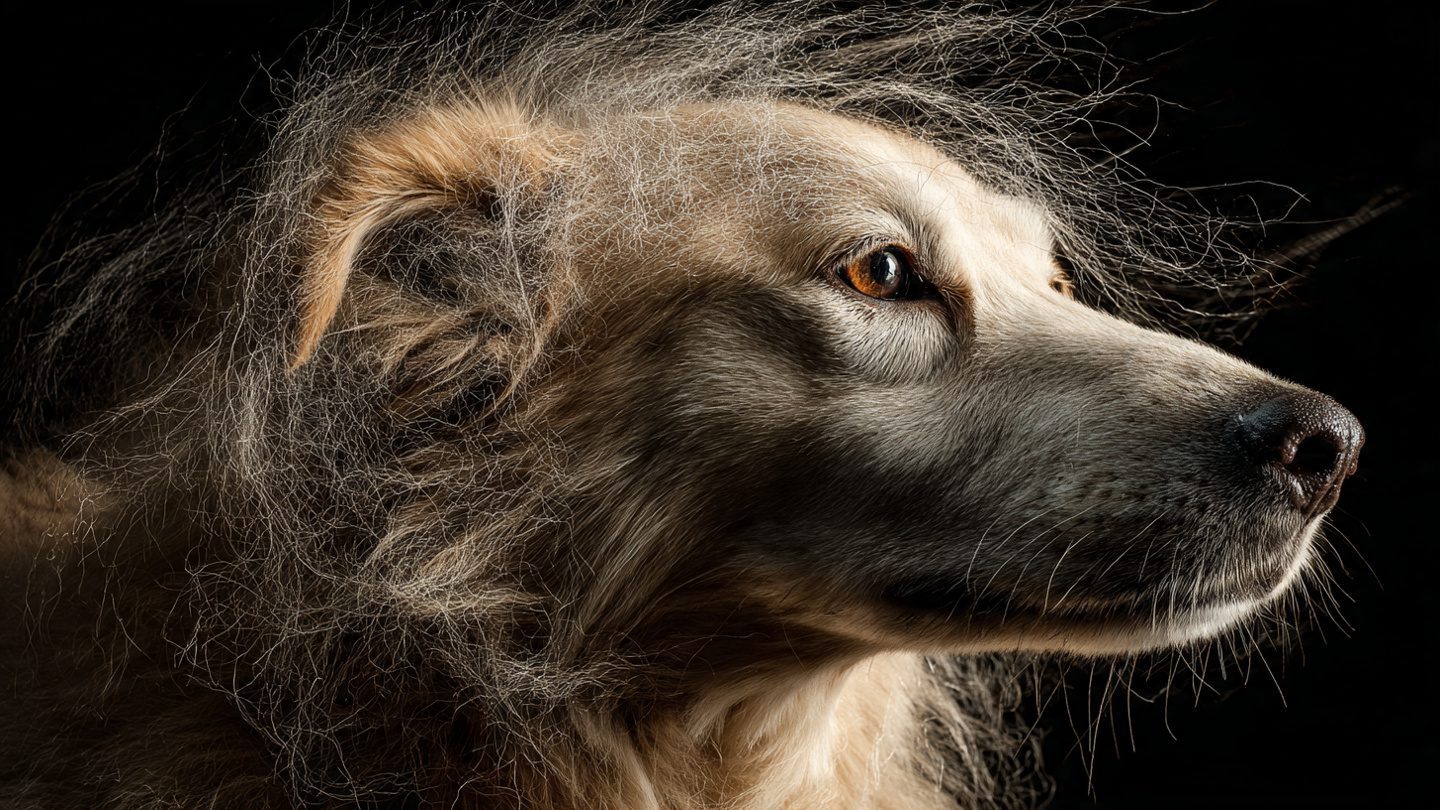
Quick Summary Checklist (Immediate Actions)
-
Brush your dog daily using the correct tool. This removes loose hair before it falls out naturally.
-
Improve your dog’s nutrition immediately. Poor diet is one of the biggest causes of excessive shedding.
-
Bathe your dog properly every 3–6 weeks. Use moisturizing, dog-safe shampoos to support skin health.
-
Check for parasites, allergies, or infections. Medical problems often cause abnormal shedding.
-
Add omega-3 fatty acids to the diet. These nutrients strengthen hair follicles and reduce hair loss.
-
Control stress and anxiety levels. Emotional stress can disrupt the hair growth cycle.
-
Use professional grooming tools regularly. Undercoat removal reduces excessive shedding dramatically.
-
Maintain proper hydration. Dehydrated skin weakens hair follicles.
-
Keep your dog’s environment clean and healthy. Remove allergens and irritants.
-
Consult a veterinarian if shedding is sudden or severe. Medical conditions require professional treatment.
Understanding Shedding
Shedding is a completely natural biological process that allows dogs to remove old, damaged, or unnecessary hair and replace it with healthy new growth. Hair follicles operate in a continuous cycle consisting of growth, rest, and shedding phases. This cycle ensures that the dog’s coat remains functional, protective, and temperature-regulated. However, excessive shedding occurs when this cycle becomes disrupted by health problems, environmental factors, nutritional deficiencies, or stress. Understanding this cycle is essential because excessive shedding is rarely random. Instead, it is usually a symptom of an underlying imbalance affecting the skin, hair follicles, or overall health.
Hair follicles are highly sensitive biological structures connected to blood supply, hormones, and the nervous system. When the body experiences stress, inflammation, or nutritional deficiency, the follicles weaken and release hair prematurely. This leads to abnormal hair loss. Healthy follicles retain hair firmly until the natural shedding phase occurs. Weak follicles release hair too early, creating excessive shedding. This process is influenced by both internal and external factors, including diet, hormones, environment, and emotional stability.
Veterinary authorities such as the American Kennel Club explain that while shedding cannot be eliminated completely, excessive shedding can almost always be reduced significantly by correcting the underlying causes. This is important because many dog owners mistakenly believe excessive shedding is unavoidable. In reality, proper grooming, nutrition, and health management dramatically reduce shedding levels. This guide explains exactly how to do that step by step.
Normal vs Excessive
Natural Shedding
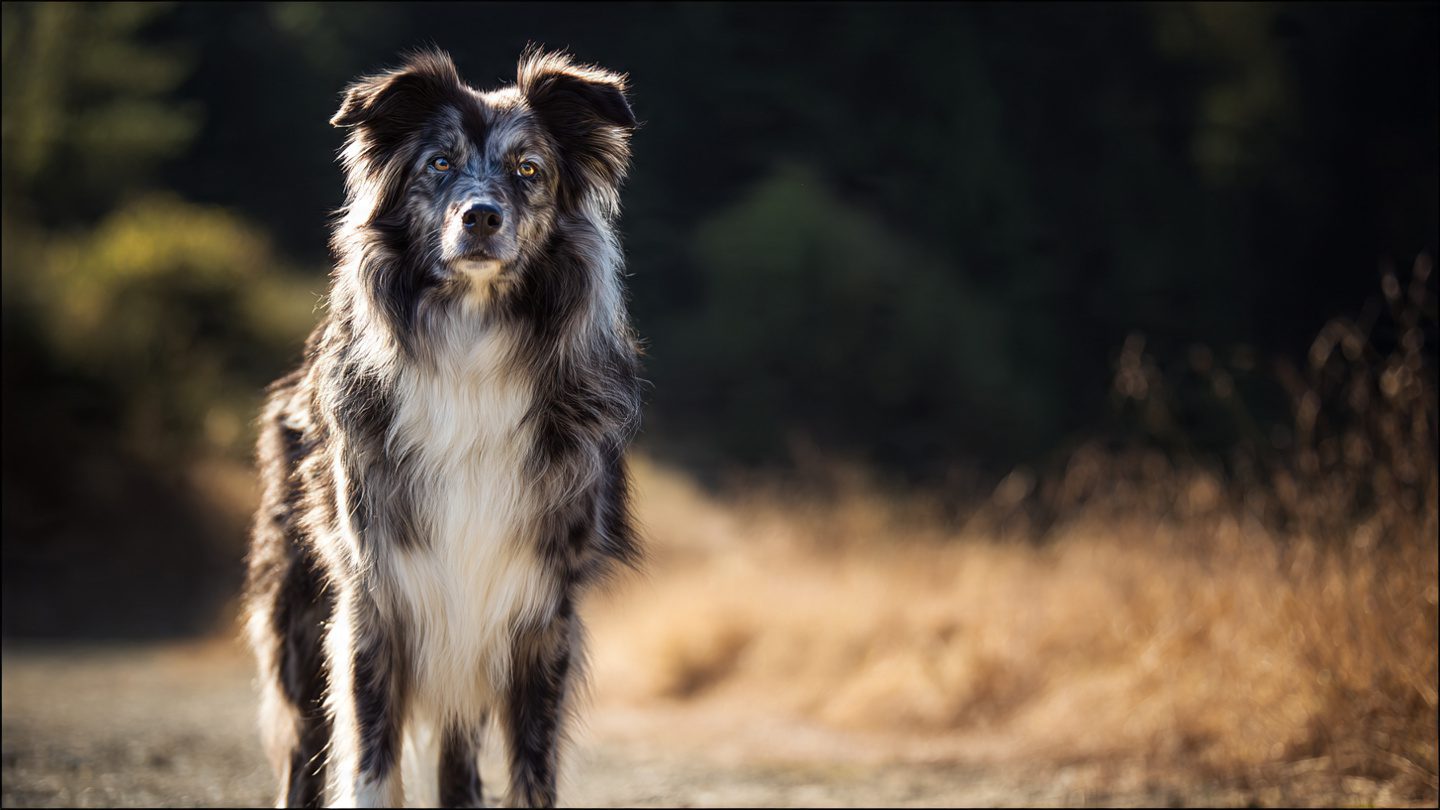
Normal shedding occurs in predictable cycles and does not cause bald patches, skin irritation, or visible discomfort. Dogs naturally shed more during seasonal transitions, especially in spring and fall. This process allows the coat to adjust to temperature changes. Double-coated breeds such as Huskies, German Shepherds, and Golden Retrievers shed heavily during these periods. However, their skin remains healthy and intact. Natural shedding is evenly distributed across the body.
Healthy shedding does not involve itching, redness, or inflammation. The hair falls out gradually and evenly. The coat remains shiny and healthy. The dog behaves normally without signs of discomfort. These characteristics indicate healthy coat renewal.
Abnormal Shedding
Excessive shedding is different because it often appears suddenly, unevenly, or alongside skin problems. Signs include bald patches, dull coat, itching, redness, or constant scratching. Abnormal shedding often signals medical or environmental problems. This type of shedding requires immediate investigation.
Excessive shedding indicates that hair follicles are weakened or damaged. Identifying the cause allows effective correction.
Major Causes
Poor Nutrition
Nutrition is the most important factor influencing coat health and shedding levels. Hair is made primarily of protein, which means dogs require high-quality protein to maintain healthy follicles. Poor nutrition weakens follicles and increases shedding. Dogs fed low-quality diets often experience excessive shedding.
Essential fatty acids such as omega-3 and omega-6 strengthen skin and follicles. These nutrients reduce inflammation and support hair retention. Without these nutrients, follicles weaken and release hair prematurely. Balanced nutrition dramatically improves coat strength.
Skin Problems
Skin conditions are a major cause of excessive shedding. Infections, parasites, and allergies damage hair follicles. This weakens hair attachment and increases shedding. Common causes include fleas, mites, fungal infections, and bacterial infections.
Parasites irritate the skin and trigger inflammation. This damages follicles and accelerates shedding. Treating skin conditions restores follicle health.
Stress Effects
Stress disrupts hormonal balance and weakens hair follicles. Dogs experiencing anxiety, environmental change, or emotional instability often shed excessively. Stress hormones interfere with normal hair growth cycles.
Reducing stress improves coat stability and reduces shedding.
Grooming Solutions
Proper Brushing
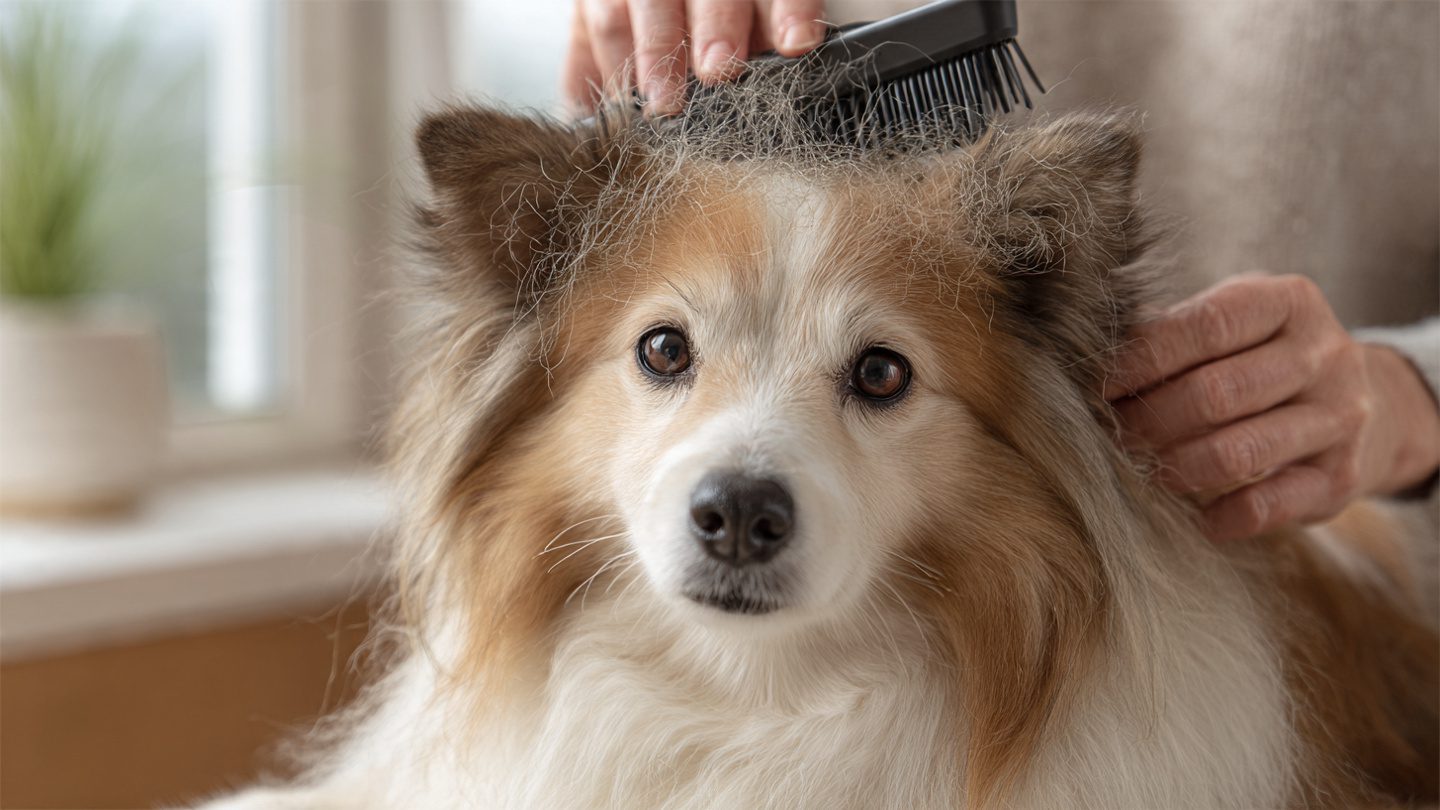
Brushing is the most effective way to reduce excessive shedding immediately. It removes loose hair before it falls naturally. This prevents hair accumulation in the environment. Brushing also stimulates blood circulation to hair follicles. Improved circulation strengthens hair retention.
Use the correct brush for your dog’s coat type. Double-coated breeds require undercoat removal tools. Short-haired breeds require bristle brushes.
Regular brushing significantly reduces shedding.
Proper Bathing
Bathing removes dead hair and improves skin health. Use dog-safe moisturizing shampoo. Avoid overbathing, which dries the skin. Healthy skin retains hair more effectively.
Bathing every 3–6 weeks is optimal.
Medical Causes
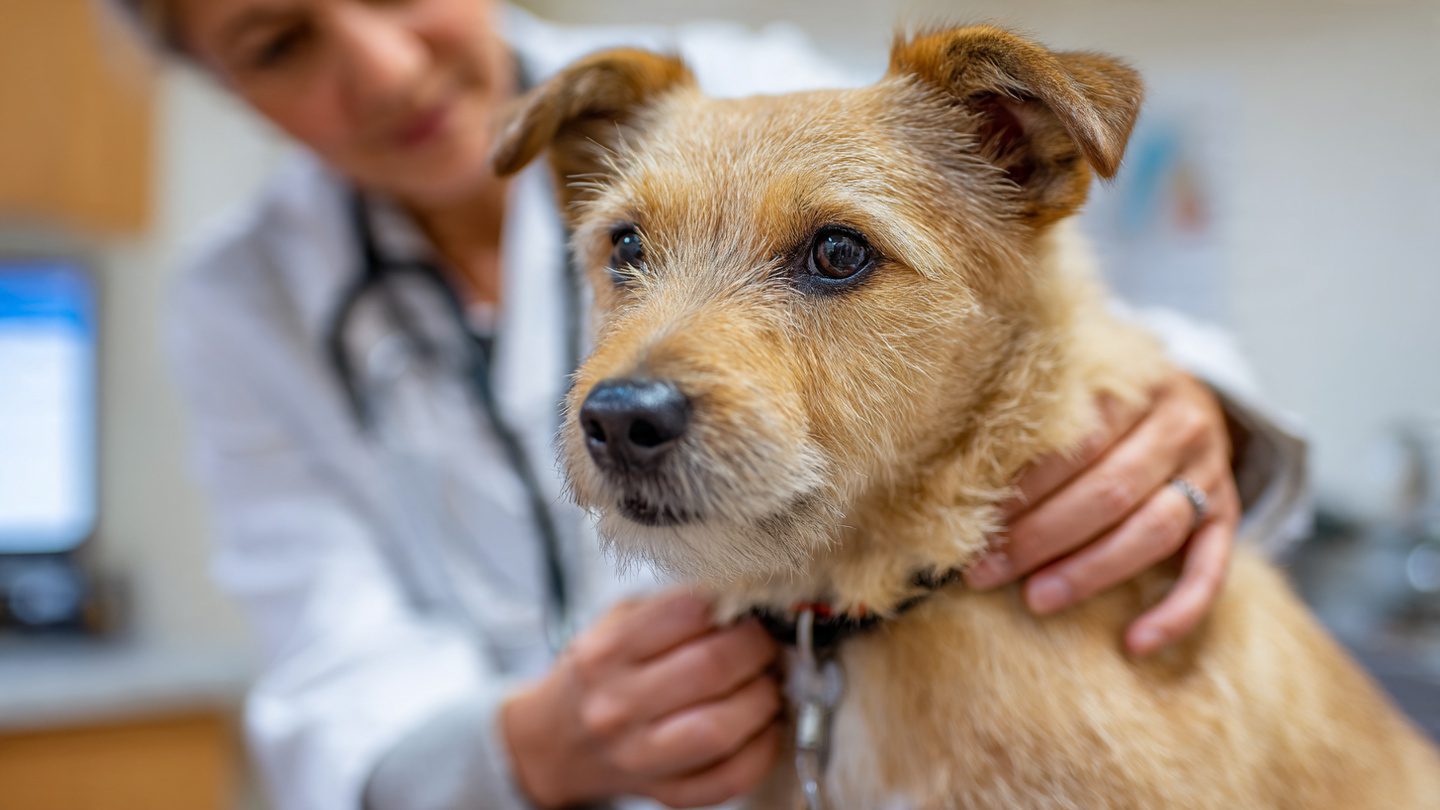
Hormonal disorders such as hypothyroidism can cause excessive shedding. These conditions weaken hair follicles. Veterinary diagnosis is necessary for treatment.
Veterinary experts like Marty Becker emphasize early diagnosis for effective treatment.
Nutritional Correction
Omega-3 Benefits
Omega-3 fatty acids reduce inflammation and strengthen follicles. These nutrients improve coat quality. Fish oil is an excellent source.
Improved nutrition reduces shedding significantly.
Hydration Support
Proper hydration supports skin health. Dehydrated skin weakens follicles. Always provide fresh water.
Hydration improves coat strength.
Environmental Control
Environmental allergens cause skin irritation and shedding. Cleaning living areas reduces exposure. Maintaining clean bedding improves coat health.
Environmental control prevents follicle damage.
What to Do When Your Dog Growls at a Visitor
Loose Leash Mastery: How to Stop Your Dog from Pulling on a Leash Fast
Silent Warning: Why Does a Dog Refuse to Eat and What to Do About It?
Summary
Excessive shedding is caused by nutrition, health, grooming, and environmental factors. Correcting these factors restores healthy shedding cycles. Proper grooming, diet, and veterinary care significantly reduce shedding. Early intervention ensures the best results.
FAQ
Can excessive shedding be stopped completely?
No, but it can be reduced significantly.
Does diet affect shedding?
Yes, nutrition is the most important factor.
Is shedding a sign of illness?
Sometimes. Sudden shedding requires veterinary evaluation.
How often should I brush my dog?
Daily or several times per week depending on breed.
Can stress cause shedding?
Yes, stress disrupts hair growth cycles.
Call to Action
Start improving your dog’s coat health today using these expert methods. Proper care reduces shedding and improves your dog’s health and comfort.






