
What to Do If Your Dog Has Diarrhea: Complete Expert Guide to Fast, Safe Recovery
 Befrey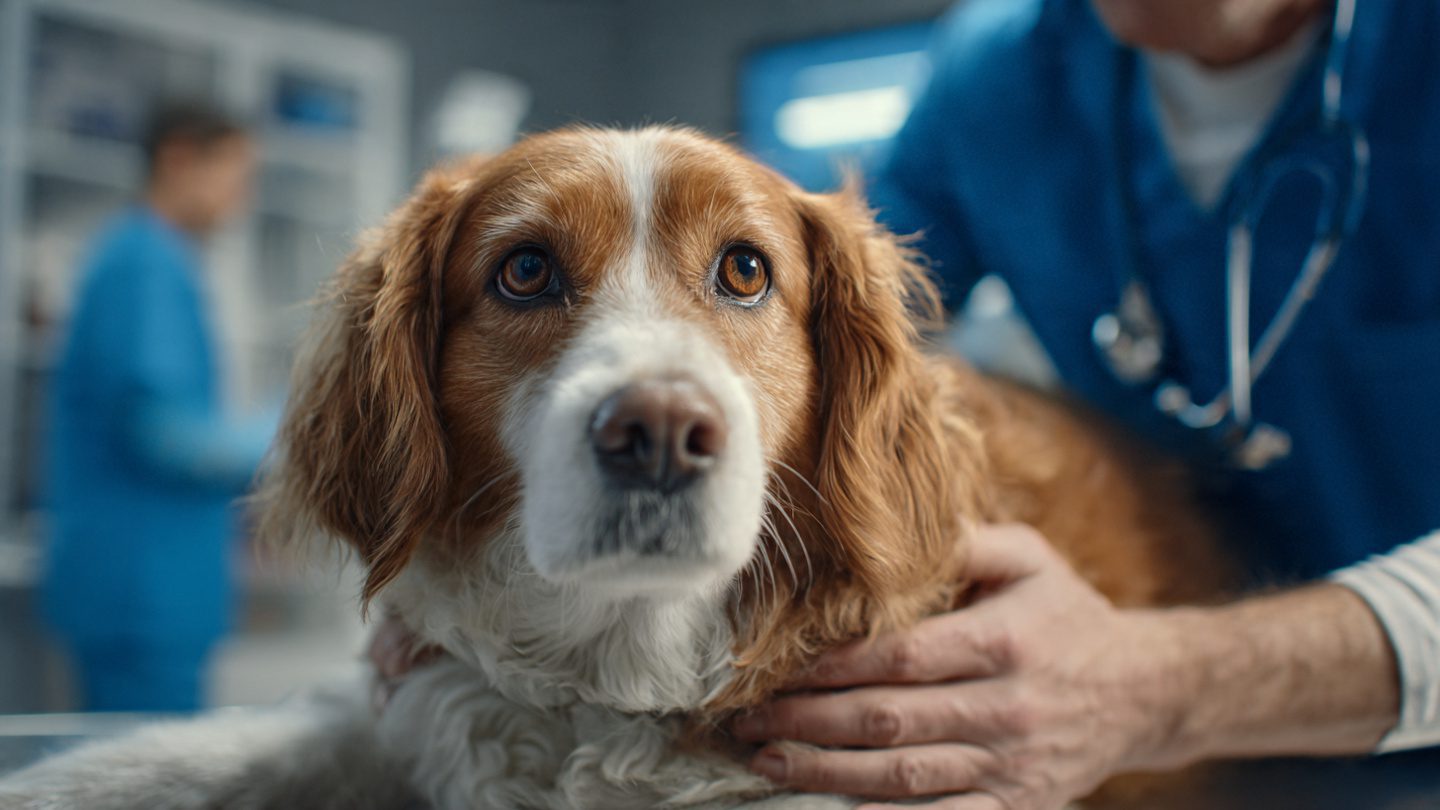
Quick Summary Checklist (Immediate Actions)
-
Assess your dog’s overall condition immediately. Check energy level, appetite, hydration, and behavior.
-
Withhold food for 12–24 hours (adult dogs only). This allows the digestive system to rest and recover.
-
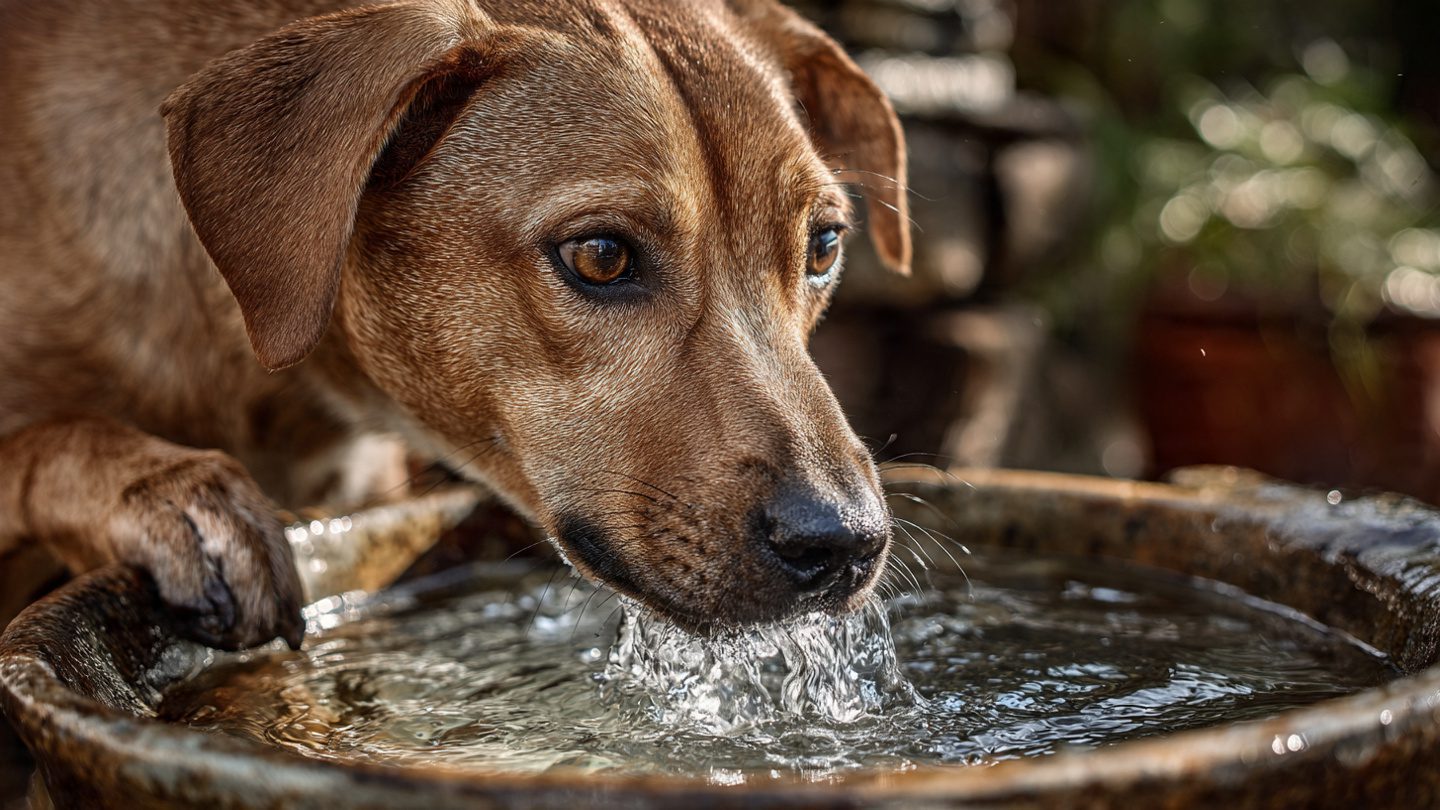
Provide constant access to fresh water. Prevent dehydration, which is the most dangerous complication.
-
Switch to a bland diet temporarily. Use boiled chicken and plain white rice in small portions.
-
Monitor stool frequency, color, and consistency. This helps identify severity and underlying cause.
-
Check for warning signs. Blood, vomiting, lethargy, or fever require immediate veterinary care.
-
Avoid human medications unless prescribed. Many are toxic or dangerous for dogs.
-
Reintroduce regular food gradually over 3–5 days. Sudden dietary changes worsen diarrhea.
-
Identify potential causes. Diet changes, infections, stress, or toxins are common triggers.
-
Contact a veterinarian if diarrhea lasts longer than 48 hours. Persistent diarrhea indicates medical problems.
Understanding Diarrhea
Diarrhea in dogs is not a disease itself but a symptom of an underlying disruption in the digestive system. It occurs when the intestines fail to absorb fluids properly or when intestinal motility increases, causing rapid movement of contents through the digestive tract. This rapid movement prevents proper water absorption, resulting in loose or watery stool. Diarrhea can range from mild and temporary to severe and life-threatening depending on the cause. Understanding the biological mechanisms behind diarrhea helps dog owners respond effectively and prevent complications. The digestive system is highly sensitive, and even small disruptions can cause significant symptoms.
The intestines perform several critical functions, including nutrient absorption, water balance regulation, and protection against harmful microorganisms. When inflammation, infection, toxins, or dietary changes occur, the intestinal lining becomes irritated. This irritation reduces the intestine’s ability to absorb water and nutrients properly. As a result, excess water remains in the stool, producing diarrhea. Additionally, inflammation stimulates intestinal muscles to contract faster, which further reduces absorption time. This combination of reduced absorption and increased motility produces loose stool.
Veterinary authorities such as the American Veterinary Medical Association emphasize that diarrhea is one of the most common reasons for veterinary visits. While mild cases often resolve quickly, severe cases can cause dehydration, electrolyte imbalance, and organ stress. Early intervention significantly improves recovery and prevents complications. Understanding when diarrhea is harmless and when it is dangerous is essential for responsible dog ownership. Proper response can prevent life-threatening consequences.
Immediate Assessment
Evaluate Behavior
The first and most important step when your dog has diarrhea is evaluating their overall condition and behavior. A dog’s energy level provides critical insight into the severity of the situation. Dogs with mild digestive upset usually remain active, alert, and responsive. They may still want to play, walk, and interact normally. In contrast, dogs with serious medical conditions often appear lethargic, weak, or withdrawn. Lethargy indicates that the body is under significant stress and requires immediate attention.
Observe whether your dog is eating normally or refusing food. Appetite loss often indicates inflammation, infection, or systemic illness. Also monitor drinking behavior. Increased drinking may indicate dehydration or electrolyte imbalance. Decreased drinking increases dehydration risk. Both situations require attention. Behavioral changes provide important diagnostic clues.
Check Hydration
Dehydration is the most dangerous complication of diarrhea because excessive fluid loss disrupts normal body function. Dogs lose water rapidly through loose stool. Severe dehydration affects circulation, organ function, and temperature regulation. Checking hydration is essential.
A simple test involves gently lifting the skin between the dog’s shoulders. In a hydrated dog, the skin returns to normal immediately. In dehydrated dogs, the skin returns slowly. Also check the gums. Healthy gums are moist and pink. Dry or sticky gums indicate dehydration.
Immediate hydration support prevents serious complications.
Common Causes
Dietary Changes
Sudden dietary changes are one of the most common causes of diarrhea in dogs because the digestive system requires time to adapt to new food. The gut contains billions of beneficial bacteria that help digest food and maintain intestinal balance. When food changes suddenly, this bacterial balance becomes disrupted. This disruption causes inflammation and improper digestion, leading to diarrhea. Even high-quality food can cause diarrhea if introduced too quickly.
Dogs should transition gradually to new food over 7–10 days. This allows the gut microbiome to adjust safely. Gradual transitions prevent digestive upset. Sudden changes overwhelm the digestive system.
Infections
Bacterial, viral, and parasitic infections frequently cause diarrhea in dogs. Harmful microorganisms damage the intestinal lining and trigger inflammation. This reduces absorption and increases fluid loss. Common pathogens include Salmonella, Giardia, and Parvovirus.
These infections often require veterinary treatment. Early diagnosis improves recovery outcomes.
Stress Effects
Stress affects the digestive system directly through neurological and hormonal pathways. Stress hormones disrupt normal intestinal function. This increases intestinal motility and reduces absorption.
Dogs experiencing anxiety, travel, environmental change, or emotional stress often develop diarrhea. Emotional stability supports digestive health.
Home Treatment
Temporary Fasting
Temporary fasting allows the digestive system to rest and recover. Removing food reduces intestinal workload and inflammation. Adult dogs can safely fast for 12–24 hours under supervision. Puppies should not fast without veterinary guidance.
Fasting allows intestinal lining repair.
Bland Diet
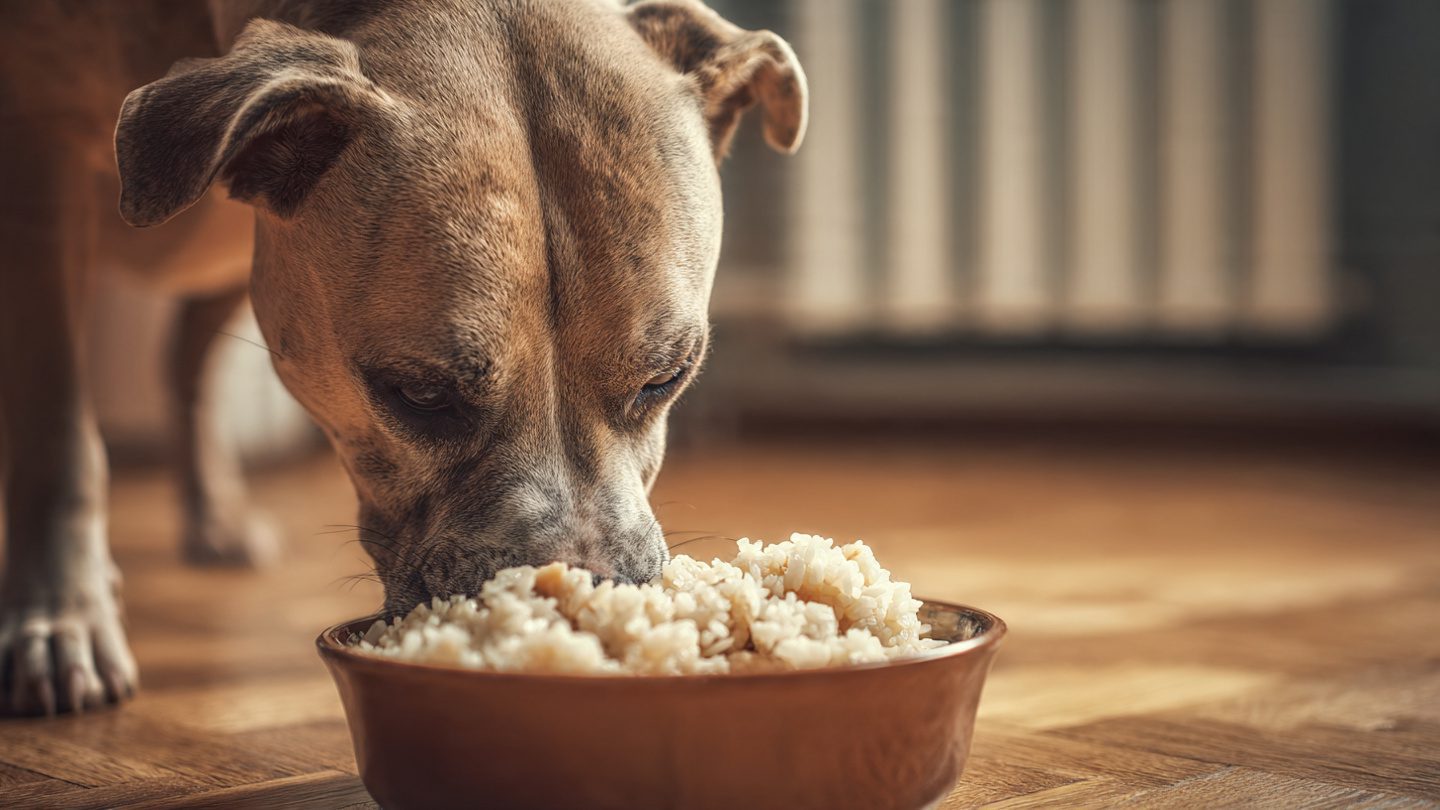
A bland diet supports digestive recovery by providing easily digestible nutrients. Boiled chicken and white rice are ideal because they are gentle on the stomach. Feed small portions frequently.
Gradual feeding prevents digestive overload.
Medical Warning Signs
Seek veterinary care immediately if you observe:
-
Blood in stool
-
Vomiting
-
Severe lethargy
-
Fever
-
Diarrhea lasting more than 48 hours
Veterinary experts like Marty Becker emphasize early treatment for serious cases.
Prevention
Proper nutrition, gradual food transitions, parasite prevention, and stress reduction prevent diarrhea effectively. Maintaining digestive health reduces risk.
How to Stop Excessive Shedding in Dogs: Complete Expert Guide to Reducing Hair Loss Safely and Permanently
What to Do When Your Dog Growls at a Visitor
Loose Leash Mastery: How to Stop Your Dog from Pulling on a Leash Fast
Summary
Diarrhea in dogs is common but can become dangerous if untreated. Proper assessment, hydration, fasting, and gradual feeding support recovery. Veterinary care is necessary for severe cases.
FAQ
Is diarrhea dangerous?
Yes, dehydration can be life-threatening.
How long does diarrhea last?
Mild cases resolve within 24–48 hours.
Should I stop feeding my dog?
Temporary fasting helps recovery.
Can stress cause diarrhea?
Yes, stress disrupts digestion.
When should I see a vet?
If symptoms persist beyond 48 hours.
Call to Action
If your dog has diarrhea, act quickly using these expert steps. Early intervention protects your dog’s health and prevents serious complications.






