
 Befrey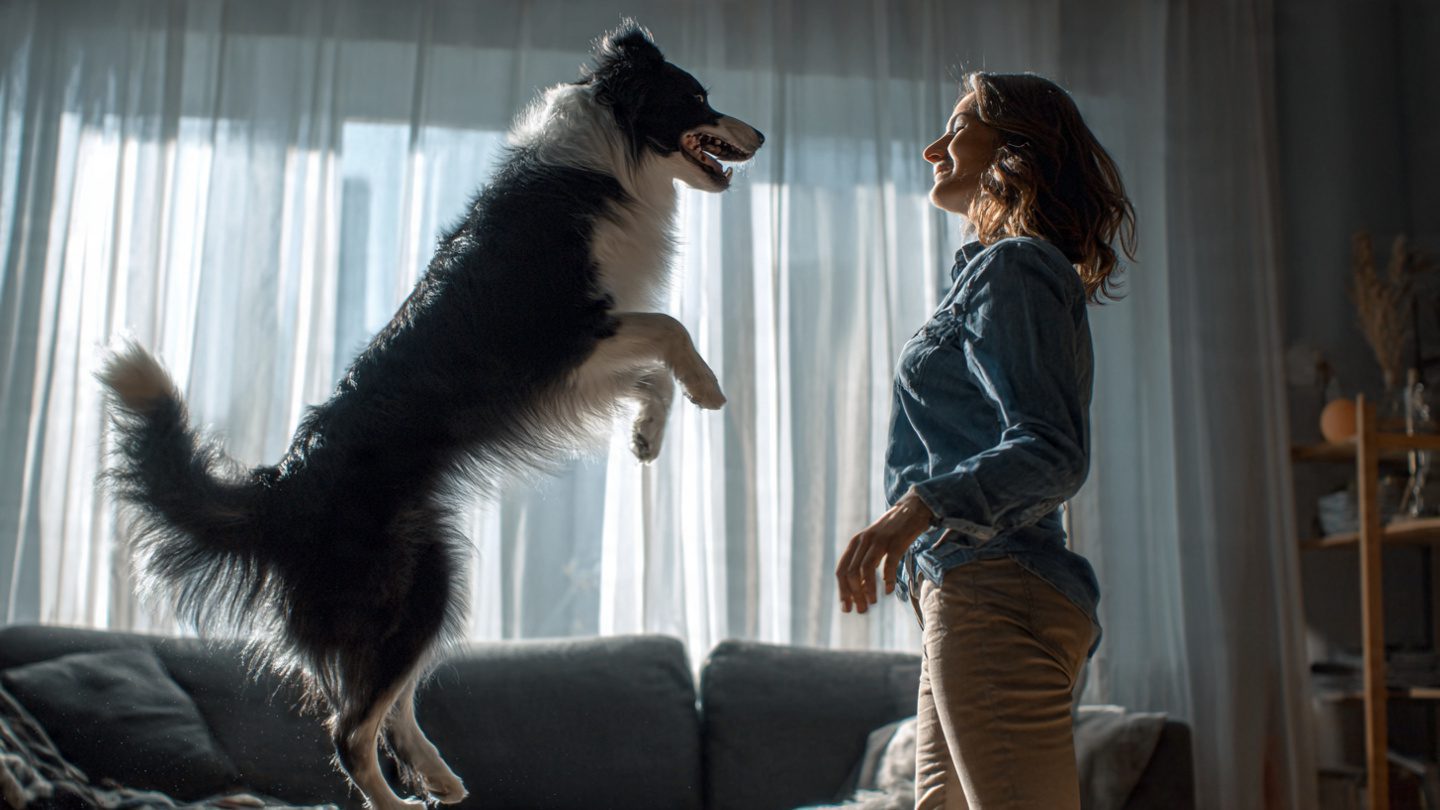
Dogs jumping on people may seem cute when they are puppies, but it quickly becomes frustrating, embarrassing, and even dangerous as they grow. If you are searching for how to stop your dog from jumping on people, you are not alone. This is one of the most common behavioral problems dog owners face worldwide, regardless of breed, age, or training level. The good news is that jumping is not a sign of dominance, aggression, or stubbornness, but rather a learned behavior reinforced over time, often unintentionally by owners and visitors. With the correct understanding, consistent training, and proven behavioral techniques, you can eliminate this behavior completely. This guide will teach you the exact step-by-step process professionals use, while explaining the psychology behind your dog’s actions so you can create permanent results rather than temporary fixes.
Quick Answer
If you want a snippet-friendly summary, here is the core principle:
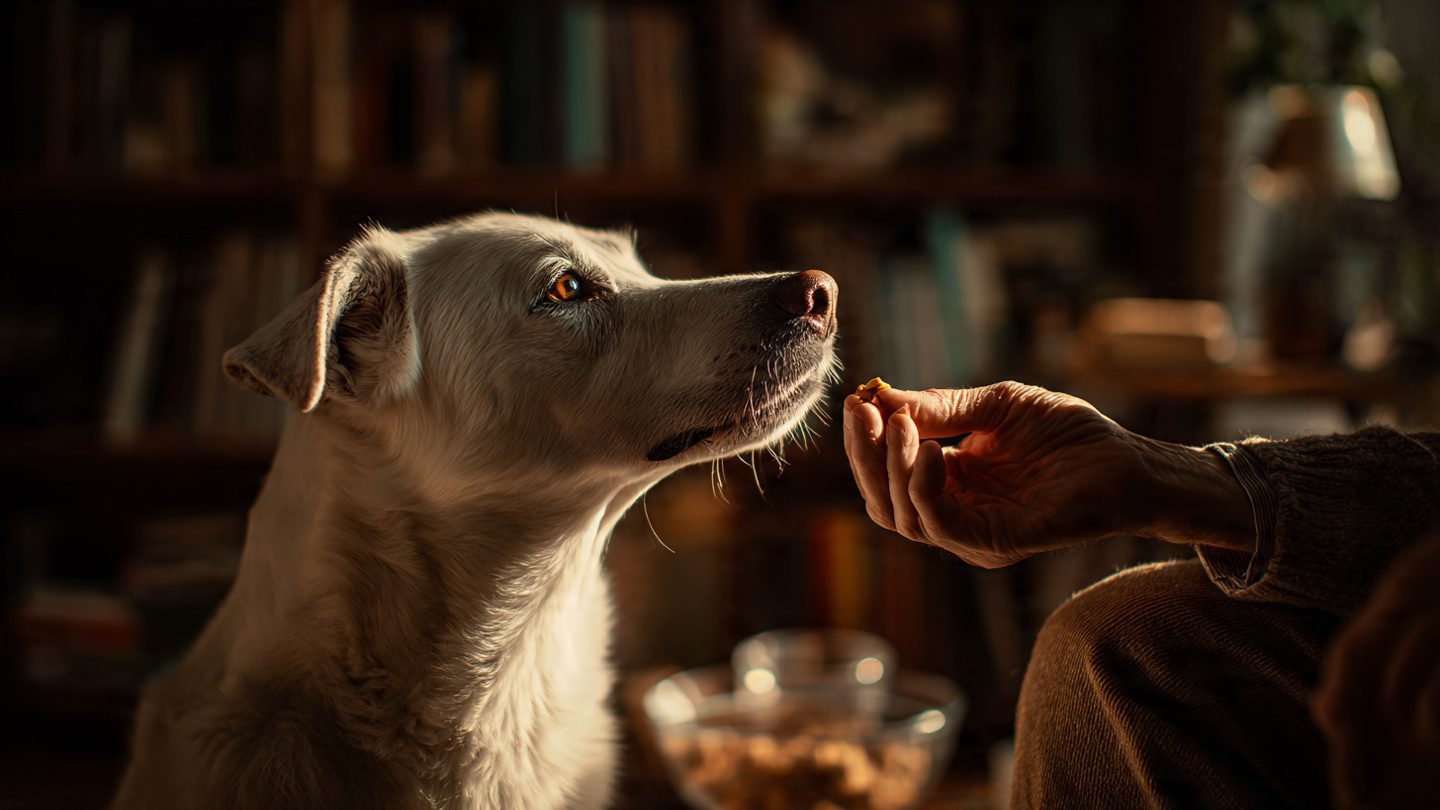
To stop your dog from jumping on people, consistently remove attention when jumping occurs and reward calm behavior with attention, treats, or praise.
Jumping continues because it works. When your dog jumps and receives attention—even negative attention—it reinforces the behavior. When jumping results in zero attention and calm behavior earns rewards, your dog naturally switches strategies.
Why Dogs Jump
Understanding why dogs jump on people is the foundation of solving the problem permanently. Without this knowledge, most training attempts fail because they address symptoms instead of causes. Dogs do not jump randomly or to annoy you personally. They jump because jumping has worked in the past and fulfills an emotional or social need. This behavior is deeply connected to canine communication, excitement levels, and reinforcement history. By understanding these psychological triggers, you can design a training plan that aligns with your dog’s natural instincts instead of fighting against them.
Attention Seeking
The most common reason dogs jump is to get attention, which is the most powerful reward in a social animal’s brain. Dogs are naturally social creatures, and your attention has extremely high emotional value to them. When your dog jumps and you pet them, talk to them, or even push them away, they receive interaction. From your dog’s perspective, the jumping worked because it triggered a response from you. Even negative responses like saying “No,” yelling, or pushing can reinforce jumping because they still provide engagement. This creates a reinforcement loop where jumping becomes the fastest way to get attention.
Professional training organizations such as the American Kennel Club emphasize that attention reinforcement is the primary driver of unwanted greeting behaviors. Dogs repeat behaviors that produce results, and attention is often more rewarding than food. This is why ignoring jumping completely is more effective than correcting it harshly. Your dog is not being disrespectful but simply using a strategy that has worked successfully before. Changing the outcome of jumping changes the behavior.
Excitement Release
Another major cause is emotional overflow, where your dog jumps because they cannot regulate their excitement. When dogs become excited, their nervous system activates and produces physical energy that must be released somehow. Jumping is one of the fastest and most natural ways for dogs to release this energy. This is especially common when you return home, when guests arrive, or when your dog meets new people. The excitement temporarily overrides your dog’s training and impulse control.
Dogs do not naturally understand human social rules such as greeting politely without jumping. In canine communication, greeting face-to-face is normal, and jumping helps them reach your face. Your dog is not misbehaving intentionally but expressing natural greeting behavior. Training teaches your dog an alternative greeting strategy that works better in human environments. Once your dog learns that calm behavior produces better rewards than jumping, their greeting behavior will transform automatically.
Accidental Training
Many owners unknowingly train their dog to jump, especially during puppyhood. When puppies jump and receive affection, owners reinforce the behavior unintentionally. This creates a powerful association between jumping and reward. As the puppy grows, the same behavior becomes problematic, but the reinforcement history remains deeply ingrained. Dogs learn through repetition, and even occasional rewards can maintain the behavior.
Behavioral science, originally studied by B. F. Skinner, shows that intermittent reinforcement makes behaviors extremely persistent. This means if your dog sometimes receives attention for jumping and sometimes does not, the behavior becomes even harder to eliminate. Consistency is the key to breaking this reinforcement cycle. Every jumping attempt must result in zero reward, while calm behavior must always produce positive outcomes.
Why Punishment Fails
Many owners attempt to stop jumping using punishment, but this approach often fails or worsens the problem. Punishment does not teach your dog what to do instead, only what not to do. Without a clear alternative behavior, your dog becomes confused and continues experimenting with jumping. Punishment can also increase anxiety, which leads to more impulsive behaviors rather than calmer greetings. Dogs learn faster through positive reinforcement than punishment.
Training experts such as Karen Pryor emphasize that positive reinforcement creates faster, more reliable behavioral change. When dogs are rewarded for correct behavior, they actively choose to repeat it. Punishment suppresses behavior temporarily but does not change the underlying motivation. This is why punishment often fails long-term. Teaching your dog what to do instead of jumping is the most effective solution.
Core Training Principle
The most important concept in solving jumping is behavioral replacement, not suppression. You are not simply stopping jumping but replacing it with calm greeting behavior. Dogs always perform behaviors that produce rewards, so your job is to make calm behavior more rewarding than jumping. This requires controlling attention, rewards, and timing with precision. Consistency across all interactions is essential for success.
Your dog constantly evaluates which behaviors produce the best results. If jumping produces attention, jumping continues. If sitting produces attention and jumping produces nothing, sitting becomes the preferred strategy. This process is called operant conditioning, and it is the foundation of all professional dog training. By controlling reinforcement, you control behavior.
Step-by-Step Training
Step One: Remove Reward
The first and most critical step in how to stop your dog from jumping on people naturally is removing all rewards for jumping. When your dog jumps, immediately remove your attention completely. Do not talk, touch, push, or make eye contact. Turn your body away and become completely uninteresting. Your dog must learn that jumping produces zero results.
This step requires emotional discipline from the owner. Even negative attention reinforces behavior, so complete disengagement is necessary. Your dog may initially jump more intensely, which is called an extinction burst. This is normal and temporary. Your dog is testing whether jumping still works. If you remain consistent, the behavior will decline rapidly.
Consistency is more important than perfection. If jumping occasionally produces attention, the training process resets. Every interaction must follow the same rule. Over time, your dog will stop investing energy into a behavior that produces no reward.
Step Two: Reward Calm
The second step is rewarding your dog the moment they display calm behavior. Timing is critical because dogs associate rewards with immediate actions. The instant your dog has four paws on the ground, provide attention, praise, or treats. This teaches your dog which behavior produces positive results. Your dog learns that calm behavior controls access to rewards.
This process accelerates learning because it gives your dog a clear alternative strategy. Instead of guessing, your dog understands exactly what works. Calm behavior becomes the most efficient way to gain attention. This replaces jumping naturally without force or punishment.
Rewards can include:
-
Verbal praise
-
Petting
-
Treats
-
Play
-
Eye contact
Your dog values attention highly, so social rewards are extremely powerful training tools.
Step Three: Teach Sit
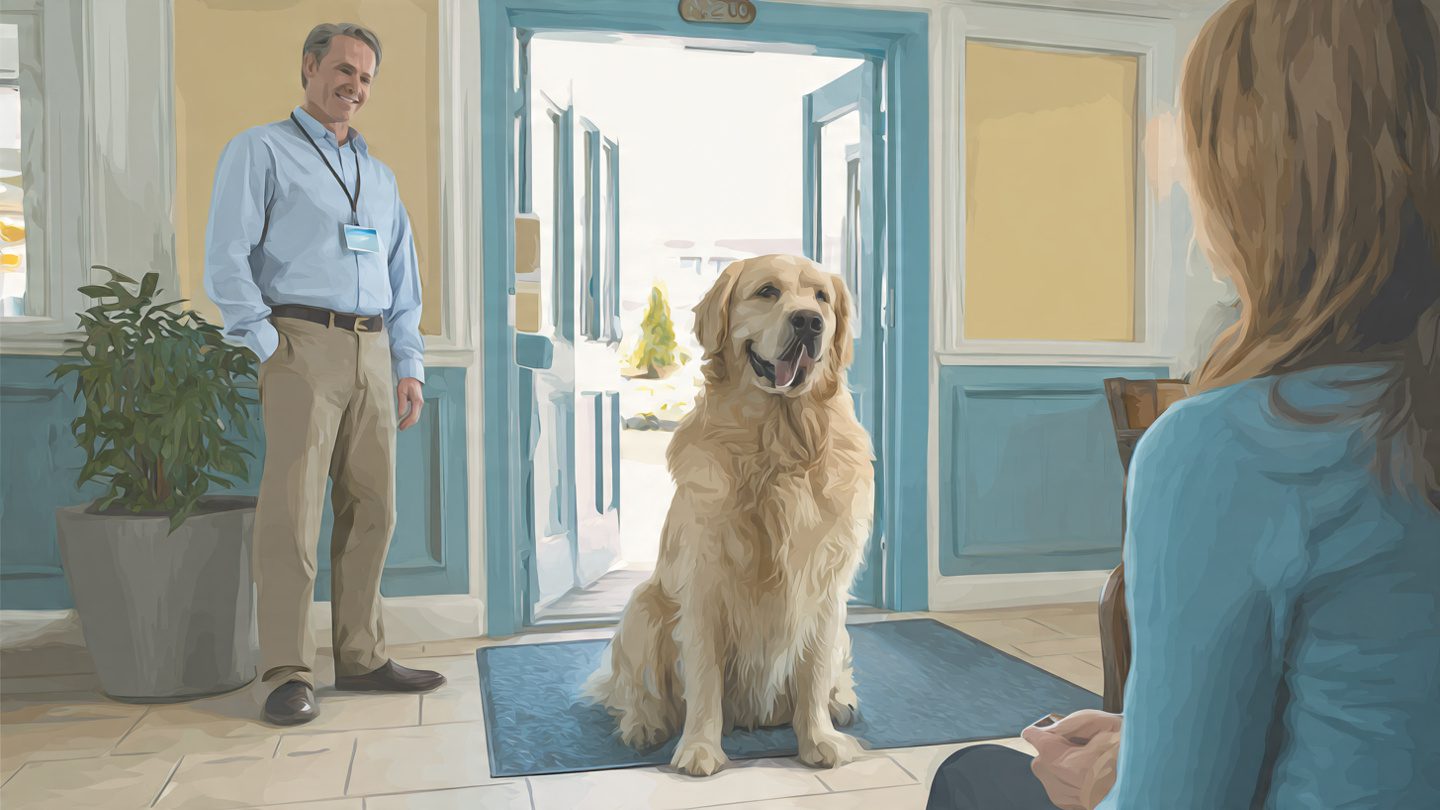
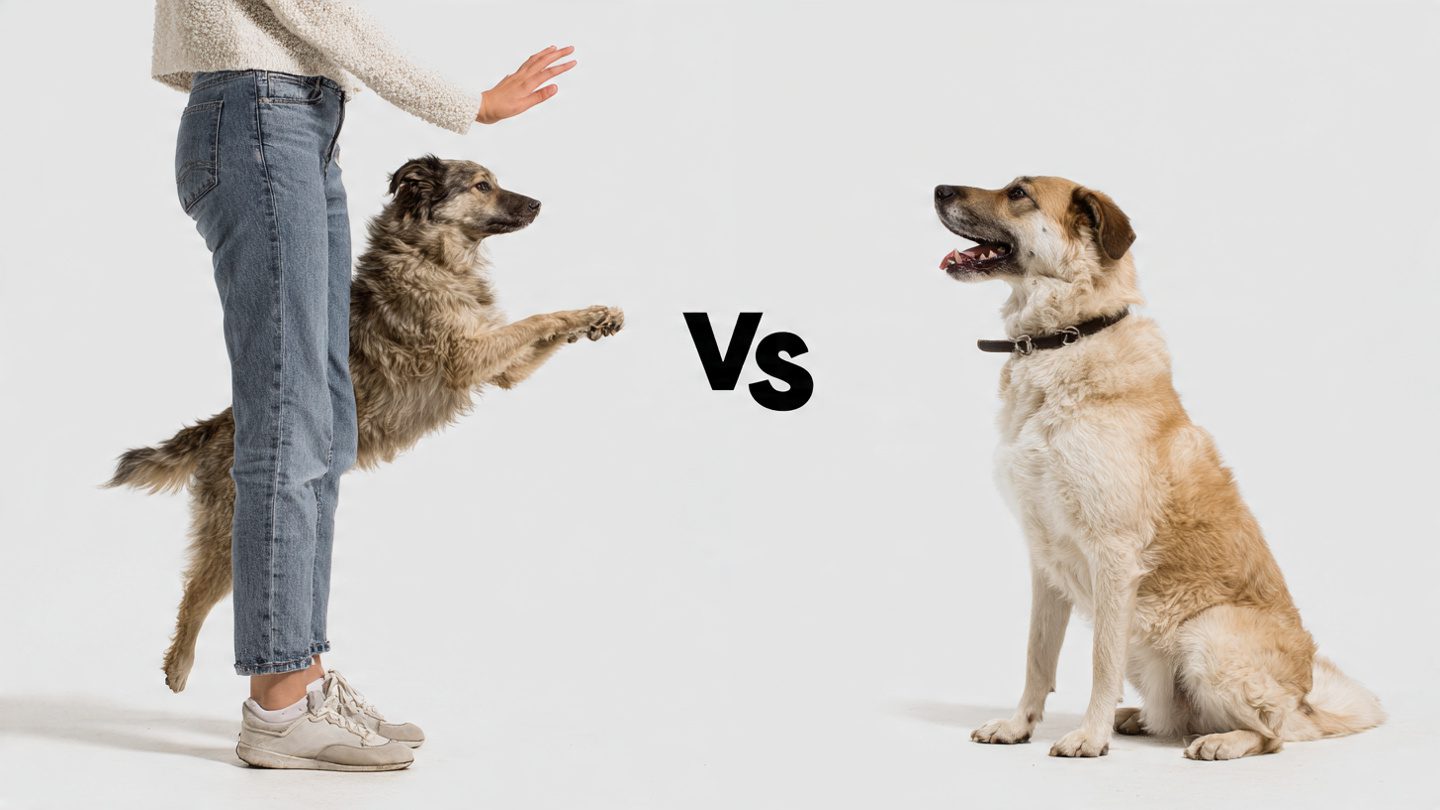
Teaching a reliable sit command creates a structured greeting behavior. Sitting is physically incompatible with jumping, making it the perfect replacement behavior. When your dog approaches, ask for a sit before giving attention. Reward immediately when your dog sits. This creates a predictable greeting routine.
Sitting becomes your dog’s automatic greeting response over time. Instead of jumping impulsively, your dog pauses and sits. This demonstrates impulse control and emotional regulation. The behavior becomes automatic through repetition and reinforcement.
Practice this multiple times daily, including simulated greeting situations. Consistency accelerates habit formation.
Step Four: Control Environment
Managing your dog’s environment prevents jumping during the learning phase. Training is easier when your dog is calm rather than highly excited. Use leashes, distance, and structured greetings to reduce excitement levels. This sets your dog up for success instead of failure.
You can also instruct guests on proper greeting protocols. Ask them to ignore your dog until calm behavior appears. Guests must participate in training for consistent results. Dogs learn from every interaction, not just interactions with you.
Environmental management accelerates training and prevents reinforcement of unwanted behavior.
Common Mistakes
Inconsistent Response
Inconsistency is the number one reason training fails. If jumping occasionally produces attention, the behavior remains strong. Dogs learn based on patterns, and inconsistent reinforcement creates confusion. Everyone interacting with your dog must follow the same rules. Consistency creates clarity, and clarity accelerates learning.
Even one accidental reward can strengthen jumping behavior. This is why discipline across all interactions is essential. Consistency transforms training from slow progress to rapid success.
Emotional Reactions
Emotional responses such as yelling or pushing often reinforce jumping unintentionally. Dogs interpret any attention as reward. Remaining calm and neutral is more effective than reacting emotionally. Your emotional control directly influences training success.
Your dog learns faster when interactions are predictable. Calm, structured responses create clear behavioral patterns. Emotional inconsistency creates confusion and slows progress.
Advanced Techniques
Pre-Greeting Exercise
Physical exercise reduces excess energy that contributes to jumping. A tired dog is naturally calmer and more receptive to training. Exercise regulates your dog’s nervous system and reduces impulsive behavior. This makes greeting training significantly easier.
Mental stimulation is equally important. Training sessions, puzzle toys, and structured play reduce excitement levels. A mentally satisfied dog displays better impulse control.
Differential Reinforcement
This technique involves rewarding alternative behaviors while ignoring unwanted behaviors. It accelerates learning by focusing on success rather than failure. Dogs learn faster when they are rewarded for correct choices.
This method creates confident, calm dogs rather than fearful or suppressed dogs.
What to Do If Your Dog Has Diarrhea: Complete Expert Guide to Fast, Safe Recovery
How to Stop Excessive Shedding in Dogs: Complete Expert Guide to Reducing Hair Loss Safely and Permanently
What to Do When Your Dog Growls at a Visitor
Summary
Stopping jumping requires understanding behavioral psychology and controlling reinforcement. Your dog jumps because it works, not because of stubbornness or dominance. Removing attention eliminates reward, while rewarding calm behavior creates replacement habits. Teaching sit provides structure and impulse control. Consistency across all interactions ensures permanent results. Positive reinforcement creates faster, safer, and more reliable behavioral change. With proper training, your dog can become calm, polite, and socially appropriate.
FAQ Section
Why does my dog jump on guests but not me?
Dogs generalize behavior differently depending on context. Your dog may associate guests with higher excitement levels and weaker behavioral boundaries. Guests often reinforce jumping unintentionally by reacting emotionally or providing attention. Training must include guest interactions to generalize calm greeting behavior. Structured guest training accelerates behavioral consistency. Dogs learn through repeated patterns across environments.
How long does it take to stop jumping?
Most dogs show improvement within one to three weeks with consistent training. Full behavioral replacement typically occurs within one to two months. Progress depends on reinforcement history, consistency, and training frequency. Younger dogs learn faster due to flexible neural pathways. Consistency accelerates progress dramatically. Even older dogs can learn successfully with proper training.
Should I push my dog down when jumping?
No, pushing reinforces jumping by providing attention and physical interaction. Dogs interpret pushing as engagement, not correction. Ignoring jumping is more effective because it removes reward completely. Calm disengagement produces faster behavioral extinction. Replacement training is superior to physical correction. Positive reinforcement creates permanent change.
Do treats always work?
Treats accelerate learning but are not permanently required. Social rewards such as praise and attention are extremely powerful motivators. Treats help establish initial behavioral patterns quickly. Over time, treats can be reduced gradually. Behavioral habits become self-reinforcing through emotional satisfaction. Proper timing is more important than reward type.
Why does my dog jump more during training?
This is called an extinction burst, where behavior temporarily intensifies before disappearing. Your dog is testing whether the old strategy still works. This phase is normal and temporary. Consistency ensures behavioral extinction. Persistence during this phase is critical for success. Most owners quit prematurely during extinction bursts.
Can older dogs learn this?
Yes, dogs of all ages can learn new behaviors through reinforcement. Neural plasticity allows behavioral adaptation throughout life. Older dogs may require more repetition but achieve similar results. Consistency and patience are essential. Age does not prevent successful training.
Call to Action
If your dog struggles with jumping, start implementing these steps today. Consistency and patience will transform your dog’s behavior completely. Focus on rewarding calm behavior and removing attention from jumping. Small daily training sessions produce powerful long-term results. Your dog wants to learn and succeed with clear guidance. With proper training, your dog can become calm, polite, and trusted around all people.






