
Your Dog Is Afraid of Thunderstorms – How to Help Them (Complete Expert Guide)
 Befrey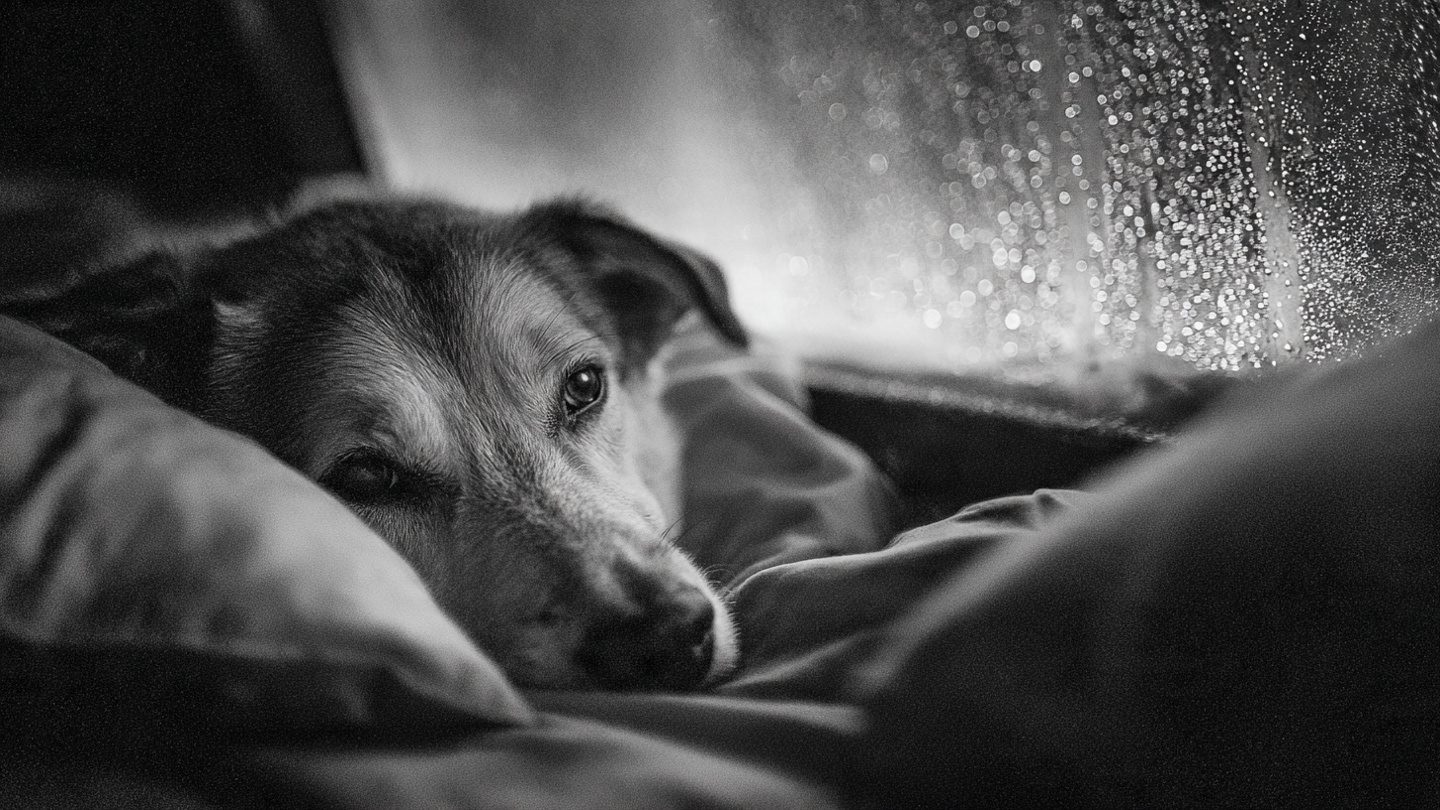
If your dog is afraid of thunderstorms – how to help them is something you are urgently searching for, you are already taking the most important step: understanding that your dog’s fear is real, intense, and solvable. Thunderstorm anxiety is not a minor inconvenience but a deeply rooted neurological fear response that can cause panic, injury, escape attempts, and long-term behavioral damage if ignored. Many dogs experience extreme stress during storms, including trembling, hiding, destructive behavior, excessive barking, and attempts to escape through windows or doors. This fear is not caused by disobedience or stubbornness, but by a combination of biological sensitivity, sensory overload, and learned emotional associations. The good news is that with the right knowledge, structured preparation, and proven behavioral techniques, you can dramatically reduce or completely eliminate your dog’s thunderstorm fear. This guide will explain exactly why storm fear happens, what your dog experiences neurologically, and how to implement expert-level solutions step by step.
Quick Answer
If you need a snippet-friendly answer immediately, here is the core principle:
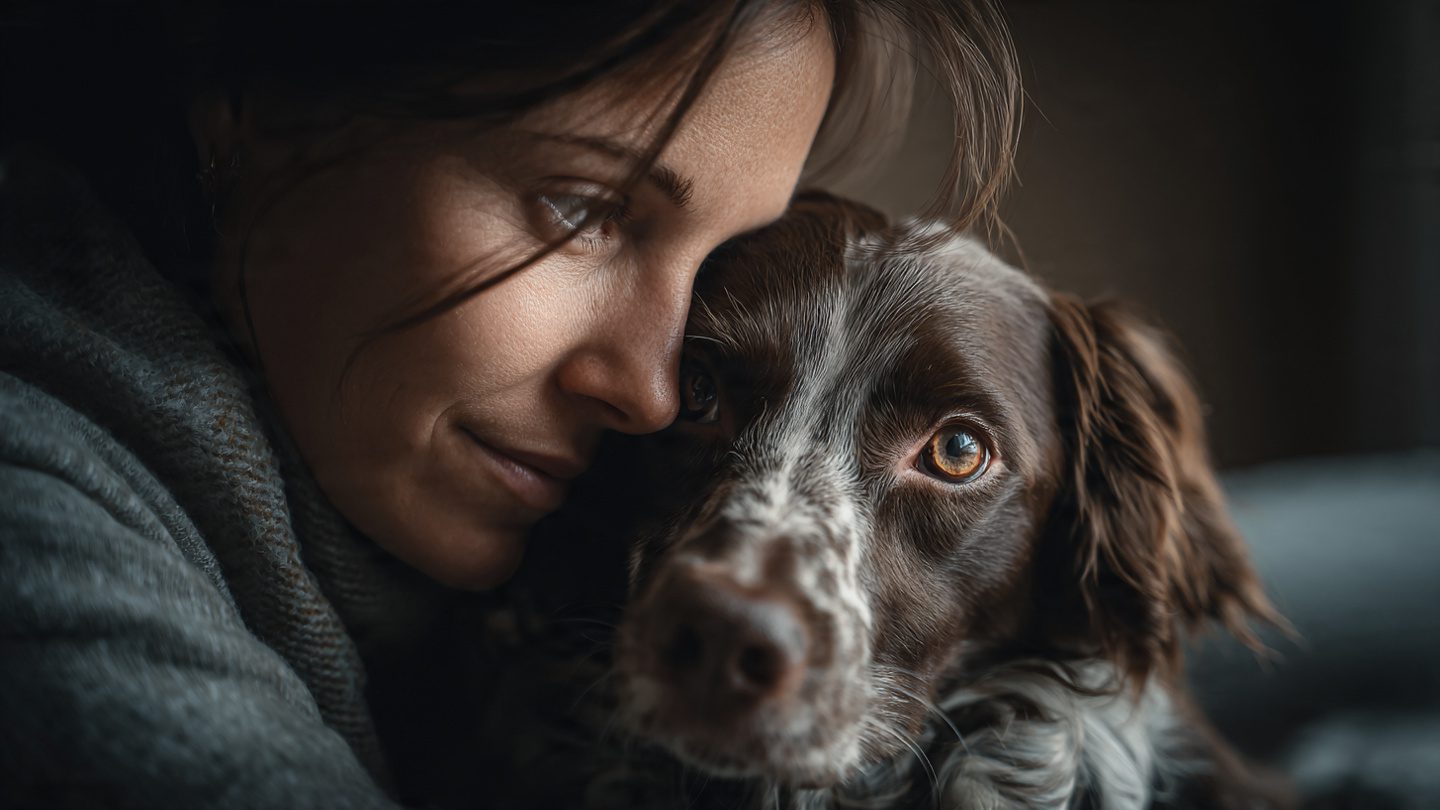
To help a dog afraid of thunderstorms, create a safe environment, reduce sensory exposure, use desensitization training, and reinforce calm behavior while avoiding reinforcement of fear responses.
You are not forcing your dog to “face their fear.” Instead, you are retraining their nervous system to associate storms with safety, calmness, and predictability.
Why Storm Fear
Understanding why your dog is afraid of thunderstorms is essential for solving the problem permanently. Fear responses originate in the brain’s survival system, not conscious decision-making. Your dog’s nervous system reacts automatically to perceived threats, triggering physiological panic responses designed for survival. This reaction involves hormones, neural circuits, and sensory processing systems that operate faster than conscious thought. Your dog is not choosing to be afraid. Their brain is activating ancient survival mechanisms designed to protect them from danger. Once you understand this process, your training approach becomes logical, effective, and compassionate.
Sensory Overload
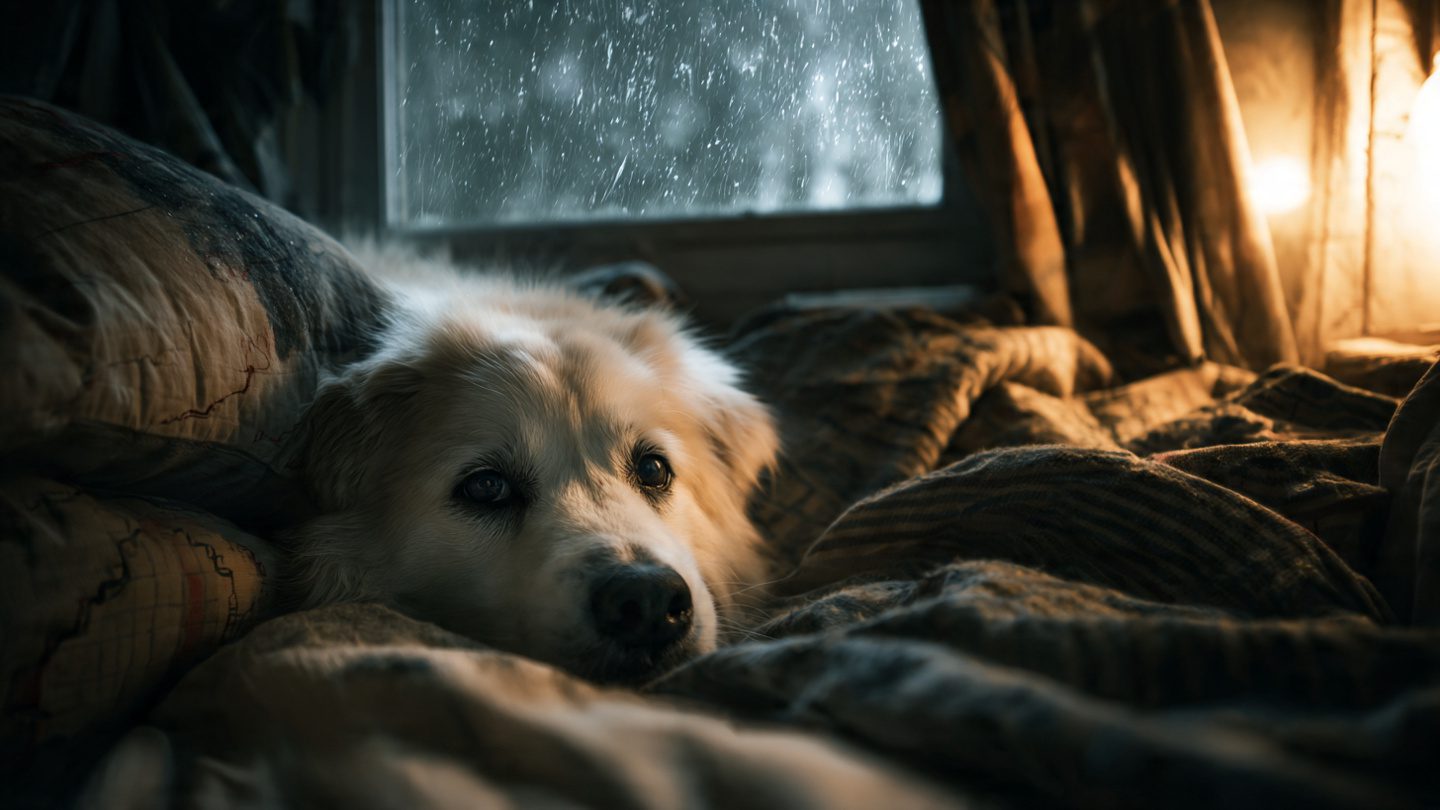
Dogs experience thunderstorms much more intensely than humans because their sensory systems are significantly more sensitive. Their hearing can detect frequencies up to four times higher than human hearing, making thunder sound louder, sharper, and more unpredictable. Lightning flashes also create sudden visual stimulation that activates your dog’s threat detection systems. Additionally, dogs can sense barometric pressure changes before storms even begin. This creates anticipatory anxiety where fear starts before thunder is audible.
Scientific behavioral studies referenced by organizations such as the American Veterinary Medical Association show that dogs often display anxiety signs long before storms arrive. This confirms that fear is triggered by environmental changes, not just sound. The unpredictability of storms makes them especially frightening because the brain cannot predict when the next thunder will occur. Unpredictable threats produce stronger fear responses than predictable ones. Your dog’s nervous system interprets this unpredictability as danger.
Lack of Control
One of the strongest psychological triggers of fear is lack of control. When dogs cannot escape or influence a threatening stimulus, their anxiety intensifies significantly. Thunderstorms trap dogs in environments they cannot escape, creating feelings of helplessness. This activates the brain’s panic circuitry, especially the amygdala, which controls fear responses. The brain prioritizes survival, even if the threat is not physically harmful.
Behavioral neuroscience research pioneered by scientists such as Joseph LeDoux demonstrates that fear circuits operate independently from logical reasoning. This means your dog cannot simply “learn” that storms are safe through logic alone. Their nervous system must be retrained through controlled emotional experiences. Fear is an emotional memory stored in neural pathways. These pathways can be modified, but only through structured behavioral conditioning.
Genetic Sensitivity
Some dogs are genetically more prone to anxiety due to inherited nervous system sensitivity. Certain breeds, especially herding and working breeds, have more reactive nervous systems designed for environmental awareness. This sensitivity makes them excellent working dogs but also increases anxiety vulnerability. Genetic predisposition does not mean the problem cannot be solved. It simply means training may require more consistency and patience.
Environmental experiences also shape fear development. A traumatic storm experience during puppyhood can permanently influence emotional responses. Early life experiences shape neural pathways that determine emotional reactions. Proper training can reshape these pathways over time.
Signs of Fear
Recognizing thunderstorm anxiety symptoms allows early intervention before panic escalates. Fear exists on a spectrum from mild discomfort to full panic. Early detection allows prevention of escalation into severe anxiety disorders. Many owners miss early warning signs and only react when panic is extreme. Understanding subtle signs allows proactive intervention.
Physical Signs
Physical symptoms indicate nervous system activation and stress hormone release. These symptoms may include trembling, panting, pacing, drooling, and muscle tension. Your dog’s body prepares for survival even when no physical threat exists. Stress hormones such as cortisol increase heart rate and breathing rate. This physiological activation prepares the body for escape.
Your dog may also display pupil dilation and hypervigilance. Their brain constantly scans the environment for danger. These responses are automatic and uncontrollable.
Behavioral Signs
Behavioral symptoms reveal emotional distress and panic responses. These behaviors may include hiding, whining, barking, destructive chewing, and escape attempts. Dogs may attempt to hide in bathrooms, closets, or under furniture. These locations provide psychological security.
Some dogs attempt to escape homes entirely, risking injury or loss. Escape behavior is driven by survival instinct. Preventing escape is critical for safety.
What NOT to Do
Many well-intentioned owners accidentally worsen thunderstorm fear through incorrect responses. Avoiding these mistakes accelerates progress and prevents reinforcement of anxiety. Understanding incorrect approaches is as important as understanding correct ones.
Do Not Punish
Punishment increases fear and damages trust. Your dog cannot control fear responses voluntarily. Punishing fear creates additional anxiety layers. This worsens the problem long-term.
Punishment also weakens your dog’s trust in you as a safety provider. Your presence must represent safety, not threat.
Do Not Force Exposure
Forced exposure overwhelms the nervous system and strengthens fear memory. Flooding your dog with uncontrolled exposure can cause permanent trauma. Exposure must be gradual and controlled.
Controlled desensitization retrains the brain safely. Forced exposure damages training progress.
Safe Environment
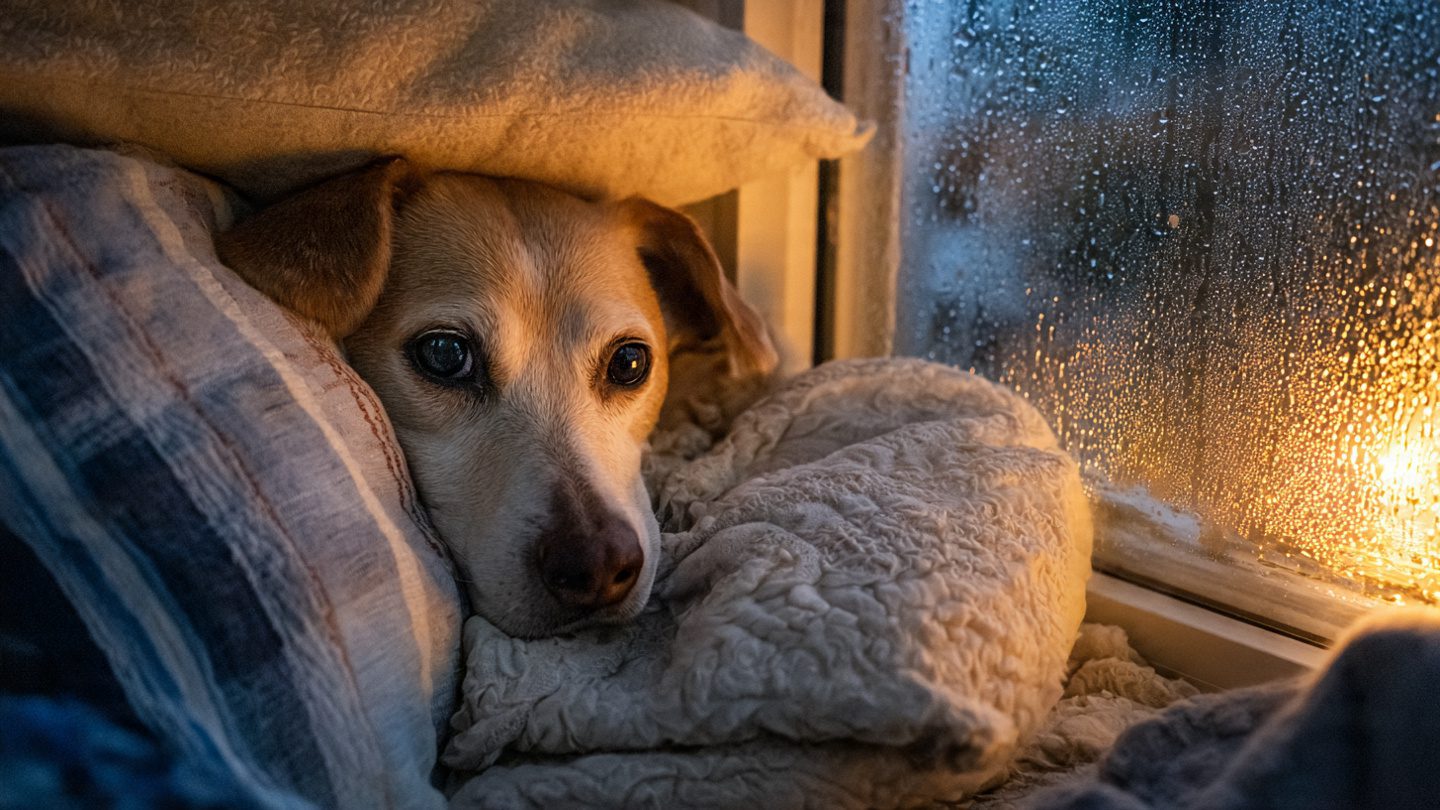
Creating a safe space is the most powerful immediate intervention for storm anxiety. Safety reduces nervous system activation and provides emotional security. Dogs naturally seek enclosed, protected environments when afraid. Providing this environment proactively reduces panic intensity.
Create Safe Zone
Choose a quiet, interior room away from windows. Bathrooms, closets, and basements work well. These locations reduce sound and visual exposure. Add comfortable bedding and familiar objects.
Familiar scents provide emotional stability. Your dog associates familiar smells with safety.
This safe zone becomes your dog’s emotional refuge during storms.
Reduce Sensory Input
Reducing sensory exposure directly reduces fear intensity. Close windows, curtains, and blinds. Play white noise or calming music to mask thunder sounds. This reduces unpredictability and emotional triggers.
Sound masking prevents fear escalation. Controlled environments create emotional stability.
Behavioral Training
Behavioral training creates permanent emotional change rather than temporary coping. This involves changing neural associations linked to storms. Training modifies emotional responses at neurological level.
Desensitization Method
Desensitization involves exposing your dog to storm sounds at extremely low volume. This prevents fear activation while allowing emotional learning. Gradually increase volume over weeks or months.
This retrains emotional associations safely. Slow progress creates permanent results.
Counterconditioning
Counterconditioning pairs storm sounds with positive experiences such as treats or play. This replaces fear associations with positive emotional responses. The brain forms new neural connections.
Positive associations weaken fear circuits over time.
Emergency Techniques
Immediate techniques help during active storms.
Stay Calm
Your emotional state influences your dog directly. Calm behavior signals safety. Dogs mirror emotional states.
Confidence reduces panic escalation.
Provide Comfort
Comfort is beneficial when done calmly. Calm petting and presence provide emotional support.
Your presence represents safety and stability.
Summary
Thunderstorm fear is a neurological survival response, not behavioral disobedience. Dogs experience storms more intensely due to sensory sensitivity and lack of control. Creating safe environments, using desensitization, and reinforcing calm behavior permanently reduces fear. Avoid punishment and forced exposure. Emotional safety and structured training reshape neural pathways. With consistency, your dog can overcome storm anxiety completely.
How to Stop Your Dog from Jumping on People (Complete Expert Guide)
What to Do If Your Dog Has Diarrhea: Complete Expert Guide to Fast, Safe Recovery
How to Stop Excessive Shedding in Dogs: Complete Expert Guide to Reducing Hair Loss Safely and Permanently
FAQ Section
Why is my dog suddenly afraid of thunderstorms?
Fear can develop due to traumatic experiences, aging-related sensitivity, or neurological changes. Even a single intense storm can create lasting fear memory.
Can thunderstorm anxiety be cured permanently?
Yes, through desensitization and counterconditioning. Neural pathways can be retrained over time.
Should I comfort my dog during storms?
Yes, calm comfort provides emotional safety. Avoid reinforcing panic behavior.
Do anxiety vests help?
Yes, pressure vests calm the nervous system through gentle compression.
How long does training take?
Most dogs improve within weeks to months depending on severity.
Call to Action
Start helping your dog today by creating a safe space and implementing gradual desensitization training. Your dog depends on you for emotional safety. With consistency and patience, your dog can feel calm and secure even during storms.






