
How to Properly Bathe a Dog Without Stress and Pressure – The Secret to a Calm, Happy Bath Time
 Befrey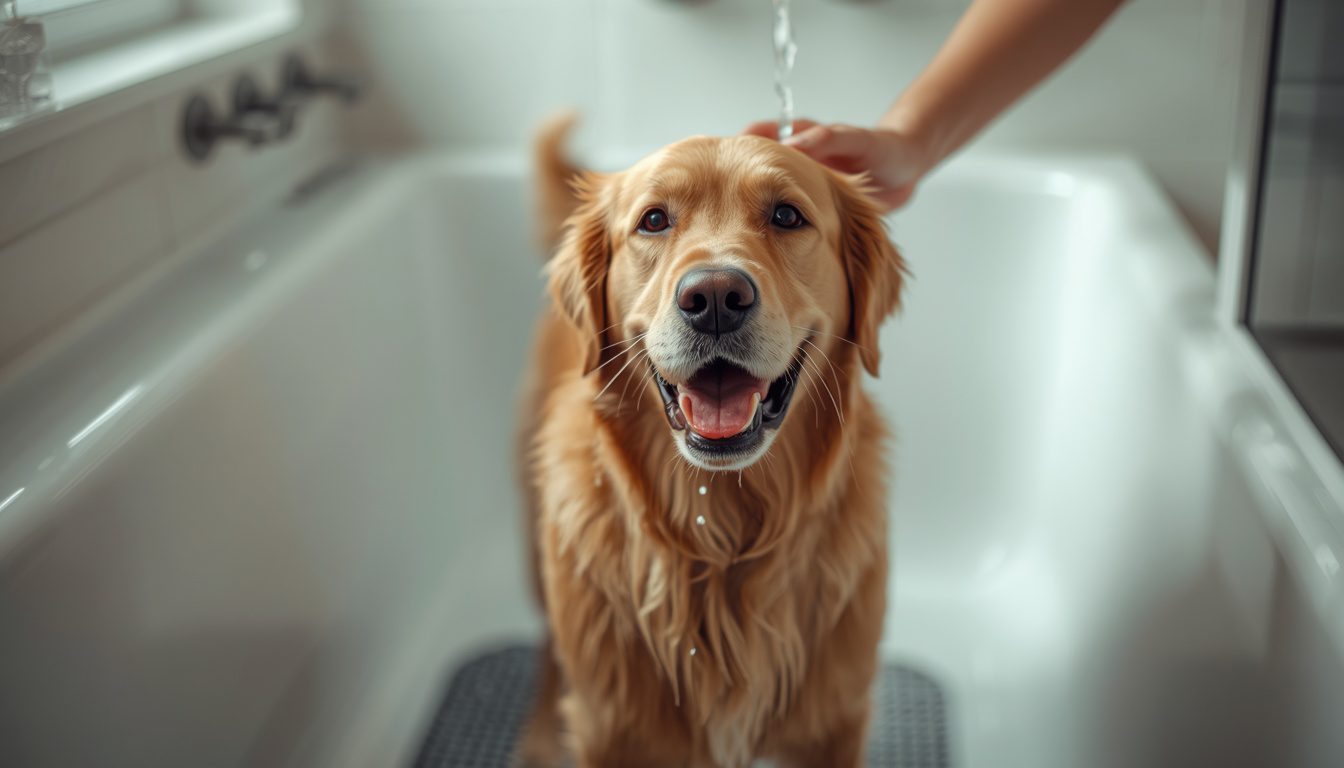
If you have ever wondered how to properly bathe a dog without stress and pressure, you are not alone. Many dog owners struggle with dog bath routines because their pets become anxious, resistant, or frightened. Learning how to properly wash a dog calmly, how to give a dog a relaxing bath, and how to properly bathe a dog without stress and pressure can transform bath time from a battle into a positive experience. The key is understanding your dog’s emotions, creating a comfortable environment, and using proven techniques that reduce fear and build trust. Whether you own a puppy, an adult dog, or a senior companion, the right approach can make every bath easier, safer, and more enjoyable.
Why Dogs Often Fear Bath Time
Many owners assume that dogs simply dislike water. In reality, the problem is often much deeper. Dogs are creatures of habit, and unfamiliar experiences can create anxiety. A slippery bathtub, loud running water, strange smells from shampoos, and forced handling can make bath time feel threatening.
Negative experiences from previous baths can also create long-lasting fear. A dog that once slipped in a tub may remember that event for years. Similarly, water accidentally entering the ears or eyes can create discomfort that makes future baths stressful.
Understanding the root cause of your dog’s fear is the first step toward creating positive associations. When you focus on patience rather than force, your dog begins to view bath time as a safe and predictable routine instead of a frightening event.
The emotional state of the owner matters too. Dogs are excellent at reading human emotions. If you are frustrated, rushed, or nervous, your dog often mirrors those feelings. Calm energy from the owner frequently leads to a calmer dog.
Building trust before bath day is one of the most effective ways to reduce stress. Consistent positive interactions teach your dog that you are a source of comfort rather than pressure.
The goal is not merely to get your dog clean. The goal is to create a positive experience that strengthens your relationship.
Preparing a Dog for Bath Time
One of the most overlooked steps is preparing a dog for bath time properly. Good preparation can eliminate most bath-related problems before they start.
Begin by allowing your dog to investigate the bathing area. Let them sniff the bathtub, shower, or outdoor bathing station without forcing them inside. Reward calm behavior with praise and treats.
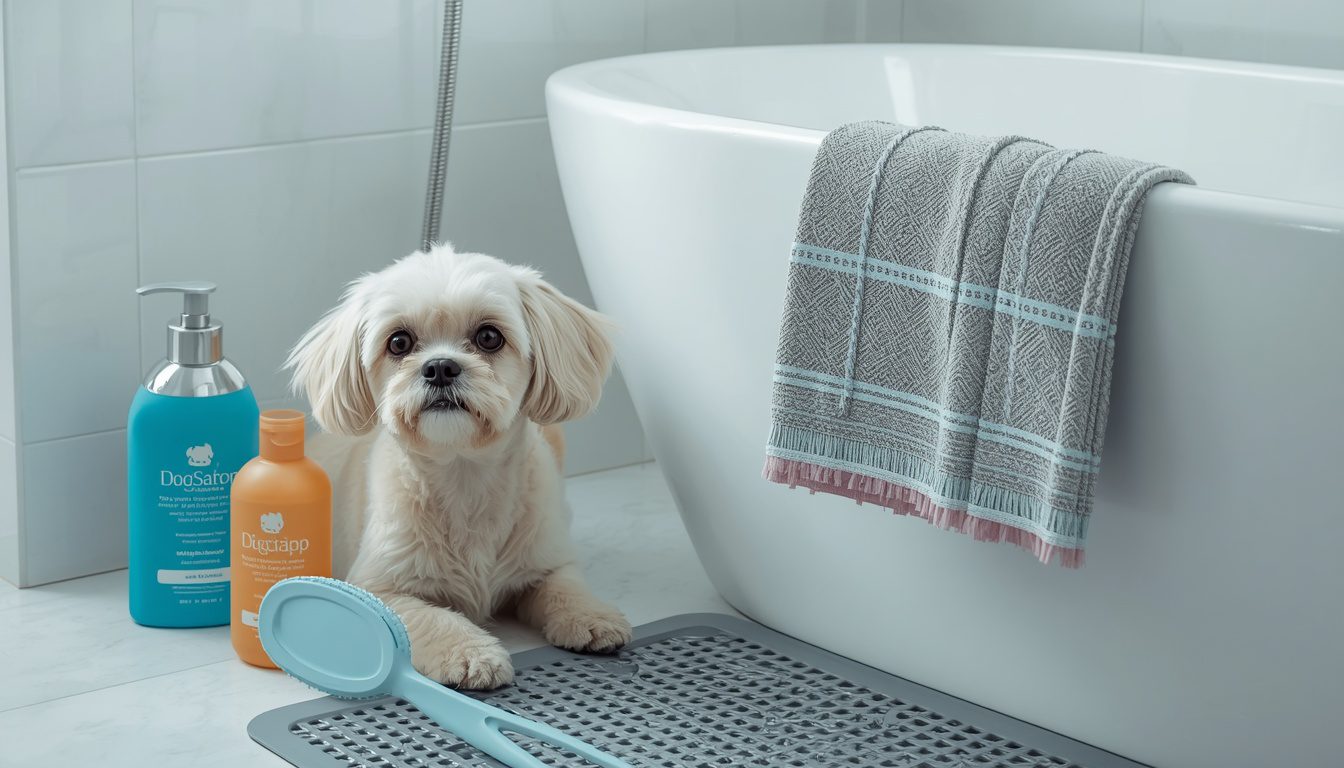
Gather all supplies before bringing your dog to the bathing area. This includes shampoo, towels, brushes, treats, and any grooming tools you plan to use. Leaving a wet dog unattended while searching for supplies increases stress.
Exercise your dog before bath time. A long walk or play session helps release excess energy and promotes relaxation. A tired dog is often much easier to handle during bathing.
Create a comfortable environment. Place a non-slip mat in the tub to improve stability and confidence. Many dogs become fearful because they cannot maintain their footing on smooth surfaces.
Introduce water gradually. Allow your dog to hear and see running water before it touches them. Sudden exposure can trigger anxiety.
Use rewards throughout the preparation process. Small treats and praise help create positive emotional connections with the bathing experience.
The more predictable bath time becomes, the more comfortable your dog will feel.
Dog Bathing Tips for Beginners
For new dog owners, understanding effective dog bathing tips for beginners can prevent many common mistakes.
Start by choosing a shampoo specifically formulated for dogs. Human shampoos can disrupt the natural balance of a dog’s skin and lead to irritation.
Always brush your dog before bathing. Removing loose fur and tangles beforehand makes washing more effective and prevents mats from becoming worse when wet.
Check water temperature carefully. Lukewarm water is usually ideal. Water that feels comfortable on your wrist is often suitable for your dog.
Begin wetting the body slowly. Start near the shoulders and work toward the back. Avoid spraying directly at the face.
Use small amounts of shampoo and work it into a gentle lather. Thorough coverage is important, but excessive shampoo can be difficult to rinse completely.
Rinse carefully and completely. Leftover shampoo residue can cause itching, skin irritation, and discomfort after the bath.
Keep the session positive from start to finish. Frequent praise and calm communication help maintain trust.
Remember that speed should never come at the expense of comfort. A calm bath is far more beneficial than a rushed one.
The Best Way to Bathe a Nervous Dog
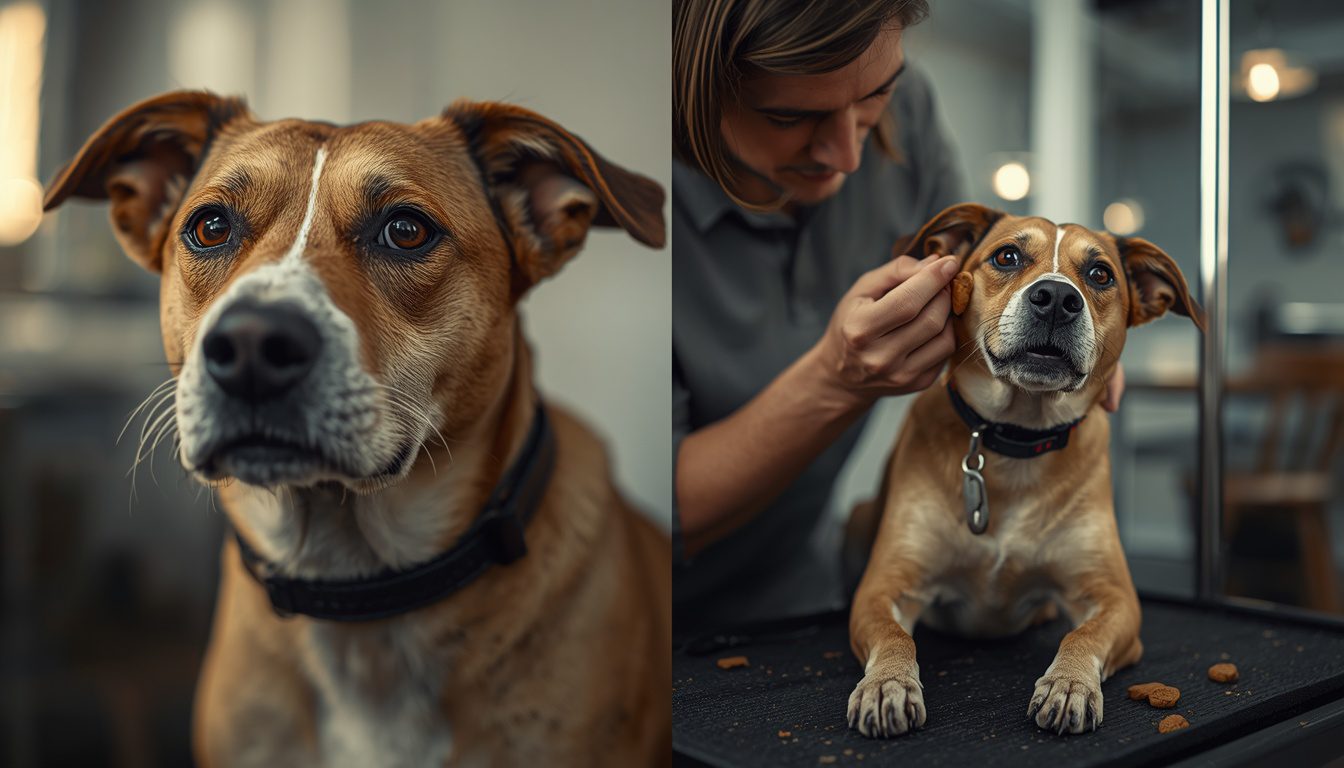
Finding the best way to bathe a nervous dog requires patience and understanding rather than force.
Start by identifying your dog’s specific triggers. Some dogs fear water. Others fear confinement. Some dislike handling around the head or paws. Understanding these triggers allows you to create a personalized approach.
Break the process into smaller steps. One day, simply reward your dog for entering the bathroom. Another day, reward them for standing in the tub without water. Gradual exposure builds confidence.
Use high-value treats that your dog rarely receives elsewhere. These rewards create powerful positive associations.
Speak softly and move slowly. Quick movements can increase anxiety and create resistance.
If your dog becomes highly stressed, pause the process rather than pushing forward. Forcing a frightened dog often makes future baths more difficult.
Consider using a handheld shower attachment with gentle water pressure. Strong streams of water can feel overwhelming to nervous dogs.
Some dogs respond well to licking mats coated with peanut butter or dog-safe treats. This provides distraction and creates positive experiences during bathing.
The most successful strategy is often gradual desensitization combined with consistent rewards and patience.
Choosing the Right Shampoo and Equipment
The products you choose can significantly impact your dog’s comfort during bath time.
Different coat types require different shampoos. Dogs with sensitive skin often benefit from hypoallergenic formulas. Dogs with dry skin may need moisturizing ingredients.
Avoid heavily scented products whenever possible. Strong fragrances can be overwhelming for dogs due to their highly sensitive sense of smell.
Quality towels absorb moisture more effectively and reduce drying time. Having multiple towels ready can make the process smoother.
Non-slip mats improve safety and confidence. This simple addition often reduces anxiety dramatically.
Consider a grooming brush designed specifically for your dog’s coat type. Proper brushing before and after bathing supports coat health and comfort.
Handheld sprayers provide greater control and allow you to direct water gently where needed.
Investing in suitable equipment creates a safer and more pleasant experience for both owner and dog.
How Often Should You Bathe Your Dog
A common question among dog owners is how often should you bathe your dog.
The answer depends on several factors. Breed, coat type, activity level, health conditions, and lifestyle all influence bathing frequency.
Dogs with oily coats may require more frequent baths than dogs with naturally dry skin. Similarly, dogs that spend significant time outdoors may need cleaning more often.
Overbathing can remove natural oils that protect the skin and coat. This can lead to dryness, irritation, and increased sensitivity.
Most healthy dogs do not require weekly baths. For many breeds, bathing every four to eight weeks is sufficient.
Medical conditions may require special bathing schedules prescribed by a veterinarian. Medicated shampoos often follow specific treatment protocols.
Pay attention to your dog’s coat condition, odor level, and skin health rather than relying solely on a fixed schedule.
Finding the right balance helps maintain cleanliness while preserving natural skin protection.
Stress-Free Dog Grooming at Home
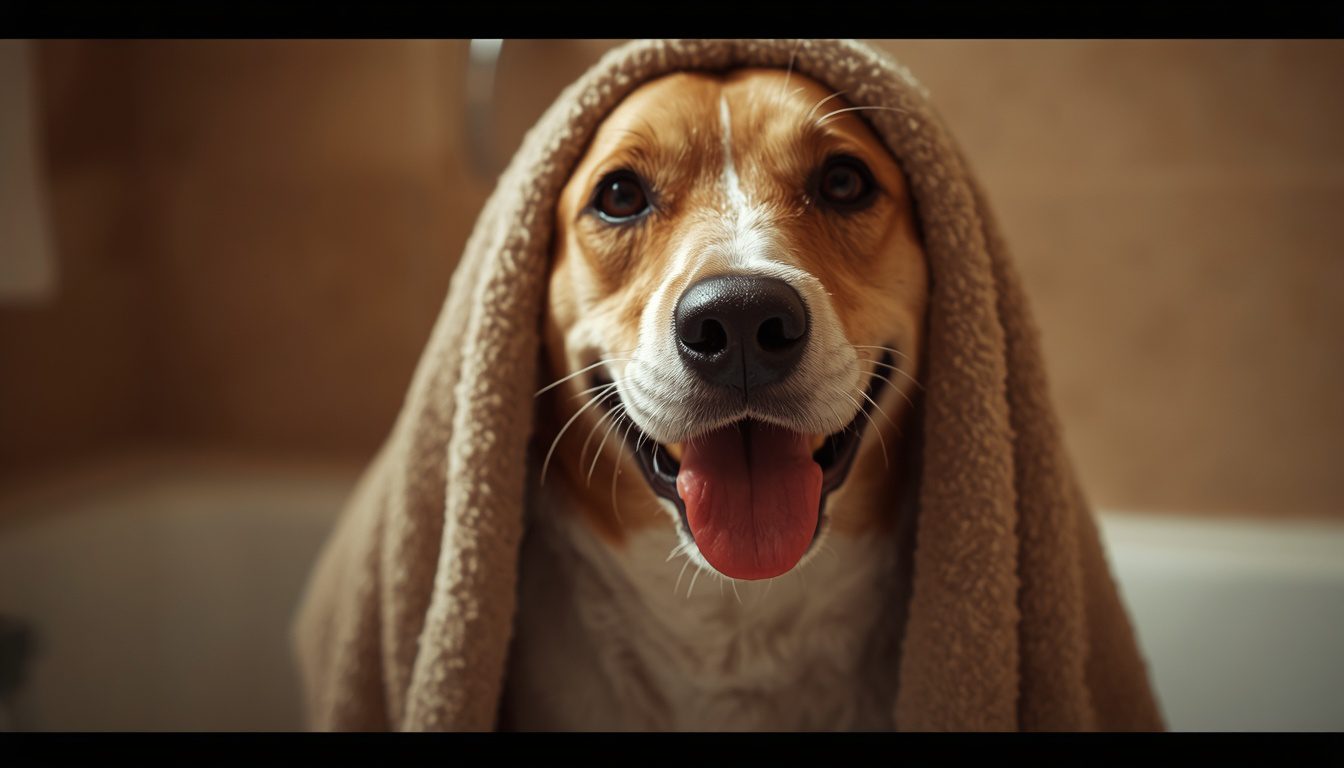
Achieving stress-free dog grooming at home extends beyond bathing alone.
Establish a grooming routine that includes brushing, nail care, ear cleaning, and coat maintenance. Consistency helps dogs feel secure.
Keep sessions short initially. Gradually increase duration as your dog’s comfort improves.
Use positive reinforcement throughout every grooming activity. Rewards build confidence and cooperation.
Pay attention to body language. Signs such as lip licking, yawning, trembling, or avoiding eye contact may indicate stress.
Create a dedicated grooming space that remains calm and predictable. Familiar surroundings often reduce anxiety.
Regular grooming reduces the need for extensive maintenance sessions that can become overwhelming.
When grooming becomes part of normal life rather than an occasional event, dogs often become significantly more cooperative.
Common Dog Bathing Mistakes to Avoid
Understanding common dog bathing mistakes to avoid can dramatically improve bath time success.
One major mistake is rushing the process. Fast movements and impatience often increase fear and resistance.
Another common error is using water that is too hot or too cold. Temperature discomfort can create negative associations.
Failing to rinse shampoo thoroughly can lead to skin irritation and itching.
Many owners accidentally spray water directly into a dog’s face, eyes, or ears. This can be frightening and uncomfortable.
Using punishment when a dog resists is another serious mistake. Punishment damages trust and increases future anxiety.
Skipping preparation steps often creates unnecessary challenges. Proper planning contributes significantly to success.
Ignoring signs of stress can also worsen the experience. Recognizing discomfort early allows you to adjust your approach and maintain a positive environment.
Drying Your Dog the Right Way
The bathing process is not complete once the water is turned off.
Begin by gently squeezing excess water from the coat. Avoid rough rubbing that may tangle fur or cause discomfort.
Use absorbent towels to remove as much moisture as possible. Patting is often more comfortable than vigorous rubbing.
Some dogs tolerate blow dryers well, while others find them frightening. Introduce dryers gradually if you choose to use one.
Use low heat settings to prevent skin irritation. Excessive heat can cause discomfort and damage.
Pay special attention to areas where moisture tends to remain trapped, such as under the legs, around the ears, and beneath thick coats.
Complete drying helps prevent skin issues and improves overall comfort.
A calm drying routine reinforces positive feelings about the entire bathing experience.
Building Long-Term Positive Bath Associations
Long-term success depends on consistency.
Reward calm behavior every time your dog interacts positively with bath-related activities.
Practice entering the bathroom or tub even when no bath is planned. This prevents the location from becoming associated exclusively with washing.
Keep experiences predictable. Dogs thrive when they know what to expect.
Celebrate small improvements. A dog that stands calmly for thirty seconds today may stand calmly for ten minutes in the future.
Focus on trust rather than perfection. Progress often happens gradually.
Over time, many dogs learn that bath time is not something to fear. Some even begin to enjoy the attention, treats, and one-on-one interaction.
The relationship you build during these moments can be just as valuable as the cleanliness you achieve.
Silent Warning: Why Does a Dog Refuse to Eat and What to Do About It?
Loose Leash Mastery: How to Stop Your Dog from Pulling on a Leash Fast
What to Do When Your Dog Growls at a Visitor
Summary
Learning how to properly bathe a dog without stress and pressure requires preparation, patience, positive reinforcement, and consistency. By understanding your dog’s fears, preparing the environment carefully, using appropriate products, avoiding common mistakes, and creating positive associations, bath time can become a calm and enjoyable routine. Every dog is different, but trust, patience, and gentle handling remain the foundation of successful bathing experiences.
FAQ
1. What is the ideal water temperature for bathing a dog?
Lukewarm water is generally the safest and most comfortable choice.
2. Can I use human shampoo on my dog?
No. Human shampoo can disrupt a dog’s skin balance and cause irritation.
3. How long should a dog bath take?
Most baths should last between 10 and 20 minutes, depending on coat type and comfort level.
4. What should I do if my dog is terrified of baths?
Use gradual desensitization, positive reinforcement, and break the process into smaller steps.
5. Is it okay to bathe a dog every week?
For most dogs, weekly bathing is unnecessary and may dry out the skin unless recommended by a veterinarian.
CTA
Does your dog dislike bath time? Start implementing these gentle techniques today and watch how quickly confidence and trust improve. Share your experiences, favorite bathing tips, and success stories with other dog owners to help create happier and healthier bath routines for dogs everywhere.






