
Why am I gaining weight even though I eat healthily? The Complete Scientific Explanation and Solution
 Befrey
If you are asking yourself, Why am I gaining weight even though I eat healthily?, you are facing one of the most confusing and frustrating situations in modern nutrition. Many people switch to healthy foods, improve their diet quality, and still experience weight gain. This creates doubt, frustration, and loss of motivation. You may feel like your body is working against you. However, the truth is that weight gain can still occur even when eating healthy foods. Understanding Why am I gaining weight even though I eat healthily? requires looking deeper into calorie balance, hormones, metabolism, portion sizes, lifestyle, and hidden factors. Healthy food improves health, but it does not automatically guarantee fat loss. This article explains the real causes and gives practical, proven solutions for beginners and professionals.
Healthy food reality
Healthy food improves your health, but healthy food still contains calories. Calories determine weight gain or weight loss. Even nutritious foods can cause weight gain if consumed in excess amounts. This is one of the most misunderstood facts in nutrition.
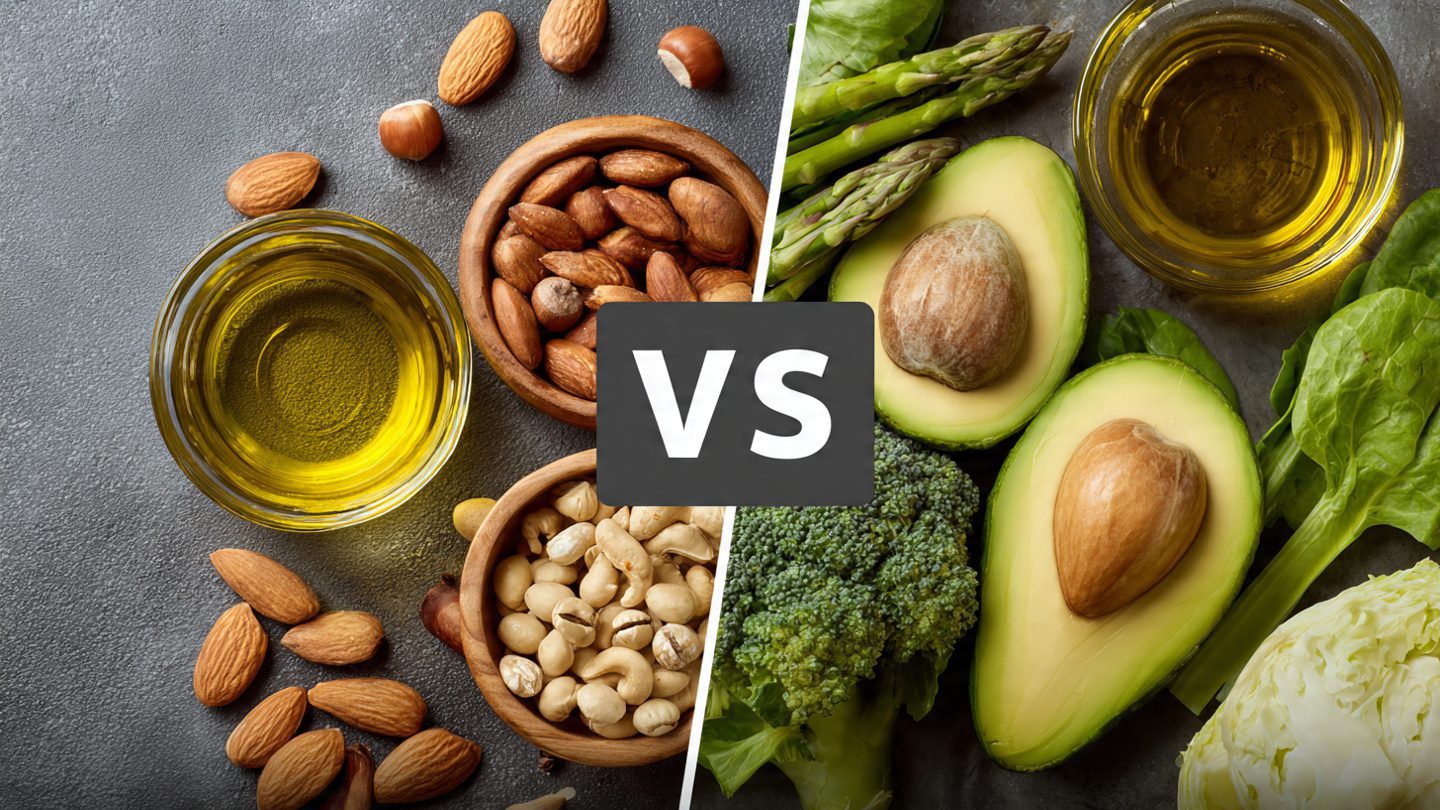
Many people believe healthy food has unlimited consumption allowance. This is not true. Nuts, avocados, whole grains, and healthy oils are nutritious but calorie dense. Eating large portions can create a calorie surplus.
Weight gain always comes from energy imbalance. If you consume more energy than your body burns, the excess energy is stored as fat. This happens regardless of food quality.
Healthy eating improves hormone balance, metabolism, and health. However, calorie balance still determines fat gain or fat loss.
Understanding this principle is the first step to solving Why am I gaining weight even though I eat healthily?

Portion size problem
Portion size is one of the most common causes of unexpected weight gain. Healthy food portions can easily exceed calorie needs. Many people underestimate portion sizes.
Large portions increase total calorie intake. Even small daily calorie surpluses cause gradual weight gain over time. This process is slow but consistent.
Healthy foods like nuts contain high calories in small volumes. One handful can contain hundreds of calories. Eating multiple portions increases calorie intake significantly.
People often eat more healthy foods because they believe they are safe. This psychological effect increases calorie intake unconsciously.
Controlling portion sizes helps prevent weight gain while maintaining healthy eating.
Hidden calorie sources
Hidden calories exist even in healthy diets. These calories are often overlooked. They accumulate over time and cause weight gain.
Healthy fats excess
Healthy fats are essential for health. However, fats contain the highest calorie density. Olive oil, avocado, nuts, and seeds contain many calories.
Even small amounts add significant calories. Cooking oils are especially easy to overuse. Many people use more oil than they realize.
Excess fat intake creates calorie surplus quickly. This contributes to weight gain even with healthy foods.
Controlling fat intake is essential when solving Why am I gaining weight even though I eat healthily?
Healthy snacks overload
Healthy snacks like smoothies, protein bars, nuts, and yogurt contain calories. Frequent snacking increases total daily calorie intake.
Smoothies are especially problematic. Liquid calories do not create strong fullness signals. This increases total intake.
Even healthy snacks must be controlled.
Hormonal factors
Hormones regulate fat storage, hunger, and metabolism. Hormonal imbalance can cause weight gain even with healthy eating.
Insulin sensitivity
Insulin controls blood sugar and fat storage. Frequent eating increases insulin levels. High insulin promotes fat storage.
Even healthy carbohydrates increase insulin. Eating too frequently may prevent fat burning.
Improving insulin sensitivity improves fat loss.
Cortisol levels
Chronic stress increases cortisol. Cortisol increases fat storage and appetite.
Stress also increases cravings. Emotional eating increases calorie intake.
Reducing stress improves hormone balance and weight control.

Metabolism adaptation
Metabolism adapts to lifestyle and diet. Slow metabolism reduces calorie burning. This increases weight gain risk.
Previous dieting slows metabolism. Extreme dieting teaches your body to conserve energy. This makes weight gain easier later.
Muscle loss also slows metabolism. Muscle burns calories even at rest. Losing muscle reduces calorie burning.
Building muscle improves metabolism. This increases calorie burning naturally.
Metabolism plays a major role in Why am I gaining weight even though I eat healthily?
Physical activity decline
Healthy eating alone is not enough. Physical activity determines calorie burning. Low activity levels reduce energy expenditure.
Modern lifestyles reduce movement. Sitting reduces calorie burning significantly.
Even small activity reductions impact weight over time.
Exercise increases calorie burning. Strength training increases metabolism.
Daily movement is essential for weight control.
Water retention confusion
Not all weight gain is fat gain. Water retention can increase body weight temporarily. This creates confusion.
Healthy foods often increase fiber intake. Fiber increases water retention temporarily.
Carbohydrates also increase water storage. This is normal and temporary.
Salt intake increases water retention.
Hormonal fluctuations also influence water balance.
Water weight changes do not represent fat gain.
Understanding this helps reduce frustration.
Muscle gain effect
Muscle gain increases body weight. This is positive and healthy. Muscle is denser than fat.
Exercise increases muscle mass. This improves metabolism.
Weight gain from muscle improves body composition.
Body weight alone does not reflect health.
Measuring body composition provides better information.
Muscle gain explains part of Why am I gaining weight even though I eat healthily?
Sleep and recovery
Sleep influences metabolism and hormones. Poor sleep increases hunger hormones.
Sleep deprivation increases appetite and calorie intake.
Poor sleep reduces calorie burning.
Improving sleep improves weight control.
Sleep is often ignored but extremely important.
Practical solutions
You can apply practical strategies immediately.
Portion control
Measure food portions.
Avoid overeating healthy foods.
Control fat intake.
Balanced nutrition
Eat protein with every meal.
Eat fiber-rich foods.
Avoid excessive snacking.
Activity increase
Increase daily movement.
Strength train regularly.
Avoid prolonged sitting.
Sleep optimization
Sleep 7–9 hours.
Maintain sleep schedule.
Reduce stress.
These steps solve Why am I gaining weight even though I eat healthily?
Long term strategy
Long term success requires consistency. Healthy eating must combine with proper portions and activity.
Lifestyle determines results.
Avoid extreme dieting.
Focus on sustainable habits.
Small improvements create long term success.
Permanent habits prevent weight gain.
How Vegetables Influence Human Health and Nutrition: Full Beginner-to-Pro Guide
The Power of Fruit: What It Really Is and How It Supports Human Health
The Impact of Food Hygiene on Human Health
Summary
Weight gain can occur even with healthy eating due to calorie surplus, large portions, hidden calories, hormone imbalance, metabolism adaptation, low activity, water retention, and muscle gain. Healthy food improves health but does not guarantee fat loss. Portion control, protein intake, strength training, sleep, and stress management provide effective solutions. Consistency is the key to long-term weight control.
FAQ
Why am I gaining weight even with healthy food?
Healthy food still contains calories. Excess calorie intake causes weight gain.
Can healthy fats cause weight gain?
Yes. Healthy fats are calorie dense.
Does metabolism affect weight gain?
Yes. Slow metabolism increases weight gain risk.
Can stress cause weight gain?
Yes. Stress increases fat storage hormones.
Does muscle increase weight?
Yes. Muscle increases body weight but improves health.
CTA
If you want to stop gaining weight and regain control, start applying these proven strategies today. Control portions, increase protein, improve sleep, and increase activity. Consistency creates permanent results.






