The Warning Signs of Belly Fat: Why Does Fat Tend to Accumulate Mainly on the Stomach?
 Befrey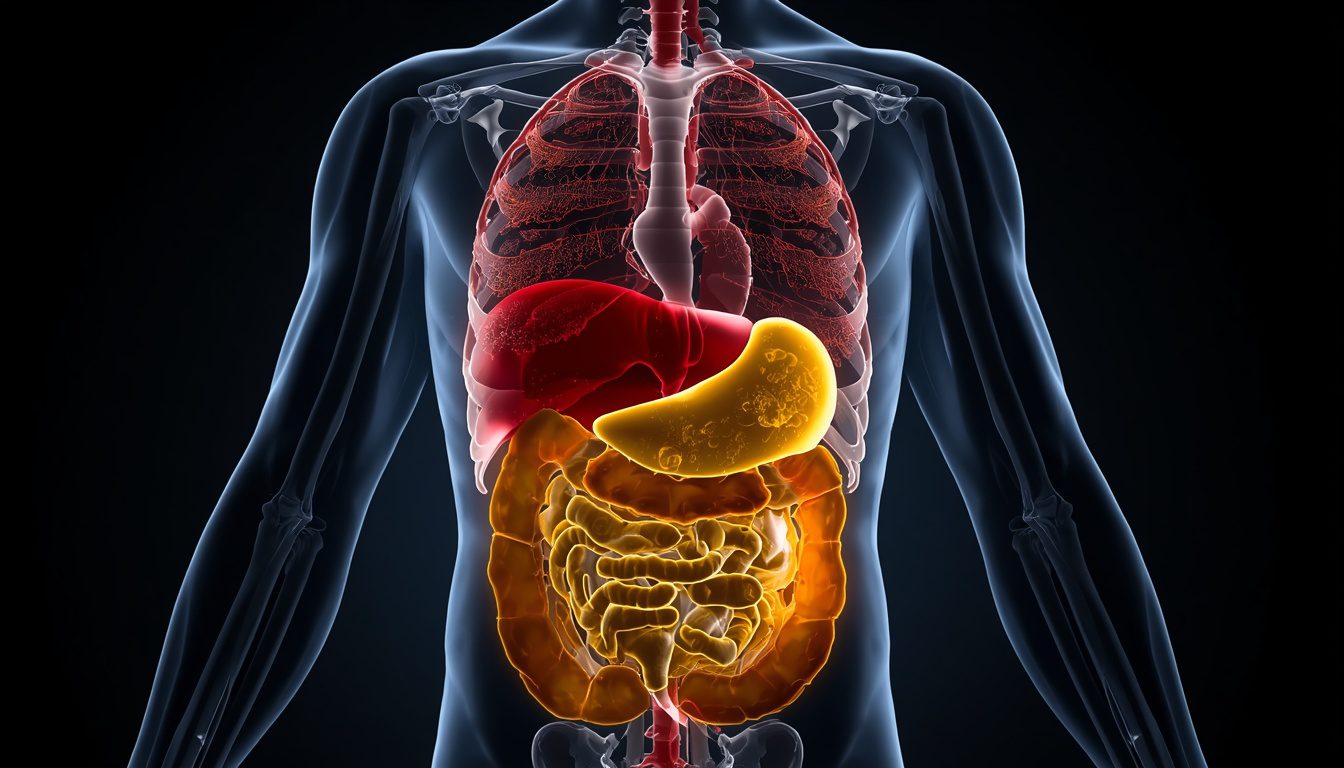
If you have ever wondered why does fat tend to accumulate mainly on the stomach, you are dealing with one of the most common and frustrating health struggles. Many people notice that even when they lose weight overall, abdominal fat seems to stick around until the very end. The main reason abdominal adiposity dominates your midsection is a complex mix of systemic hormonal triggers, elevated baseline cortisol, genetic lipid distribution, and chronic metabolic stress. When your system senses constant stress or blood sugar spikes, it prioritizes storing visceral fat right around your vital organs as a defensive mechanism. Understanding how your endocrine system directs lipogenesis to your waistline is the secret first step toward reversing belly fat accumulation for good.
Why Am I Gaining Belly Fat So Fast?
Rapid weight gain around the midsection is rarely a simple issue of eating too many total calories. When fat stores rapidly in the abdominal region, it points toward a distinct biochemical shift triggered by blood sugar spikes and elevated circulating insulin. Every time you consume refined carbohydrates or simple sugars, your pancreas releases insulin to clear glucose from your bloodstream and drive it into your cells. However, when your intake remains consistently high, your liver and muscle cells become resistant to insulin’s signals. As a result, the body pumps out even higher levels of insulin to manage blood sugar, creating a chronic hyperinsulinemic state. High insulin acts as a master lock on your fat cells, completely shutting down lipolysis, which is the process of breaking down stored fat for energy. Furthermore, the deep visceral tissue residing inside your abdominal cavity contains a much higher concentration of insulin receptors compared to subcutaneous fat found on your arms or legs. This structural difference makes your midsection the primary target for storing excess glucose as triglycerides. As insulin resistance deepens over time, your body continually shunts available circulating nutrients directly into intra-abdominal adipocytes, causing your waistline to expand rapidly even if your overall food volume has not dramatically changed.
How Cortisol and Stress Cause Visceral Fat
Chronic psychological and physical stress acts as a direct driver for deep intra-abdominal fat accumulation through the action of the primary stress hormone, cortisol. When your brain perceives ongoing anxiety, sleep deprivation, or overwork, the hypothalamic-pituitary-adrenal axis signals your adrenal glands to secrete continuous streams of cortisol into the bloodstream. In short-term situations, cortisol serves an evolutionary purpose by liberating quick glucose to help you fight or flee from danger. However, in modern life, stress remains prolonged and sedentary, meaning that released glucose is never burned off by intense physical action. Cortisol responds to this unspent energy by actively redistributing fat from systemic peripheral stores to the central abdominal cavity. Abdominal visceral fat possesses up to four times more glucocorticoid receptors than subcutaneous fat, making it exceptionally sensitive to circulating stress hormones. Additionally, cortisol works synergistically with insulin to upregulate an enzyme called lipoprotein lipase, which actively strips fatty acids from the bloodstream and packs them tightly into visceral adipocytes. This systemic hormonal loop keeps your body stuck in a state where stress directly fuels central adiposity while simultaneously increasing appetite for hyper-palatable foods.
Visceral Fat vs Subcutaneous Fat Differences
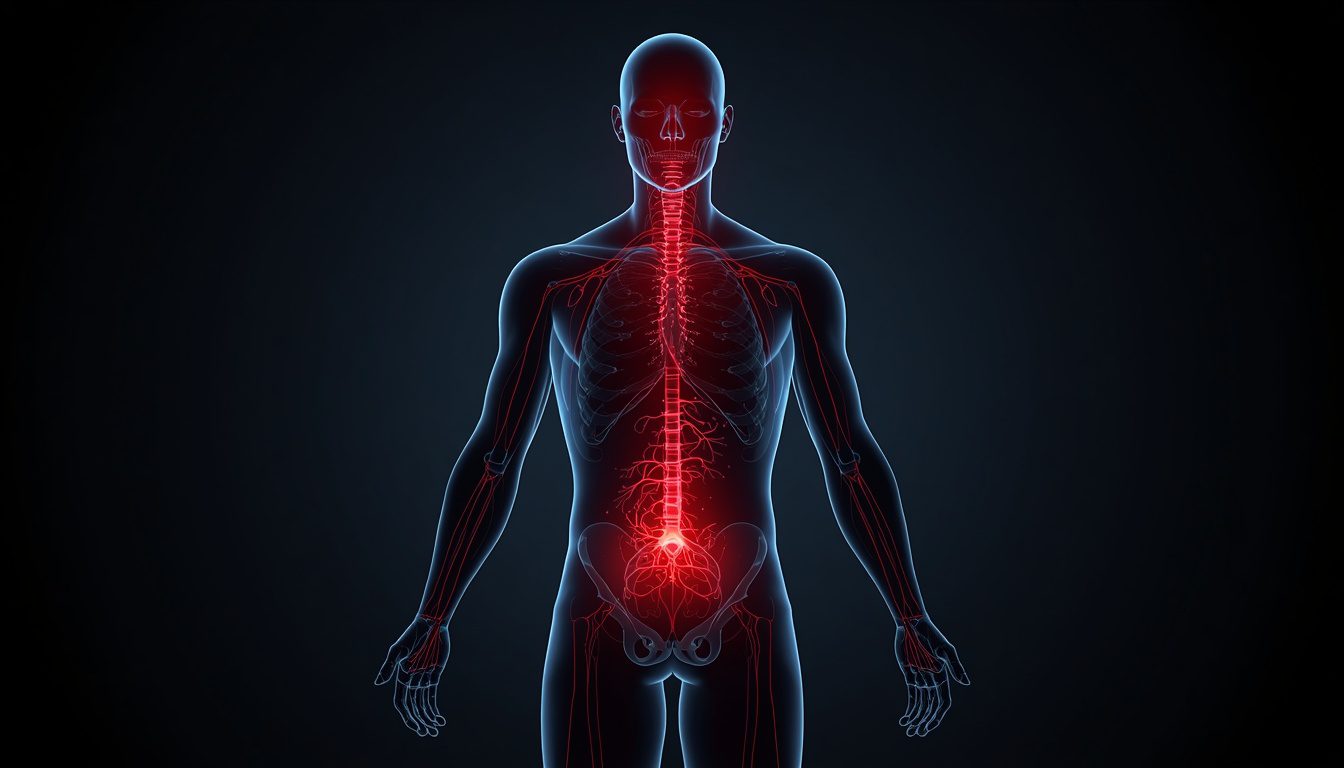
Understanding the structural and metabolic distinctions between the two main types of abdominal fat is critical for evaluating health risks and targeted fat loss strategies. Subcutaneous fat sits directly beneath the skin layer and can be physically pinched between your fingers, serving as an insulating layer and standard energy reserve. In contrast, visceral fat lies deep beneath the abdominal wall muscle, wrapping tightly around essential internal organs such as the liver, kidneys, and intestines. While subcutaneous fat is largely metabolically inert and poses fewer immediate health hazards, visceral fat functions as an active, disease-promoting endocrine organ. Visceral adipocytes constantly secrete pro-inflammatory cytokines, including interleukin-6 and tumor necrosis factor-alpha, directly into the portal vein system leading straight to your liver. This continuous inflammatory flood impairs liver function, drives hepatic steatosis, and accelerates systemic insulin resistance throughout the entire body. Furthermore, visceral fat cells exhibit high rates of lipolysis in response to catecholamines, meaning they readily spill toxic free fatty acids into circulation, raising triglyceride levels and damaging arterial walls. The stark physiological difference between these two storage types explains why a firm, protruding belly poses significantly greater metabolic dangers than soft, surface-level fat accumulation.
Hormonal Imbalance and Belly Fat Gain
Hormones serve as the primary chemical messengers that dictate where your body stores incoming energy reserves, making hormonal imbalances a central cause of abdominal fat retention. As men and women age, sex hormone production naturally drops, altering the balance between estrogen, progesterone, and testosterone. In women approaching perimenopause and menopause, declining estrogen levels shift the default metabolic fat storage pattern away from the hips and thighs toward the central abdomen. Estrogen naturally supports subcutaneous fat storage in lower body regions; when its protective influence fades, female fat distribution begins to mirror typical male visceral storage patterns. For men, age-related drops in bioavailable testosterone lead to a loss of lean muscle mass, which lowers baseline metabolic rate and allows visceral fat to deposit more readily around internal organs. Beyond sex hormones, thyroid dysfunction plays a prominent role by slowing cellular respiration, reducing body heat generation, and hindering fat breakdown mechanisms. When your thyroid hormones T3 and T4 fall below optimal levels, your overall energy expenditure drops, causing excess dietary fuel to collect in abdominal stores. Restoring optimal hormonal harmony is therefore essential for breaking the body’s compulsion to retain visceral weight.
Estrogen Drop and Menopause Belly Storage
The transitional period of menopause brings fundamental hormonal shifts that directly alter how female physiology manages and stores adipose tissue. During a woman’s reproductive years, higher circulating levels of estradiol promote fat accumulation around the gluteal and femoral regions, creating a classic pear-shaped figure designed to support pregnancy and lactation. However, as ovarian function declines during menopause, estradiol levels plummet while relative androgen levels remain slightly higher, triggering an immediate shift toward central fat storage. This drop in estrogen alters the expression of alpha and beta-adrenergic receptors on fat cells, making lower-body fat stores much harder to mobilize while enhancing fat deposition inside the abdominal cavity. Furthermore, decreased estrogen levels directly impair mitochondrial function within skeletal muscle cells, reducing fat oxidation capacity both at rest and during exercise. The loss of estrogen also negatively impacts sleep quality and increases nocturnal cortisol spikes, further reinforcing the biochemical signals that favor visceral storage. Consequently, post-menopausal women frequently experience an increase in waist circumference even if their total body weight, diet, and daily step counts remain completely constant throughout the transition.
How to Get Rid of Stubborn Belly Fat
Eliminating deep visceral and abdominal fat requires a comprehensive strategy that targets systemic hormonal signals rather than relying solely on sit-ups or extreme caloric restriction. The foundation of effective abdominal fat loss involves lowering baseline insulin levels through a diet rich in whole foods, quality proteins, healthy fats, and fiber while reducing refined carbohydrates. Sustained lower insulin levels allow your body to access stored visceral triglycerides and burn them efficiently for cellular fuel throughout the day. Integrating high-intensity interval training alongside progressive resistance exercises stimulates natural growth hormone and testosterone release, which accelerates fat breakdown while preserving lean muscle tissue. Prioritizing sleep hygiene by securing seven to eight hours of quality sleep per night is equally crucial, as sleep deprivation elevates evening cortisol levels and drives intense craving cycles. Managing daily stress through active relaxation techniques, mindfulness, and proper work-rest balance helps normalize your stress response axis, cutting off the hormone signals that drive visceral fat storage. By systematically addressing nutrition, movement, stress, and sleep, you create a biochemical environment where your body naturally sheds stubborn belly fat permanently.
How to Lose Weight Without the Yo-Yo Effect: The Fix Nobody Told You About
How to lose weight after 30/40/50 years of age: The Complete Science-Based Guide to Regain Control of Your Body
Summary
The primary driver behind stomach fat accumulation is a combination of elevated insulin resistance, chronic stress-induced cortisol secretion, and age-related hormonal shifts. Visceral fat sitting deep inside the abdominal cavity poses severe health risks compared to subcutaneous surface fat because it acts as an active endocrine organ that releases systemic inflammatory markers. Reversing this storage pattern requires targeted lifestyle changes: lowering insulin levels through whole-food nutrition, optimizing sleep to reduce cortisol, building lean muscle mass, and maintaining consistent movement routines to optimize overall metabolic health.
FAQ
Is it possible to target fat loss specifically on my stomach using targeted exercises?
No, spot reduction of fat is a biological myth. Doing abdominal exercises like sit-ups strengthens the underlying core muscle wall, but it does not directly burn the visceral or subcutaneous fat layers covering those muscles. Fat loss occurs systemically across your whole body when you maintain a consistent metabolic deficit and keep insulin levels low.
Why does stress make me gain weight specifically around my waistline?
Stress causes your adrenal glands to release cortisol, which actively mobilizes fat stores from other areas of the body and redeposits them into your abdominal region. Deep visceral fat has a very high density of cortisol receptors, making your stomach the primary biochemical target for stress-related fat storage.
How do I know if my abdominal fat is visceral or subcutaneous?
Subcutaneous fat rests right under the skin and feels soft, squishy, and easy to pinch with your fingers. Visceral fat sits beneath your abdominal muscles around your organs; it typically makes the belly feel firm, hard, and pushed outward, creating a protruding shape that cannot be easily pinched.
Does drinking alcohol contribute directly to stomach fat gain?
Yes, alcohol consumption strongly promotes central adiposity. When you consume alcohol, your liver prioritizes metabolizing toxins over processing fats and sugars, effectively halting lipolysis. Additionally, alcohol intake impairs judgment, alters appetite hormones, and spikes cortisol, earning the term “beer belly” through direct metabolic pathways.
How quickly can I expect to lose visceral stomach fat compared to subcutaneous fat?
Visceral fat is actually more metabolically active than subcutaneous fat and responds faster to lifestyle changes. When you lower insulin levels through proper nutrition, engage in resistance training, and improve your sleep, your body will typically begin mobilizing and burning deep visceral fat before subcutaneous fat drops significantly.
CTA
If you are ready to take control of your metabolic health, stop guessing and start measuring. Schedule a comprehensive health assessment or consult with a qualified medical professional today to check your baseline insulin, cortisol, and hormone levels. Take the first actionable step toward a leaner midsection and a healthier life right now!