
 Befrey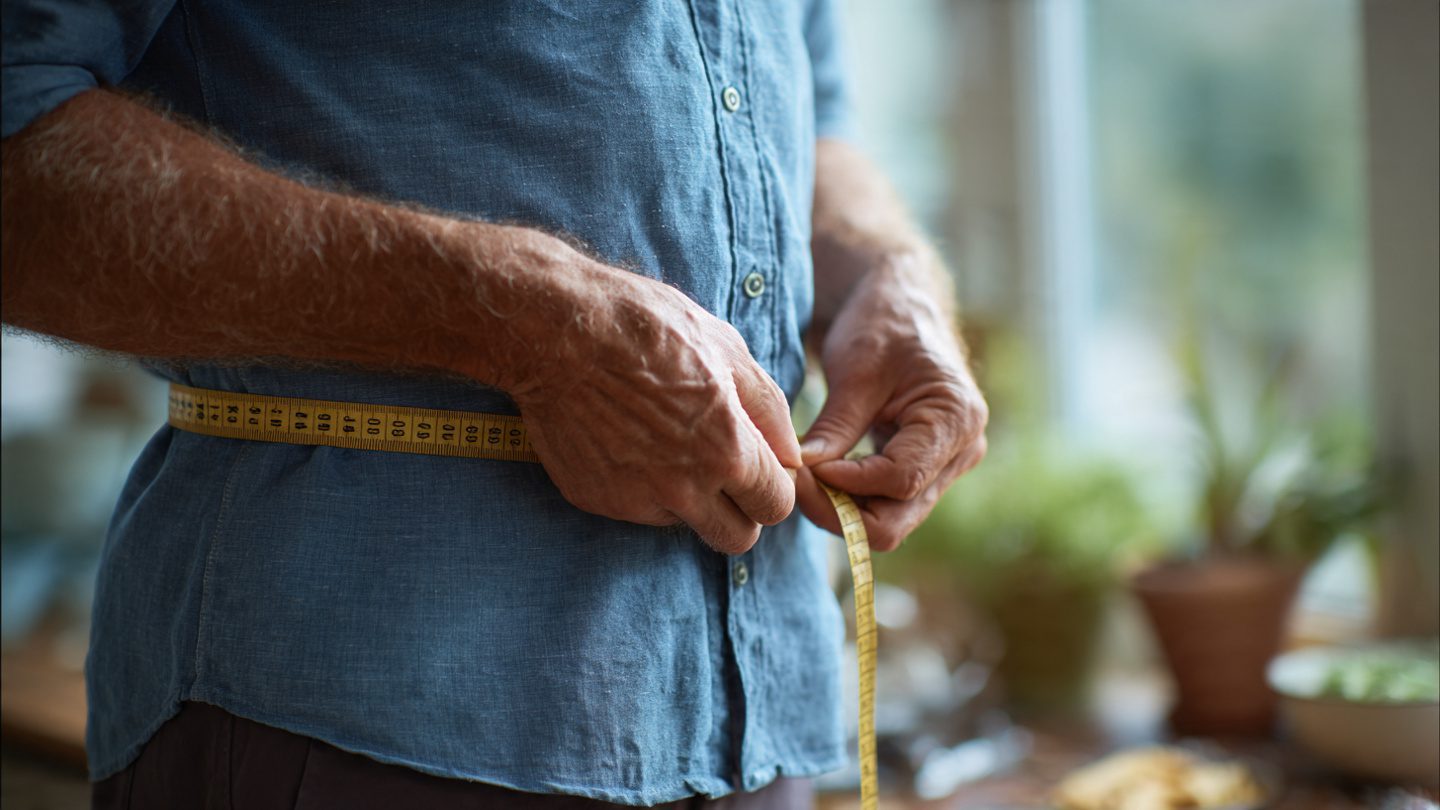
Many people start asking How to lose weight after 30/40/50 years of age because they notice their body changing. Weight gain becomes easier. Fat loss becomes slower. The same diet and exercise that worked before may stop working. This happens due to metabolism changes, hormone shifts, muscle loss, stress, and lifestyle factors. However, weight loss after 30, 40, or 50 is absolutely possible. You simply need the correct strategy. Understanding How to lose weight after 30/40/50 years of age requires adjusting nutrition, training, recovery, and hormone balance. This guide explains the science clearly and provides step-by-step solutions that work for beginners and professionals. When applied consistently, these strategies help you burn fat, protect muscle, and regain full control over your body.
Age metabolism changes
Metabolism is the process by which your body converts food into energy. After age 30, metabolism gradually slows down. This does not happen suddenly, but small changes accumulate over time. These changes reduce daily calorie burning.
Muscle loss is one of the biggest reasons metabolism slows. Muscle burns calories even at rest. Losing muscle reduces your resting metabolic rate. This makes fat gain easier.
Hormonal changes also affect metabolism. Testosterone decreases in men. Estrogen changes in women. These changes affect fat storage and muscle preservation.
Lifestyle also changes with age. Many people become less physically active. This reduces calorie burning even further.
Understanding metabolism is essential when learning How to lose weight after 30/40/50 years of age.
Muscle loss prevention
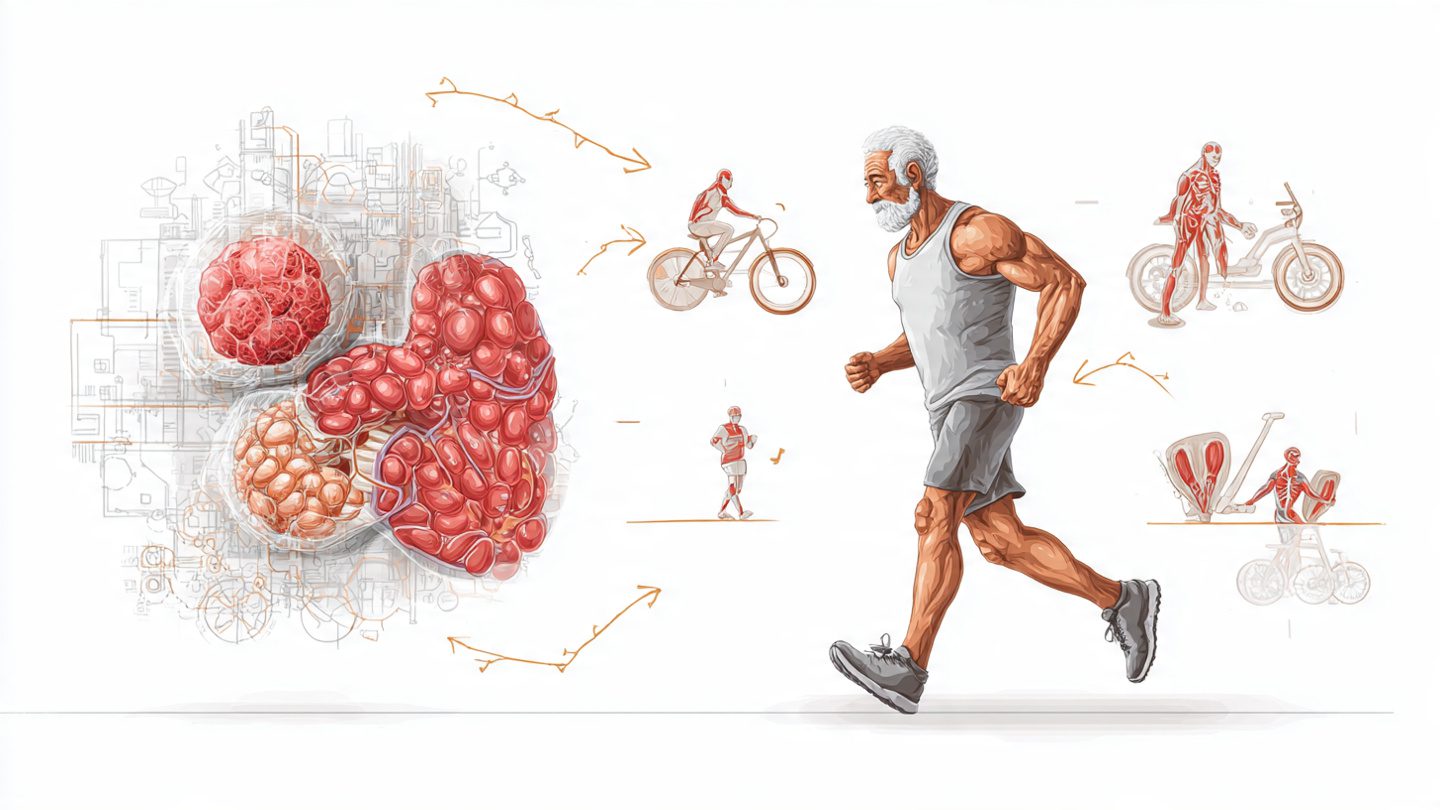
Muscle preservation is critical for weight loss after 30, 40, and 50. Muscle acts as a metabolic engine. More muscle means higher calorie burning.
After age 30, people naturally lose muscle mass if they do not train. This process is called sarcopenia. It accelerates fat gain and slows metabolism.
Strength training prevents muscle loss. It also builds new muscle. This improves fat burning capacity.
Even beginners benefit from strength training. Simple exercises like squats, push-ups, and resistance training are effective.
Protein intake also protects muscle. Without enough protein, muscle loss increases.
Muscle preservation is one of the most powerful strategies for How to lose weight after 30/40/50 years of age.
Hormone balance optimization
Hormones control fat storage, hunger, and metabolism. Hormonal changes with age affect weight control.
Insulin sensitivity
Insulin regulates blood sugar. Poor insulin sensitivity increases fat storage. Aging reduces insulin sensitivity.
Improving insulin sensitivity improves fat burning. This can be achieved through exercise, balanced nutrition, and reduced sugar intake.
Stable blood sugar improves energy levels and fat loss.
Cortisol management
Cortisol is the stress hormone. Chronic stress increases cortisol. High cortisol increases abdominal fat storage.
Stress also increases appetite. Emotional eating becomes more common.
Managing stress improves hormone balance and weight control.
Hormone balance plays a major role in How to lose weight after 30/40/50 years of age.
Nutrition strategy adjustment
Nutrition must change with age. Your calorie needs decrease slightly. Eating the same amount as before may cause weight gain.
Focus on nutrient-dense foods. These foods provide nutrition without excess calories.
Protein is especially important. It preserves muscle and increases metabolism.
Fiber improves fullness. It reduces calorie intake naturally.
Avoid processed foods. They increase calorie intake and reduce satiety.
Proper nutrition accelerates fat loss safely.
Calorie awareness importance
Calorie balance still determines weight loss. Even healthy foods contain calories. Excess calories cause fat gain.
Portion control becomes more important with age. Appetite signals may change.
Tracking food intake improves awareness. This prevents overeating.
Small calorie deficits produce sustainable fat loss.
Extreme dieting slows metabolism and increases muscle loss.
Calorie awareness is essential when learning How to lose weight after 30/40/50 years of age.
Strength training necessity
Strength training becomes more important with age. It prevents muscle loss. It increases metabolism.
Train 2–4 times per week. Focus on full body exercises.
Strength training improves hormone balance. It improves insulin sensitivity.
It also improves bone density. This reduces injury risk.
Strength training improves body composition significantly.
It is one of the most effective tools for long-term weight control.
Cardio optimization strategy
Cardio increases calorie burning. It improves heart health. It accelerates fat loss.
Walking is highly effective. It is safe and sustainable.
Moderate cardio improves fat burning without excessive stress.
High intensity cardio can also be effective when used properly.
Consistency matters more than intensity.
Cardio supports weight loss when combined with strength training.
Sleep and recovery importance
Sleep affects metabolism and hormones. Poor sleep increases hunger hormones. It reduces fat burning.
Sleep deprivation increases cravings. It reduces motivation.
Aim for 7–9 hours per night.
Recovery allows muscle growth. Muscle supports metabolism.
Improving sleep improves weight loss results significantly.
Sleep is essential for sustainable fat loss.

Stress management control
Stress increases cortisol. High cortisol increases fat storage.
Chronic stress also increases emotional eating.
Relaxation techniques improve stress control.
Meditation, breathing exercises, and relaxation improve hormone balance.
Mental health influences physical health.
Stress control accelerates weight loss.
Lifestyle consistency focus
Consistency is the most important factor. Small habits create major results over time.
Avoid extreme diets. Extreme diets cause rebound weight gain.
Focus on sustainable habits.
Daily movement improves metabolism.
Long-term lifestyle changes produce permanent results.
Consistency solves weight problems at any age.
Practical weekly plan
Strength train 3 times per week.
Walk daily for 30 minutes.
Eat protein with every meal.
Sleep 7–9 hours nightly.
Reduce stress daily.
Maintain moderate calorie deficit.
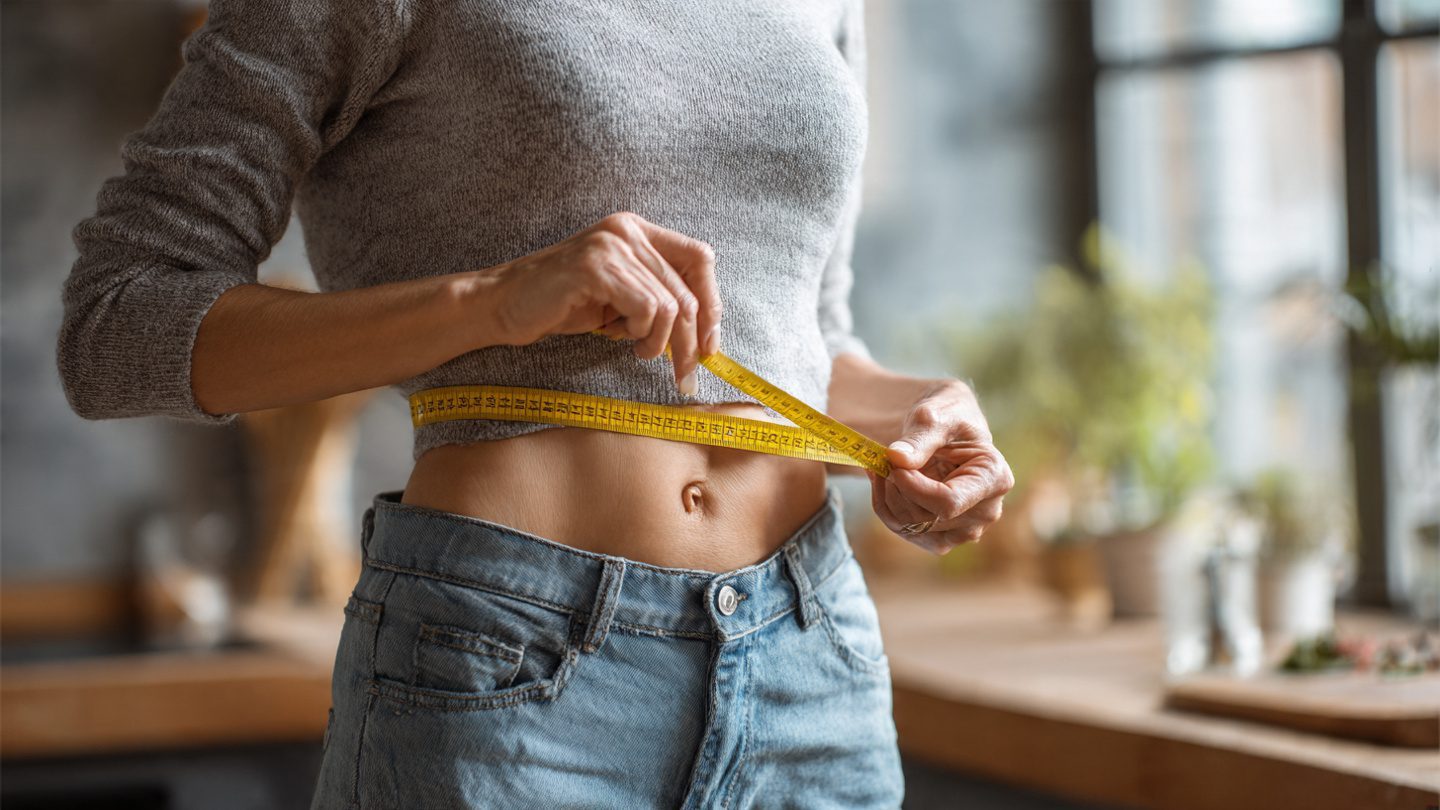
Track progress weekly. Measure waist circumference.
Consistency produces visible results.
Common mistakes avoid
Avoid extreme calorie restriction. Avoid excessive cardio.
Avoid skipping protein intake.
Avoid poor sleep habits.
Avoid relying on supplements alone.
Avoid inconsistent routines.
Avoiding mistakes improves success rate.
Long term maintenance plan
After losing weight, maintenance is critical. Gradually increase calorie intake.
Maintain strength training.
Continue healthy habits.
Monitor body composition.
Prevent rebound weight gain.
Long-term habits preserve results.
Summary
Weight loss after age 30, 40, or 50 is absolutely possible. Metabolism slows due to muscle loss, hormone changes, and lifestyle factors. Strength training, protein intake, calorie control, sleep optimization, and stress management provide effective solutions. Sustainable lifestyle changes produce permanent results. Consistency is the most important factor for success.
The Importance of Rational Nutrition: A Scientific Perspective
Edibles: Definition, Types, and Their Subcategories
Food Quality – Everything You Need to Know About Safe and Healthy Eating
FAQ
Why is it harder to lose weight after 30/40/50?
Metabolism slows, muscle mass decreases, and hormones change.
Can you still lose weight after 50?
Yes. Proper nutrition, strength training, and lifestyle changes make it possible.
What exercise is best?
Strength training combined with walking and moderate cardio.
How important is protein?
Protein preserves muscle and increases metabolism.
How long does weight loss take?
Visible results appear within 4–12 weeks with consistent effort.
CTA
If you want to master How to lose weight after 30/40/50 years of age, start applying these proven strategies today. Take control of your nutrition, training, sleep, and lifestyle. Consistency creates permanent transformation.







This is an excellent article, very clear and well-researched.
The entire site is incredibly useful and has become one of
my daily resources.