
 Befrey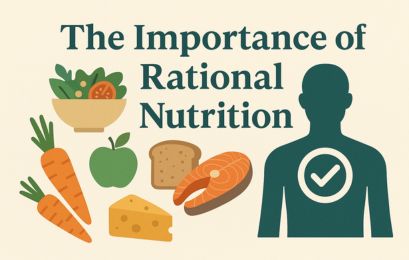
In today’s rapidly evolving world, where lifestyle-related diseases are on the rise and dietary misinformation is widespread, understanding and practicing rational nutrition is more important than ever. Rational nutrition, grounded in scientific evidence and individualized needs, is not simply about dieting or restricting calories—it is about creating a sustainable, balanced, and functional approach to eating that supports optimal health and well-being.
What Is Rational Nutrition?
Rational nutrition refers to the application of scientifically validated nutritional principles to ensure the body receives the right nutrients, in the right amounts, at the right times. It involves a thorough understanding of how different foods affect physiological processes, disease risk, mental health, and performance.
Unlike fad diets or pseudoscientific trends, rational nutrition is rooted in:
-
Evidence-based dietary guidelines
-
Biochemical individuality
-
Lifestyle, age, gender, and activity level considerations
-
Preventive healthcare approaches

Core Principles of Rational Nutrition
-
Balance and Variety
Rational nutrition promotes the consumption of a wide variety of foods across all food groups—fruits, vegetables, whole grains, lean proteins, and healthy fats. Balance is achieved not only in macronutrients but also in micronutrients, ensuring no nutrient deficiencies occur. -
Adequate Caloric Intake
Energy needs differ based on age, sex, activity level, and metabolic rate. Rational nutrition involves calculating and consuming an appropriate caloric intake to support both physical activity and metabolic functions without promoting weight gain or loss unless therapeutically necessary. -
Macronutrient Distribution
The distribution of carbohydrates, proteins, and fats must be optimized to support physiological functions. For instance:-
Carbohydrates (45–65% of total energy) provide primary energy.
-
Proteins (10–35%) support tissue repair, immune function, and hormone synthesis.
-
Fats (20–35%) are crucial for brain health, hormone production, and cellular integrity.
-
-
Micronutrient Sufficiency
Vitamins and minerals are essential for numerous enzymatic and regulatory functions. Rational nutrition emphasizes the prevention of deficiencies in key nutrients such as iron, calcium, magnesium, vitamin D, and B-complex vitamins. -
Hydration
Adequate water intake is a fundamental part of rational nutrition. Hydration influences cognitive performance, thermoregulation, digestion, and nutrient transport. -
Meal Timing and Frequency
Rational eating also considers when we eat. Spacing meals appropriately helps stabilize blood sugar, improve digestion, and prevent overeating. -
Functional Foods and Nutraceuticals
Foods that go beyond basic nutrition—like fermented foods, omega-3 rich fish, and antioxidant-rich fruits—are emphasized for their roles in reducing inflammation, supporting gut health, and enhancing immunity.

Health Benefits of Rational Nutrition
-
Chronic Disease Prevention
Rational nutrition helps reduce the risk of non-communicable diseases such as cardiovascular disease, type 2 diabetes, obesity, osteoporosis, and certain cancers. -
Improved Mental Health
A well-balanced diet influences neurotransmitter synthesis, gut microbiota, and inflammation—all of which play roles in depression, anxiety, and cognitive function. -
Optimal Physical Performance
Athletes and physically active individuals benefit from precise nutrient timing, recovery-focused nutrition, and adequate protein and electrolyte intake. -
Longevity and Quality of Life
A rational approach to nutrition promotes healthy aging, maintains mobility, and supports cognitive function, thus enhancing the quality and length of life. -
Environmental Considerations
Rational nutrition can also align with sustainable eating patterns, encouraging reduced consumption of ultra-processed foods and greater intake of plant-based meals, supporting both personal and planetary health.
Barriers to Rational Nutrition and How to Overcome Them
Despite its benefits, rational nutrition faces challenges:
-
Misinformation: Combat this by seeking guidance from certified nutritionists or registered dietitians.
-
Socioeconomic Constraints: Rational nutrition can be affordable when based on whole, seasonal, and local foods.
-
Cultural Influences: Tailor rational guidelines to respect cultural food preferences and traditions while maintaining nutritional adequacy.
-
Behavioral Habits: Implement gradual changes using behavioral strategies like mindful eating, meal planning, and food journaling.
Conclusion
Rational nutrition is not a fleeting trend—it is a foundational pillar of health promotion and disease prevention. As modern life becomes increasingly complex and fast-paced, adopting a science-based, individualized approach to eating is crucial. Whether you’re a healthcare professional, athlete, or simply someone aiming to live better, rational nutrition empowers you to make informed, sustainable dietary choices that nourish your body and mind.






