
 Befrey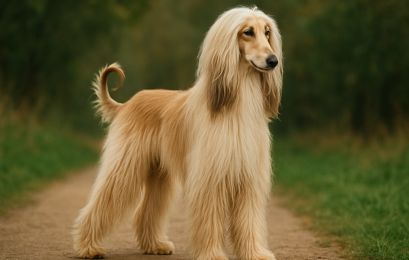
The Afghan Hound is one of the most ancient and distinguished dog breeds. With eyes that seem to gaze into the past, this dog radiates elegance, nobility, and a certain aloof dignity. Behind its graceful appearance lies a powerful, athletic body and an intelligent, independent spirit that sets it apart from other breeds.
Origins of the Afghan Hound
The Afghan Hound originates from the mountainous regions of present-day Afghanistan. DNA analysis confirms it is one of the oldest known dog breeds. Historical records, including Sumerian clay tablets, show depictions of dogs remarkably similar to modern Afghan Hounds.
Originally bred for hunting antelopes, gazelles, and even smaller predators, Afghan Hounds hunted alone, relying solely on their own instinct, agility, and speed—not human guidance. This gave rise to their independence, courage, and keen sense of orientation.
The breed was introduced to England at the end of the 19th century by British military officers returning from colonial service. One of the earliest famous Afghan Hounds was “Zardin,” imported in 1907, who became the standard for the breed then known as the Persian Greyhound. Afghan Hounds later spread to Europe and the United States, where the American Kennel Club (AKC) recognized them in 1926.
The breed gained further popularity thanks to the Barbie doll, whose Afghan Hound companion brought the dog into many homes and hearts, especially in the U.S.
Afghan Hound Temperament and Personality
The Afghan Hound is the epitome of an aristocrat—elegant, reserved, and proud. This breed typically bonds closely with one person or family and remains indifferent to strangers. Afghan Hounds are not the type to greet visitors with enthusiasm; their aloof nature may even come across as arrogance.
Though deeply loyal and affectionate with loved ones, Afghan Hounds rarely bark and are not reliable guard dogs. Their independent thinking and stubbornness make training a challenge, particularly for inexperienced owners. They don’t respond well to harsh treatment, and traditional obedience training methods often fail. Instead, gentle handling, patience, and positive reinforcement are essential.
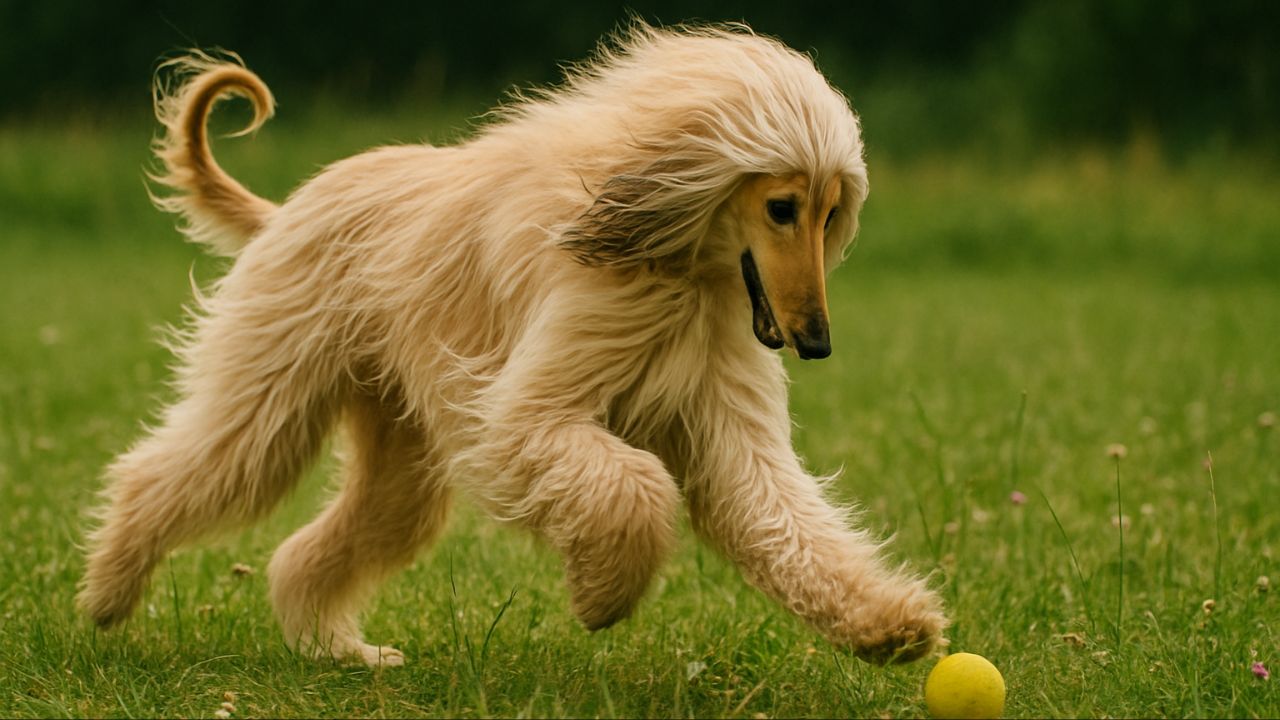
While Afghan Hounds are dignified and calm indoors, they have strong hunting instincts and boundless energy outdoors. Without proper physical activity, they can become bored or restless.
Key traits of the Afghan Hound:
-
Independent and stubborn – requires gentle, consistent training
-
Loyal to family – but aloof with strangers
-
Not food-motivated – training treats are often ineffective
-
Needs lots of exercise – daily walks or runs are essential
-
Can escape easily – requires a secure, fenced yard
-
Chases small animals – strong prey drive due to hunting ancestry
-
Prefers being indoors – bonds closely with family life
Physical Characteristics
The Afghan Hound is one of the most elegant dog breeds in the world. With a narrow, refined head, long nose, and expressive dark or amber eyes, the Afghan Hound holds itself with regal pride.
Its long, flowing, silky coat is both stunning and functional, originally protecting the breed from harsh mountain climates. Long ears are covered with smooth hair, and the tail, carried in a high loop, has minimal feathering. Afghan Hounds can come in all coat colors.
-
Height: 61–74 cm (24–29 in)
-
Weight: 20–27 kg (44–60 lbs)
-
Coat: Long, soft, silky, straight
-
Colors: All colors are acceptable
Exercise Needs and Care
Afghan Hounds require significant daily exercise. Ideally, this includes long walks or free running in a large, safely enclosed area. Without it, their mental and physical health can suffer. These dogs are expert escape artists—once free, they are difficult to catch due to their speed and independence.
Important care tips:
-
Secure fencing is essential
-
Always leash during walks – they may chase anything that moves
-
Exercise daily – a tired Afghan is a happy Afghan
Grooming and Coat Maintenance
Their stunning coat is one of the most demanding features. It requires:
-
Brushing several times a week to prevent tangles
-
Regular bathing and trimming
-
Extra care around ears and legs
-
Regular ear checks for infections
-
Teeth cleaning 2–3 times a week to prevent tartar and bad breath
Neglecting coat care can lead to matting, discomfort, and skin issues.
Health and Lifespan
In general, Afghan Hounds are healthy dogs, but some genetic issues may occur:
-
Hip dysplasia
-
Hypothyroidism
-
Juvenile cataracts
-
Various allergies
-
Cancer
-
Sensitivity to anesthesia
Another unique trait is their low pain tolerance—minor injuries may seem more serious due to their sensitivity.
Average lifespan: 12–14 years
Is the Afghan Hound Right for You?
The Afghan Hound is a special breed for special people. It is not suitable for first-time dog owners or those expecting a highly obedient pet. Instead, this breed thrives in a home with a patient, gentle, and understanding owner who respects its individuality.
Conclusion
The Afghan Hound is more than just a pretty face—it’s a proud, ancient breed with a free spirit and a heart full of loyalty. With proper care, understanding, and love, this majestic dog can become a cherished family member and a living piece of canine history.






