Befrey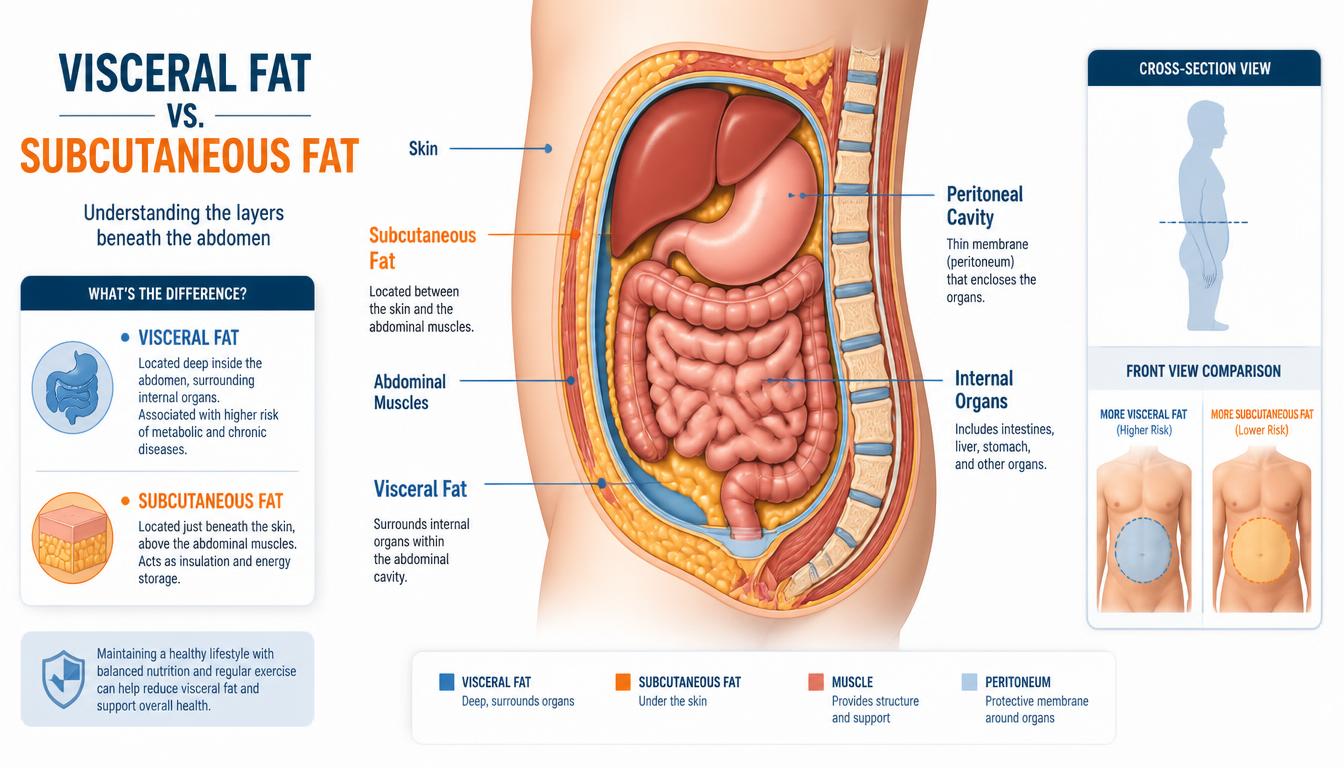
Belly fat and problem areas frustrate more people than almost any other fitness topic in the world. You diet, you sweat, you count every calorie, and still that stubborn midsection padding refuses to shrink. Millions of people spend years chasing a flatter stomach, only to watch their waistline stay exactly where it started. The truth is that abdominal fat, love handles, and other trouble spots behave differently than fat stored elsewhere on the body. Understanding why belly fat and problem areas resist change is the first real step toward finally making progress. This article breaks down the science, the myths, and the practical strategies that actually move the needle, without gimmicks or unrealistic promises.
The Hidden Causes Behind Stubborn Belly Fat
Not all body fat is created equal, and that is exactly why some areas stubbornly refuse to shrink no matter how hard you try. Genetics plays a surprisingly large role in determining where your body prefers to store extra energy, and for many people that means the abdomen becomes the default storage zone. As metabolism naturally slows with age, the body becomes less efficient at burning stored fat and more prone to holding onto it around the midsection. Years of sedentary habits, like long hours sitting at a desk, quietly encourage fat cells in the belly to expand rather than shrink. Poor sleep quality disrupts the hormones that regulate appetite and fat storage, making cravings harder to control and belly fat easier to accumulate. Chronic low-grade inflammation, often triggered by highly processed foods, can also make abdominal fat cells more resistant to breakdown than fat stored in other areas. A history of yo-yo dieting can further confuse the body’s fat-storage signals, making the midsection an even more stubborn target over time. Once you understand these hidden mechanisms, it becomes much easier to target the real problem instead of chasing quick fixes that never last.
Why Visceral Fat Health Risks Deserve Your Attention
Belly fat is not just a cosmetic concern, and this is where visceral fat health risks become impossible to ignore. Visceral fat sits deep inside the abdominal cavity, wrapping around vital organs like the liver, pancreas, and intestines. Unlike the fat just under your skin, this deep internal fat is metabolically active and constantly releases inflammatory compounds into your bloodstream. Research consistently links high visceral fat levels to a much greater risk of type 2 diabetes, heart disease, and even certain cancers. A person can look relatively slim on the outside yet still carry dangerous amounts of visceral fat internally, which is why waist circumference often matters more than the number on a scale. Doctors sometimes use waist-to-hip ratio as a quick screening tool precisely because it reflects this hidden risk far better than body weight alone. The good news is that visceral fat tends to respond faster to healthy lifestyle changes than fat stored just under the skin. Reducing visceral fat through movement, better sleep, and balanced nutrition can meaningfully lower these health risks within just a few months.
How Hormonal Belly Fat Imbalance Sabotages Your Waistline
Hormones quietly control far more of your body composition than most people realize, and a hormonal belly fat imbalance can undo even the best diet and exercise plan. Cortisol, often called the stress hormone, encourages the body to store fat specifically around the abdomen when stress levels stay elevated for long periods. Insulin resistance, which develops gradually from years of high sugar intake, teaches your body to store incoming calories as fat rather than burning them for energy. During menopause, declining estrogen levels shift fat storage patterns away from the hips and thighs and directly toward the belly. In men, naturally declining testosterone with age often correlates with increased abdominal fat and reduced muscle mass. Thyroid imbalances can also slow metabolism significantly, making weight management around the midsection noticeably harder even with consistent effort. Recognizing these hormonal patterns helps explain why belly fat and problem areas sometimes feel impossible to shift through willpower alone. Addressing hormone health, ideally with medical guidance, is often the missing piece that finally unlocks progress.

The Best Exercises to Reduce Belly Fat That Actually Work
When people search for the best exercises to reduce belly fat, they often expect a secret ab move that melts fat overnight, but the real answer is less flashy and far more effective. Full-body strength training builds lean muscle, and more muscle mass raises your resting metabolic rate so you burn more calories even while resting. High-intensity interval training, or HIIT, has been shown to burn fat efficiently while also improving cardiovascular health in a shorter amount of time than steady cardio alone. Compound movements like squats, deadlifts, and rows engage multiple muscle groups at once, creating a much bigger calorie burn than isolated crunches ever could. Core exercises such as planks and rotational movements are valuable for building strength and stability, but they should be viewed as support work rather than a fat-burning shortcut. Walking consistently, often underrated, remains one of the most sustainable and joint-friendly ways to support long-term fat loss around the midsection. Recovery days matter just as much as workout days, since overtraining can raise cortisol and slow progress. Combining these approaches a few times per week creates the kind of consistent stimulus that gradually reshapes problem areas over time.
Diet Tips for a Flatter Stomach You Can Start Today
Good diet tips for a flatter stomach focus on consistency and quality rather than short-term restriction or extreme rules. Prioritizing protein at each meal helps preserve muscle mass while also keeping hunger under control for longer stretches of the day. Fiber-rich foods like vegetables, legumes, and whole grains slow digestion and help stabilize blood sugar, which reduces the fat-storing effects of insulin spikes. Cutting back on ultra-processed foods and added sugar removes a major driver of abdominal inflammation and unwanted calorie intake. Staying properly hydrated supports digestion and can also reduce the temporary bloating that many people mistake for actual belly fat. Eating slowly and paying attention to genuine hunger cues, rather than eating on autopilot, naturally helps prevent overeating without needing rigid meal plans. None of these habits require perfection, and small, sustainable adjustments almost always outperform dramatic short-term diets in the long run.
Targeting Problem Areas Fat Loss: Arms, Thighs, and Beyond
Belly fat rarely travels alone, and targeting problem areas fat loss usually means addressing the arms, thighs, back, and hips as well. Upper arm fat often responds well to a combination of resistance training and overall body fat reduction, since spot reduction in this area is largely a myth. Inner and outer thigh fat tends to be influenced heavily by genetics and hormone levels, particularly in women, which explains why it can feel especially resistant. Back fat, often overlooked, frequently improves with posture work and upper-body strength training that tightens the surrounding muscles. Hip and love handle fat typically shrinks alongside overall body fat percentage rather than through any single targeted movement. The key insight across every problem area is that total body fat reduction, achieved through consistent training and nutrition, ultimately determines how these zones change shape over time. Patience matters here because different areas of the body often lose fat at noticeably different speeds, and comparing your timeline to someone else’s rarely helps.
Sleep, Stress, and Belly Fat: The Overlooked Connection
Sleep and stress management are two of the most underrated tools for anyone struggling with belly fat and problem areas. Just a few nights of poor sleep can raise cortisol levels and increase cravings for high-calorie, sugary foods the very next day. Chronic stress keeps cortisol elevated for extended periods, which, as covered earlier, directly encourages fat storage around the abdomen. Simple habits like a consistent bedtime, reduced screen time before bed, and a dark, cool sleeping environment can meaningfully improve sleep quality within days. Stress-reduction practices such as short walks, deep breathing, or even brief moments of quiet reflection can lower cortisol naturally over time. Many people chase complicated diet and workout changes while completely ignoring these foundational lifestyle factors that quietly control fat storage. Prioritizing rest and stress management is not a luxury; it is a core requirement for anyone serious about reducing stubborn abdominal fat.
Common Myths About Spot Reduction and Belly Fat
Few fitness myths persist as stubbornly as the idea that thousands of crunches can melt fat directly off the belly. Spot reduction, the belief that you can choose exactly where your body loses fat, has been repeatedly disproven by exercise science research. When you lose fat, your body draws energy from stored fat cells all over the body based on genetics and hormones, not based on which muscle you just trained. Another common myth claims that certain foods, like grapefruit or apple cider vinegar, can burn belly fat directly, when in reality no single food has that power. Detox teas and waist trainers are often marketed as fast solutions, but they primarily cause temporary water loss rather than any meaningful fat reduction. Understanding these myths protects both your time and your motivation, since chasing ineffective shortcuts often leads to frustration and giving up too early. The most reliable path forward has always been the less exciting combination of consistent training, balanced nutrition, and patience.

Building a Sustainable Plan for Long-Term Results
Long-term success with belly fat and problem areas comes down to building habits you can realistically maintain for years, not just weeks. Setting small, specific goals, like adding one extra strength session per week, tends to work far better than overwhelming yourself with a total lifestyle overhaul overnight. Tracking progress through measurements, photos, or how your clothes fit often provides a more accurate picture than the number on a scale alone. Allowing flexibility for social events, rest days, and imperfect weeks prevents the all-or-nothing mindset that derails so many people. Celebrating non-scale victories, such as improved energy, better sleep, or increased strength, helps sustain motivation when visible changes feel slow. Working with a doctor, registered dietitian, or certified trainer can help personalize this approach safely, especially if you have underlying health conditions. Ultimately, patience combined with consistency will always outperform intensity combined with burnout.
The Warning Signs of Belly Fat: Why Does Fat Tend to Accumulate Mainly on the Stomach?
How to Lose Weight Without the Yo-Yo Effect: The Fix Nobody Told You About
How to lose weight after 30/40/50 years of age: The Complete Science-Based Guide to Regain Control of Your Body
Summary
Belly fat and problem areas are shaped by a combination of genetics, hormones, sleep, stress, and daily habits rather than any single cause. Visceral fat carries real health risks that go far beyond appearance, making internal fat reduction just as important as looking leaner. Spot reduction is a myth, so lasting change in the belly, arms, thighs, and back comes from consistent strength training, smart cardio, and balanced nutrition. Sleep and stress management quietly influence fat storage as much as diet and exercise do. Sustainable, patient habits will always outperform extreme short-term fixes.
FAQ
1. What actually causes stubborn belly fat that won’t go away?
It’s rarely one thing. Genetics, aging metabolism, poor sleep, chronic stress, and diet quality all combine to make abdominal fat particularly resistant.
2. Is visceral fat more dangerous than fat under the skin?
Yes. Visceral fat surrounds internal organs and is linked to higher risks of heart disease, type 2 diabetes, and inflammation-related conditions.
3. Can I lose fat only in my belly through ab exercises?
No. Spot reduction isn’t supported by exercise science. Core work builds strength and stability, but fat loss happens across the whole body.
4. How do hormones affect belly fat, especially with age or menopause?
Cortisol, insulin, estrogen, and testosterone all influence where fat is stored. Shifts during menopause or aging often move fat storage toward the abdomen.
5. How long does it realistically take to see changes in problem areas?
Most people need at least 8 to 12 weeks of consistent training and nutrition before noticeable changes appear, and timelines vary by individual.
Call-to-Action
If this breakdown helped you understand what’s really going on with your belly fat and problem areas, save this article so you can revisit it, and share it with someone who’s been chasing quick fixes that never last. Follow for more evidence-based, no-nonsense fitness content every week.