
 Befrey
Fruit — also known as fresh produce, natural plant food, or edible plant products — is one of the most important components of a balanced human diet. The word fruit usually refers to the sweet or sometimes sour edible structure that forms from the flower of a plant. Because of its rich nutritional value, fruit plays a vital role in supporting energy, cellular repair, digestion, and long-term health. Whether you are a beginner learning about nutrition or a professional working in health, understanding fruit brings value to both everyday life and scientific practice. In this article, we will look deeply into what fruit is, how it develops, what nutrients it contains, and why it is so essential for human health.

Understanding Fruit Basics
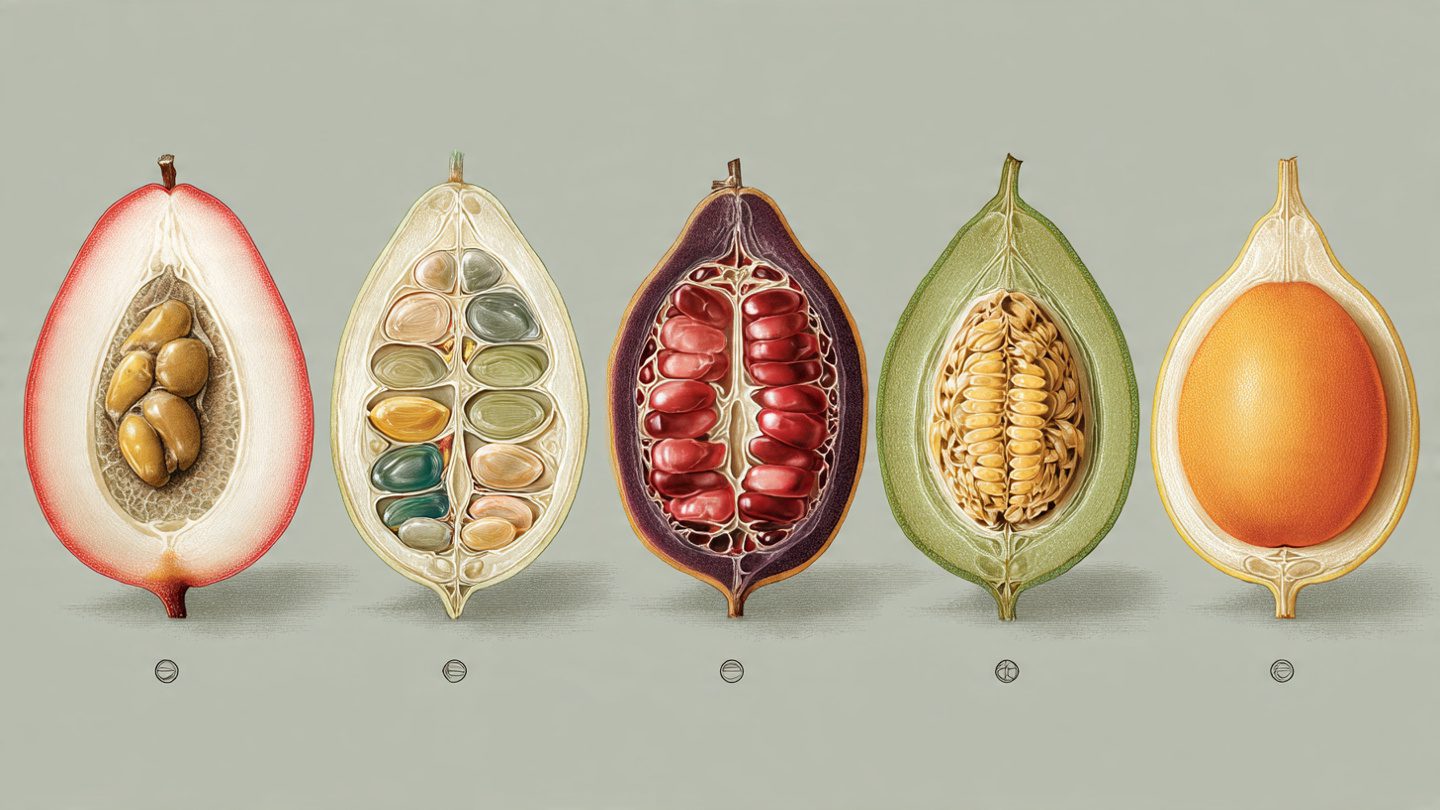
Fruit may look simple, but in reality, it is a complex biological structure with a highly specific developmental process. Fruits form from the fertilized flower of a plant, meaning they are the mature ovary that contains seeds. This natural process ensures that plants spread and reproduce, while humans benefit from the delicious and nutrient-rich results. Many people think fruit is defined only by sweetness, but in botany, fruit includes tomatoes, cucumbers, peppers, pumpkins, and even olives. These are all technically fruits because they develop from flowers and contain seeds.
Even though fruit comes in countless shapes, sizes, colors, and flavors, most varieties share common characteristics. They contain water, fiber, vitamins, minerals, antioxidants, and natural sugars like fructose. This balance makes fruit extremely digestible, refreshing, and supportive of health. The fruit you eat today is the result of thousands of years of human cultivation, natural selection, and agricultural innovation. Early civilizations already recognized its value and preserved fruit through drying, fermenting, or storing for the winter. Today, fruit remains one of the most recommended food groups in dietary guidelines around the world.
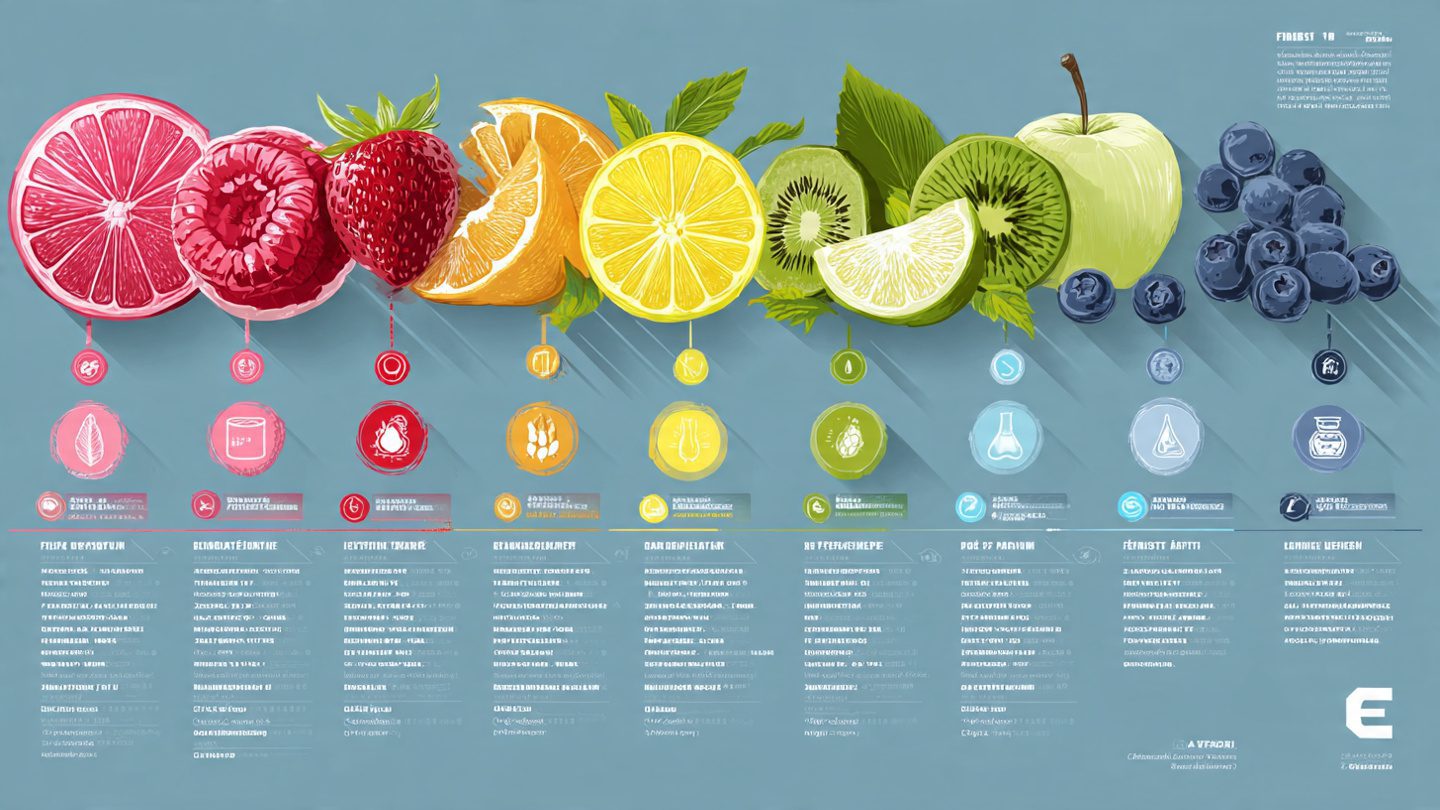
Fruit also reflects nature’s diversity. Soft fruits like berries, firm fruits like apples, high-water fruits like watermelon, or tropical fruits like mango all serve different biological functions. This diversity ensures that fruit offers a wide range of nutrients and health benefits. Even the vibrant colors of fruit signal specific antioxidants and phytonutrients — for example, orange fruits contain beta-carotene, red fruits contain lycopene, and purple fruits contain anthocyanins. For people studying nutrition, this makes fruit a rich subject for exploration.
Nutritional Profile of Fruit
The nutrition found in fruit is one of the reasons it is considered essential for human health. Although each type of fruit has unique nutrients, most fruits share several common components that make them valuable.
Vitamins and Minerals
Fruit is one of the best natural sources of vitamins. Vitamin C, found in citrus fruits and berries, supports immune function, skin health, and collagen production. Vitamin A from orange fruits strengthens vision and cell growth. Potassium, present in bananas and melons, helps regulate blood pressure and maintain normal muscle function. Folate, found in citrus and tropical fruits, is essential for DNA synthesis and cell development.
Fiber for Digestion
Dietary fiber in fruit improves digestion, supports gut health, and helps regulate blood sugar levels. Soluble fiber forms a gel-like substance in the digestive tract, slowing glucose absorption, while insoluble fiber adds bulk to stool and supports healthy bowel movements. Many fruits, especially pears, apples, and berries, contain both types of fiber, making them excellent for digestive health.
Natural Sugars
Fruit contains natural sugars such as fructose and glucose, which provide quick energy. These sugars are balanced with fiber and water, making fruit a healthier source of sweetness than processed sugar. The fiber slows absorption, preventing blood sugar spikes.
Antioxidants and Phytochemicals
Antioxidants in fruit help protect cells from oxidative stress caused by free radicals. This protection can reduce inflammation, slow aging processes, and support long-term health. Common antioxidants include vitamin C, flavonoids, carotenoids, and polyphenols. These compounds may reduce the risk of chronic diseases such as cardiovascular disease or certain cancers. Brightly colored fruits usually contain the highest antioxidant levels.
Hydration
Many fruits are naturally high in water — up to 90% in watermelon, oranges, and strawberries. This helps support hydration, electrolyte balance, and proper organ function. Eating fruit regularly contributes to your daily fluid intake.
Health Benefits of Eating Fruit
Fruit offers a long list of benefits that support both short-term energy and long-term health. These benefits come from a combination of nutrients working together.
Boosted Immunity
Vitamin C, antioxidants, and phytonutrients strengthen the immune system and help the body fight infections. Regular fruit consumption reduces the risk of colds, boosts wound healing, and supports white blood cell activity.
Improved Heart Health
Heart health is strongly connected to diet, and fruit plays a major role. The fiber, potassium, antioxidants, and low fat content help maintain healthy blood pressure, lower cholesterol levels, and support arterial function. Berries and citrus fruits are especially beneficial due to their high flavonoid content.
Healthy Digestion
Fiber in fruit improves gut health, prevents constipation, and feeds beneficial bacteria in the digestive system. A healthy gut environment influences immunity, metabolism, and mental well-being. Fruits like kiwi, apple, and prune are well known for supporting digestion.
Natural Weight Management
Fruit’s combination of high fiber, high water content, and low calorie density makes it ideal for weight management. Fruit helps you feel full and satisfied without excess calories. Because fruit is sweet, it also helps reduce cravings for processed sweets.
Skin Health and Anti-Aging
Fruit supports skin health thanks to vitamins, antioxidants, and hydration. Vitamin C stimulates collagen production, while antioxidants protect skin cells from environmental damage. Fruits like berries, mango, and watermelon support smoother, brighter skin.
Reduced Inflammation
Many fruits contain anti-inflammatory compounds. Chronic inflammation is linked to many diseases, including arthritis, diabetes, and heart disease. Fruits like pineapple (bromelain), cherries (anthocyanins), and grapes (resveratrol) help reduce inflammation naturally.
Better Cognitive Function
Antioxidants, polyphenols, and vitamins found in fruit support brain health. Regular fruit consumption is linked to improved memory, sharper focus, and a reduced risk of age-related cognitive decline. Blueberries, in particular, are known for their brain-supporting effects.
Types of Fruit and Their Unique Benefits
Citrus Fruits
Includes oranges, lemons, limes, and grapefruits. Rich in vitamin C, folate, antioxidants. Excellent for immunity, hydration, and skin health.
Berries
Includes strawberries, blueberries, raspberries, blackberries. Extremely high in antioxidants. Support brain function, heart health, and cellular repair.
Tropical Fruits
Includes mango, pineapple, papaya, banana. Rich in enzymes, vitamins, and minerals. Support digestion, energy, and anti-inflammatory processes.
Stone Fruits
Includes peaches, cherries, apricots. High in antioxidants, vitamin A, and hydration. Support skin health and digestion.
Melons
Includes watermelon, cantaloupe, honeydew. High water content. Excellent for hydration and electrolyte balance.
Pome Fruits
Includes apples, pears. High in fiber and antioxidants. Support weight management and gut health.
How Much Fruit Should You Eat Daily?
Most health organizations recommend 2–4 servings of fruit per day. One serving equals:
-
1 medium-sized fruit
-
½ cup of fresh fruit
-
¼ cup of dried fruit
-
1 cup of cut fruit or berries
For active individuals or athletes, 3–5 servings per day can support energy and recovery. Children also benefit from daily fruit intake, which supports growth and immune function.
Best Ways to Include Fruit in Your Diet
Fresh Fruit
Pure, natural, unprocessed.
Smoothies
Blend fruit with yogurt or water for a nutritious drink.
Fruit Salads
Colorful and nutrient dense.
Frozen Fruit
Perfect for smoothies, desserts, and baking.
Dried Fruit
Energy-dense and long-lasting — enjoy in moderation.
Juices
Choose whole fruit more often than juice, but fresh juice can be beneficial in small amounts.
Cooking and Baking
Add fruit to oatmeal, pancakes, or baked goods for extra nutrition.
Common Myths About Fruit
“Fruit has too much sugar.”
Fruit contains natural sugars combined with fiber, water, and nutrients — this makes it balanced and healthy.
“Fruit should be avoided when losing weight.”
Fruit is low-calorie, high-fiber, and filling — ideal for weight loss.
“Juice is equal to whole fruit.”
Juice lacks fiber and may be absorbed too quickly. Whole fruit is superior.
“Diabetics cannot eat fruit.”
Many fruits have low glycemic impact when eaten in proper amounts. Consultation with a specialist is recommended, but fruit is usually safe.
Summary
Fruit is a nutrient-rich, naturally sweet, and biologically complex food that supports every system in the human body. It provides vitamins, minerals, antioxidants, hydration, and fiber. Regular fruit consumption strengthens immunity, supports digestion, protects the heart, improves skin health, and aids weight management. A diet rich in fruit benefits both beginners and professionals who want to improve long-term health.
FAQ
1. How many servings of fruit should I eat daily?
Most people benefit from 2–4 servings per day.
2. Is frozen fruit as healthy as fresh fruit?
Yes, frozen fruit often contains the same or more nutrients.
3. Can fruit help with weight loss?
Yes, fruit is low in calories and high in fiber, making it ideal for weight control.
4. What is the healthiest fruit?
Blueberries, citrus fruits, apples, and tropical fruits all offer unique benefits — variety is best.
5. Is fruit safe for diabetics?
Usually yes in moderation. Whole fruit is healthier than juice.
CTA
Start improving your health today — add more fruit to your daily meals. Your body will feel the difference in energy, digestion, and long-term wellness. Choose fresh, colorful, and natural fruit every day!






