
 Befrey
Food hygiene is one of the most important pillars of public health. Beginners often understand food hygiene simply as “cleanliness in the kitchen,” while professionals see it as a complex system of methods, standards, and risk-control procedures that protect the consumer. Regardless of the level of expertise, the core idea remains the same: proper food hygiene is essential for maintaining health, preventing foodborne illnesses, and ensuring that the food entering the human body is safe, nutritious, and free from harmful microorganisms. This article explains the meaning of food hygiene in a way that both novices and experts can appreciate, and highlights the deep connection between food hygiene and overall human health.
Understanding Food Hygiene
Food hygiene refers to all conditions and measures necessary to ensure the safety of food at every stage—from production and processing to preparation and consumption. It includes sanitation, temperature control, cross-contamination prevention, waste management, personal cleanliness, and safe storage practices. While the concept seems simple, it is backed by science, microbiology, and risk analysis.
Food hygiene directly affects health because improperly handled food can carry bacteria, viruses, parasites, or chemical contaminants. These hazards cause foodborne diseases, allergic reactions, poisoning, and long-term health complications. For beginners, understanding these basics is essential. For professionals, this topic involves hazard identification, risk assessment, GMP (Good Manufacturing Practices), and HACCP systems.
Why Food Hygiene Matters
Food hygiene affects everyone who eats, cooks, produces, distributes, or sells food. Poor hygiene does not only cause immediate health issues but can create systemic public-health problems.
Preventing foodborne diseases
Every year, millions of people suffer from foodborne illnesses caused by pathogens such as Salmonella, E. coli, Listeria, Campylobacter, and noroviruses. These organisms grow rapidly when food hygiene is neglected. Clean practices, proper cooking temperatures, and safe storage significantly reduce the risk.
Supporting long-term health
Good food hygiene habits help protect the immune system, digestive system, and overall vitality. Food contamination may lead to chronic conditions, digestive disorders, and nutrient malabsorption. When food hygiene is consistent, the body receives clean, safe, nutritious food that supports lifelong wellness.
Reducing economic losses
Professional kitchens, restaurants, and food factories must maintain strict hygiene standards. Poor hygiene leads to product recalls, legal consequences, financial losses, damaged reputation, and potential shutdowns. For families, food waste increases when hygiene is ignored.
Maintaining consumer trust
Consumers expect high standards of cleanliness when purchasing or eating food. Visible hygiene problems reduce trust and can end business relationships. In households, safe food handling builds trust within families and teaches future generations valuable habits.
Key Elements of Food Hygiene
Cleanliness and disinfection
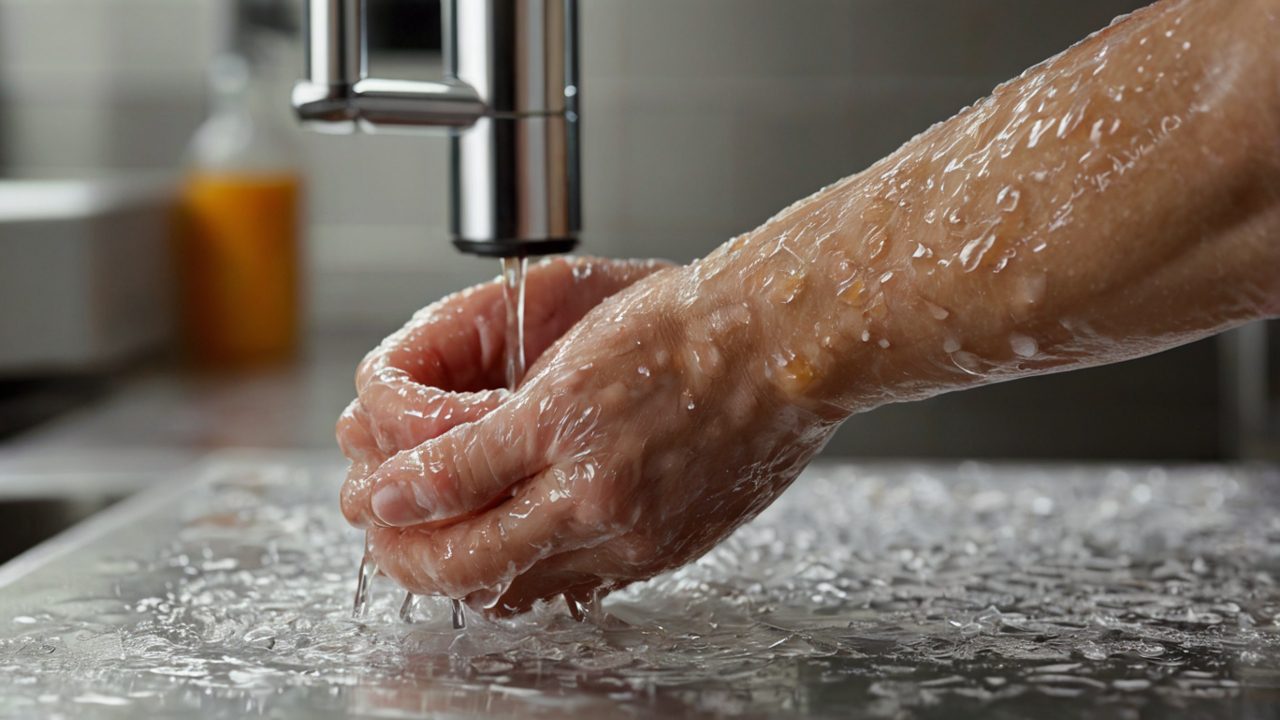
Cleaning removes dirt. Disinfection destroys harmful microorganisms. Food hygiene requires both. Hands, surfaces, tools, and equipment must always be clean. Professionals use sanitizing agents and follow strict procedures. Beginners can focus on simple practices: wash hands often and clean the kitchen regularly.
Temperature control
Temperature is one of the most critical factors in food hygiene. Bacteria multiply quickly when food is kept between 5°C and 60°C (the “danger zone”). Safe practices include:
-
Keeping refrigerators below 5°C
-
Keeping freezers below –18°C
-
Cooking foods to safe internal temperatures
-
Never letting cooked food sit for long at room temperature
Correct temperature management protects health and prevents spoilage.
Avoiding cross-contamination
Cross-contamination occurs when harmful microorganisms transfer from one substance to another. This happens when raw meat touches vegetables, or when dirty hands handle ready-to-eat food. Using separate cutting boards, washing utensils, and maintaining personal hygiene are essential steps.
Safe food storage
Food must be stored in clean containers, sealed properly, and kept at the right temperature. The “first in, first out” rule helps ensure older products are used before newer ones. Professionals rely on labeling, shelf-life monitoring, and humidity control.
Personal hygiene
People preparing food must keep themselves clean. This includes washing hands, wearing clean clothing, covering hair, and avoiding food preparation when sick. Personal hygiene is one of the easiest and most effective ways to protect food hygiene and health.
Food Safety in Homes and Professional Environments
Food hygiene applies everywhere. However, the strategies differ between households and professional settings.
Home kitchens
Beginners often underestimate the importance of kitchen hygiene. Simple habits create major improvements:
-
Washing hands before cooking
-
Keeping raw and cooked foods separate
-
Cleaning kitchen tools after every use
-
Storing leftovers quickly
-
Checking expiration dates
-
Avoiding risky foods like raw eggs or undercooked meat
These steps protect family health and reduce food waste.
Restaurants and food services
Food businesses follow strict regulations. Professionals must understand:
-
HACCP principles
-
Proper sanitizing
-
Temperature logs
-
Microbiological risks
-
Staff training
-
Allergen management
A failure in any of these areas can lead to outbreaks, penalties, and the loss of customer trust.

Food manufacturing
Factories focus on controlling hazards on a much larger scale. Their hygiene systems include:
-
Clean-in-place equipment
-
Environmental monitoring
-
Strict zoning
-
Traceability
-
Pest control
-
Regular audits
The goal is to deliver safe, high-quality food to consumers while maintaining compliance with legal standards.
Common Food Hygiene Mistakes
Many people unknowingly make mistakes that compromise food safety. Understanding and correcting these issues prevents health problems.
Not washing hands properly
Hands carry bacteria, viruses, and allergens. Washing with warm water and soap for at least 20 seconds significantly reduces contamination risks.
Improper thawing
Thawing meat at room temperature allows bacteria to grow. Proper thawing involves refrigeration, microwave defrosting, or cold water methods.
Reusing contaminated equipment
Knives, cutting boards, and cloths can spread germs. Cleaning and sanitizing after every task is crucial.
Not washing fruits and vegetables
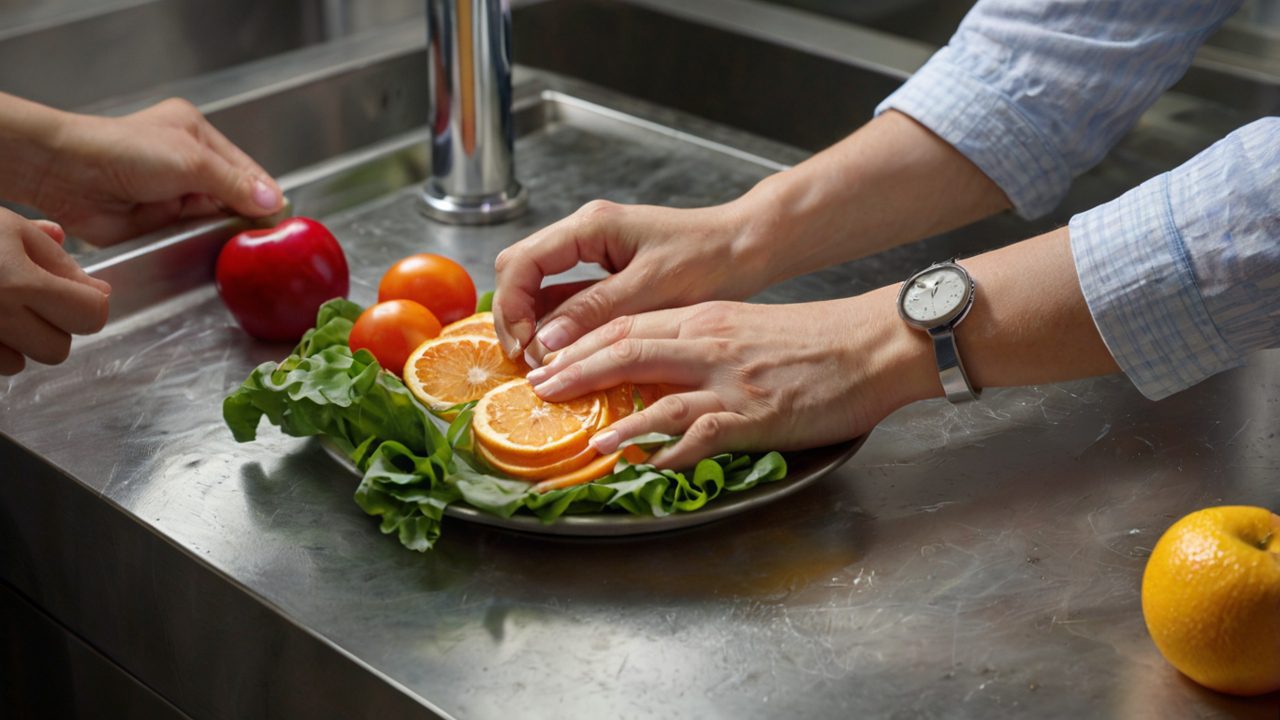
Even foods with peels can carry contaminants. Washing removes dirt, pesticides, and microorganisms.
Incorrect food storage
Leaving food uncovered, mixing raw and cooked items, or keeping food at unsafe temperatures leads to the growth of pathogens.
The Connection Between Food Hygiene and Human Health
Food hygiene and health are deeply linked. Safe food prevents infections, supports good digestion, and strengthens the immune system. Conversely, unsafe food leads to infections, chronic illness, and in severe cases, death.
Digestive health
Contaminated food irritates the stomach and intestines, causing vomiting, diarrhea, cramps, and dehydration. Long-term digestive issues can develop from repeated exposure to pathogens or toxins.
Immune system protection
The immune system uses extra energy to fight off harmful microorganisms. Proper food hygiene reduces the burden and allows the body to function optimally.
Nutritional quality
Food hygiene preserves nutrients. Spoiled or contaminated food loses vitamins and minerals. Safe handling ensures the body receives the nutrients it needs to stay healthy.
Prevention of chronic disease
Some contaminants, such as mycotoxins or heavy metals, contribute to long-term illnesses. Proper hygiene practices minimize exposure to these hazards.
How to Build Strong Food Hygiene Habits
Building habits ensures long-lasting protection. Both beginners and professionals benefit from consistent routines.
Daily routine tips
-
Clean as you go
-
Store perishables immediately
-
Check refrigerator temperature
-
Avoid touching face while cooking
-
Sanitize high-touch areas
-
Teach others about hygiene
Professional routine tips
-
Follow documented procedures
-
Record temperature logs
-
Train staff regularly
-
Conduct routine inspections
-
Maintain equipment
-
Review and update safety plans
Modern Trends in Food Hygiene
Advances in technology and science are shaping new methods:
-
Smart kitchen devices
-
Digital temperature monitoring
-
Automated cleaning systems
-
Improved packaging materials
-
AI-driven hazard detection
These trends strengthen food hygiene and protect public health.
Water for Life: Why Water Is Essential for the Human Body
Summary
Food hygiene is essential for protecting human health. It reduces the risk of foodborne diseases, supports digestion, protects the immune system, and preserves nutritional value. Both beginners and professionals must follow safe handling practices, maintain cleanliness, control temperatures, and avoid cross-contamination. When food hygiene is prioritized, individuals, families, and communities experience better health and quality of life.
FAQ
1. What is food hygiene in simple terms?
Food hygiene means keeping food clean and safe to eat by preventing contamination.
2. What illnesses result from poor food hygiene?
Food poisoning, infections, digestive problems, and long-term health issues.
3. Why is temperature control important?
Because bacteria multiply quickly in the “danger zone” between 5°C and 60°C.
4. Is food hygiene important at home too?
Yes. Most food poisoning cases begin in home kitchens.
5. How can I improve food hygiene?
Wash hands, store food safely, clean tools frequently, and avoid mixing raw and cooked foods.
Call to Action
Want to improve your kitchen safety and protect your health?
Start applying proper food hygiene practices today. Make small changes, stay consistent, and educate those around you. Safe food means a healthier life!






