
How Vegetables Influence Human Health and Nutrition: Full Beginner-to-Pro Guide
 Befrey
Vegetables are one of the most powerful and accessible tools for improving Vegetables Health And Fitness, overall wellness, and long-term vitality. Understanding what vegetables truly are and how they support the human body is essential for beginners and equally valuable for advanced nutrition enthusiasts. Because vegetables contain vitamins, minerals, fiber, antioxidants, and unique plant compounds, they serve as a foundation for better health, sharper performance, and balanced nutrition. This article will help you understand vegetables from the ground up—what they are, why they matter, and how they influence your daily life.
What Vegetables Really Are
Vegetables are edible plant parts used for nutrition, cooking, and health support. They can include leaves (spinach), roots (carrots), stems (celery), flowers (broccoli), bulbs (onions), and even seeds or pods (peas, beans). Unlike fruits, vegetables tend to be lower in natural sugars and richer in essential micronutrients. They are nutrient-dense, low in calories, and extremely versatile in daily meals.
Vegetables are also the key point of most nutrition guidelines across the world. Their structure is filled with water, fiber, and antioxidants, making them essential for digestion, cardiovascular health, immunity, and long-term disease prevention. No matter the diet—low-carb, high-protein, plant-based, or balanced—vegetables always play an important role.
Nutrient Density And Energy Support
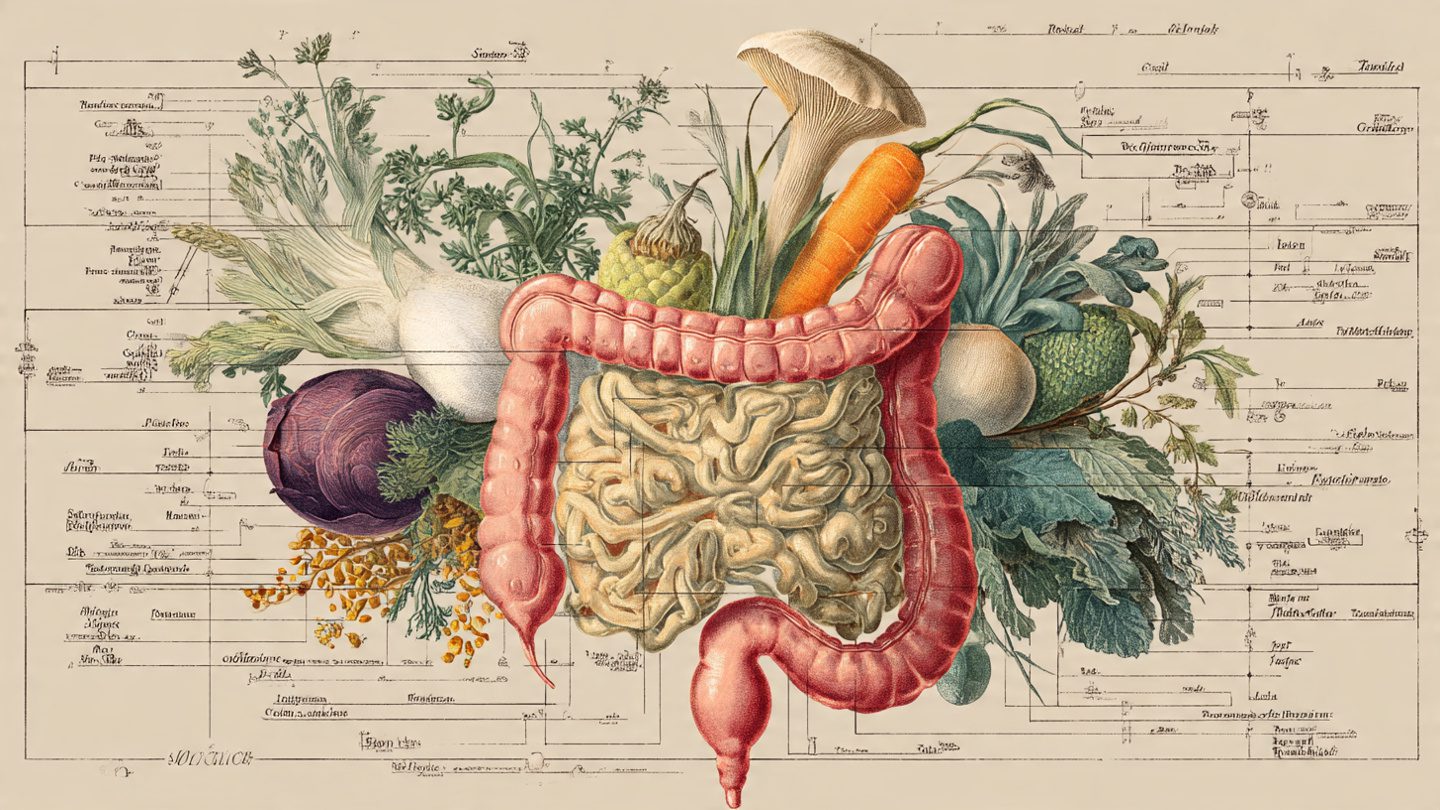
Vegetables contain a high concentration of vitamins and minerals relative to their calorie content. This makes them the ideal food group for energy balance, weight control, and metabolic health. They offer magnesium, vitamin C, vitamin K, folate, potassium, and a wide range of phytonutrients. These substances support bone strength, muscle function, hormonal balance, and recovery after exercise.
Certain vegetables, such as leafy greens, enhance oxygen transport and cell growth because of their iron and folate levels. Cruciferous vegetables like broccoli promote liver detoxification and hormone regulation. Root vegetables support sustained energy release thanks to complex carbohydrates and natural fiber. All of these factors blend together to improve Vegetables Health And Fitness, making vegetables indispensable for active lifestyles.
Fiber, Digestion, and Gut Function
One of the strongest advantages of vegetables is their fiber content. Fiber enhances digestion, prevents constipation, and supports the growth of beneficial gut bacteria. It also stabilizes blood sugar levels and keeps you full for longer periods. This is crucial not only for weight management but also for metabolic health.
Soluble fiber absorbs water and forms a gel-like substance that slows digestion, improving blood sugar control. Insoluble fiber adds bulk to stool and improves bowel movements. Together, these two types of fiber help reduce inflammation, improve immunity, and support mental well-being because gut bacteria influence neurotransmitter production. This means vegetables indirectly support mood and cognitive function as well.
By integrating vegetables daily, you help your body maintain strong digestive health—a vital part of Vegetables Health And Fitness.
Antioxidants And Immune Function
Antioxidants are compounds that protect cells from oxidative stress. Vegetables are the richest natural sources of flavonoids, carotenoids, phenols, and vitamin C. These antioxidants support immune function, reduce inflammation, slow signs of aging, and protect against chronic diseases.
For example:
-
Carrots and sweet potatoes contain beta-carotene, which improves eye health and immunity.
-
Tomatoes contain lycopene, known for heart and prostate protection.
-
Spinach and kale contain lutein and zeaxanthin, which support vision and cognitive health.
These antioxidants actively protect DNA, reduce damage from free radicals, and support overall system balance. They play an essential role in high-level athletic performance, cellular recovery, and long-term wellness—core elements of Vegetables Health And Fitness.

Body Composition, Weight Control, And Fitness Performance
Vegetables naturally support fitness goals due to their low calorie density, high nutrient levels, and ability to regulate appetite. They help athletes, professionals, and beginners maintain optimal body composition. For weight loss, vegetables provide volume without adding excess calories. For muscle growth and performance, they supply electrolytes and minerals necessary for hydration and muscle contraction.
Potassium-rich vegetables like potatoes and spinach prevent cramps. Nitrate-rich vegetables like beetroot enhance oxygen efficiency and improve endurance. Magnesium-rich greens support muscle recovery and sleep quality, both essential for physical progress.
This makes vegetables a shared foundation for professional athletes, casual gym-goers, and anyone working on Vegetables Health And Fitness.
Mental Performance And Long-Term Cognitive Benefits
Vegetables also influence brain health. Their micronutrients, antioxidants, and anti-inflammatory components support neuron function and protect against cognitive decline. Leafy greens, for instance, provide folate and vitamin K—both essential for memory and learning. Magnesium and potassium regulate nerve communication. Antioxidants reduce brain aging.
Eating vegetables daily can lead to improved focus, better emotional stability, and sharper decision-making. This is as important for students as it is for professionals, athletes, and older adults. By improving circulation and reducing inflammation, vegetables help maintain long-term mental fitness—another powerful element of Vegetables Health And Fitness.
Long-Term Health And Disease Prevention
Years of research show that high vegetable intake is linked to lower risk of:
-
Heart disease
-
Obesity
-
Type 2 diabetes
-
High blood pressure
-
Digestive disorders
-
Certain cancers
Vegetables work preventively because they reduce oxidative stress, support organ function, improve circulation, regulate hormones, and balance the gut ecosystem. Their natural compounds help the body repair itself and maintain long-term stability.
This preventive power applies to beginners focusing on basic health and professionals seeking advanced optimization. Whether you aim for longevity, athletic excellence, or wellness maintenance, vegetables remain one of the most effective tools available.

Practical Tips For Increasing Vegetable Intake
-
Add vegetables to every meal, even breakfast.
-
Mix raw and cooked vegetables for maximum nutrient diversity.
-
Use colorful vegetables to ensure a wide spectrum of antioxidants.
-
Prepare vegetables in advance to save time.
-
Blend greens into smoothies for fast nutrition.
-
Choose seasonal vegetables for the best taste and nutrient density.
-
Combine vegetables with proteins and healthy fats for balanced meals.
Summary
Vegetables are essential for Vegetables Health And Fitness, wellness, and nutritional balance. They provide vitamins, minerals, antioxidants, fiber, and phytonutrients that support digestion, immunity, mental performance, body composition, and long-term disease prevention. Whether you’re a beginner looking for simple guidance or a professional seeking advanced insights, vegetables offer unmatched benefits for health and fitness success.
FAQ
1. How many vegetables should I eat daily?
Most recommendations suggest 3–5 cups per day, depending on age, activity, and metabolic needs.
2. Are raw vegetables better than cooked?
Both are beneficial. Raw vegetables contain more heat-sensitive vitamins, while cooked vegetables increase absorption of certain antioxidants.
3. Can vegetables improve athletic performance?
Yes. They supply electrolytes, help hydration, and boost oxygen efficiency, especially nitrate-rich vegetables.
4. Do frozen vegetables have the same nutrients?
Yes. Frozen vegetables are picked ripe and flash-frozen, preserving most nutrients.
Call to Action
Start improving your Vegetables Health And Fitness today by adding colorful vegetables to every meal. Small steps lead to major long-term results. Your body will thank you, and your health will transform.






