
 Befrey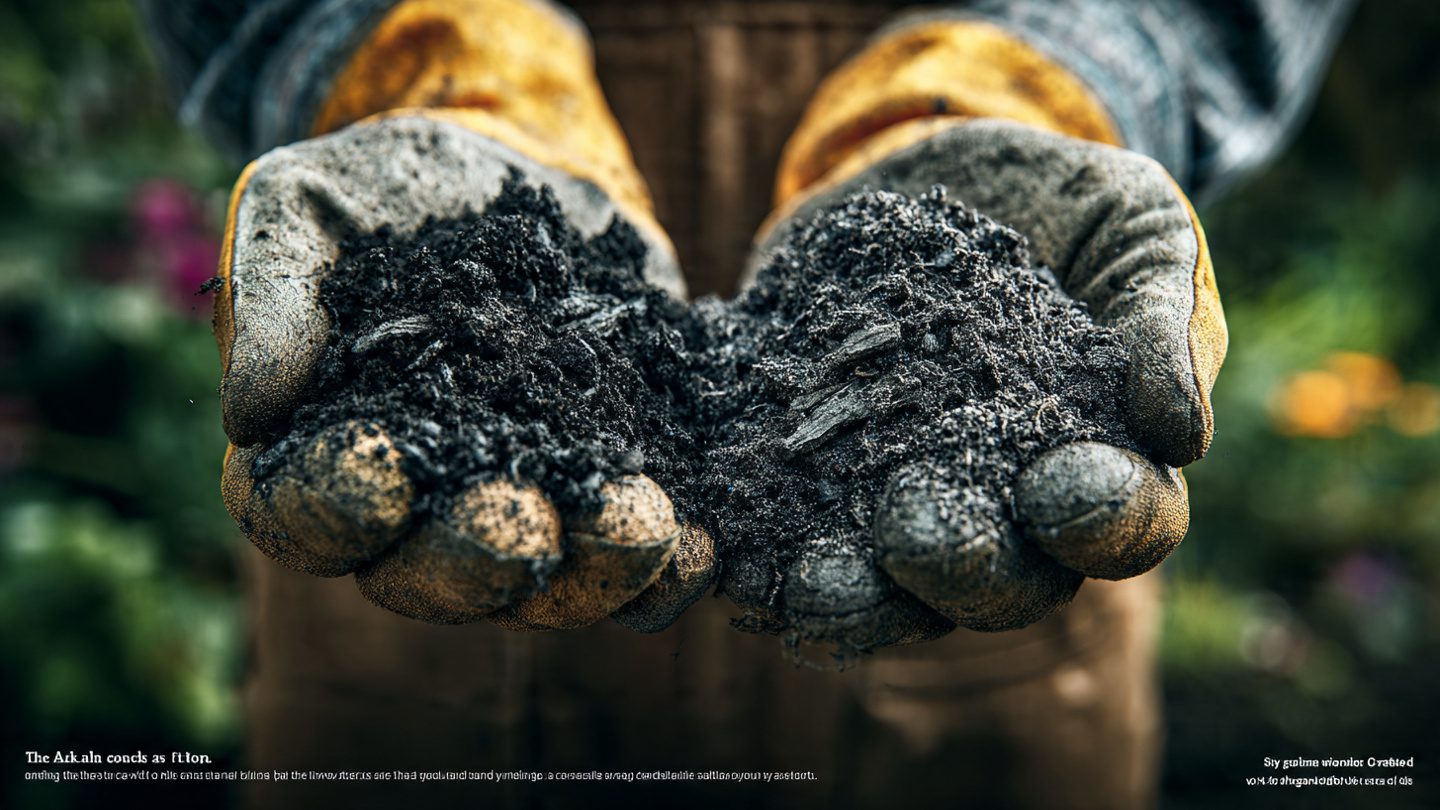
If you’re wondering what to do if the soil in your garden isn’t good, you’re not alone. Poor soil, bad garden soil, unhealthy soil, or low-quality soil can ruin even the best gardening efforts. Whether your soil is too compacted, too sandy, lacking nutrients, or simply lifeless, the good news is this: soil can always be improved. Understanding what to do if the soil in your garden isn’t good is the first step toward transforming your outdoor space into a thriving ecosystem full of healthy plants, strong roots, and consistent growth.
Understanding the Real Problem Beneath Your Feet
Before you fix anything, you need to understand what you’re dealing with. Soil is not just dirt. It is a living system made up of minerals, organic matter, microorganisms, water, and air. When one of these elements is out of balance, your plants suffer.
Most gardeners make the mistake of treating symptoms instead of causes. Yellow leaves, stunted growth, and poor yields are not random problems. They are signals. The soil is trying to tell you something is wrong. Ignoring these signals leads to frustration and wasted effort.
There are three primary soil types: clay, sandy, and loamy. Clay soil holds water but drains poorly. Sandy soil drains too quickly and lacks nutrients. Loamy soil is ideal but rare. If your garden soil isn’t good, it usually means it’s too far toward one extreme.
Compaction is another hidden issue. Soil that is too dense prevents roots from growing and blocks oxygen flow. Without oxygen, roots suffocate. Without healthy roots, plants cannot absorb nutrients.
Finally, biological activity matters more than most people realize. Healthy soil is full of life. Bacteria, fungi, and worms all play a role. Dead soil leads to dead plants.
Signs of unhealthy soil in garden beds
Recognizing the warning signs early can save you months of effort. Poor soil rarely hides itself. It shows clear symptoms if you know what to look for.
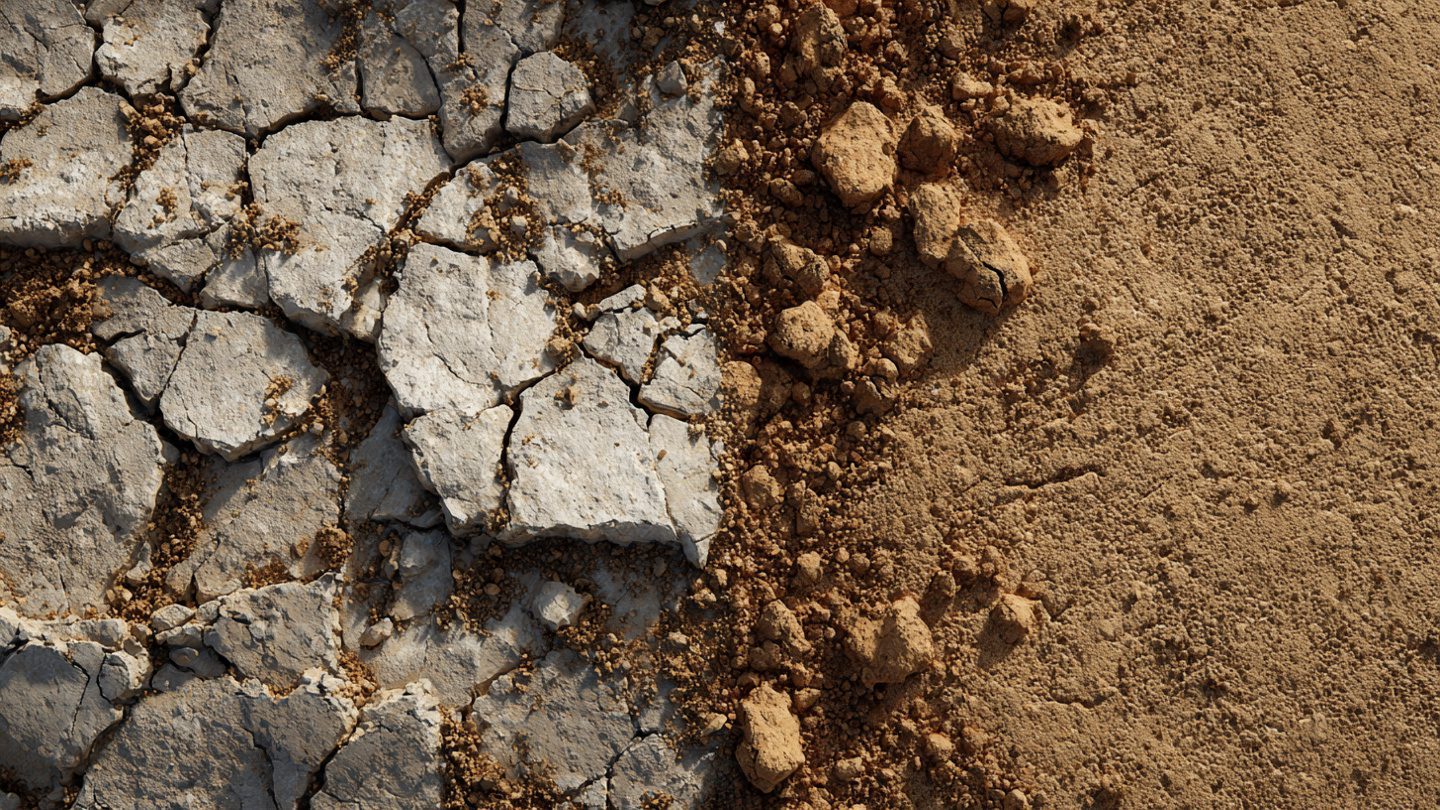
One of the most obvious signs is poor drainage. If water sits on the surface after rain, your soil is compacted or clay-heavy. On the other hand, if water disappears instantly, your soil may be too sandy. Both extremes create stress for plants.
Another sign is weak plant growth. If your plants grow slowly, produce small leaves, or fail to flower, your soil likely lacks nutrients. This is especially common in overused garden beds where nutrients have been depleted over time.
Color also matters. Healthy soil is dark and rich. Pale or gray soil often lacks organic matter. It may also indicate poor microbial activity, which is essential for nutrient cycling.
Weeds can also be indicators. Certain weeds thrive in poor soil conditions. For example, compacted soil often encourages weeds like plantain or dandelion.
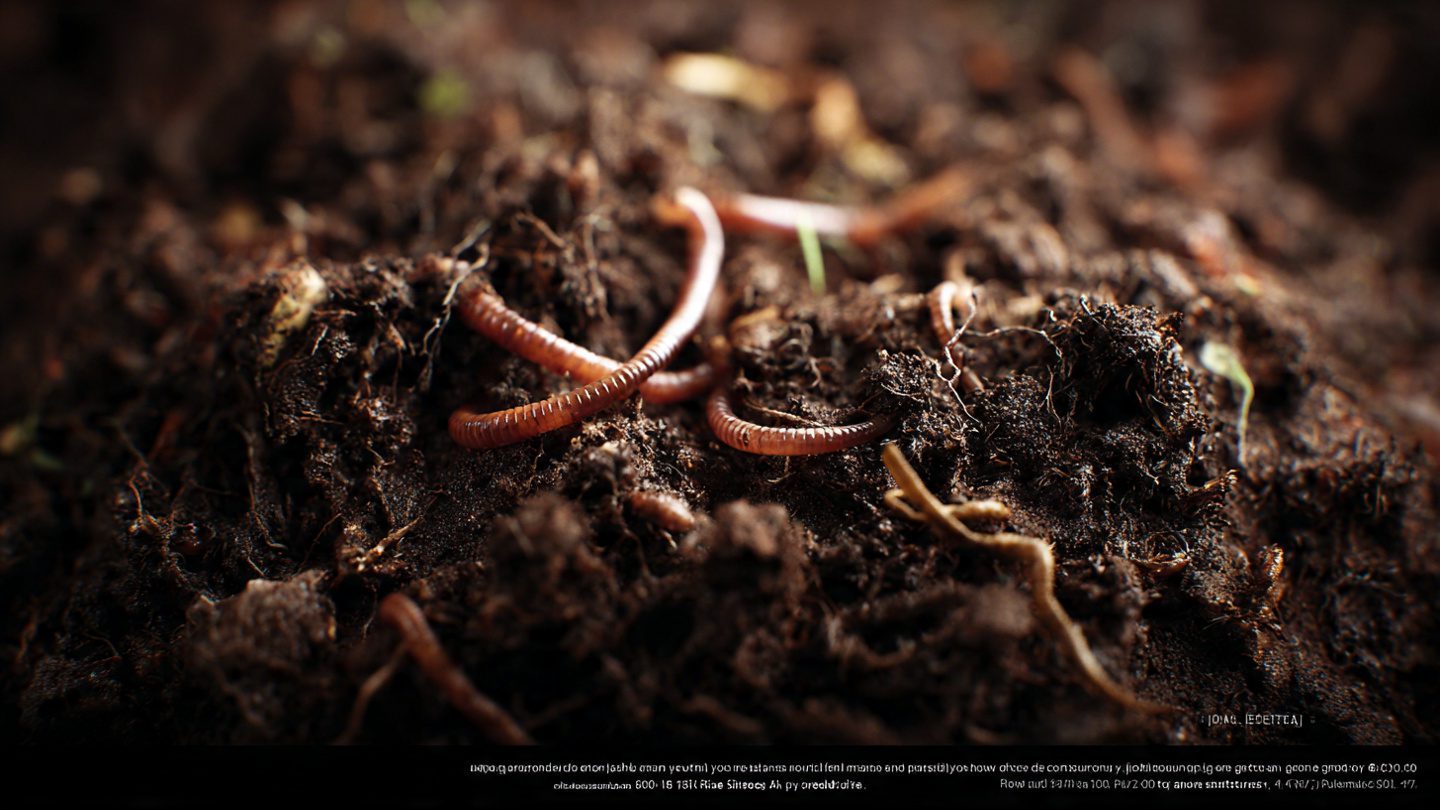
Lastly, a lack of earthworms is a major red flag. Earthworms are nature’s soil engineers. If you don’t see them, your soil ecosystem is struggling.
How to test soil quality at home
Testing your soil doesn’t require expensive equipment. Simple methods can reveal a lot about your garden’s condition.
Start with a basic texture test. Take a handful of moist soil and squeeze it. If it forms a tight ball that doesn’t crumble, it’s clay. If it falls apart immediately, it’s sandy. If it holds shape but crumbles slightly, you have loamy soil.
Next, perform a drainage test. Dig a small hole and fill it with water. If it drains within minutes, your soil is too sandy. If it takes hours, you’re dealing with clay or compaction issues.
You can also test pH using affordable kits. Most plants prefer slightly acidic to neutral soil. Extreme pH levels can lock nutrients away, making them unavailable to plants even if they are present.
Another simple method is the jar test. Mix soil with water in a jar and let it settle. Sand sinks first, then silt, then clay. This gives you a visual breakdown of your soil composition.
Smell is an underrated indicator. Healthy soil smells earthy and fresh. Bad soil often smells sour or lifeless, indicating poor microbial activity.
How to improve poor garden soil naturally
Improving soil naturally is not only effective but also sustainable. It builds long-term fertility instead of offering short-term fixes.
The most powerful method is adding organic matter. Compost is the gold standard. It improves structure, adds nutrients, and boosts microbial life. Over time, compost transforms even the worst soil into something productive.
Mulching is another key technique. Organic mulch like straw, leaves, or wood chips protects soil from erosion, retains moisture, and slowly breaks down into nutrients. It also regulates temperature, which is crucial for root health.
Cover crops are often overlooked but incredibly effective. Plants like clover or rye improve soil structure and add nutrients. When turned into the soil, they act as natural fertilizers.
Avoid chemical overuse. Synthetic fertilizers may provide quick results, but they damage soil biology over time. Healthy soil depends on living organisms, and chemicals disrupt that balance.
Patience is essential. Soil improvement is not instant. It takes seasons, sometimes years. But the results are long-lasting and worth the effort.
Best soil amendments for clay soil
Clay soil is one of the most challenging types to work with, but it can be transformed with the right approach.
The main problem with clay is compaction. It holds water but restricts air flow. Roots struggle to grow in such conditions. To fix this, you need to improve structure.
Organic matter is again the solution. Compost, aged manure, and leaf mold help break up dense clay. They create pockets of air and improve drainage. Over time, this makes the soil easier to work with.
Gypsum is often recommended, but its effectiveness depends on your soil composition. It can help in certain cases but should not be relied upon as the main solution.
Avoid working clay soil when it is wet. This makes compaction worse. Always wait until it is slightly dry before digging or planting.
Raised beds are a practical solution if your clay soil is extreme. They allow you to control soil quality while gradually improving the ground beneath.
Consistency is key. One application of compost is not enough. Regular additions are required to see real change.
How to fix sandy soil in your garden
Sandy soil presents the opposite problem of clay. It drains too quickly and struggles to retain nutrients.
The primary goal is to increase water retention and nutrient-holding capacity. This is done by adding organic matter.
Compost, peat alternatives, and well-rotted manure are ideal. They act like sponges, holding water and nutrients that would otherwise wash away.
Mulching is especially important for sandy soil. It prevents moisture loss and protects the surface from heat, which can dry out soil quickly.
Frequent but light watering works better than deep watering. Since water drains quickly, you need to maintain consistent moisture levels.
Adding biochar can also help. It improves soil structure and enhances nutrient retention over time.
Sandy soil can actually become highly productive once improved. It warms up quickly in spring, giving you an early growing advantage.
Organic ways to enrich garden soil
Organic enrichment focuses on building a living soil system. This approach creates long-term fertility instead of temporary fixes.
Composting is the foundation. Kitchen scraps, garden waste, and organic materials break down into nutrient-rich humus. This feeds both plants and soil organisms.
Green manure is another powerful method. Growing plants specifically to turn them into soil adds nutrients and improves structure.
Worm composting, also known as vermicomposting, takes this to another level. Worm castings are incredibly rich in nutrients and beneficial microbes.
Natural fertilizers like bone meal, fish emulsion, and seaweed extract provide targeted nutrients without harming soil life.
Diversity is important. Using a variety of organic inputs creates a balanced nutrient profile and supports a wide range of microorganisms.
Healthy soil is not just about nutrients. It is about creating an ecosystem where everything works together.
The Role of Microorganisms in Soil Health
Soil life is often invisible, but it is the driving force behind plant growth. Without microorganisms, soil becomes sterile and unproductive.
Bacteria and fungi break down organic matter into forms that plants can absorb. They also help protect plants from diseases by outcompeting harmful organisms.
Mycorrhizal fungi form partnerships with plant roots. They extend the root system and improve nutrient uptake. This is especially important in poor soil conditions.
Earthworms improve soil structure by creating tunnels. These tunnels allow air and water to move freely, benefiting plant roots.
Encouraging microbial life requires avoiding harsh chemicals and adding organic matter regularly.
Once your soil becomes biologically active, everything changes. Plants grow stronger, resist disease better, and require less maintenance.
Long-Term Soil Maintenance Strategy
Fixing soil is one thing. Keeping it healthy is another. Long-term maintenance is what separates successful gardeners from frustrated ones.
Never leave soil bare. Bare soil loses nutrients, dries out, and becomes compacted. Always use mulch or cover crops.
Rotate crops to prevent nutrient depletion. Different plants use different nutrients, so rotation maintains balance.
Add compost regularly, even if your soil is already good. This keeps the system active and fertile.
Avoid over-tilling. Excessive digging disrupts soil structure and harms microorganisms. Minimal disturbance is the best approach.
Monitor your soil every season. Conditions change, and early adjustments prevent bigger problems later.
How to Save a Dying Plant Fast: Emergency Rescue Guide for Any Plant
How to Revive a Wilted Plant When I Forgot to Water It: Complete Rescue Guide for Fast Recovery
How to Deal With Yellow Leaves on Plants: Complete Step-by-Step Recovery Guide
Summary
Poor soil is not the end of your gardening journey. It is the beginning of understanding how soil truly works. By identifying the problem, testing your soil, and applying natural improvements, you can transform even the worst conditions into a thriving garden. The key is consistency, patience, and working with nature instead of against it.
FAQ
1. Can bad soil be completely fixed?
Yes. With time and consistent effort, even the worst soil can be transformed into fertile ground.
2. How long does it take to improve soil?
You can see improvements in a few months, but full transformation may take 1–3 years.
3. Is compost enough to fix soil?
Compost is the most important factor, but combining it with other techniques gives the best results.
4. Should I replace my soil completely?
In extreme cases, raised beds are better, but improving existing soil is usually more sustainable.
5. How often should I test my soil?
At least once per year, preferably before planting season.
CTA (Call-to-Action)
If you found this guide helpful, start improving your soil today. Even small changes can lead to massive results over time. Save this article, apply the steps, and watch your garden transform into something you never thought possible.






