
How to Deal With Yellow Leaves on Plants: Complete Step-by-Step Recovery Guide
 Befrey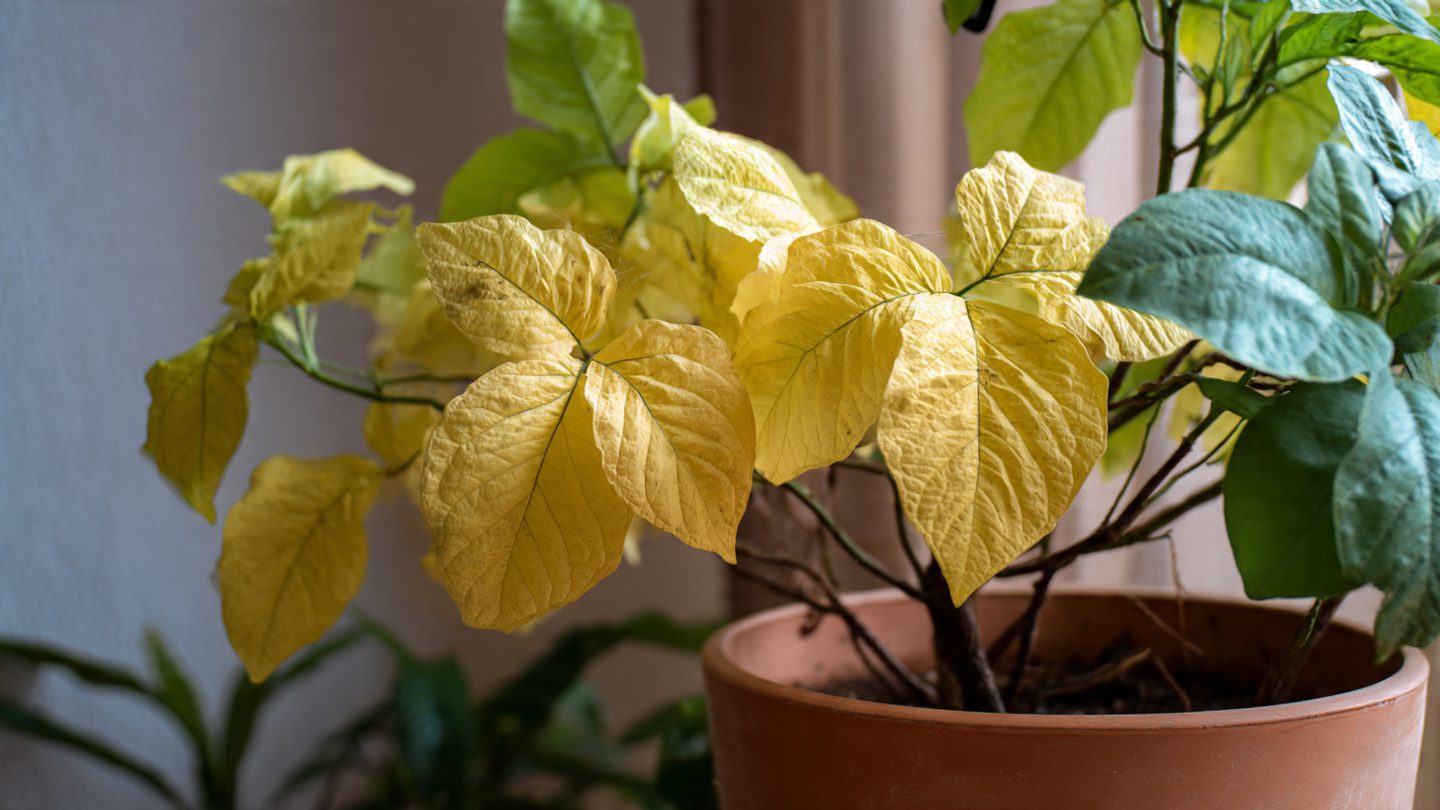
Yellow leaves can be alarming. They often appear suddenly and spread fast. Many plant owners panic when they see yellow foliage. The good news is that How to deal with yellow leaves on plants is a solvable problem. In most cases, yellowing leaves are a warning sign, not a death sentence. If you understand the causes, you can stop the damage and restore healthy growth. This guide explains How to deal with yellow leaves on plants, how to fix yellow plant leaves, and how to prevent plant leaf yellowing in the future. Whether you are a beginner or a professional grower, these proven steps will help you save your plants quickly and effectively.
Identify the Cause
The first step in solving yellow leaves is identifying the real cause. Yellow leaves are not a disease. They are a symptom. Your plant is telling you something is wrong. You must read these signals carefully. Guessing often makes things worse. Correct diagnosis leads to correct treatment.
There are several common causes. Overwatering is the most frequent reason. Underwatering is also very common. Poor lighting can cause yellowing leaves. Nutrient deficiencies are another major cause. Pest infestations and root problems also trigger yellow foliage.
You should observe the pattern. Are the bottom leaves yellow first? This often indicates natural aging or nitrogen deficiency. Are the top leaves yellow? This may indicate nutrient lockout or lighting problems. Are leaves yellow with brown spots? This often indicates overwatering or root rot.
Always check soil moisture first. This simple step solves many cases. Use your finger. Insert it 2–5 cm into the soil. If the soil is wet, do not water. If the soil is dry, water properly.
Correct diagnosis saves time. It also prevents plant death.
Overwatering Problems
Root Suffocation
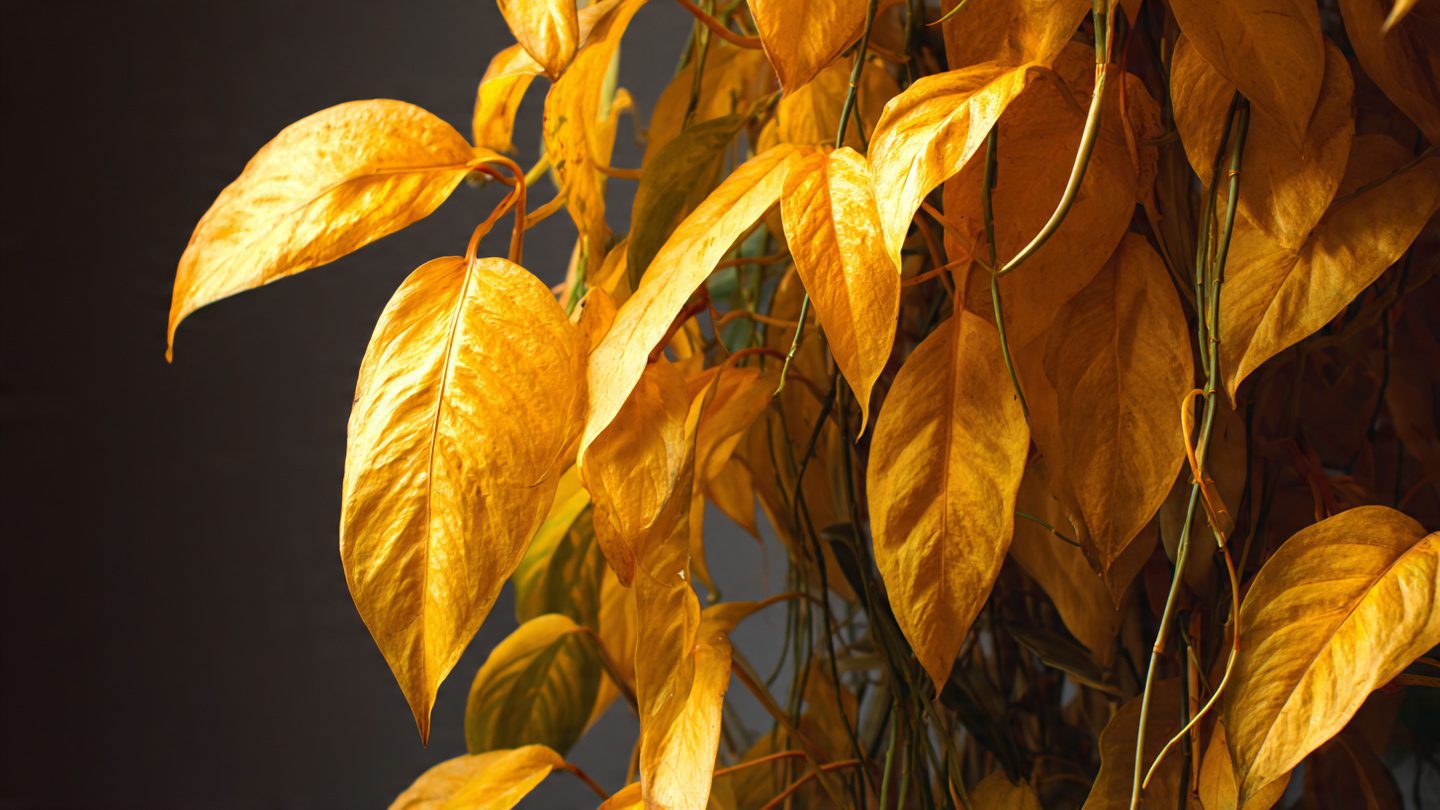
Overwatering is the number one cause of yellow leaves. Plants need oxygen in the roots. Too much water removes oxygen. Roots begin to suffocate. This causes stress. Leaves turn yellow as a result.
Wet soil also promotes root rot. Root rot is dangerous. It destroys the root system. Without roots, plants cannot absorb nutrients. Yellow leaves appear quickly.
Signs of overwatering include soft yellow leaves. The soil feels wet for many days. The pot may smell bad. Growth slows down.
How to Fix Overwatering
Stop watering immediately. Let the soil dry completely. This allows roots to recover. Remove severely damaged leaves. This helps the plant focus on recovery.
Improve drainage. Ensure your pot has drainage holes. Use well-draining soil. Add perlite if needed. This improves airflow in the soil.
Water only when needed. This is critical for long-term health.
Underwatering Issues
Dry Root Stress
Underwatering also causes yellow leaves. When roots lack water, plants cannot transport nutrients. Leaves begin to turn yellow. They may also become dry and crispy.
Dry soil pulls moisture from leaves. This causes dehydration. The plant enters survival mode.
This often happens when watering is irregular. Some people forget watering schedules. Others water too lightly.
How to Fix Underwatering
Water deeply and evenly. Do not just wet the surface. Water until excess water drains out. This ensures roots receive enough moisture.
Create a consistent watering schedule. Check soil regularly. Adjust watering based on season and temperature.
Plants recover quickly when watering is corrected.
Lighting Problems
Too Little Light
Light powers plant growth. Without enough light, plants cannot produce energy. Leaves lose chlorophyll. This causes yellowing.
Low light often affects indoor plants. Rooms with small windows are common problem areas. Plants placed far from windows suffer.
Yellow leaves from low light appear pale. Growth becomes slow. Stems become weak.
Too Much Light
Excessive sunlight also causes yellow leaves. Direct sun can burn leaves. This causes stress and discoloration.
This often affects sensitive indoor plants. Sudden exposure to strong sun is dangerous.
Fix Lighting Issues
Move plants to proper lighting. Bright indirect light works best for most plants. Avoid extreme light changes. Adjust gradually.
Correct lighting restores leaf color.
Nutrient Deficiency
Missing Essential Nutrients
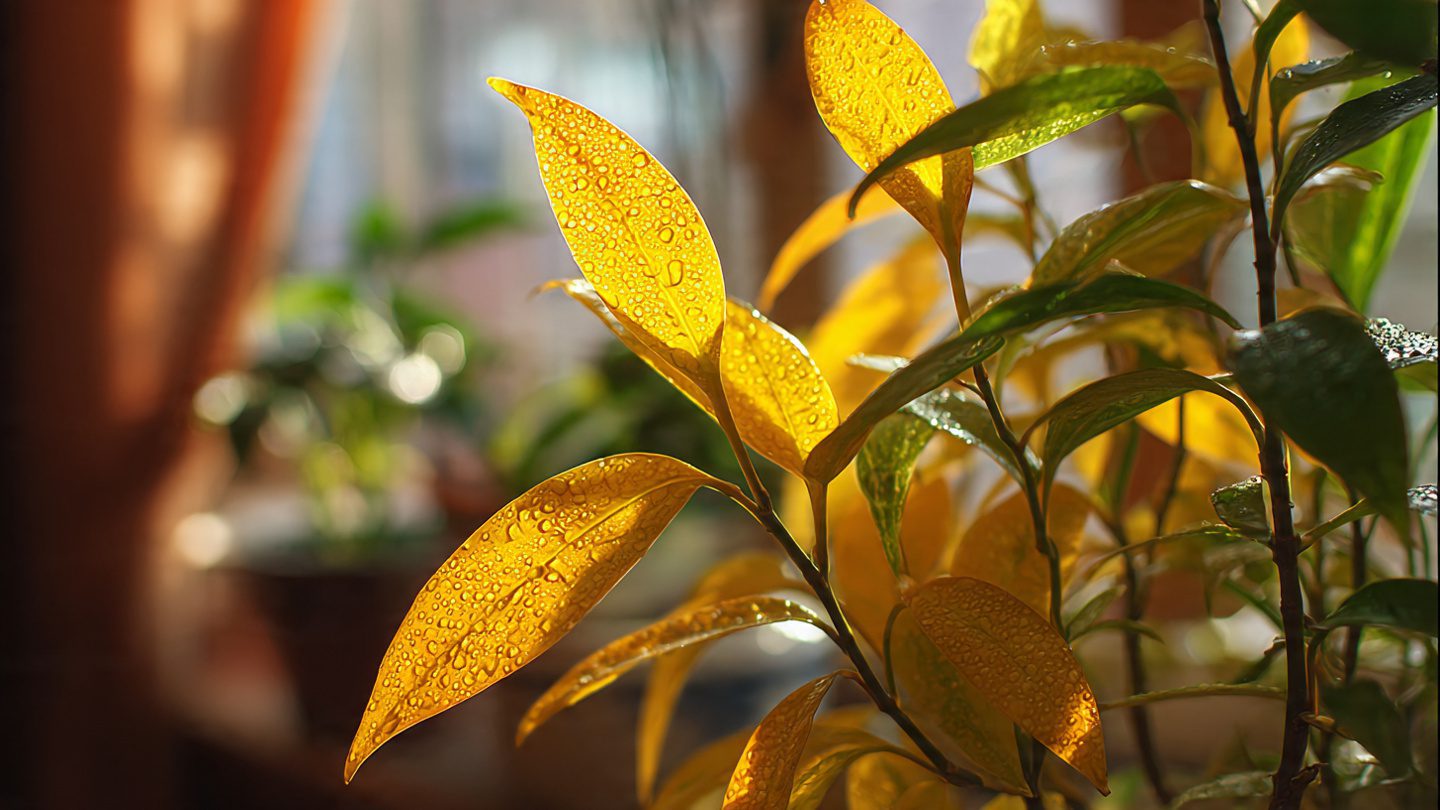
Plants need nutrients to survive. Nitrogen, iron, and magnesium are critical. Deficiency causes yellow leaves.
Nitrogen deficiency causes yellow bottom leaves. Iron deficiency causes yellow top leaves with green veins. Magnesium deficiency causes yellow edges.
Poor soil often causes deficiencies. Old soil loses nutrients over time.
Fix Nutrient Problems
Use balanced fertilizer. Follow instructions carefully. Do not overfertilize. Too much fertilizer also causes damage.
Repot with fresh soil if needed. Fresh soil restores nutrient balance.
Proper nutrition restores green leaves.
Root Problems
Root Bound Plants
Roots need space. When roots fill the pot completely, problems occur. Roots cannot absorb nutrients efficiently. Leaves turn yellow.
This is common in older plants. Small pots limit growth.
Root Rot Danger
Root rot is caused by excess moisture. Roots become soft and black. This prevents nutrient absorption.
This leads to rapid yellowing.
Fix Root Issues
Repot into a larger container. Use fresh soil. Trim damaged roots carefully. Healthy roots are firm and white.
Healthy roots support healthy leaves.
Pest Infestation
Hidden Plant Killers
Pests damage plants silently. Spider mites, aphids, and fungus gnats are common pests. They suck nutrients from leaves.
This causes yellow spots. Leaves weaken and fall off.
Pests spread quickly. Early detection is critical.
Pest Treatment Steps
Inspect leaves closely. Check under leaves. Look for small insects.
Use insecticidal soap. Neem oil is also effective. Repeat treatment weekly if needed.
Healthy plants resist pests better.
Natural Aging Process
Normal Leaf Cycle
Not all yellow leaves indicate problems. Plants naturally shed old leaves. This is normal.
Older bottom leaves often turn yellow. This allows plants to focus on new growth.
This process is healthy.
When to Ignore Yellow Leaves
If only old leaves yellow slowly, there is no problem. Remove old leaves if desired.
Focus on new growth health.
This is part of normal plant life.
Step-by-Step Recovery Plan
Follow this proven recovery checklist:
Step 1: Inspect Soil
Check moisture level. Adjust watering immediately.
Step 2: Check Lighting
Move plant if needed. Ensure proper light exposure.
Step 3: Inspect Roots
Look for rot or crowding. Repot if necessary.
Step 4: Add Nutrients
Use balanced fertilizer carefully.
Step 5: Check for Pests
Treat pests immediately.
Step 6: Remove Dead Leaves
This improves recovery speed.
These steps solve most yellow leaf problems.
Long-Term Prevention Strategy
Prevention is easier than recovery. Proper plant care prevents yellow leaves.
Use proper watering techniques. Always check soil before watering. Use well-draining soil.
Provide correct lighting. Research your plant needs. Avoid extreme conditions.
Fertilize regularly. Use quality fertilizers.
Repot when needed. Give roots enough space.
Inspect plants regularly. Early detection prevents major damage.
Consistency ensures plant health.
Professional Grower Tips
Professional growers follow strict routines. They monitor soil moisture constantly. They adjust watering based on season.
They use high-quality soil. They provide proper lighting conditions.
They inspect plants weekly. Early detection prevents serious problems.
They also understand plant species differences.
These habits ensure perfect plant health.
Summary
Yellow leaves are a warning signal. They indicate stress, not immediate death. The most common causes include overwatering, underwatering, poor lighting, nutrient deficiency, root problems, pests, and natural aging. Identifying the cause is the most important step. Once the cause is fixed, plants recover quickly. Proper watering, correct lighting, healthy soil, and regular inspection prevent future problems. Understanding How to deal with yellow leaves on plants ensures long-term plant health and strong growth.
Revive a Wilted Plant When I Forgot to Water It: Complete Rescue Guide for Fast Recovery
Save a Dying Plant Fast: Emergency Rescue Guide for Any Plant
FAQ
Why are my plant leaves turning yellow suddenly?
Sudden yellow leaves usually indicate watering problems, root stress, or lighting issues. Check soil moisture first.
Can yellow leaves turn green again?
No. Yellow leaves do not turn green again. However, fixing the cause allows new healthy leaves to grow.
Should I remove yellow leaves?
Yes. Removing yellow leaves helps plants focus on healthy growth.
How fast can plants recover?
Recovery can begin within days. Full recovery may take weeks.
Is overwatering worse than underwatering?
Yes. Overwatering can cause root rot, which is more dangerous.
Call to Action (CTA)
If your plant has yellow leaves, act immediately. Follow the steps in this guide. Check your watering, lighting, and soil today. Early action saves plants. Healthy plants grow faster, look better, and live longer. Start your plant recovery now and prevent permanent damage.






