
How to Revive a Wilted Plant When I Forgot to Water It: Complete Rescue Guide for Fast Recovery
 Befrey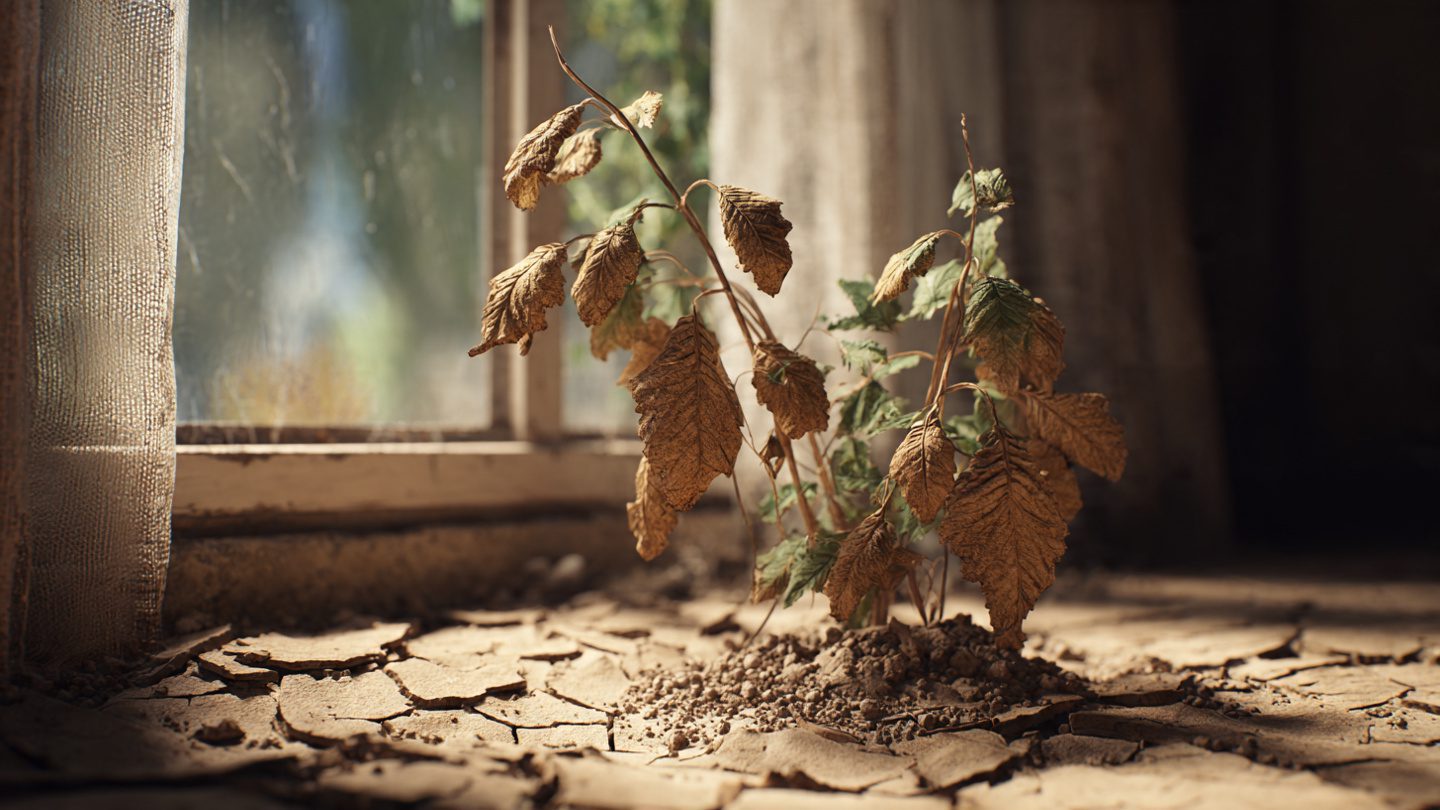
If you are searching for How to revive a wilted plant when I forgot to water it, you are not alone. This is one of the most common plant emergencies for both beginners and professionals. Plants wilt quickly when they lose water because water supports cell structure and nutrient transport. When water disappears, leaves droop, stems weaken, and the plant enters survival mode. The good news is that learning how to revive a wilted plant fast, how to fix an underwatered plant, and how to save a dehydrated plant quickly can restore your plant within hours or days. Many plants look dead but are actually in a temporary stress state. Fast action can reverse dehydration damage. This guide explains exactly How to revive a wilted plant when I forgot to water it, using proven emergency recovery methods used by expert growers.
Recognize Wilting Signs
Wilting is a survival signal. It tells you the plant lacks water pressure inside its cells. This pressure is called turgor pressure. Without it, the plant cannot stay upright. Leaves droop downward. Stems feel soft. The plant looks weak and lifeless.
Wilting does not always mean death. It often means dehydration. This is reversible. Early signs include dull leaves, curling edges, and dry soil. Severe signs include crispy leaves and stem collapse.
Touch the soil immediately. Dry soil confirms underwatering. Also check leaf texture. Soft wilted leaves recover faster than dry brittle leaves. Timing matters. Fast response improves recovery success.
Understanding wilting is the first step in mastering How to revive a wilted plant when I forgot to water it.
Immediate Emergency Watering
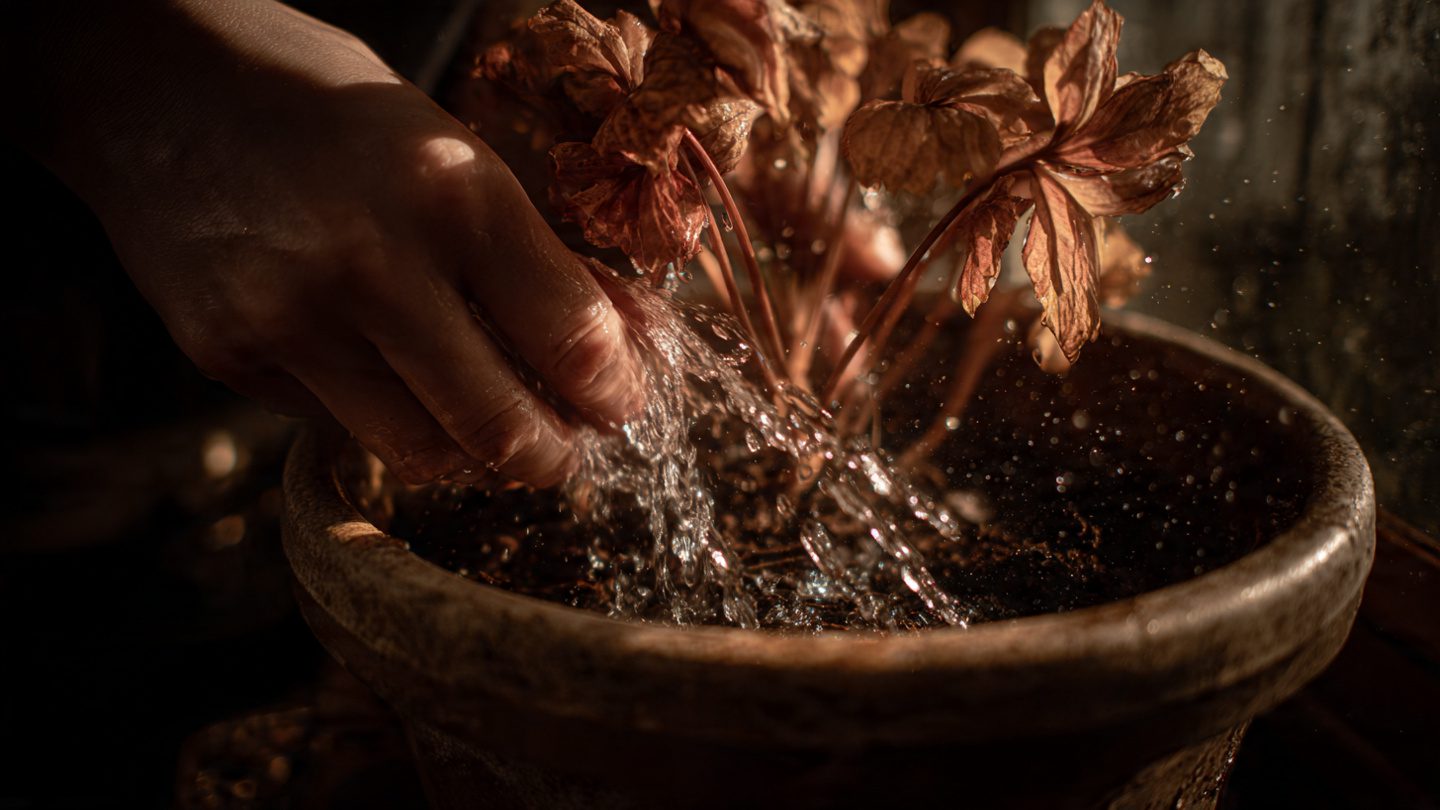
Water is the fastest cure for dehydration stress. But correct watering technique is critical. Never flood the plant instantly. Sudden flooding shocks roots. Roots need gradual hydration.
Start by watering slowly. Pour water evenly across the soil surface. Allow soil to absorb water gradually. Wait one minute. Then water again. This ensures deep penetration.
Continue until water drains from bottom holes. Drainage confirms full soil saturation. Never let plant sit in standing water. Standing water causes root rot.
This step restores internal pressure. Leaves often improve within hours. Emergency watering is the most powerful step in How to revive a wilted plant when I forgot to water it.
Deep Soil Rehydration
Dry soil often becomes hydrophobic. This means it repels water. Water runs through without absorption. This prevents root recovery.
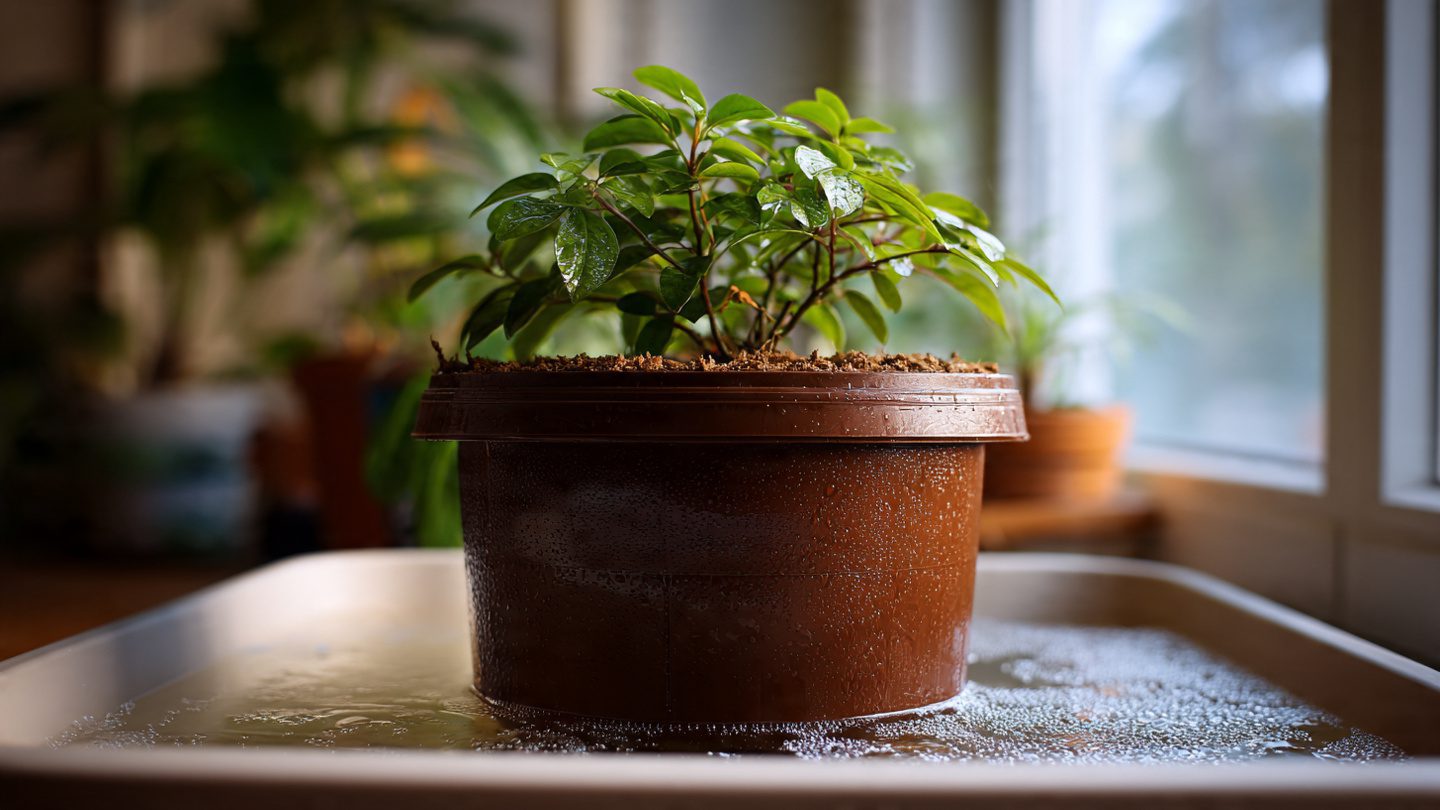
If this happens, use bottom watering. Place pot in container filled with water. Let plant absorb water from bottom. Leave for 20–40 minutes. Soil absorbs water evenly.
Remove plant after absorption. Allow excess water to drain. This restores soil moisture completely.
Deep rehydration restores root access to water. This dramatically improves recovery speed.
Move to Recovery Environment
Environmental stress worsens dehydration damage. Heat increases water loss. Direct sunlight accelerates drying.
Move plant to indirect bright light. Avoid direct sunlight during recovery. Lower light reduces stress. It allows plant to focus on repair.
Maintain moderate room temperature. Avoid heat sources. Avoid cold drafts. Stable conditions support recovery.
Environment control is essential when applying How to revive a wilted plant when I forgot to water it.
Leaf and Stem Support
Wilting weakens plant structure. Leaves lose support. Some leaves recover. Others remain damaged.
Do not remove wilted leaves immediately. Some leaves recover fully. Wait 24–48 hours. Remove only completely dead leaves.
Dead leaves waste plant energy. Removing them improves recovery efficiency. Use clean scissors.
Healthy leaves help plant produce energy. Protect remaining healthy tissue carefully.
Root Health Check
Roots may shrink during dehydration. Severe dehydration damages roots. Healthy roots recover quickly. Dead roots must be removed.
Remove plant gently from pot if condition is severe. Inspect roots carefully. Healthy roots appear white or tan. Dead roots appear dark and brittle.
Trim dead roots carefully. Use sterilized scissors. Do not damage healthy roots.
Repot in fresh soil if necessary. Fresh soil improves recovery.
Root recovery is essential in learning How to revive a wilted plant when I forgot to water it.
Humidity Recovery Boost
Humidity slows water loss. Dry air worsens dehydration. Increasing humidity accelerates recovery.
Place plant near humid environment. Use humidity tray with water. Group plants together. This increases moisture around leaves.
Avoid misting excessively. Light misting helps temporarily. Too much misting causes fungus.
Balanced humidity supports plant healing.
Recovery Timeline Expectations
Recovery begins quickly. Mild dehydration improves within hours. Severe dehydration may take days.
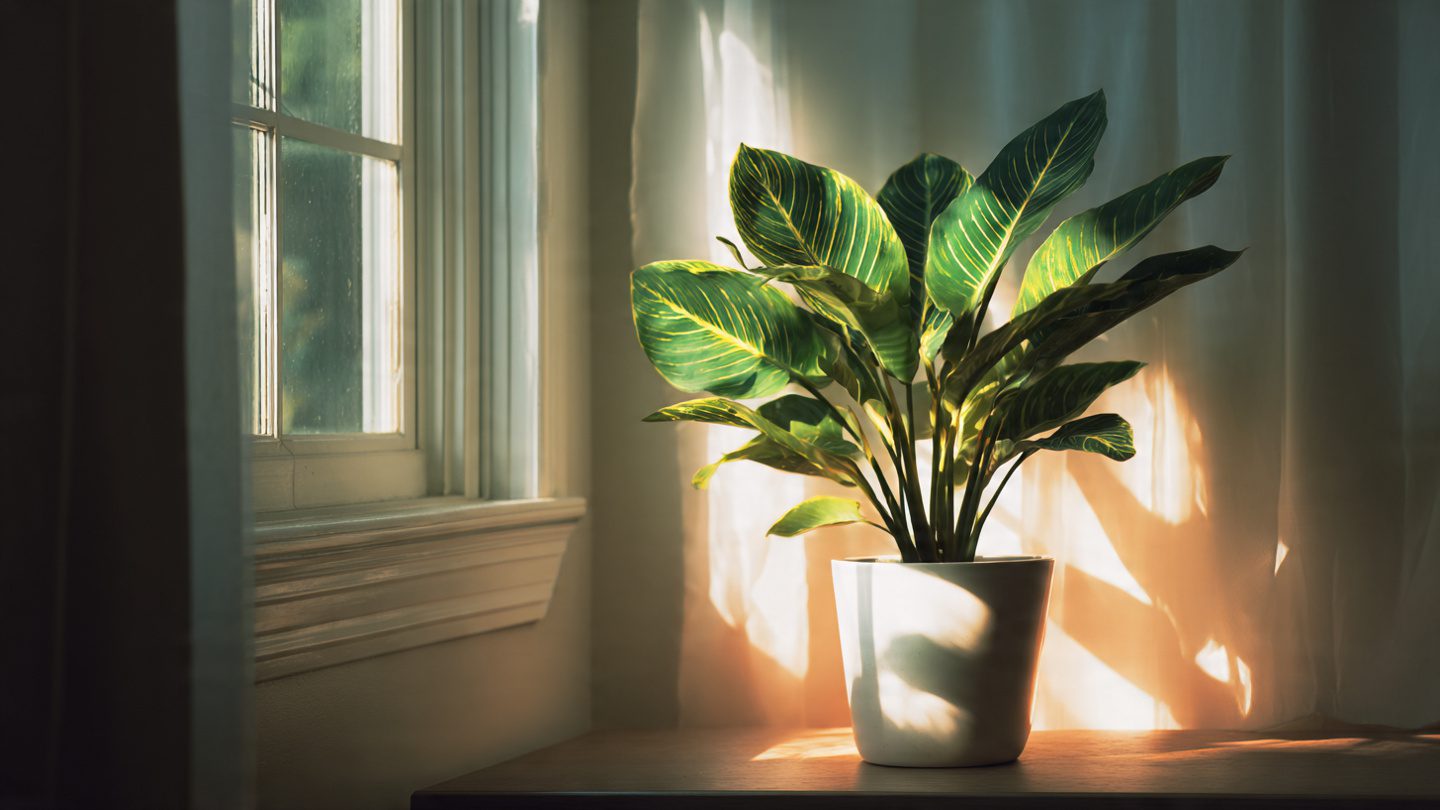
Watch for leaf firming. Leaves regain strength first. Color improves next. Growth resumes last.
New leaves indicate full recovery. Old damaged leaves may fall. This is normal.
Consistency ensures long-term success.
Monitoring progress helps ensure proper recovery.
Prevent Future Wilting
Prevention is easier than rescue. Create watering schedule. Check soil regularly. Do not rely on memory alone.
Use soil moisture testing. Finger testing works well. Moist soil feels cool. Dry soil feels dusty.
Understand plant needs. Different plants need different watering frequency. Succulents need less water. Tropical plants need more water.
Consistent care prevents future emergencies.
Advanced Recovery Methods
Severe dehydration requires advanced techniques. Root soaking is highly effective. Remove plant carefully. Soak roots briefly. Replant in fresh soil.
Propagation rescue works for extreme cases. Cut healthy stem. Place in water. Roots grow again.
Humidity domes accelerate recovery. Cover plant loosely. This traps moisture.
These advanced methods maximize survival.
They are valuable for professionals and serious plant owners.
Summary
Wilting from underwatering is reversible in most cases. Immediate correct watering restores plant function. Deep soil hydration ensures roots regain access to water. Environmental control reduces stress. Root inspection prevents long-term damage. Humidity supports healing. Prevention ensures long-term health. Fast action ensures successful plant recovery.
FAQ
Can a completely wilted plant recover?
Yes. If roots are alive, recovery is very likely with proper watering.
How fast will my plant recover?
Mild cases recover within hours. Severe cases may take several days.
Should I fertilize after recovery?
Wait until plant fully stabilizes before fertilizing.
Should I cut wilted leaves?
Wait first. Remove only dead leaves after recovery begins.
Is bottom watering better?
Yes. It ensures complete soil hydration during severe dehydration.
Call to Action (CTA)
Check your plants today. Do not wait for severe wilting. Immediate action saves plants. Apply these steps now and restore plant health fast. Healthy plants improve your environment and well-being. Start protecting your plants today.






