
 Befrey
If you are searching for How to save a dying plant fast, you are likely dealing with yellow leaves, drooping stems, dry soil, or root problems. A dying plant can often be revived quickly if you act fast and apply the right rescue steps. Many people think a plant is dead when it is only stressed. The good news is that learning how to revive a dying plant quickly, how to rescue a dying plant, and how to fix a dying plant fast can save most plants within days. Plants show clear warning signs before death. These signs include wilting, discoloration, and slow growth. When you understand these signals and respond immediately, you can restore health and growth. This guide will show you How to save a dying plant fast using proven methods used by beginners and professional growers.
Identify the Problem Fast
The first step in learning How to save a dying plant fast is accurate diagnosis. Plants rarely die suddenly. They decline due to stress factors like water imbalance, root damage, pests, or poor lighting. Look closely at the leaves. Yellow leaves often mean overwatering or nutrient deficiency. Brown crispy leaves usually mean underwatering or low humidity. Soft, mushy stems often mean root rot.
Check the soil moisture. Put your finger two to five centimeters into the soil. Dry soil means underwatering. Wet soil means overwatering. Smell the soil. A rotten smell indicates root rot. Inspect the roots if possible. Healthy roots are white or light tan. Dead roots are brown, black, and mushy.
Observe light exposure. Too much sunlight burns leaves. Too little sunlight weakens the plant. Identify the plant type. Different plants need different care. Fast diagnosis increases survival chances dramatically.
Emergency Water Correction
Water imbalance is the most common reason plants die. Correct watering can save a plant within 24–72 hours. Overwatering suffocates roots. Roots need oxygen. Without oxygen, roots rot and die. Underwatering dehydrates plant cells.
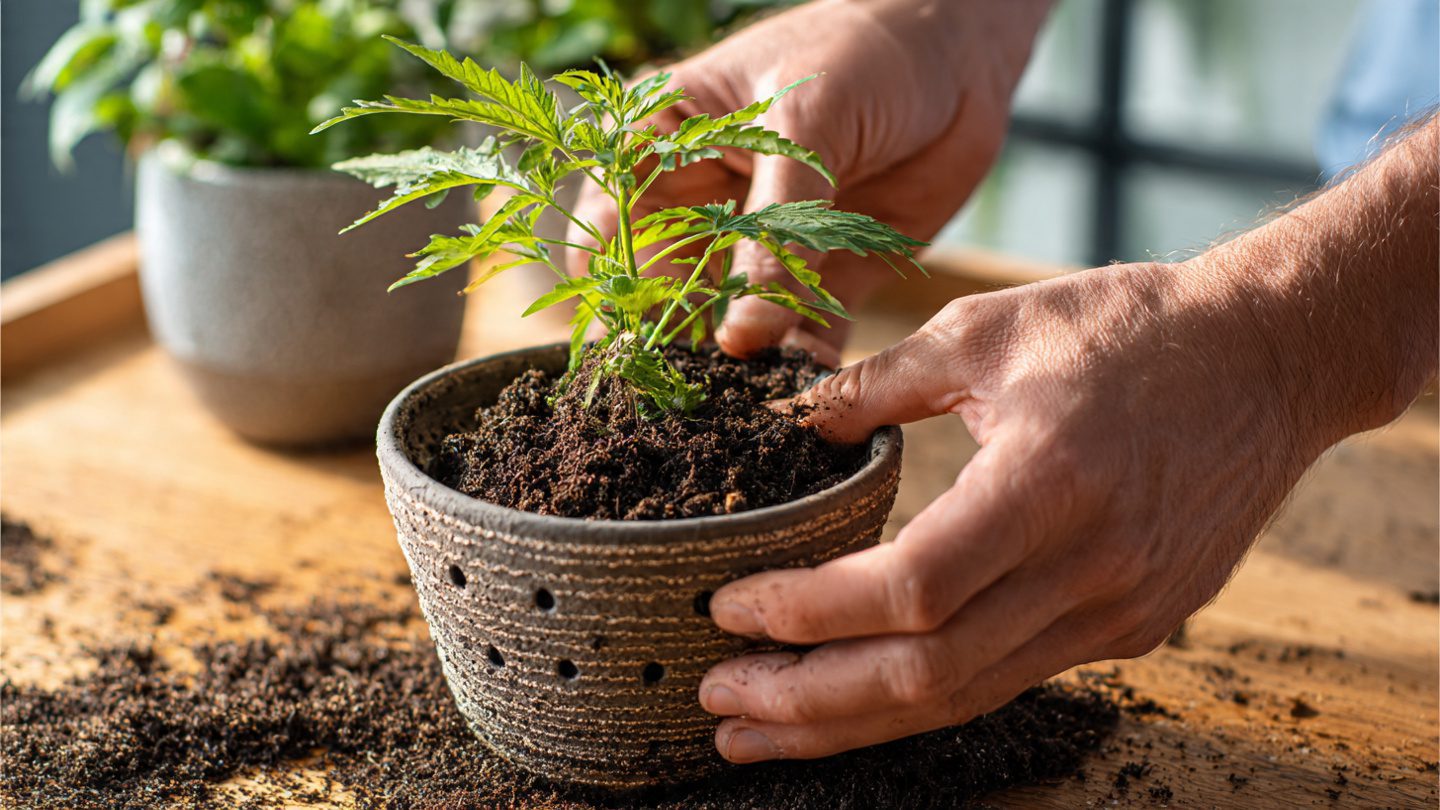
If soil is dry, water slowly and deeply. Do not flood instantly. Let soil absorb water evenly. Use room temperature water. Cold water shocks roots. After watering, wait and observe improvement.
If soil is wet and soggy, stop watering immediately. Remove plant from pot if needed. Let roots dry for several hours. Replace wet soil with fresh dry soil. Ensure drainage holes exist. Proper drainage is critical.
Correct watering alone can restore many plants quickly. This is a key step in How to save a dying plant fast.
Root Inspection and Repair
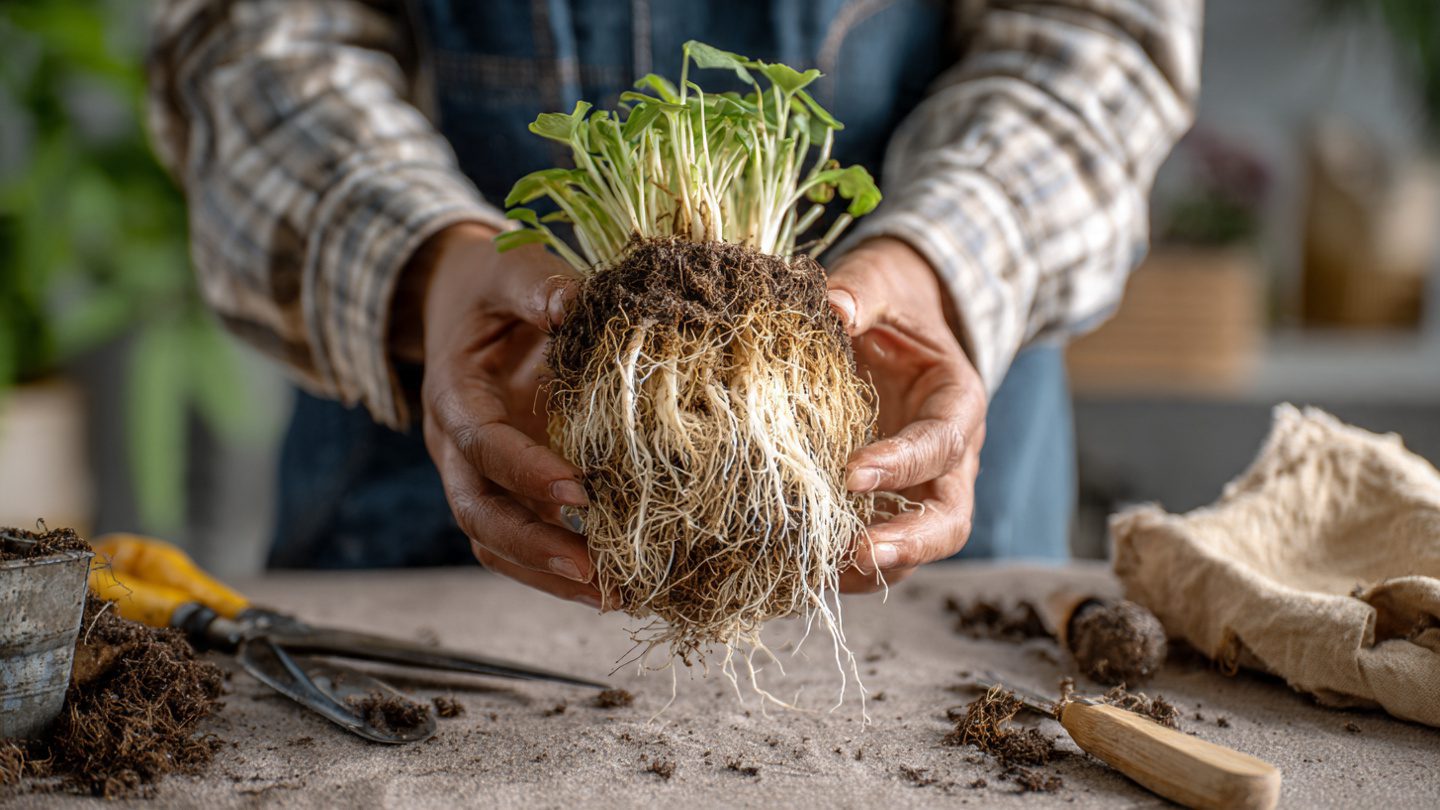
Roots are the life system of the plant. Damaged roots prevent nutrient absorption. Root rot is deadly but treatable if caught early. Remove plant gently from the pot. Shake off excess soil. Inspect roots carefully.
Healthy roots are firm and light colored. Dead roots are dark and soft. Cut dead roots using sterilized scissors. Do not cut healthy roots. Removing dead roots prevents infection spread.
After trimming, repot plant in fresh soil. Use well-draining soil mix. Avoid compact soil. Loose soil improves oxygen flow. Oxygen is essential for root recovery.
This step alone can revive severely dying plants. Root repair is essential in learning How to save a dying plant fast.
Correct Light Exposure
Light is energy for plants. Without proper light, plants weaken fast. Too much light burns leaves. Too little light starves the plant. Both situations cause decline.
Move plant to indirect bright light. Avoid direct harsh sunlight during recovery. East-facing windows are ideal. Use grow lights if natural light is weak. Keep light consistent daily.
Watch plant response over several days. New growth indicates recovery. Healthy leaves appear green and strong. Light correction often shows visible improvement quickly.
Lighting adjustment is one of the fastest ways to revive plant health.
Remove Dead and Damaged Parts
Dead plant parts drain energy. The plant wastes resources trying to repair dead tissue. Removing damaged parts allows plant to focus on survival and regrowth.
Use clean scissors. Remove yellow leaves. Remove brown leaves. Remove dead stems. Cut above healthy tissue. Do not remove healthy leaves.
Pruning stimulates recovery. It also improves airflow. Better airflow reduces disease risk. This is a simple but powerful recovery method.
Pruning is critical when applying How to save a dying plant fast techniques.
Repot in Fresh Soil
Old soil loses nutrients. Old soil may contain bacteria or fungus. Fresh soil provides nutrients and oxygen. Repotting can save plants immediately.
Choose correct pot size. Do not use oversized pots. Oversized pots hold too much water. Use pot with drainage holes.
Use high-quality soil mix. Different plants need different soil. Succulents need fast-draining soil. Tropical plants need moisture-retaining soil.
Repotting refreshes the entire root environment. This dramatically increases survival chances.
Improve Humidity and Airflow
Humidity affects plant survival. Many plants die due to dry air. Indoor air is often too dry. Especially in winter. Low humidity damages leaves.
Increase humidity using simple methods. Place water tray near plant. Use humidifier if available. Group plants together. This increases local humidity.
Ensure airflow exists. Do not place plant in closed space. Air circulation prevents fungus. Healthy air improves recovery speed.
Humidity balance is essential for saving stressed plants fast.
Nutrient Recovery Strategy
Nutrients are essential for plant health. Lack of nutrients weakens plants. But over-fertilizing also kills plants. Use fertilizer carefully during recovery.
Do not fertilize immediately after rescue. Wait until plant stabilizes. Use weak fertilizer solution. Use half strength only.
Nitrogen improves leaf growth. Potassium improves strength. Phosphorus improves root recovery.
Proper nutrition accelerates plant healing and growth.
Pest and Disease Treatment
Pests weaken plants fast. Common pests include spider mites, aphids, and fungus gnats. They suck plant sap. This reduces plant energy.
Inspect leaves carefully. Look under leaves. Small dots or webs indicate pests. Remove pests manually. Wash leaves gently.
Use natural pest control if needed. Neem oil works well. Apply lightly. Avoid overuse.
Removing pests allows plant recovery.
Recovery Monitoring
Plant recovery takes time. Some plants recover in days. Others need weeks. Monitor daily. Look for new growth. New leaves mean success.
Avoid overreacting. Do not constantly repot. Stability helps recovery. Maintain consistent care.
Keep watering balanced. Maintain light and humidity. Consistency is key.
Monitoring ensures successful plant rescue.

Advanced Rescue Techniques
Advanced techniques help severe cases. These include root soaking, humidity domes, and propagation rescue.
Root soaking rehydrates roots safely. Humidity domes increase moisture. Propagation allows plant cloning.
Cut healthy stem. Place in water. Roots grow. New plant forms.
This saves plants that cannot be saved normally.
Advanced techniques maximize survival success.
Summary
Saving a dying plant fast is possible with immediate action. Diagnose the problem quickly. Correct watering immediately. Repair damaged roots. Improve lighting conditions. Repot into fresh soil. Remove dead leaves. Improve humidity and airflow. Monitor recovery daily. These steps restore plant health quickly. Most plants can recover fully with proper care.
FAQ
How do I know if my plant is dying or just stressed?
Check roots and stems. If roots are firm and stems are alive, plant can recover. Stress is reversible.
Can a completely wilted plant recover?
Yes. If roots are alive, recovery is possible. Proper watering and humidity help restore health.
How fast can a plant recover?
Some plants recover in 24–72 hours. Full recovery may take weeks.
Should I fertilize a dying plant immediately?
No. Wait until plant stabilizes. Fertilize only after recovery begins.
Is repotting necessary?
If roots or soil are damaged, repotting is essential.
Call to Action (CTA)
Do not throw away your dying plant yet. Apply these rescue steps immediately. Observe your plant daily. Small changes produce big results. Start plant recovery today and bring your plant back to life fast. Healthy plants improve air quality and mood. Take action now and save your plant.






