
How to Fix Brown Tips on Leaves and Not Harm the Plant: Complete Recovery and Prevention Guide
 Befrey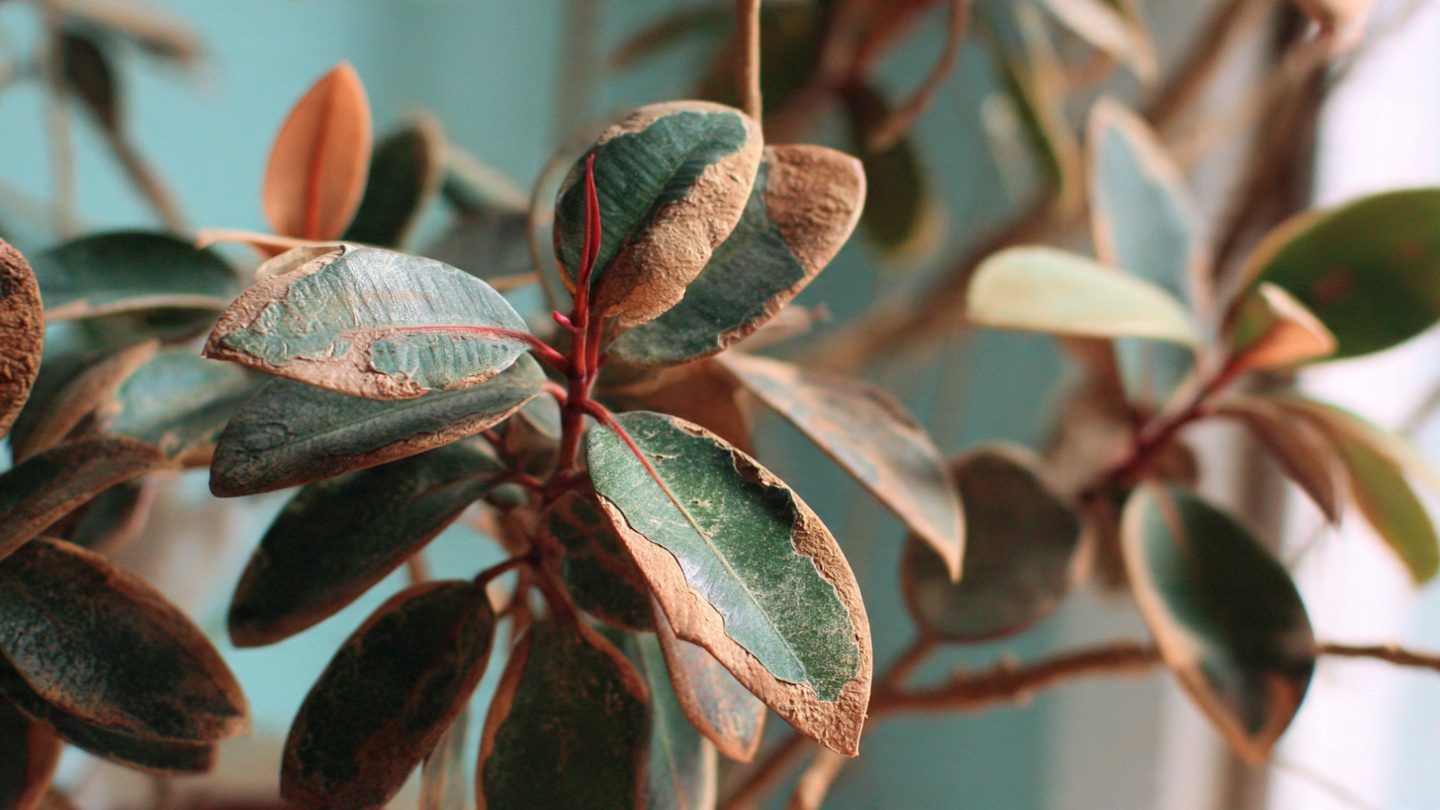
Brown tips on leaves are one of the most common plant problems. They often appear suddenly and make plants look unhealthy. Many plant owners worry that their plant is dying. The good news is that How to fix brown tips on leaves and not harm the plant is completely manageable when you understand the cause. Brown leaf tips are usually a sign of stress, not permanent damage. If you act early, you can stop the problem and restore healthy growth. This guide explains How to fix brown tips on leaves and not harm the plant, how to repair brown leaf edges safely, and how to prevent brown leaf tips from returning. Whether you grow indoor plants or outdoor plants, these expert methods will help you protect and restore your plant safely.
Identify the Root Cause
Before you fix anything, you must identify the real cause. Brown leaf tips are a symptom. They do not appear randomly. Plants develop brown tips when their internal balance is disrupted. This may involve water, humidity, nutrients, roots, or environment. Proper diagnosis prevents further damage.
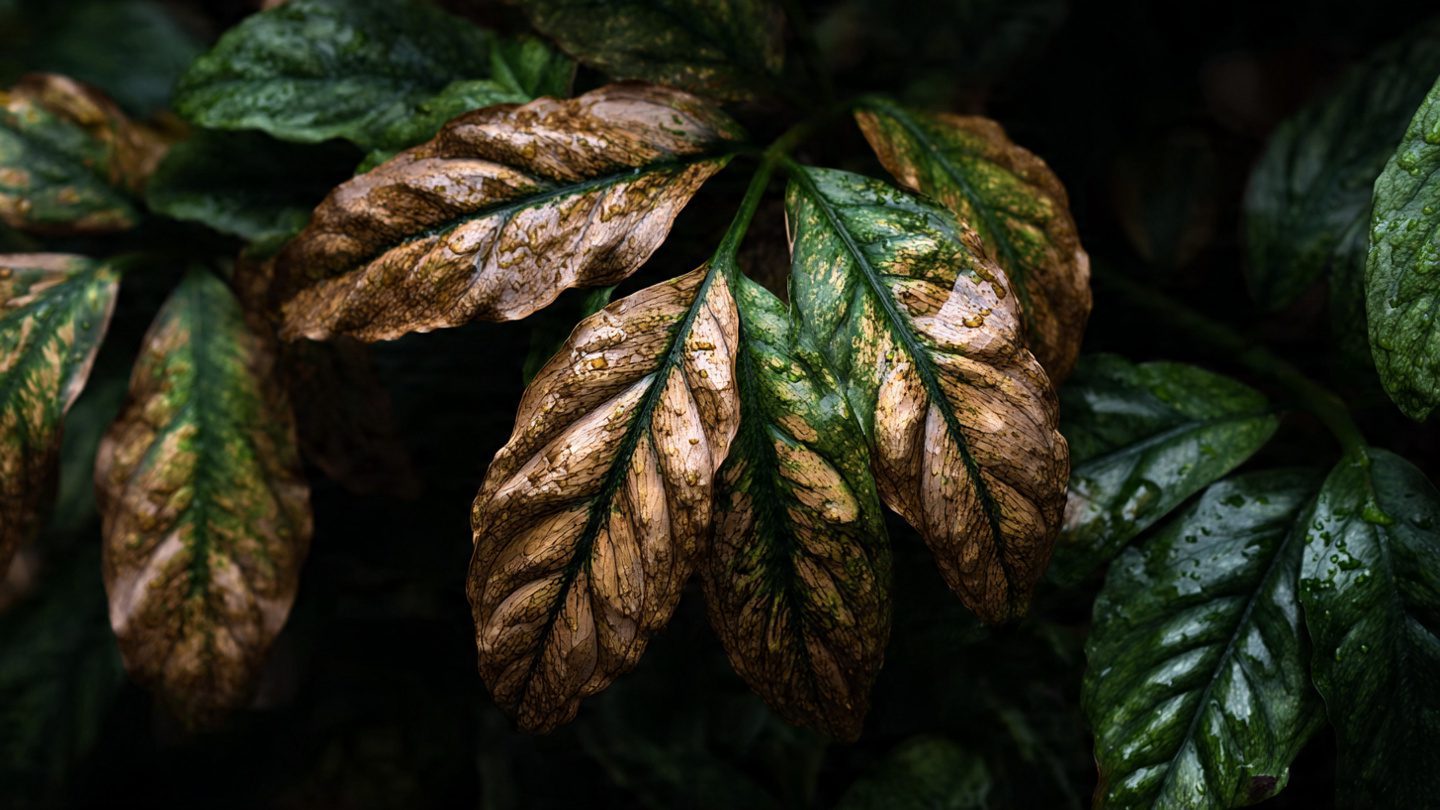
Observe the pattern carefully. Are only the tips brown? Are edges crispy? Are multiple leaves affected? Each pattern tells a different story. Brown tips often indicate dehydration stress. This can be caused by underwatering or low humidity.
Check soil moisture first. Insert your finger into the soil. Dry soil suggests underwatering. Constantly wet soil suggests root stress. Also check environmental conditions like air dryness and temperature.
Correct diagnosis is the most important step in learning How to fix brown tips on leaves and not harm the plant.
Watering Problems
Underwatering Stress
Underwatering is a leading cause of brown tips. When plants do not receive enough water, the leaf tips dry first. This happens because water cannot reach the farthest parts of the leaf. The tips lose moisture and turn brown.
Dry soil prevents proper nutrient transport. This weakens the entire plant. Leaves lose flexibility and become brittle.
This problem often occurs when watering is inconsistent. Many plant owners water too lightly. This leaves deeper roots dry.
Overwatering Damage
Overwatering also causes brown tips. This may seem confusing, but it is true. Too much water damages roots. Damaged roots cannot absorb moisture efficiently. This leads to dehydration symptoms, including brown tips.
Overwatering also causes root rot. Root rot prevents nutrient absorption. This weakens leaves.
Correct Watering Technique
Water deeply and evenly. Allow excess water to drain out. Never let plants sit in standing water. Always check soil before watering.
Consistent watering is critical for prevention.
Low Humidity Damage
Dry Air Effects
Low humidity is a major cause of brown leaf tips, especially indoors. Many indoor environments have dry air. Heating systems reduce humidity significantly. Plants lose moisture faster than they can absorb it.
This causes leaf tips to dry out first. Tropical plants are especially sensitive. These plants evolved in humid environments.
Common affected plants include peace lilies, spider plants, and calatheas.
Increase Humidity Safely
Use a humidity tray. Place water near the plant. As water evaporates, humidity increases.
Use a humidifier if possible. Group plants together to create a humid microclimate.
Avoid placing plants near heaters or air conditioners.
Humidity control is essential when learning How to fix brown tips on leaves and not harm the plant.
Salt and Mineral Buildup
Fertilizer Salt Damage
Fertilizers contain salts. Over time, these salts accumulate in soil. Excess salts damage roots. This causes leaf tip burn.
Tap water also contains minerals. These minerals build up slowly. This affects sensitive plants.
Brown tips caused by salt buildup often appear dry and crispy.
How to Remove Salt Buildup
Flush the soil with clean water. Water thoroughly until excess drains out. This removes excess salts.
Use filtered or distilled water if possible. This prevents mineral buildup.
Avoid overfertilizing. Follow fertilizer instructions carefully.
This protects roots and prevents future damage.
Lighting Stress
Excess Light Damage
Too much direct sunlight causes leaf damage. This includes brown tips. Sunlight increases water loss. This dries leaf tips.
Sensitive plants cannot tolerate strong direct sun.
Sudden exposure increases risk.
Low Light Stress
Low light also weakens plants. Weak plants cannot regulate moisture efficiently. This causes leaf damage over time.
Correct Light Placement
Place plants in bright indirect light. Avoid sudden lighting changes. Adjust gradually.
Proper lighting strengthens plant health.
Root Health Problems
Root Bound Stress
Root-bound plants suffer stress. Roots cannot absorb enough water. This leads to brown tips.
Roots need space to function properly.
Root Rot Damage
Root rot destroys root tissue. Damaged roots cannot supply water to leaves. This causes brown tips and yellow leaves.
Root Recovery Steps
Repot into fresh soil. Use a larger container. Trim damaged roots.
Healthy roots restore leaf health.
Safe Trimming Techniques
Should You Cut Brown Tips?
Yes, trimming improves appearance. It also helps plants focus on healthy growth. However, improper cutting causes further damage.
Always use clean scissors. Dirty tools spread disease.
Correct Cutting Method
Trim only the brown area. Do not cut into healthy tissue. Follow the natural leaf shape.
Avoid removing too much leaf area. Leaves produce energy.
Safe trimming is essential when practicing How to fix brown tips on leaves and not harm the plant.
Step-by-Step Recovery Plan
Follow these proven steps:
Step 1: Check Watering
Adjust watering immediately.
Step 2: Improve Humidity
Increase moisture in air.
Step 3: Flush Soil
Remove excess salts.
Step 4: Inspect Roots
Repot if necessary.
Step 5: Adjust Lighting
Provide proper light conditions.
Step 6: Trim Brown Tips
Remove damaged tissue safely.
This plan works for most plants.
Long-Term Prevention Strategy
Prevention is the best solution. Healthy plants resist damage better.
Water consistently. Avoid extremes. Monitor soil moisture regularly.
Maintain proper humidity. Avoid dry air.
Use quality soil. Repot when necessary.
Avoid fertilizer overuse.
Monitor plant health regularly.
Consistency prevents brown tips.
Understanding How to fix brown tips on leaves and not harm the plant ensures long-term plant health.
Professional Plant Care Tips
Professional growers prevent stress before it appears. They monitor environment daily. They use proper watering schedules.
They use filtered water. They maintain stable humidity.
They inspect plants weekly.
They adjust care based on plant species.
These habits ensure healthy plants.
Save a Dying Plant Fast: Emergency Rescue Guide for Any Plant
Revive a Wilted Plant When I Forgot to Water It: Complete Rescue Guide for Fast Recovery
Deal With Yellow Leaves on Plants: Complete Step-by-Step Recovery Guide
Summary
Brown tips on leaves are a warning sign of plant stress. They are usually caused by watering problems, low humidity, salt buildup, root damage, or lighting issues. Identifying the cause is essential for proper treatment. Once the cause is corrected, plants recover quickly. Proper watering, humidity control, soil care, and lighting prevent future problems. Safe trimming improves plant appearance without harming growth. Understanding How to fix brown tips on leaves and not harm the plant ensures long-term plant health and strong growth.
FAQ
Can brown leaf tips turn green again?
No. Brown tips cannot turn green again. However, new healthy growth will appear after fixing the cause.
Should I cut brown tips off leaves?
Yes. Trim only the damaged area using clean scissors.
How fast do plants recover?
Recovery begins within days. Full recovery may take weeks.
Is tap water causing brown tips?
Yes. Tap water minerals can cause salt buildup.
Can overwatering cause brown tips?
Yes. Root damage from overwatering causes dehydration symptoms.
Call to Action (CTA)
Inspect your plants today. Check watering, humidity, and soil. Take action immediately if you see brown tips. Early action prevents permanent damage. Healthy plants grow faster, look beautiful, and live longer. Start fixing brown tips now and restore your plant safely.






