
How to Save an Overwatered Plant or Too Much Water in a Pot: Complete Rescue and Recovery Guide
 Befrey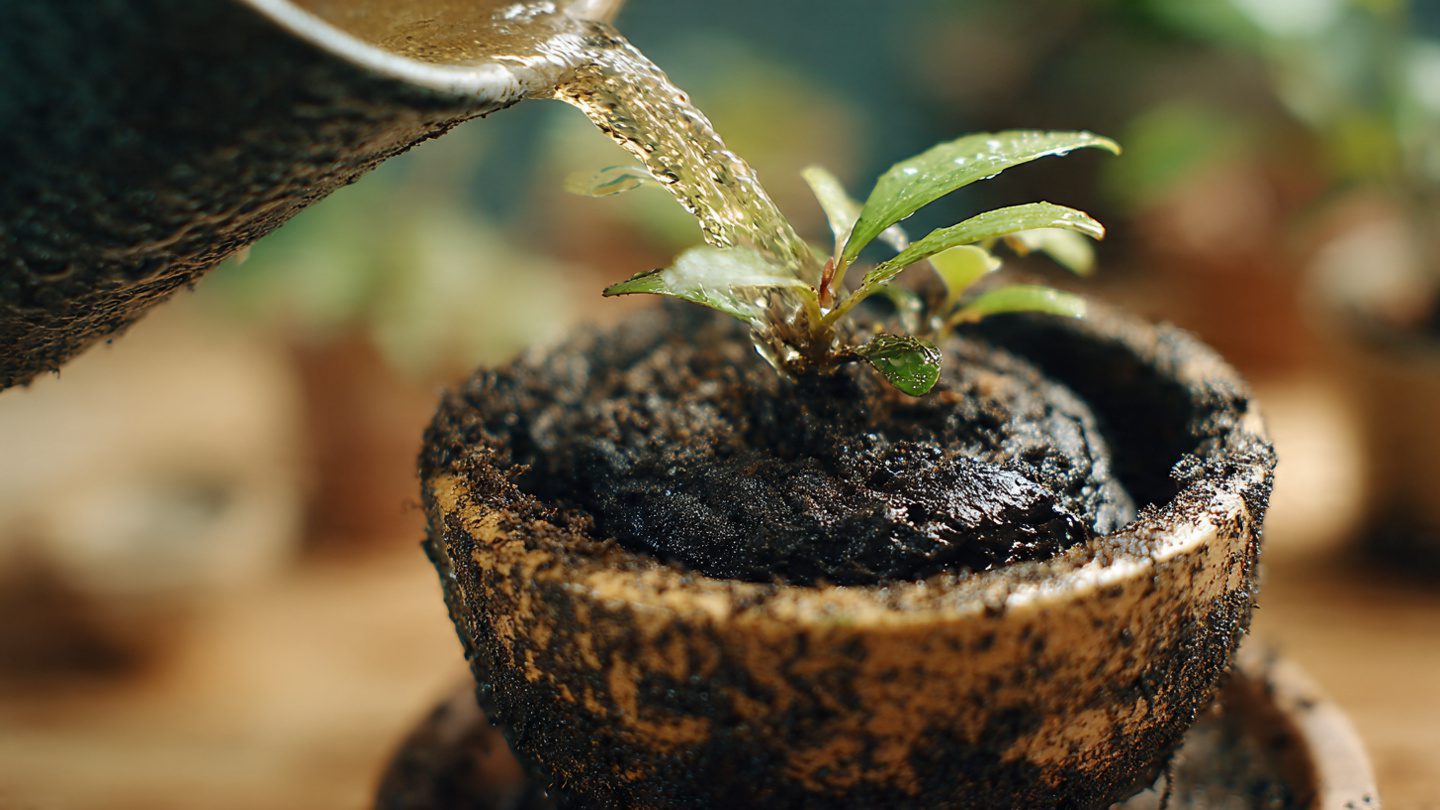
Overwatering is one of the most dangerous mistakes plant owners make. It happens fast and silently. Many people think more water means better growth. In reality, too much water suffocates roots and slowly kills the plant. The good news is that How to save an overwatered plant or too much water in a pot is a problem you can fix if you act quickly. Understanding how to rescue an overwatered plant, how to remove excess moisture from soil, and how to fix waterlogged plant roots can restore your plant to full health. This complete guide explains How to save an overwatered plant or too much water in a pot, step by step, using professional recovery methods suitable for beginners and experts.
Recognize Overwatering Signs
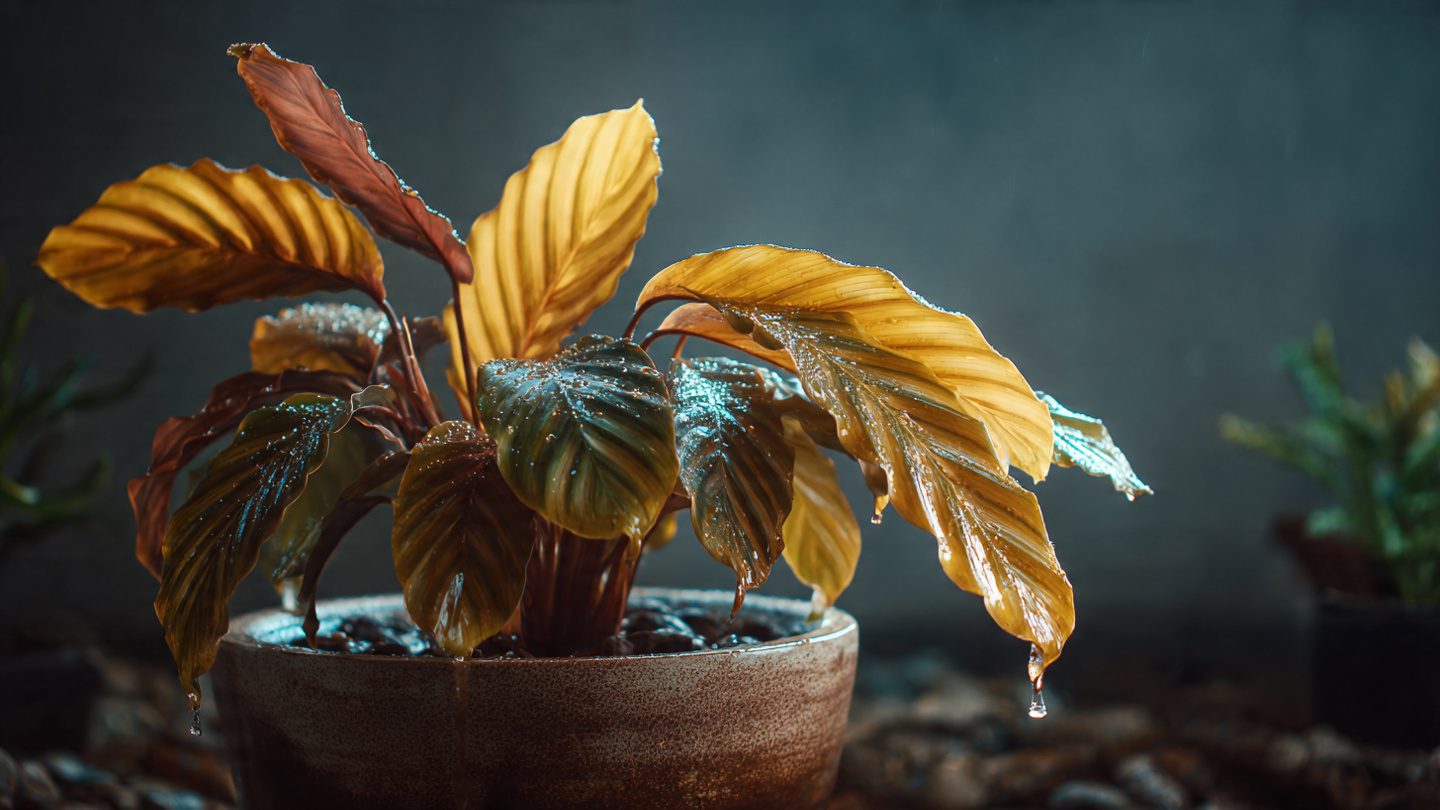
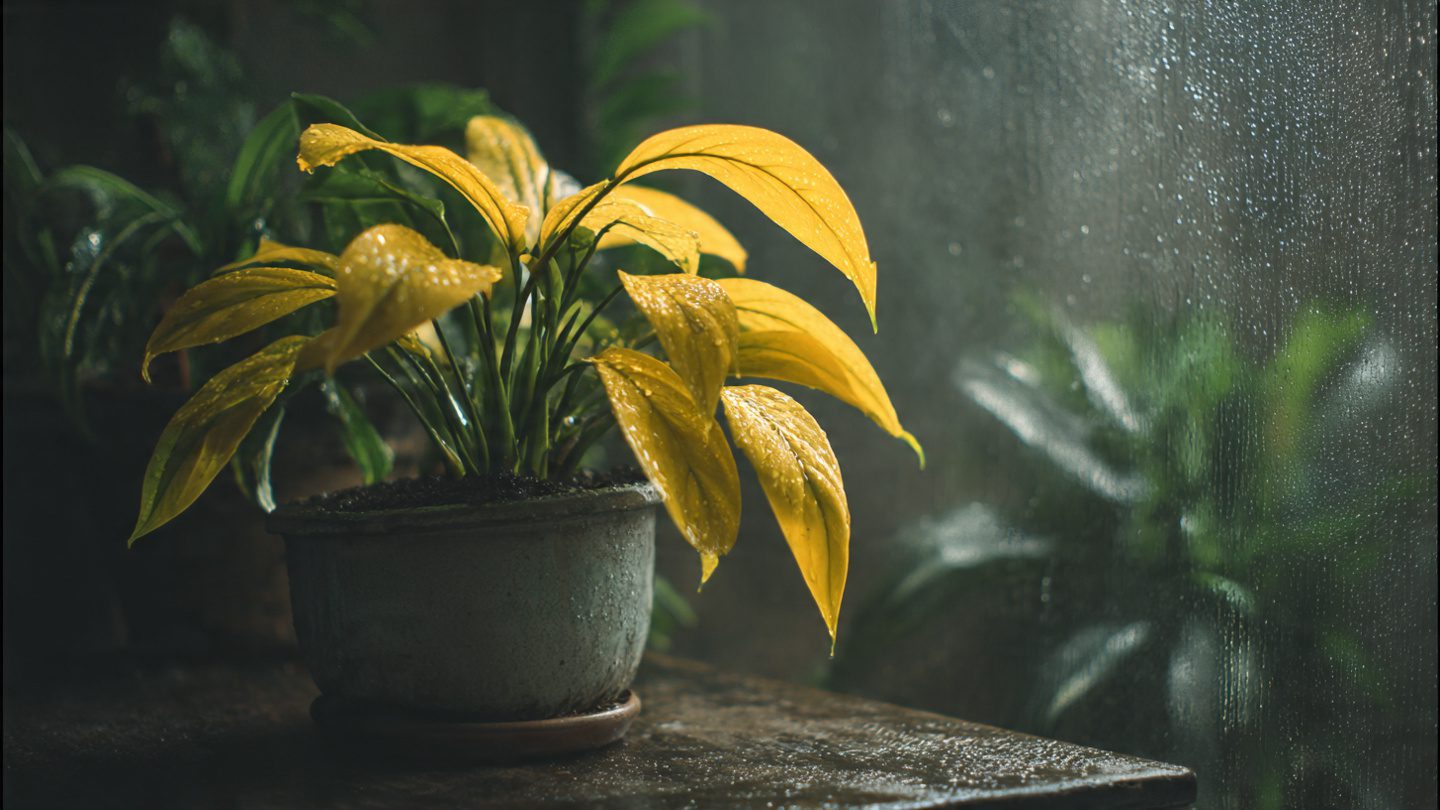
The first step is recognizing the symptoms early. Overwatered plants show clear warning signals. Leaves often turn yellow. They may feel soft and weak. Some leaves become brown or develop spots. This happens because roots cannot function properly.
The soil stays wet for many days. Healthy soil should dry gradually. Constant wet soil indicates excess water. You may also notice mold on the soil surface. Mold is a sign of excessive moisture.
Another common symptom is slow growth. Plants stop producing new leaves. Roots are under stress. They cannot absorb oxygen.
The pot may also smell bad. This indicates root rot. Root rot is a serious condition caused by excess moisture.
Early detection is critical when learning How to save an overwatered plant or too much water in a pot.
Why Overwatering Is Dangerous
Root Oxygen Loss
Roots need oxygen to survive. Water fills air spaces in soil. This blocks oxygen flow. Roots begin to suffocate. Without oxygen, roots stop working.
This prevents water and nutrient absorption. Leaves begin to yellow. Growth stops completely.
Root Rot Development
Excess moisture creates perfect conditions for fungi. These fungi attack roots. Roots become soft and brown. This condition is called root rot.
Root rot spreads quickly. If untreated, the plant dies.
Understanding these dangers helps you respond quickly.
Immediate Emergency Actions
Stop Watering Immediately
The first step is simple. Stop watering the plant completely. Do not add more water until the soil dries properly. This prevents further damage.
Many people panic and water more. This makes the problem worse.
Allow natural drying.
Improve Airflow
Move the plant to a well-ventilated area. Air circulation speeds up drying. This helps roots recover faster.
Avoid cold drafts. Stable temperature is important.
Remove Standing Water
Check the drainage tray. Remove any standing water. Standing water keeps soil wet longer.
Drainage is critical for recovery.
These emergency actions are essential in How to save an overwatered plant or too much water in a pot.
Inspect the Root System
Remove Plant Carefully
If the soil remains wet for too long, inspect the roots. Remove the plant gently from the pot. Be careful not to damage roots.
Healthy roots are white and firm. Damaged roots are brown, black, or soft.
Trim Damaged Roots
Use clean scissors. Remove rotten roots carefully. Do not remove healthy roots.
Removing damaged roots prevents infection spread.
Let Roots Dry
Allow roots to air dry for several hours. This helps stop fungal growth.
Root inspection is critical for severe cases.
Repot Using Fresh Soil
Choose Proper Soil
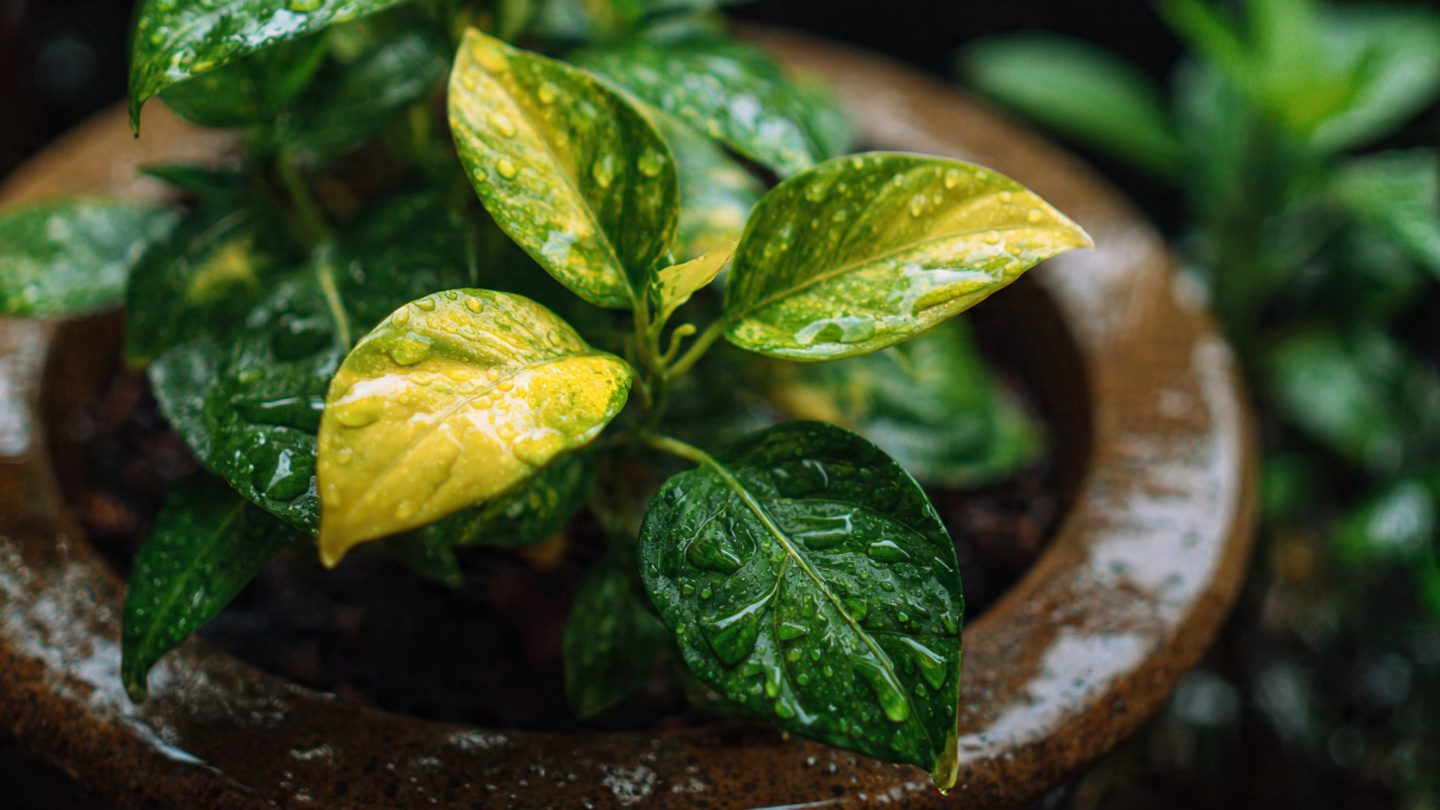
Old soil may contain fungi. Replace it with fresh, well-draining soil. Good soil contains perlite or sand. This improves airflow.
Proper soil prevents future overwatering.
Use Correct Pot
Choose a pot with drainage holes. Drainage holes allow excess water to escape. This protects roots from suffocation.
Avoid pots without drainage.
Repot Carefully
Place the plant gently into fresh soil. Do not water immediately. Allow roots to recover first.
Repotting is often the most effective recovery method.
Drying Wet Soil Safely
Natural Drying Method
Natural drying is the safest method. Place the plant in bright indirect light. Light increases evaporation.
Avoid direct sunlight. Direct sun adds stress.
Soil Aeration Technique
Loosen the top soil gently. This improves airflow. Oxygen helps roots recover.
Do not damage roots during aeration.
Absorption Method
Place dry paper towels under the pot. They absorb excess moisture. This speeds up drying.
These methods help restore balance safely.
Leaf and Plant Recovery
Remove Damaged Leaves
Trim yellow or rotten leaves. This helps the plant focus on recovery.
Use clean tools.
Support Recovery Growth
Provide stable conditions. Avoid temperature changes. Avoid fertilizer during recovery.
Fertilizer adds stress to damaged roots.
Monitor Progress
Watch new growth. New leaves indicate recovery success.
Patience is essential when practicing How to save an overwatered plant or too much water in a pot.
Prevent Future Overwatering
Check Soil First
Always check soil before watering. Never water automatically. Soil condition determines watering need.
Dry soil indicates watering time.
Use Proper Drainage
Drainage holes are essential. They prevent water accumulation.
Use well-draining soil mixtures.
Create Watering Schedule
Consistency prevents mistakes. Adjust schedule based on season.
Plants need less water in winter.
Prevention protects plant health long-term.
Professional Grower Techniques
Professional growers rarely overwater plants. They monitor soil moisture precisely. They use moisture meters when necessary.
They choose proper soil mixtures. They ensure excellent drainage.
They observe plant behavior daily.
These professional habits prevent problems.
Mastering these techniques improves plant care success.
Understanding How to save an overwatered plant or too much water in a pot protects plants permanently.
How to Fix Brown Tips on Leaves and Not Harm the Plant: Complete Recovery and Prevention Guide
How to Deal With Yellow Leaves on Plants: Complete Step-by-Step Recovery Guide
How to Revive a Wilted Plant When I Forgot to Water It: Complete Rescue Guide for Fast Recovery
Summary
Overwatering is a serious but reversible problem. Excess water suffocates roots and causes root rot. Early symptoms include yellow leaves, wet soil, and slow growth. Immediate action includes stopping watering, improving airflow, and drying soil. Severe cases require root inspection and repotting. Proper drainage and watering habits prevent future problems. Learning How to save an overwatered plant or too much water in a pot ensures long-term plant survival and healthy growth.
FAQ
Can an overwatered plant recover?
Yes. Most plants recover if treated early.
How long does recovery take?
Recovery may take 1–4 weeks depending on damage.
Should I repot immediately?
Repot only if soil stays wet too long or roots are damaged.
Can root rot be reversed?
Yes, if damaged roots are removed early.
Should I fertilize after overwatering?
No. Wait until plant fully recovers.
Call to Action (CTA)
Check your plants today. Touch the soil. If it feels wet, stop watering immediately. Early action saves plants. Follow the recovery steps in this guide to restore your plant safely. Healthy roots mean healthy growth. Protect your plants now and prevent permanent damage.






