
 Befrey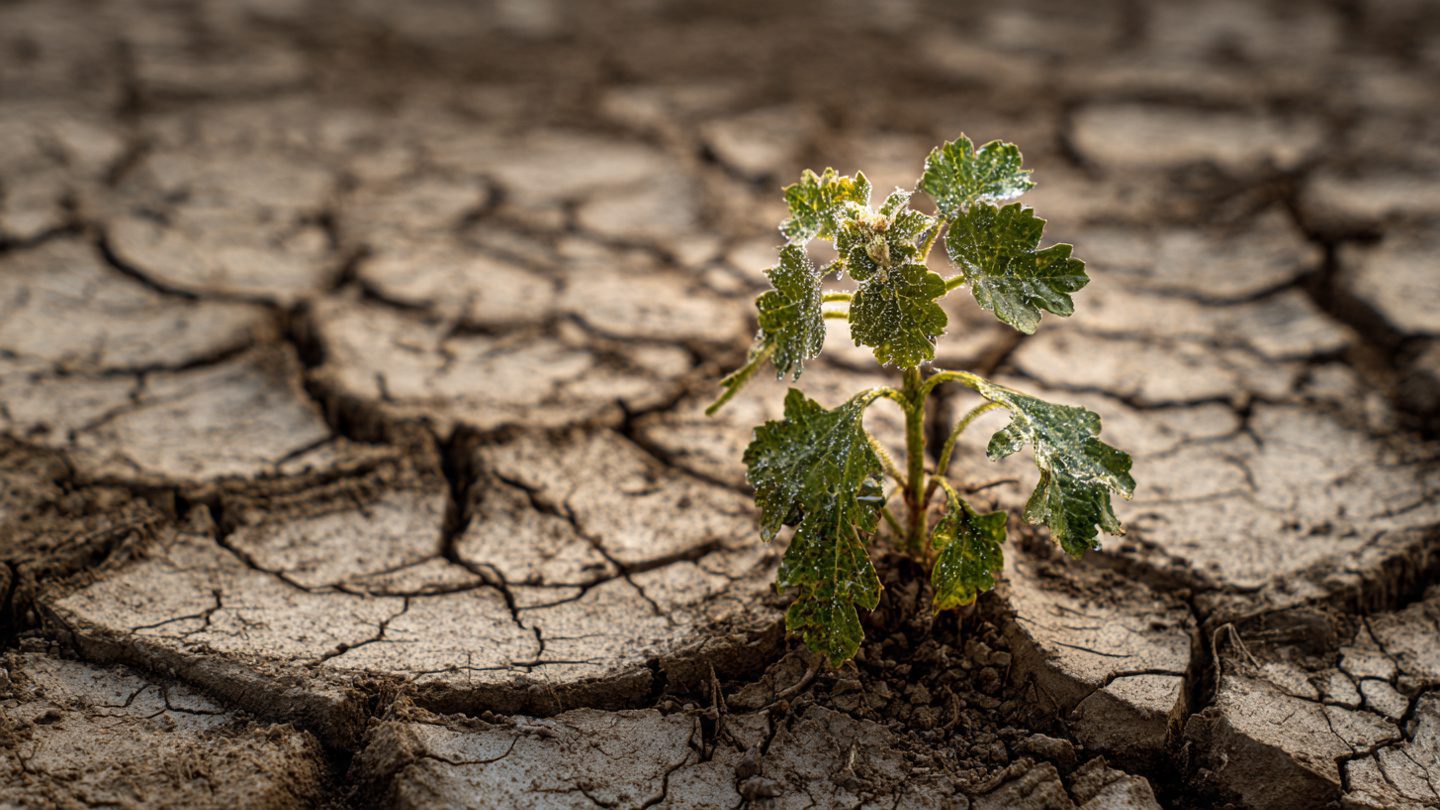
Learning How to save an underwatered plant is one of the most important skills every plant owner must master. Underwatering, also called drought stress, dehydration in plants, or lack of moisture damage, can quickly weaken or even kill indoor and outdoor plants. The good news is that most plants can recover if you act quickly and correctly. This guide explains exactly How to save an underwatered plant, how to rehydrate dry soil safely, and how to prevent permanent damage. Whether you are a beginner with your first houseplant or a professional grower managing dozens of plants, this article gives you practical, proven recovery steps, expert tips, and prevention strategies. Understanding plant hydration helps protect roots, leaves, and overall plant health. When you know the correct recovery process, you can bring even severely dehydrated plants back to life.
Underwatered plant signs
Recognizing dehydration early is the key to successful recovery. Plants show very clear warning signs when they lack water. These signs often appear gradually, but they can worsen quickly if ignored.
One of the first symptoms is dry soil. The soil becomes hard, cracked, and pulls away from the edges of the pot. This is a major warning sign. The roots cannot access water because none is available in the root zone.
Another sign is wilting leaves. The leaves lose firmness and begin to droop. This happens because plant cells lose internal pressure, called turgor pressure. Without water, the plant cannot maintain its structure.
Leaf discoloration is also common. Leaves may turn yellow, brown, or crispy. Brown tips and edges are especially typical. These areas are the first to die due to lack of water.
Slow growth is another important sign. The plant stops producing new leaves. Growth pauses completely to conserve energy and water.
Some plants drop leaves entirely. This is a survival mechanism. The plant reduces water loss by reducing leaf surface area.
Understanding these symptoms helps you act quickly. The sooner you respond, the higher the recovery success rate.
Why plants dry out
Understanding causes helps you prevent future problems. Plants become underwatered for several reasons, and most are preventable.
The most obvious cause is infrequent watering. Busy schedules or forgetfulness often lead to dehydration. Even a few extra days can stress sensitive plants.
Another cause is poor soil. Some soils dry too quickly. Sandy or low-quality soil cannot retain moisture effectively. The water drains away before roots absorb it.
Small pots also contribute to underwatering. Smaller containers hold less soil and less water. They dry out faster than larger pots.
Environmental factors play a major role. High temperatures, direct sunlight, and low humidity increase water loss. Plants in sunny windows need more frequent watering.
Indoor heating systems also dry the air. This accelerates moisture loss from soil and leaves.
According to experts at the Royal Horticultural Society, environmental conditions are one of the main causes of plant dehydration. Monitoring temperature and humidity helps prevent stress.
Knowing the cause helps you fix the problem permanently.
Immediate recovery steps
When you discover dehydration, you must act carefully. Improper watering can shock the plant further. Follow these exact steps to recover safely.
First, check the soil. Insert your finger 3–5 cm deep. If it feels completely dry, the plant needs water immediately.
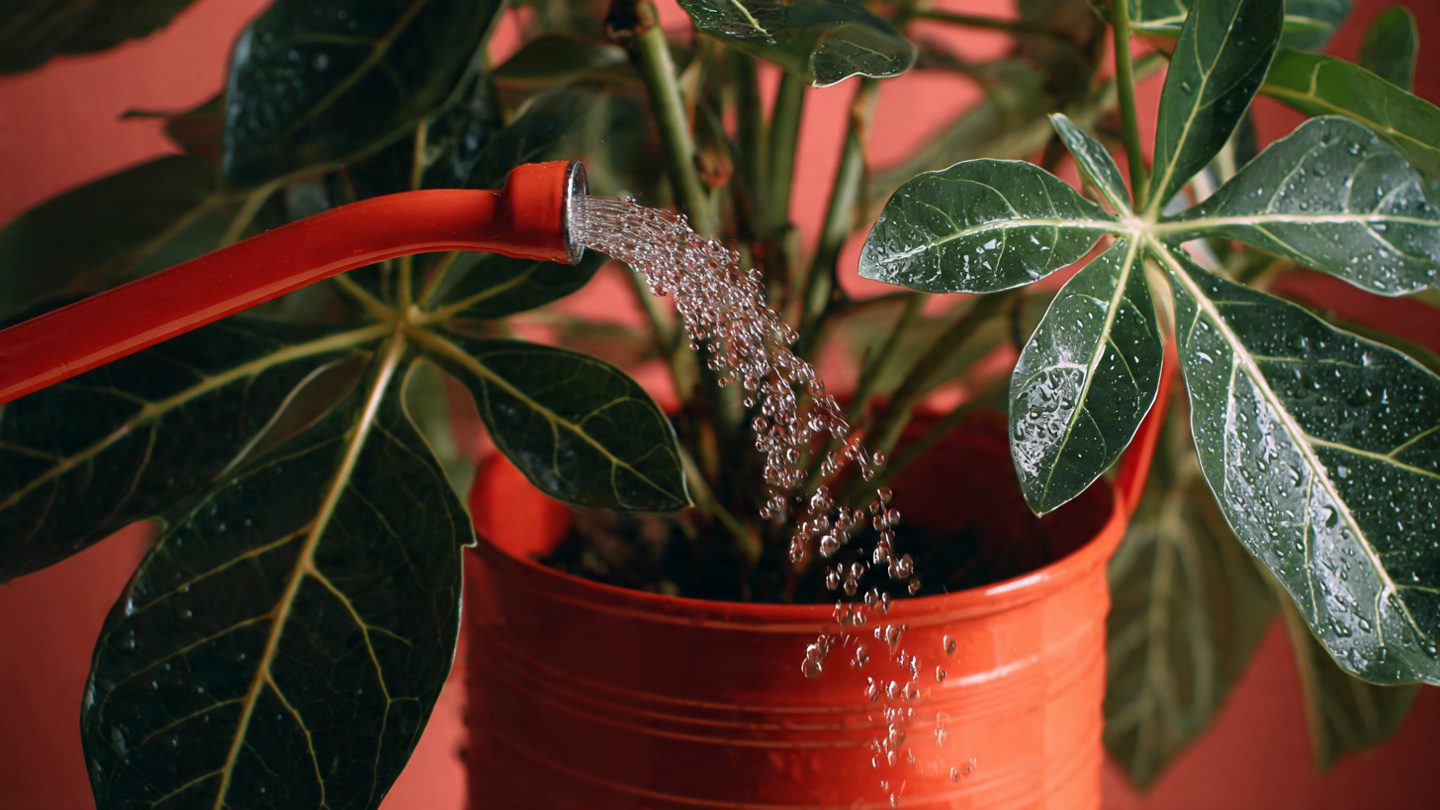
Second, water slowly. Do not pour too much water at once. Pour gradually to allow absorption. Fast watering causes runoff and uneven hydration.
Third, ensure full soil saturation. Water until excess drains from the bottom. This ensures the entire root system receives moisture.
Fourth, wait and observe. Do not water again immediately. Allow the plant time to absorb water.
Fifth, move the plant to indirect light. Direct sunlight increases stress during recovery. Indirect light helps recovery without increasing dehydration.
Sixth, avoid fertilizer. Fertilizer can damage stressed roots. Wait until the plant fully recovers.
These steps are essential for anyone learning How to save an underwatered plant properly.
Deep watering method
Sometimes normal watering is not enough. Extremely dry soil becomes hydrophobic. This means it repels water instead of absorbing it.
Bottom watering technique
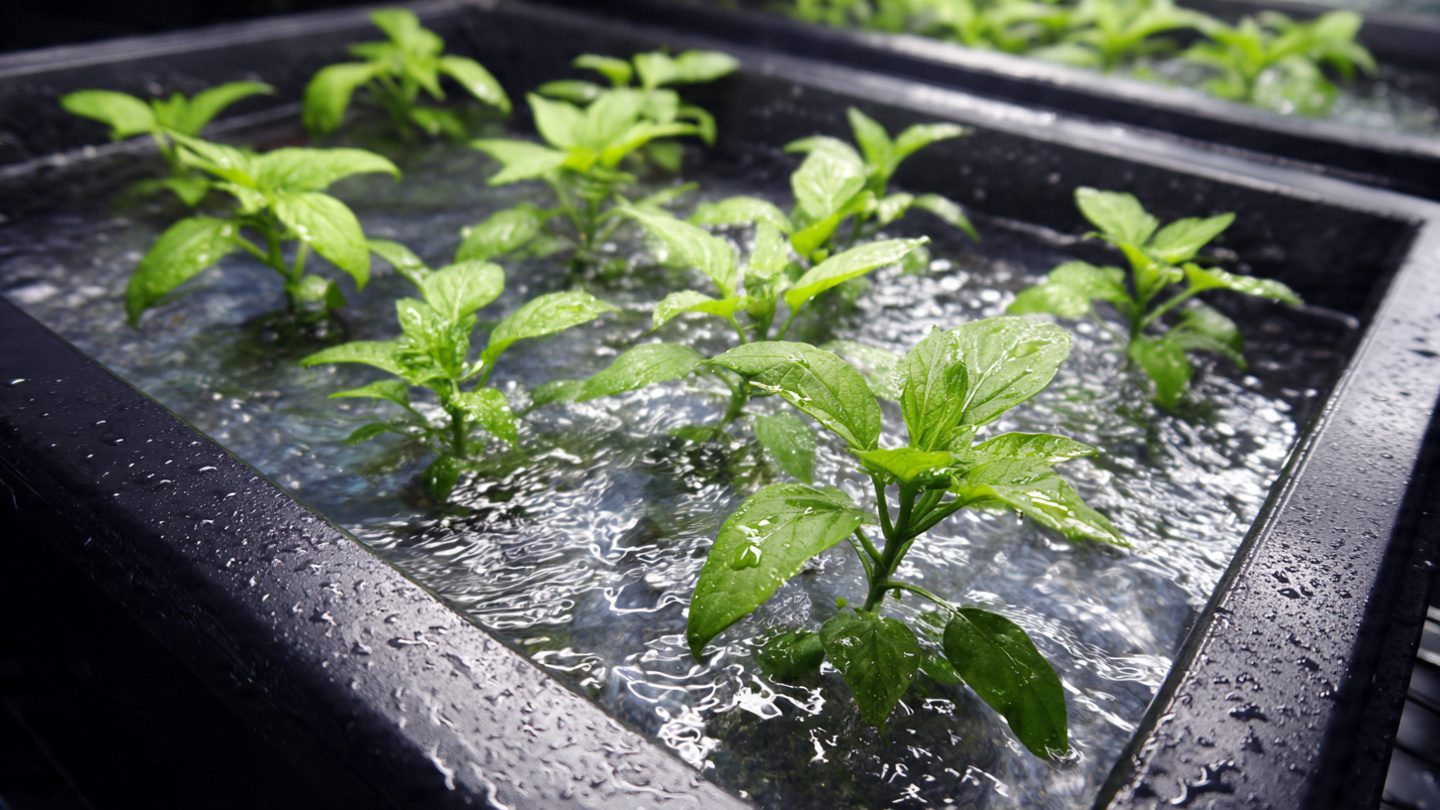
Bottom watering is one of the best recovery methods. Place the pot in a container filled with water. Allow the plant to absorb water from below.
Leave the pot in water for 20–40 minutes. The soil slowly absorbs moisture evenly. This method restores hydration safely.
This technique is especially effective for severely underwatered plants.
Soil rehydration soak
For extreme cases, soak the entire root ball. Remove the plant from the pot carefully. Place the root ball in water for 10–20 minutes.
This fully rehydrates the roots. After soaking, return the plant to its pot.
Never leave roots submerged for hours. Excess soaking can cause root rot.
This method is essential when learning advanced techniques for How to save an underwatered plant.
Leaf and root recovery
Recovery does not end after watering. You must support the entire plant system.
Leaves may not recover immediately. Some damaged leaves will remain dry or brown. This is normal.
Remove completely dead leaves. This helps the plant focus energy on healthy growth.
Check the roots if possible. Healthy roots are white or light colored. Dead roots are dark and brittle.
Trim dead roots carefully. This encourages new root growth.
Healthy roots absorb water more efficiently. This accelerates recovery.
Plant recovery may take days or weeks. Patience is essential.
Understanding root recovery is critical in mastering How to save an underwatered plant effectively.
Recovery timeline stages
Recovery happens in stages. Knowing these stages helps you monitor progress.
First 24 hours
Leaves may begin to regain firmness. Soil becomes moist again. The plant stabilizes.
First week recovery
New growth may appear. Leaves become stronger. Color improves.
Full recovery phase
Complete recovery can take 2–6 weeks. Growth resumes fully. The plant becomes stable again.
Some severe damage may remain permanent. However, most plants survive if treated early.
Monitoring progress helps ensure successful recovery.
Prevent underwatering future
Prevention is easier than recovery. Proper watering habits protect plant health.
Watering schedule guide
Create a watering routine. Check soil regularly. Do not rely only on schedules. Always check soil moisture first.
Different plants need different watering frequencies. Succulents need less water. Tropical plants need more.
Understanding plant type improves watering accuracy.
Soil improvement tips
Use high-quality soil. Good soil retains moisture while allowing drainage.
Add materials like coco coir or compost. These improve water retention.
Better soil reduces underwatering risk.
Pot size importance
Choose appropriate pot size. Larger pots retain moisture longer.
Small pots dry too quickly. Repot if necessary.
Proper containers support hydration.
These prevention methods help anyone who wants long-term success after learning How to save an underwatered plant.
Indoor plant hydration
Indoor plants need special care. Indoor environments differ from natural conditions.
Air conditioning and heating dry indoor air. This increases water loss.
Place plants away from heating vents. This reduces dehydration.
Use humidity trays if needed. Increased humidity protects plants.
Monitor sunlight exposure. Too much sunlight increases water demand.
Indoor plant monitoring improves hydration control.
Severe dehydration cases
Some plants appear completely dead. However, recovery is still possible.
Check stems for flexibility. Flexible stems indicate life. Brittle stems indicate death.
Scratch the stem lightly. Green inside means the plant is alive.
If roots remain alive, recovery is possible.
Use deep watering methods for severe cases.
Reduce light exposure during recovery.
Even severely underwatered plants can recover with proper care.
This is why understanding How to save an underwatered plant is essential.
Professional plant recovery
Professional growers use advanced techniques.
They monitor soil moisture using meters. This ensures precision.
They adjust watering based on plant species.
They use proper soil mixtures.
They monitor humidity and temperature.
These professional practices ensure consistent plant health.
Anyone can apply these techniques at home.
Long-term plant health
Recovery is only the first step. Long-term care ensures survival.
Monitor plants weekly. Check soil regularly.
Observe leaf health and growth.
Adjust watering based on season.
Summer requires more watering. Winter requires less.
Healthy habits prevent future dehydration.
Mastering long-term care completes the process of learning How to save an underwatered plant.
Internal linking strategy
To improve plant care knowledge, create internal articles such as:
-
“How to water indoor plants correctly”
-
“Best soil for houseplants”
-
“Signs of overwatering plants”
-
“How to improve plant humidity”
Use anchor text like:
-
plant watering guide
-
soil moisture tips
-
plant recovery methods
-
indoor plant care guide
These internal links strengthen SEO and user experience.
Summary
Underwatering is one of the most common plant problems, but it is also one of the easiest to fix. The key is fast action, proper watering techniques, and prevention. Always check soil moisture regularly. Use deep watering methods when necessary. Support recovery by reducing stress. Improve soil and watering habits to prevent future problems. Most plants recover fully if treated early. Mastering How to save an underwatered plant ensures long-term plant health and success.
Save an Overwatered Plant or Too Much Water in a Pot: Complete Rescue and Recovery Guide
Deal With Yellow Leaves on Plants: Complete Step-by-Step Recovery Guide
Fix Brown Tips on Leaves and Not Harm the Plant: Complete Recovery and Prevention Guide
FAQ
How quickly can an underwatered plant recover?
Most plants begin recovering within 24–72 hours. Full recovery may take several weeks depending on severity.
Should I fertilize an underwatered plant?
No. Wait until the plant fully recovers. Fertilizer can stress damaged roots.
Can completely dry plants recover?
Yes. If roots and stems remain alive, recovery is possible.
How often should I water plants?
It depends on plant type, pot size, and environment. Always check soil moisture first.
Is bottom watering effective?
Yes. It is one of the best methods for rehydrating dry soil evenly.
Call to Action (CTA)
Do not wait until your plants show severe damage. Check your plants today. Test soil moisture. Apply the recovery methods in this guide immediately if needed. Healthy watering habits will keep your plants strong, green, and thriving. Start improving your plant care routine now and protect your plants permanently.






