
 Befrey
Learning How to fix root rot in plants is essential for every plant owner, gardener, and indoor grower. Root rot, also called root decay, root disease, or rotting roots, is one of the most dangerous plant health problems. It can silently destroy your plant from below the soil surface. Many plants die because owners do not recognize the problem early enough. The good news is that root rot is often reversible if treated correctly and quickly. This guide explains exactly How to fix root rot in plants, including step-by-step recovery, root cleaning, repotting, soil correction, and long-term prevention. Whether you grow indoor plants, outdoor plants, or professional collections, understanding root rot recovery can save your plants and protect their long-term health.
Root rot symptoms
Recognizing root rot early greatly increases survival chances. Many plant owners mistake root rot symptoms for underwatering or nutrient deficiency. This leads to incorrect treatment and worse damage.
One of the most common symptoms is yellow leaves. Leaves lose their healthy green color. They may turn pale, soft, and weak. This happens because damaged roots cannot deliver nutrients and water.
Wilting is another major symptom. The plant appears thirsty even when soil is wet. This confuses many beginners. They water more, which worsens root rot.
Slow growth is also common. The plant stops producing new leaves. Growth becomes weak or completely stops.
Leaf drop occurs in severe cases. The plant tries to reduce stress by shedding leaves.
The most obvious sign is smell. Rotten roots produce a strong, unpleasant odor. This indicates bacterial or fungal infection.
Understanding these symptoms is the first step in mastering How to fix root rot in plants successfully.
Causes of root rot
Root rot is almost always caused by excess moisture. Roots need oxygen to survive. When soil stays wet too long, oxygen disappears. Roots begin to suffocate and die.
Overwatering is the most common cause. Many plant owners water too frequently. They believe more water helps plants grow faster. This is incorrect.
Poor drainage is another major cause. Pots without drainage holes trap water. Excess water has nowhere to escape.
Low-quality soil also contributes. Heavy soil holds too much water. Roots remain wet for too long.
Large pots can also cause problems. Too much soil retains excess moisture. Roots cannot absorb all water.
Environmental factors play a role. Low light reduces water usage. The soil stays wet longer.
Experts at the Royal Horticultural Society explain that poor drainage and overwatering are the primary causes of root disease in plants.
Understanding causes helps prevent future root rot.
Inspect plant roots
Inspection is the most important diagnostic step. You must confirm root rot before treatment.
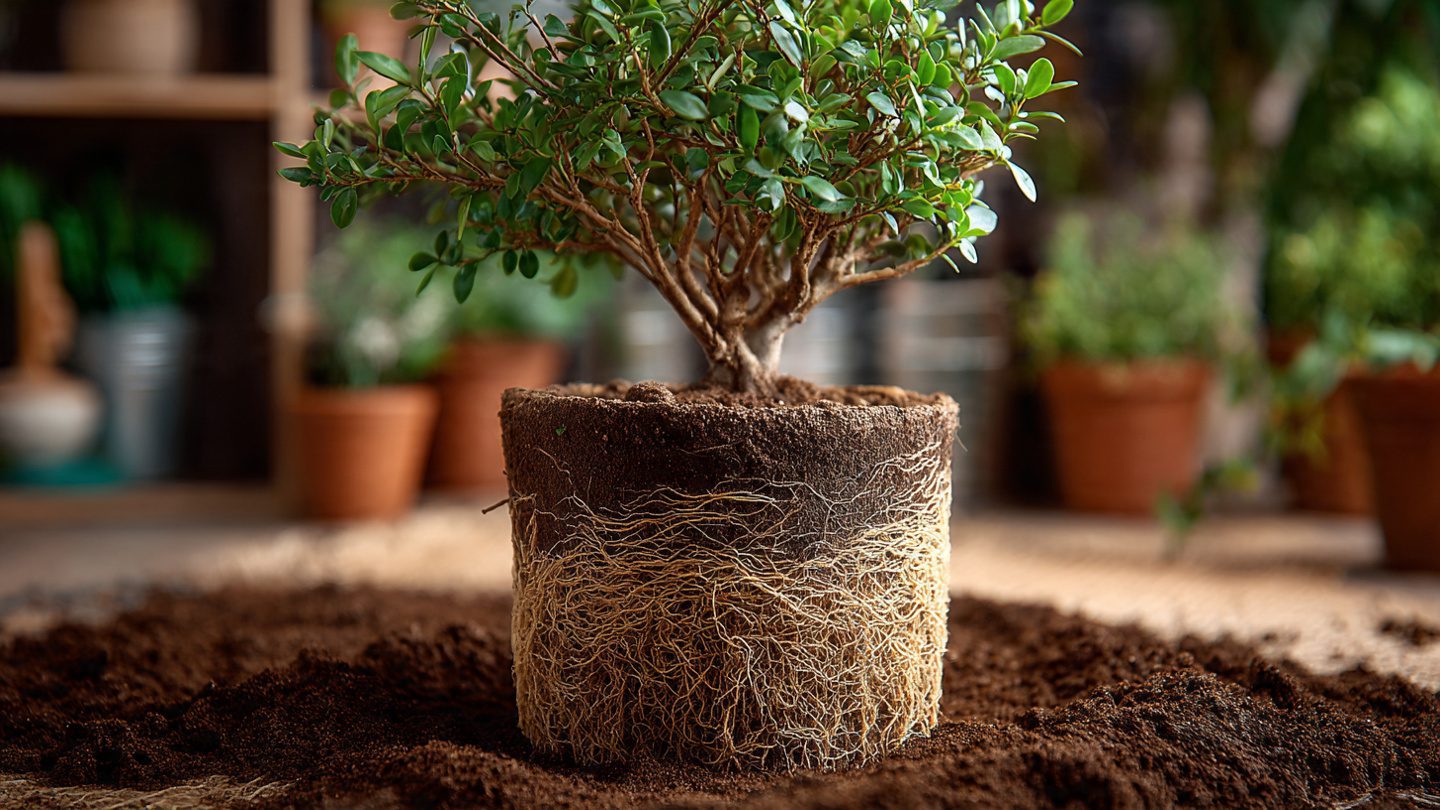
Remove the plant carefully from the pot. Do not pull forcefully. Hold the base gently.
Examine the roots closely. Healthy roots are white or light tan. They feel firm and flexible.
Rotten roots are dark brown or black. They feel soft, mushy, or slimy. They may break easily.
Smell the roots. A foul odor confirms root rot.
Check how much damage exists. Minor damage is easier to fix. Severe damage requires aggressive treatment.
Root inspection is essential for learning How to fix root rot in plants correctly.
Remove rotten roots
Removing infected roots stops the disease from spreading.
Root trimming process
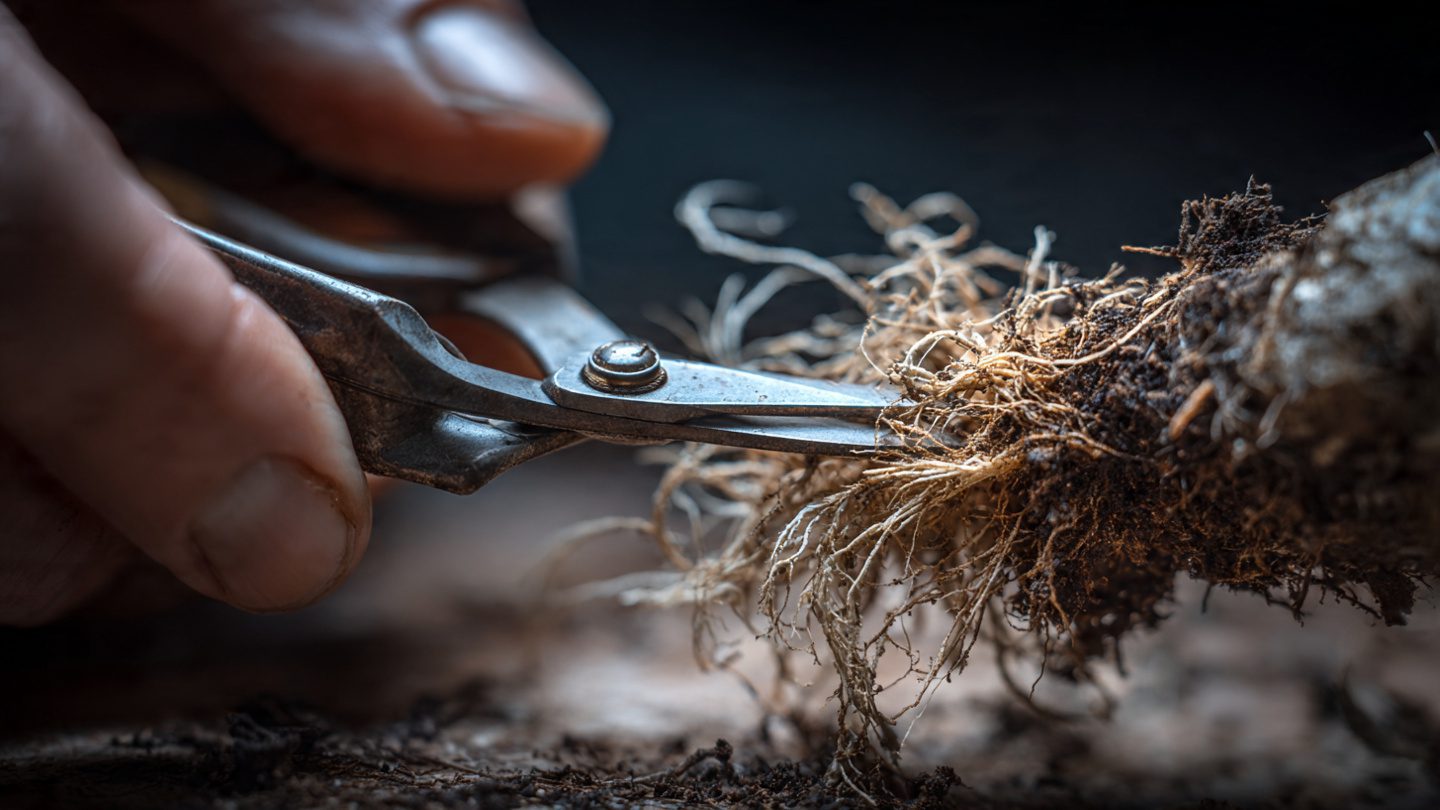
Use clean, sharp scissors or pruning shears. Sterilize tools before use. This prevents infection spread.
Cut all rotten roots carefully. Remove every soft, black, or mushy root.
Keep only healthy roots. Healthy roots support recovery.
Do not leave infected areas. Even small rot sections can spread.
Proper trimming is critical for successful recovery.
Root cleaning method
After trimming, rinse roots gently. Use clean water.
This removes bacteria and fungi.
Allow roots to dry for several minutes. This reduces infection risk.
Cleaning prepares roots for repotting.
These steps are essential when learning How to fix root rot in plants effectively.
Repotting recovery process
Repotting provides a fresh, healthy environment.
Choose new soil
Use fresh, well-draining soil. Never reuse infected soil.
Good soil contains perlite, bark, or sand. These materials improve drainage.
Proper soil prevents future rot.
Select proper pot
Use a pot with drainage holes. This allows excess water to escape.
Choose correct pot size. Avoid oversized pots.
Proper containers protect roots.
Repot plant safely
Place plant in new soil. Cover roots gently.
Do not compact soil too tightly. Roots need oxygen.
Repotting completes the recovery process.
Repotting is a key step in How to fix root rot in plants successfully.
Watering after treatment
Watering must be carefully controlled after recovery.
Do not water immediately after repotting. Allow roots to rest.
Wait 2–5 days before watering. This allows damaged roots to heal.
When watering, use small amounts. Avoid soaking soil completely.
Allow soil to dry between watering sessions.
Controlled watering prevents recurrence.
Proper watering is critical after learning How to fix root rot in plants.
Improve soil drainage
Drainage improvement prevents future problems.
Add perlite to soil. Perlite improves airflow.
Use bark or coco coir. These materials improve structure.
Avoid heavy garden soil indoors.
Use professional potting mix when possible.
Good drainage protects root health.
Drainage improvement is essential for long-term success.
Environmental recovery care
Environment affects recovery speed.
Place plant in indirect light. Avoid strong sunlight.
Strong sunlight increases stress.
Maintain stable temperature. Avoid cold or heat extremes.
Ensure good airflow. Fresh air supports recovery.
Avoid fertilizing immediately. Fertilizer stresses damaged roots.
Environmental stability helps plant recovery.
Severe root rot recovery
Severe root rot requires aggressive treatment.
Remove most infected roots.
Repot in sterile soil.
Reduce watering frequency.
Provide optimal environment.
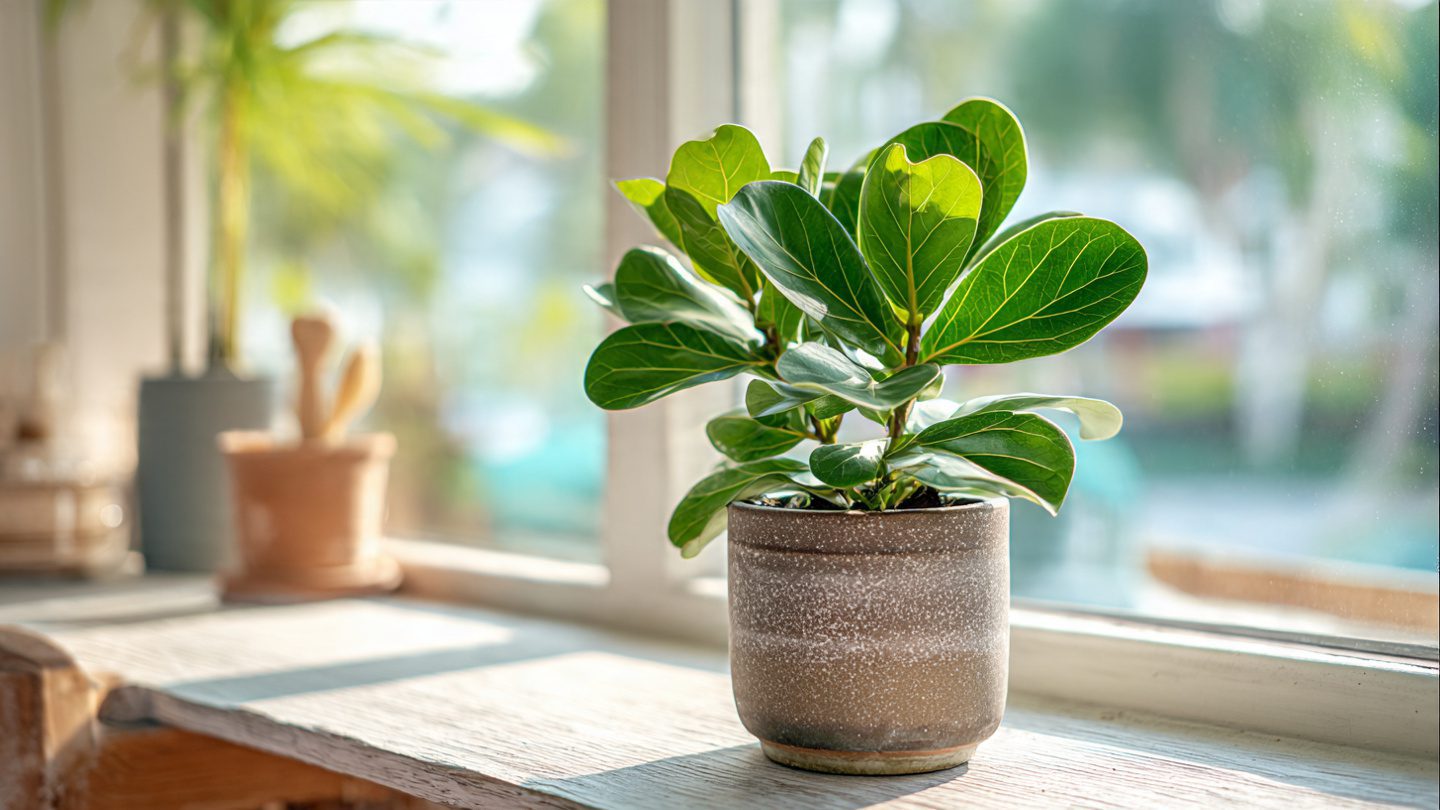
Some plants recover fully. Others may not survive.
Recovery depends on remaining healthy roots.
Even severe cases can recover with proper treatment.
This is why knowing How to fix root rot in plants is essential.
Prevent root rot future
Prevention is easier than treatment.
Proper watering schedule
Check soil moisture before watering.
Do not follow fixed schedules blindly.
Water only when soil dries partially.
Use proper containers
Always use pots with drainage holes.
Avoid decorative pots without drainage.
Monitor environment
Adjust watering based on light and temperature.
Plants need less water in winter.
Prevention ensures long-term plant health.
These prevention methods complete the process of mastering How to fix root rot in plants.
Professional plant care tips
Professionals use precise techniques.
They monitor soil moisture levels.
They use well-draining soil mixtures.
They select correct pot sizes.
They avoid overwatering.
These professional habits prevent root rot.
Anyone can apply these methods.
Internal linking strategy
Create internal articles like:
-
plant watering mistakes guide
-
how to improve soil drainage
-
how to repot indoor plants
-
signs of overwatering plants
Use anchor texts like:
-
root rot prevention tips
-
plant recovery guide
-
healthy root care
-
indoor plant rescue
This strengthens SEO structure.
Save an Underwatered Plant (Complete Step-by-Step Recovery Guide)
Overwatered Plant or Too Much Water in a Pot: Complete Rescue and Recovery Guide
Fix Brown Tips on Leaves and Not Harm the Plant: Complete Recovery and Prevention Guide
Summary
Root rot is one of the most serious plant health problems. It destroys roots and blocks water absorption. Early detection is critical. Remove infected roots immediately. Repot in fresh soil. Improve drainage and watering habits. Provide stable environment. Most plants recover if treated early. Mastering How to fix root rot in plants ensures healthy and thriving plants.
FAQ
Can root rot be completely fixed?
Yes. If healthy roots remain, recovery is possible.
How long does recovery take?
Recovery may take 2–6 weeks depending on damage.
Should I water after repotting?
Wait a few days before watering.
Can plants survive severe root rot?
Yes. Survival depends on healthy root percentage.
What causes root rot most often?
Overwatering and poor drainage.
Call to Action (CTA)
Check your plants today. Inspect roots. Improve soil and watering. Act immediately if root rot appears. Early action saves plants and ensures long-term plant health.






