
The Ultimate Guide to Deep Cleaning Your Washer: Eliminate Limescale and Restore Performance
 Befrey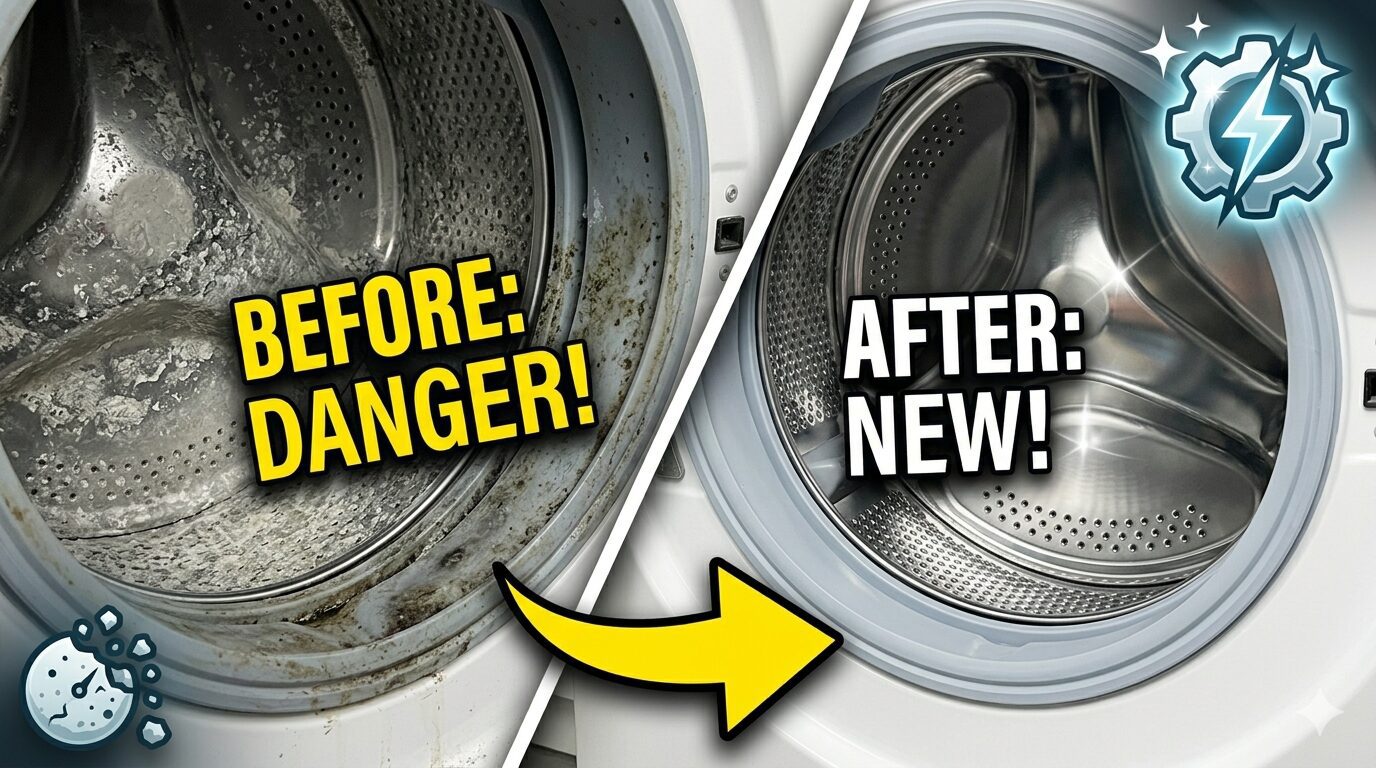
How to Descale a Washing Machine is one of the most important maintenance tasks every homeowner should understand. If you’ve ever wondered how to descale a washing machine properly, how to remove limescale from a washer, or how to clean washing machine buildup effectively, this guide will walk you through every detail. Descaling a washing machine not only improves performance but also extends its lifespan and keeps your laundry fresh and hygienic.
Why Limescale Builds Up and Damages Your Washing Machine
Limescale forms when hard water leaves behind mineral deposits inside your washing machine. These deposits stick to heating elements, pipes, and the drum. Over time, this buildup reduces efficiency and increases energy consumption. Your machine must work harder to heat water, which raises electricity costs.
The problem becomes worse in areas with hard water. Minerals like calcium and magnesium accumulate faster. This creates a thick, chalky layer that blocks internal components.
Ignoring this issue can lead to unpleasant odors and poor washing results. Clothes may come out dull or even smell musty. In extreme cases, limescale can cause mechanical failure. That means expensive repairs or even replacing your washing machine entirely.
Regular maintenance prevents all of this. Descaling is not just cleaning. It is essential care for your appliance.
How Often Should You Descale a Washing Machine at Home
Knowing how often to descale a washing machine at home depends on your water hardness and usage frequency. If you use your washer daily, mineral buildup happens quickly. In this case, descaling once a month is ideal.
For moderate usage, every two to three months is sufficient. However, if you live in a region with very hard water, monthly cleaning is still recommended.
You can also watch for warning signs. If your machine takes longer to heat water, smells bad, or leaves residue on clothes, it’s time to descale.
Regular scheduling is better than waiting for problems. Preventive care always costs less than repairs. A simple routine keeps your washing machine efficient for years.
Best Natural Descaler for Washing Machine Cleaning
Choosing the best natural descaler for washing machine cleaning is both cost-effective and eco-friendly. Many people prefer natural solutions because they avoid harsh chemicals.
White vinegar is one of the most effective natural descalers. Its acidity breaks down limescale and kills bacteria. Baking soda is another powerful option. It neutralizes odors and enhances cleaning power.
Citric acid is also widely used. It dissolves mineral deposits quickly and leaves a fresh smell. These natural solutions are safe for most washing machines when used correctly.
Using natural descalers regularly keeps your appliance clean without damaging internal components. It also prevents chemical residue from affecting your clothes.
This approach is simple, affordable, and highly effective.
Step-by-Step Guide to Removing Limescale from a Washer
Learning a step-by-step guide to removing limescale from a washer ensures you do the job correctly. Start by emptying the washing machine completely. There should be no clothes inside.
Next, pour two cups of white vinegar into the detergent drawer or directly into the drum. Set the machine to a hot cycle, ideally above 60°C. Let the cycle run fully.
After that, add half a cup of baking soda and run another short cycle. This removes any remaining residue and neutralizes odors.
Do not forget to clean the rubber seal around the door. Limescale and mold often hide there. Use a cloth soaked in vinegar to wipe it thoroughly.
Finally, clean the detergent drawer separately. Soak it in warm water and scrub away buildup.
Following these steps ensures a deep and complete descaling process.
How to Clean Washing Machine Drum and Pipes Effectively
Understanding how to clean washing machine drum and pipes effectively is key to maintaining hygiene. The drum is where most deposits accumulate. Over time, this creates an environment for bacteria and mold.
Running a hot wash cycle with a descaler cleans the drum thoroughly. The heat helps dissolve stubborn deposits.
Pipes are harder to reach, but the cleaning solution flows through them during the cycle. This removes hidden buildup.
You should also leave the door open after cleaning. This allows moisture to escape and prevents mold growth.
Regular drum and pipe cleaning improves washing results. Clothes will smell fresher and look cleaner.
It also protects your machine from internal damage.
Common Mistakes When Descaling a Washing Machine
Many people make simple mistakes that reduce the effectiveness of descaling. One common error is using too little cleaning solution. This prevents proper breakdown of limescale.
Another mistake is skipping the hot cycle. Cold water does not dissolve mineral deposits effectively.
Some users mix incompatible cleaning agents. For example, combining vinegar and bleach creates harmful fumes. This should always be avoided.
Ignoring the detergent drawer and rubber seal is another issue. These areas often collect the most buildup.
Lastly, irregular cleaning leads to heavy deposits that are harder to remove. Consistency is key.
Avoiding these mistakes ensures better results and a longer-lasting washing machine.
Signs Your Washing Machine Needs Descaling Immediately
Recognizing the signs your washing machine needs descaling immediately can save you from costly repairs. One clear sign is a bad smell coming from the drum. This indicates bacterial growth and residue buildup.
Another sign is visible white deposits on the drum or door seal. These are mineral residues from hard water.
If your clothes come out less clean or feel rough, limescale may be interfering with the washing process.
Longer washing cycles and increased noise are also warning signals. These suggest internal components are struggling.
Addressing these signs early prevents further damage. Immediate descaling restores performance and efficiency.
Vinegar vs Commercial Descaler for Washing Machines
Comparing vinegar vs commercial descaler for washing machines helps you choose the best option. Vinegar is cheap, natural, and widely available. It works well for light to moderate buildup.
Commercial descalers are stronger. They are designed specifically for appliances and can remove heavy limescale more effectively.
However, some commercial products contain harsh chemicals. These may not be ideal for sensitive users or frequent use.
Vinegar is safer for regular maintenance. Commercial descalers are better for deep cleaning when buildup is severe.
Choosing between them depends on your needs. Many people use a combination of both for optimal results.
Preventing Limescale Buildup in the Future
Prevention is always better than cleaning. Using water softeners reduces mineral content in water. This slows down limescale formation significantly.
You can also use smaller amounts of detergent. Excess detergent contributes to residue buildup.
Running occasional hot cycles helps keep the machine clean. Cold washes alone are not enough to remove deposits.
Wiping the door seal and leaving the door open after use prevents moisture buildup. This reduces mold growth.
Consistent maintenance keeps your washing machine in top condition. It also saves time and money in the long run.
Summary
Descaling your washing machine is essential for maintaining efficiency, hygiene, and longevity. Limescale buildup can damage internal components and reduce performance. Regular cleaning using natural or commercial descalers keeps your appliance running smoothly. By following proper steps and avoiding common mistakes, you ensure better washing results and lower energy costs.
FAQ
1. How often should I descale my washing machine?
At least once every 1–3 months, depending on water hardness and usage.
2. Can I use vinegar to descale my washing machine?
Yes, vinegar is a safe and effective natural descaler for regular maintenance.
3. Is limescale harmful to my washing machine?
Yes, it reduces efficiency, increases energy use, and can cause damage over time.
4. Can I mix baking soda and vinegar?
Yes, but use them in separate cycles for best results.
5. What temperature should I use for descaling?
Use a hot cycle, ideally above 60°C, for effective cleaning.
CTA (Call-to-Action)
Take control of your home maintenance today. Start descaling your washing machine regularly and enjoy cleaner clothes, lower energy bills, and a longer-lasting appliance. Don’t wait for problems—prevent them now!






